Regarding construction projects, the bidding process plays a crucial role in selecting the right contractor for the job. A construction bid allows project owners to evaluate different contractors based on their proposed cost, timeline, and scope of work.
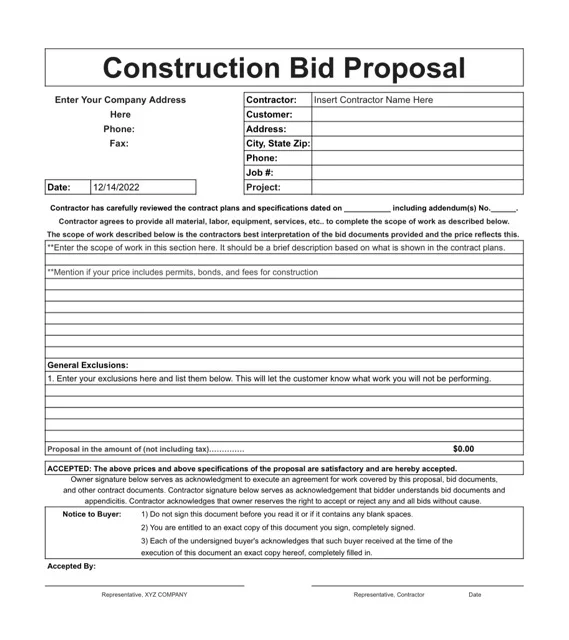
For contractors, submitting a bid is an opportunity to showcase their skills and expertise, ultimately competing for the project by demonstrating why they are the best fit for the job. The bid not only serves as the basis for the future contract but also guides the project’s execution once awarded.
What is a Construction Bid?
A construction bid is a formal offer submitted by a contractor to a project owner, detailing the proposed cost, timeline, and scope of work for a specific construction project. It serves as a way for contractors to compete for work by presenting their qualifications, experience, and pricing to project owners.
The bid is crucial in ensuring that both parties are on the same page regarding the project requirements and expectations.
Why are Construction Bids Important?
Construction bids are essential for both project owners and contractors for several reasons:
Transparency
Transparency is a key aspect of the construction bidding process as it ensures fairness and accountability in the selection of contractors. Project owners rely on bids to compare different proposals and make an informed decision based on the provided information. Transparency also helps build trust between project owners and contractors, creating a solid foundation for successful project collaboration. By being transparent in their bids, contractors can demonstrate their honesty, integrity, and professionalism, ultimately increasing their chances of winning projects.
Cost Control
Cost control is crucial in construction bidding as it helps project owners set a realistic budget for the project and avoid cost overruns. Contractors must provide accurate and detailed cost estimates in their bids to ensure that project owners have a clear understanding of the financial implications of the project. By comparing the proposed costs from different contractors, project owners can make an informed decision and select the contractor that offers the best value for money. Cost control also helps contractors manage their resources effectively and deliver the project within the agreed budget.
Quality Assurance
Quality assurance is a fundamental aspect of construction bidding as it ensures that the project is completed to the highest standards of quality and craftsmanship. Contractors use bids to showcase their expertise, experience, and commitment to delivering high-quality work. Project owners rely on bids to assess the quality of the proposed work and select the contractor that meets their quality standards. By emphasizing quality assurance in their bids, contractors can differentiate themselves from competitors and position themselves as reliable and reputable partners for construction projects.
Legal Protection
Legal protection is essential in construction bidding to safeguard the interests of both project owners and contractors. The bid serves as a legal document that outlines the terms and conditions of the project, including payment terms, warranties, and project milestones. By clearly defining the rights and responsibilities of each party in the bid, contractors and project owners can mitigate potential disputes and conflicts during the project execution. Legal protection also provides a framework for resolving any issues that may arise during the construction process, ensuring that both parties are protected under the law.
What to Include in a Construction Bid?
When preparing a construction bid, it is essential to include the following key components:
Detailed Project Information
Providing detailed project information in a construction bid is crucial for project owners to understand the scope and requirements of the project. Contractors should include a comprehensive description of the project, including specific tasks, materials, and deliverables. Clear project information helps project owners assess the contractor’s understanding of the project and their ability to meet the project requirements. By providing detailed project information in the bid, contractors can demonstrate their attention to detail, professionalism, and commitment to delivering a successful project.
Accurate Cost Estimates
Accurate cost estimates are essential in a construction bid to help project owners assess the financial implications of the project and make an informed decision. Contractors should provide a detailed breakdown of the costs involved in the project, including materials, labor, equipment, permits, and any other expenses. By presenting accurate cost estimates, contractors can demonstrate their expertise in cost management and budgeting. Project owners rely on cost estimates to compare different bids and select the contractor that offers the best value for money.
Qualifications
Highlighting qualifications in a construction bid is crucial for contractors to showcase their expertise, experience, and credentials relevant to the project. Contractors should include information about their company’s qualifications, certifications, licenses, and memberships in professional organizations. By highlighting qualifications, contractors can demonstrate their credibility, reliability, and competency in completing the project successfully. Project owners rely on qualifications to assess the contractor’s ability to meet the project requirements and deliver high-quality work.
Providing References
Providing references in a construction bid is an effective way for contractors to showcase their track record and quality of work to project owners. Contractors should include references from previous clients or projects that demonstrate their successful project outcomes. References help project owners assess the contractor’s reputation, reliability, and customer satisfaction. By providing references in the bid, contractors can build trust with project owners and differentiate themselves from competitors.
Terms and Conditions
Outlining clear terms and conditions in a construction bid is essential to ensure that both parties are in agreement on the project requirements and expectations. Contractors should define the payment terms, project milestones, warranties, and any other conditions that may impact the project. Terms and conditions provide a framework for the project execution and help mitigate potential conflicts or misunderstandings. By clearly outlining the terms and conditions in the bid, contractors and project owners can establish a solid foundation for successful project collaboration and ensure a smooth project delivery process.
How to Submit a Winning Construction Bid
Submitting a winning construction bid requires careful planning, attention to detail, and a strategic approach. Here are some essential steps to help you secure your next project:
Research the Project
Before submitting a bid, it is crucial to thoroughly research the project requirements, timeline, budget, and any specific criteria set by the project owner. Understanding the project scope and expectations will help you tailor your bid to meet the project’s needs effectively. Take the time to analyze the project documents, visit the site if possible, and clarify any uncertainties with the project owner before submitting your bid.
Prepare a Detailed Proposal
When preparing your construction bid, ensure that your proposal is detailed, well-organized, and addresses all the project requirements. Clearly outline your approach to the project, including your methodology, schedule, budget, and any value-added services you can offer. Provide a breakdown of the costs involved, including labor, materials, permits, and any other expenses. A comprehensive proposal demonstrates your professionalism, attention to detail, and commitment to delivering a successful project.
Highlight Your Expertise
One of the key factors that project owners consider when selecting a contractor is their expertise and experience in similar projects. Use your bid to highlight your company’s qualifications, certifications, past projects, and success stories. Showcase any specialized skills or innovations that set you apart from competitors. By emphasizing your expertise, you can instill confidence in the project owner that you are the best fit for the job.
Be Competitive
While it is essential to offer competitive pricing in your bid, ensure that your rates reflect the quality of work and service you will provide. Consider the project’s requirements, complexity, and timeline when determining your pricing strategy. Be transparent about your pricing and avoid any hidden costs or surprises that may impact the project budget. Striking a balance between competitive pricing and quality workmanship will make your bid stand out among competitors.
Follow Up
After submitting your bid, it is crucial to follow up with the project owner to address any questions, concerns, or clarifications they may have. Proactively engaging with the project owner demonstrates your commitment to the project and your willingness to provide further information or assistance as needed. Use this opportunity to clarify any aspects of your bid, showcase your responsiveness, and build a rapport with the project owner. Follow-up communication can help reinforce your bid and increase your chances of winning the project.
Tips for Successful Construction Bidding
Winning construction bids requires a strategic approach, attention to detail, and a focus on delivering value to project owners. Here are some additional tips to help you succeed in the construction bidding process:
Network with Project Owners
Building relationships with project owners, developers, architects, and other industry stakeholders can increase your visibility and opportunities for bidding on projects. Attend networking events, industry conferences, and trade shows to connect with potential clients and decision-makers. By establishing a strong network, you can improve your chances of being invited to bid on projects and showcase your expertise to a broader audience.
Stay Up to Date
Stay informed about the latest industry trends, regulations, technologies, and best practices in the construction sector. Regularly update your knowledge and skills to remain competitive in the market and adapt to changing industry dynamics. By staying up to date, you can position yourself as a knowledgeable and reliable contractor who can provide innovative solutions and deliver projects efficiently and effectively.
Collaborate with Subcontractors
Collaborating with reputable subcontractors, suppliers, and partners can enhance your bid and strengthen your project delivery capabilities. Build strong relationships with reliable subcontractors who can complement your expertise and provide specialized services. By forming strategic partnerships, you can offer a comprehensive solution to project owners and demonstrate your ability to manage complex projects effectively. Collaborating with subcontractors also allows you to leverage their expertise and resources to deliver high-quality work on time and within budget.
Seek Feedback
After submitting a bid, request feedback from project owners on unsuccessful bids to understand why your proposal was not selected. Use this feedback as an opportunity to identify areas for improvement, refine your bidding strategy, and enhance future proposals. Analyze the feedback received, implement any necessary changes, and continuously strive to enhance the quality and competitiveness of your bids. Seeking feedback demonstrates your commitment to learning and growing in the industry and positions you as a proactive and responsive contractor.
By following these guidelines and best practices, you can increase your chances of securing construction projects through successful bidding. Remember to tailor your bids to each project’s specific requirements, demonstrate your expertise and commitment to quality, and cultivate strong relationships with project owners and industry stakeholders. With a strategic approach, attention to detail, and a focus on delivering value, you can secure your next project and build a successful construction business.
Construction Bid Template
A Construction Bid helps contractors submit clear, professional, and detailed project proposals. It outlines essential information such as the scope of work, materials, labor costs, timelines, and terms, making it easier for clients to compare bids and make informed decisions. With a structured template, you can reduce errors, present accurate pricing, and demonstrate professionalism from the start.
Download our Construction Bid Template today to create polished, competitive bids that help you win more projects.
Construction Bid Template – EXCEL
