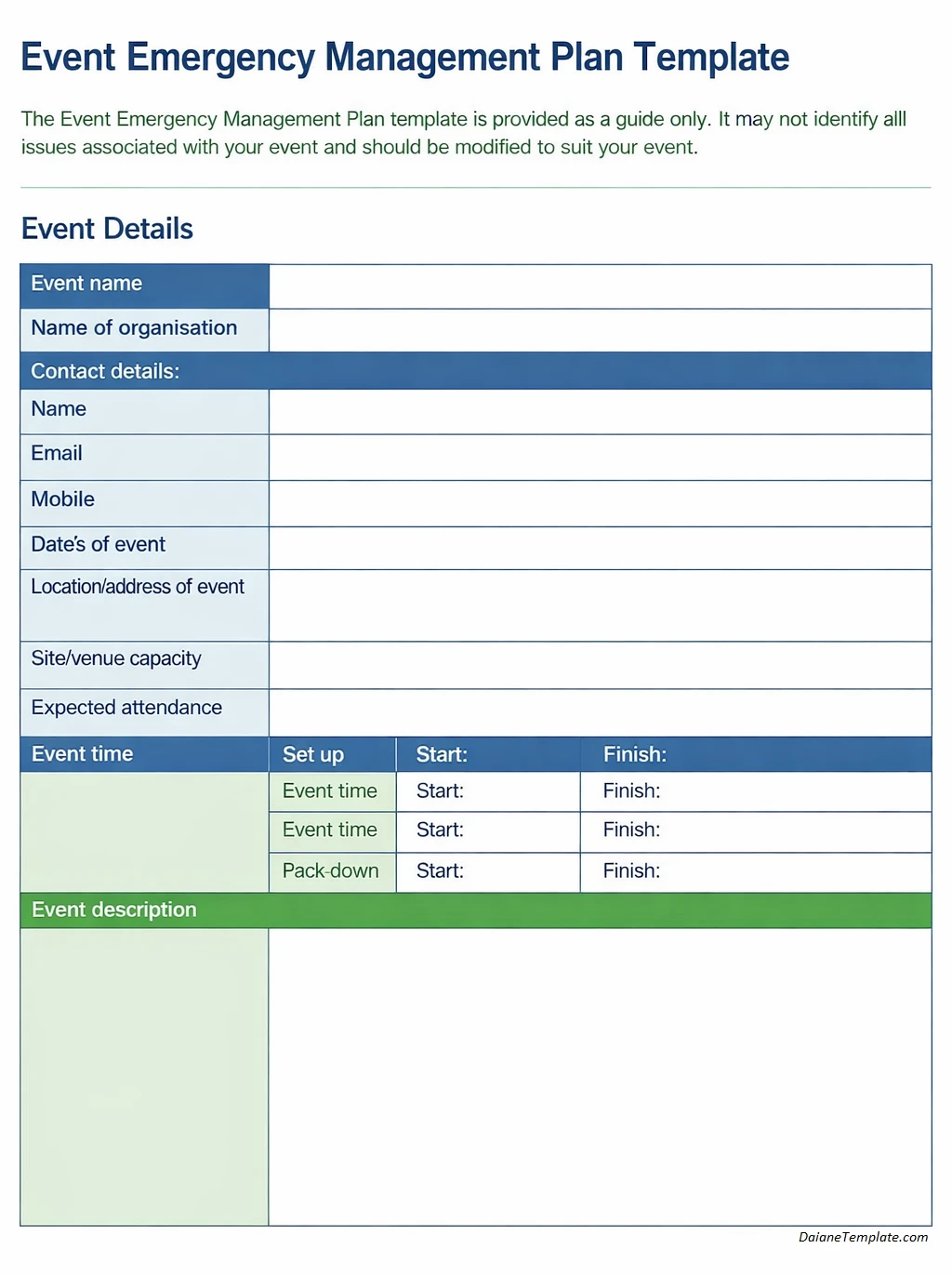
In any workplace, it is crucial to have an emergency action plan in place to protect lives, reduce injuries, and minimize damage to property during a crisis. Whether it’s a fire, natural disaster, chemical spill, or act of violence, having clear procedures for employees to follow ensures a safe and organized response. By eliminating confusion and providing a structured approach, an emergency action plan can make all the difference in ensuring the safety and well-being of everyone in the workplace.
What is an Emergency Action Plan?
An emergency action plan is a set of procedures and guidelines designed to address various types of emergencies that may occur in the workplace. It outlines specific steps that employees should take in the event of a crisis to ensure their safety and the safety of others.
The goal of an emergency action plan is to provide a clear and concise roadmap for responding to emergencies, reducing panic, and minimizing risks.
Why is an Emergency Action Plan Important?
Having a well-developed emergency action plan is crucial for several reasons. First and foremost, it helps protect the lives of employees and visitors by providing clear instructions on how to respond to emergencies. In addition, an emergency action plan can help reduce injuries and minimize damage to property, ultimately saving time and resources in the aftermath of a crisis. By establishing procedures in advance, an emergency action plan helps ensure a swift and coordinated response, leading to a higher likelihood of a successful outcome.
Key Elements of an Emergency Action Plan
- Emergency Contact Information. Include contact information for emergency services, key personnel, and external resources.
- Evacuation Procedures. Clearly outline evacuation routes, assembly points, and procedures for assisting individuals with disabilities.
- Communication Plan. Establish a system for communicating with employees, authorities, and other stakeholders during an emergency.
- Training and Drills. Provide regular training sessions and conduct emergency drills to ensure that employees are familiar with procedures.
- Emergency Supplies. Maintain an emergency supply kit with essential items such as first aid supplies, flashlights, and batteries.
- Chain of Command. Define roles and responsibilities for employees, supervisors, and emergency response teams.
- Post-Emergency Procedures. Outline steps for assessing damage, reporting incidents, and conducting debriefings after an emergency.
How to Develop an Emergency Action Plan
Developing an effective emergency action plan requires careful consideration and collaboration among all stakeholders. Start by identifying potential hazards and risks in the workplace, such as fire hazards, severe weather, or hazardous materials. Next, establish clear objectives and priorities for the plan, focusing on protecting lives and minimizing damage. Involve employees in the planning process by soliciting their input and feedback to ensure that the plan is comprehensive and practical.
Tips for Implementing an Emergency Action Plan
- Regularly review and update the plan. As the workplace evolves, so do potential hazards. It is essential to review and update the emergency action plan periodically to ensure its effectiveness.
- Provide training and drills. Ensure that employees are aware of the emergency procedures and practice them through regular training sessions and drills.
- Communicate the plan effectively. Make sure that all employees are familiar with the emergency action plan and know where to find it in case of an emergency.
- Assign roles and responsibilities. Clearly define roles and responsibilities for employees, supervisors, and designated emergency response teams to ensure a coordinated response.
- Test the plan regularly. Conduct simulated emergency scenarios to test the effectiveness of the plan and identify areas for improvement.
Conclusion
In conclusion, having an emergency action plan in place is essential for workplace safety. By providing clear procedures for employees to follow during a crisis, an effective plan can help protect lives, reduce injuries, and minimize damage to property. By incorporating key elements such as emergency contact information, evacuation procedures, and communication plans, businesses can ensure a safe and organized response to emergencies. With proper development, implementation, and training, an emergency action plan can make a significant difference in ensuring the well-being of everyone in the workplace.
Emergency Action Plan Template – DOWNLOAD
