Eviction notices are legal documents that landlords use to inform tenants that they must move out of a rental property. While the idea of receiving an eviction notice can be daunting, it’s essential to understand the process and your rights as a tenant.
In this comprehensive guide, we will dive deep into what eviction notices are, why they are issued, what to include in an eviction notice, how to respond to one, and provide some tips for handling the situation effectively.
What is an Eviction Notice?
An eviction notice is a formal written notice from a landlord to a tenant, informing them that they must vacate the premises within a specified period. These notices are typically issued for various reasons, such as non-payment of rent, lease violations, or other breaches of the rental agreement. Eviction notices serve as a legal requirement before a landlord can file for an eviction lawsuit in court.
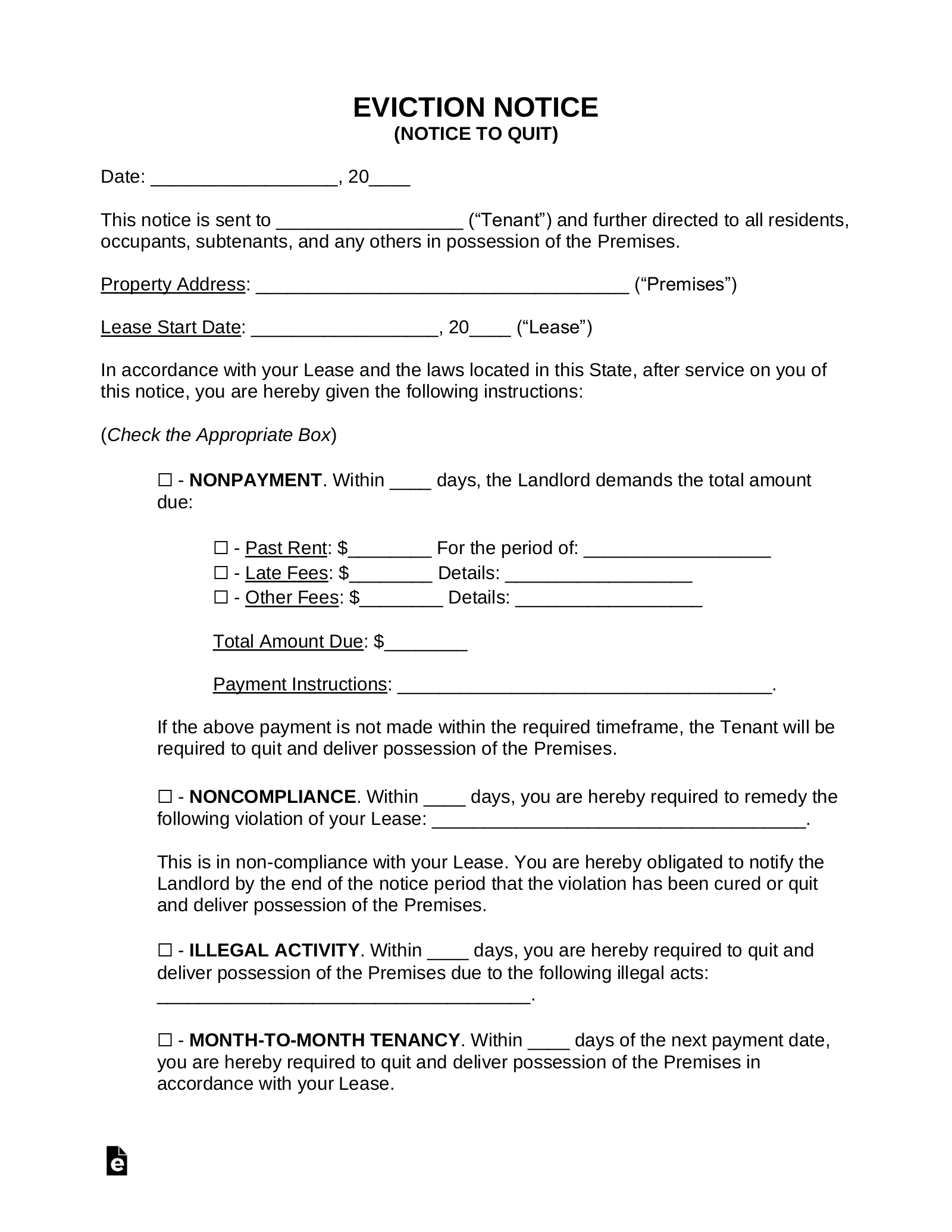
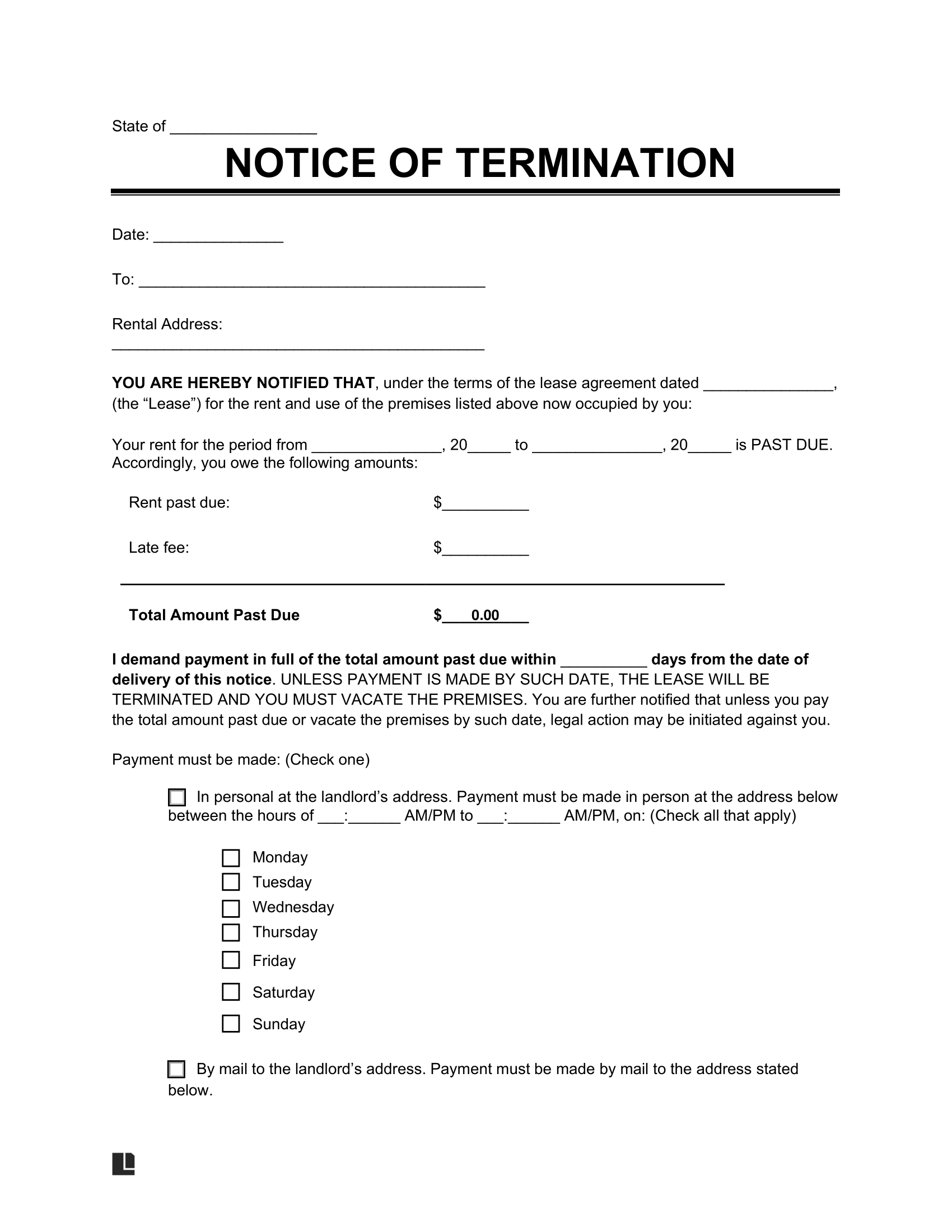
Eviction notices come in different types, including Pay or Quit Notices, Cure or Quit Notices, and Unconditional Quit Notices. Each type of notice has specific requirements and timelines that tenants must adhere to.
Why are Eviction Notices Issued?
Eviction notices are issued for various reasons, but the most common ones include:
– Non-payment of rent
– Violation of lease terms
– Damage to the property
– Illegal activities on the premises
– Subletting without permission
Landlords have the right to evict tenants for valid reasons, as outlined in the rental agreement. However, they must follow the legal process and provide proper notice before pursuing eviction through the court system.
What to Include in an Eviction Notice
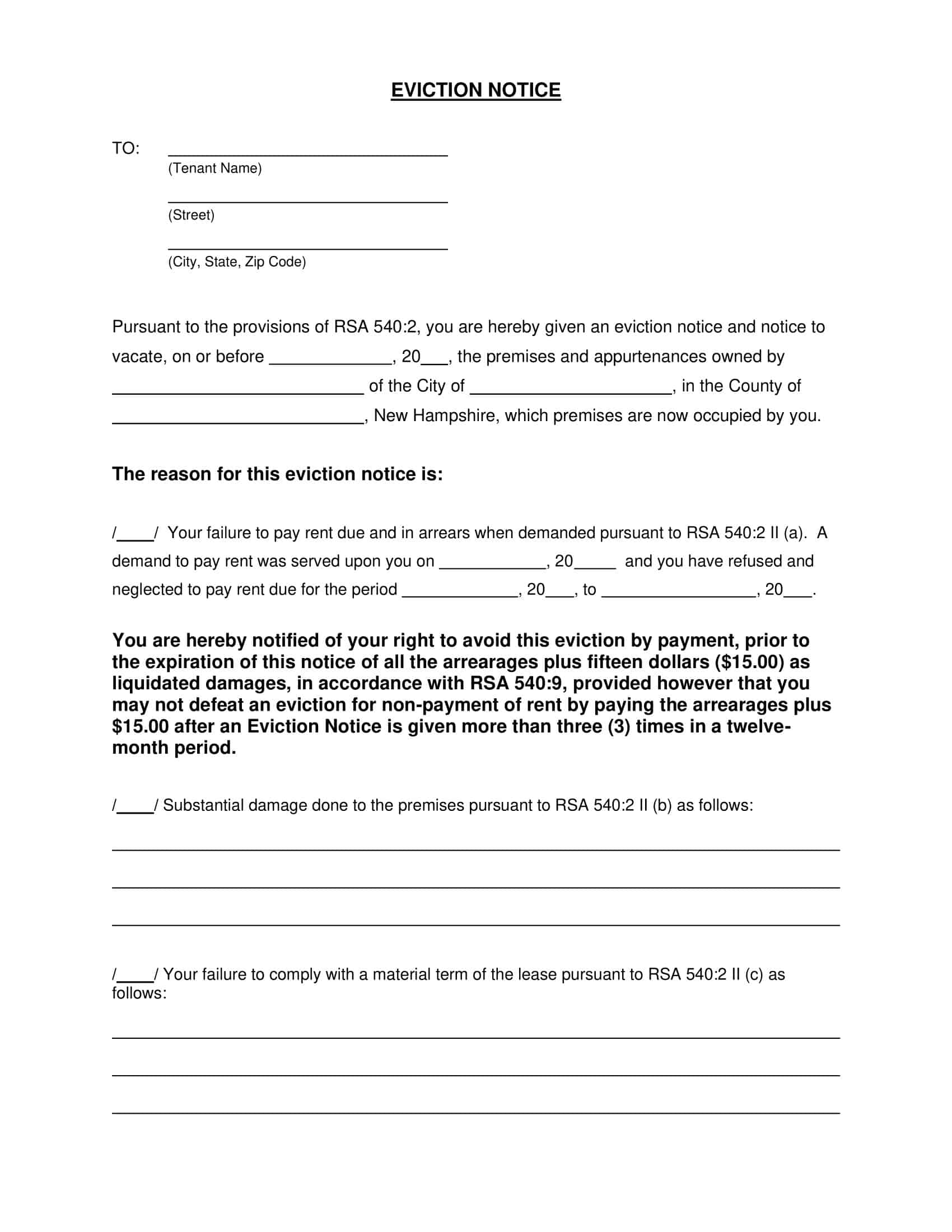
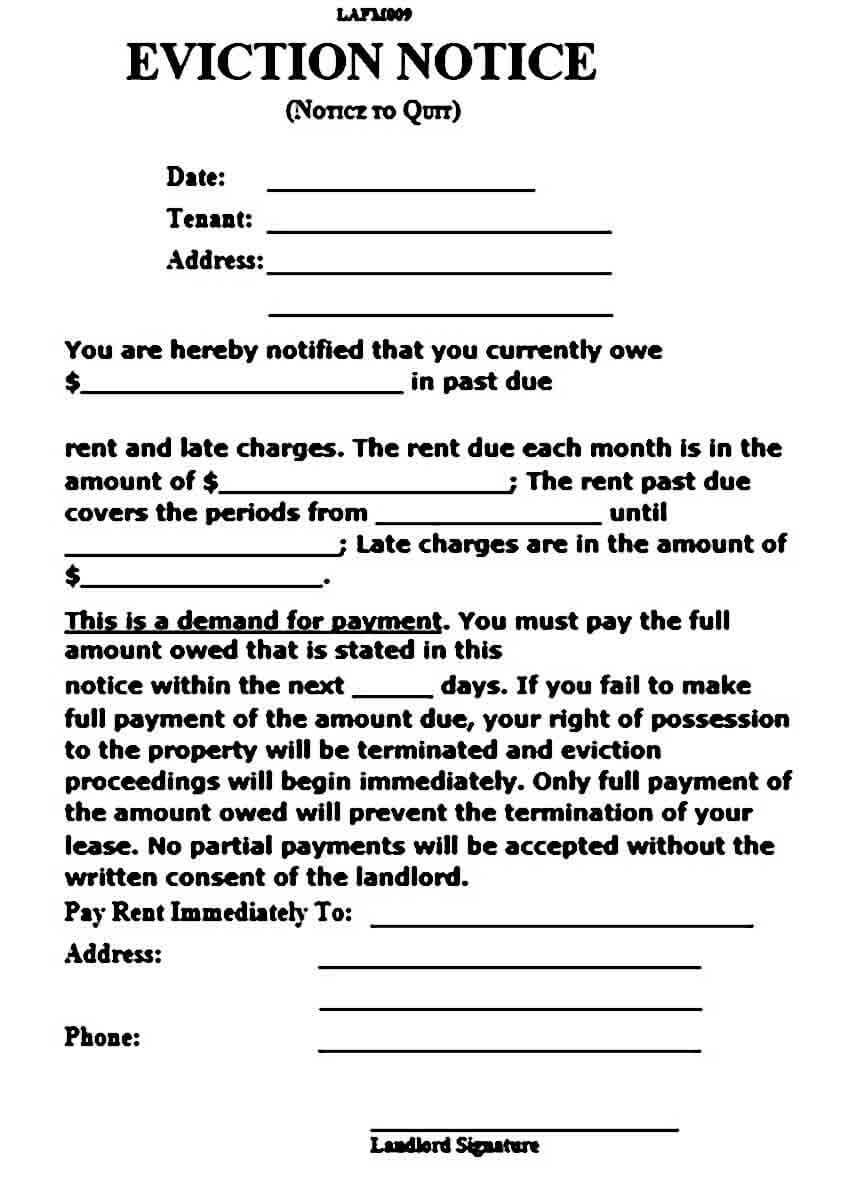
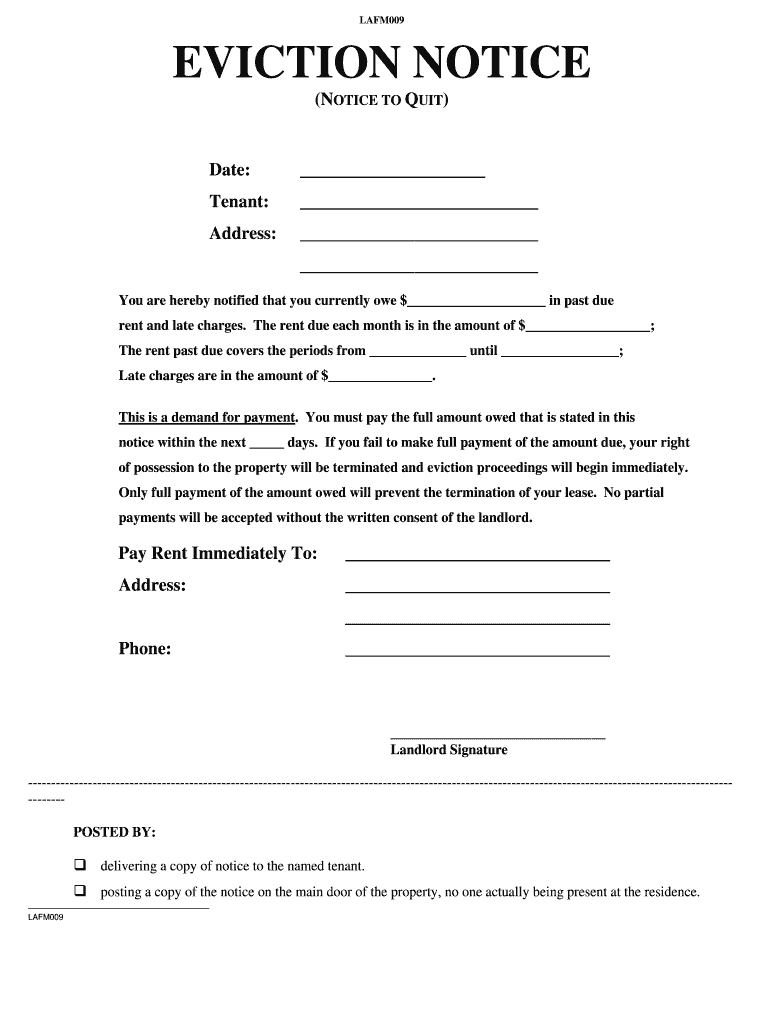
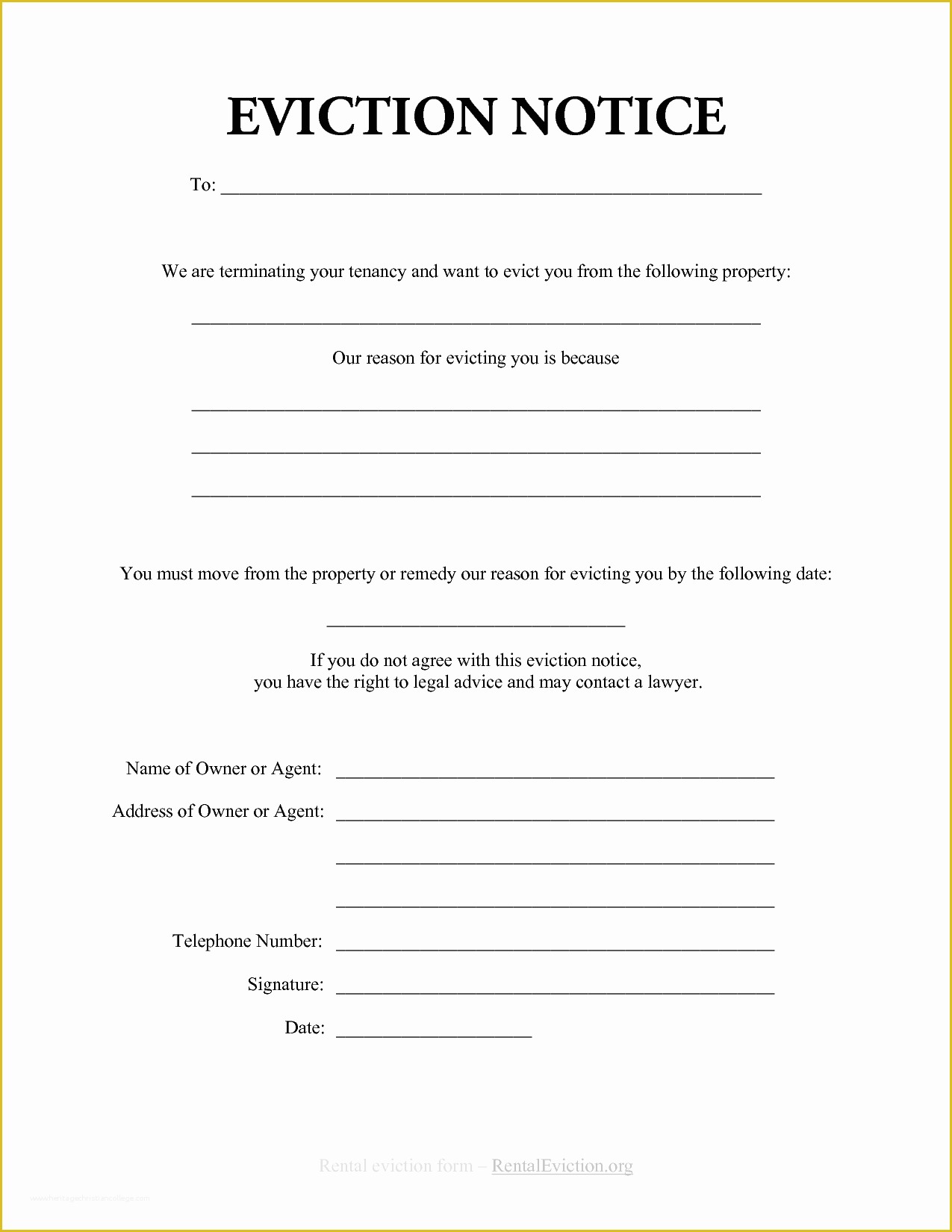
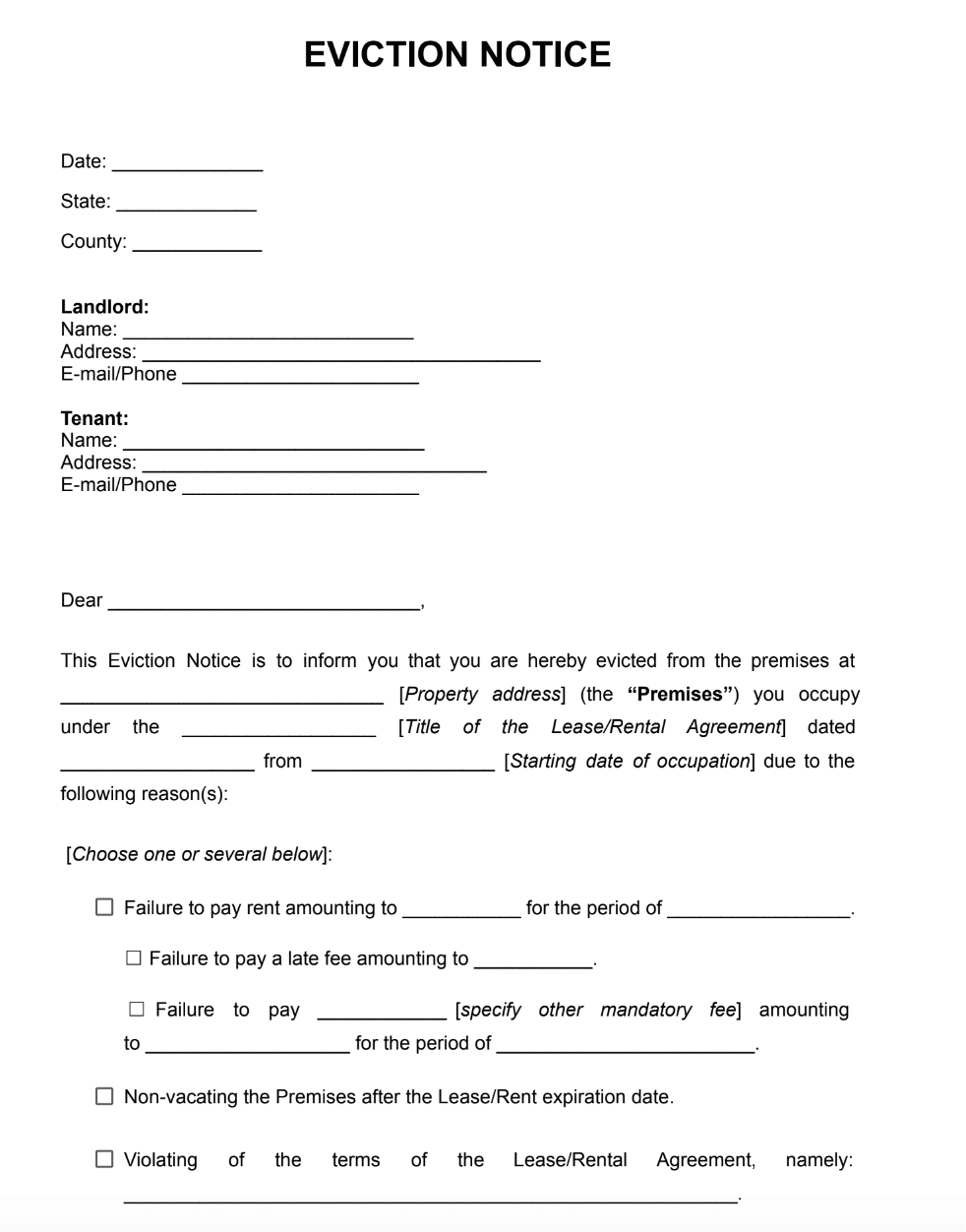
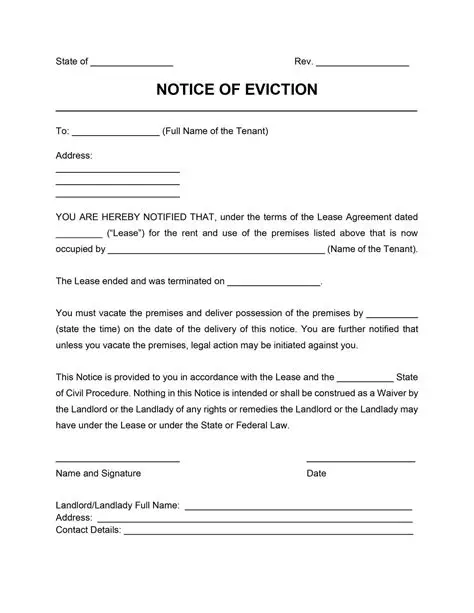
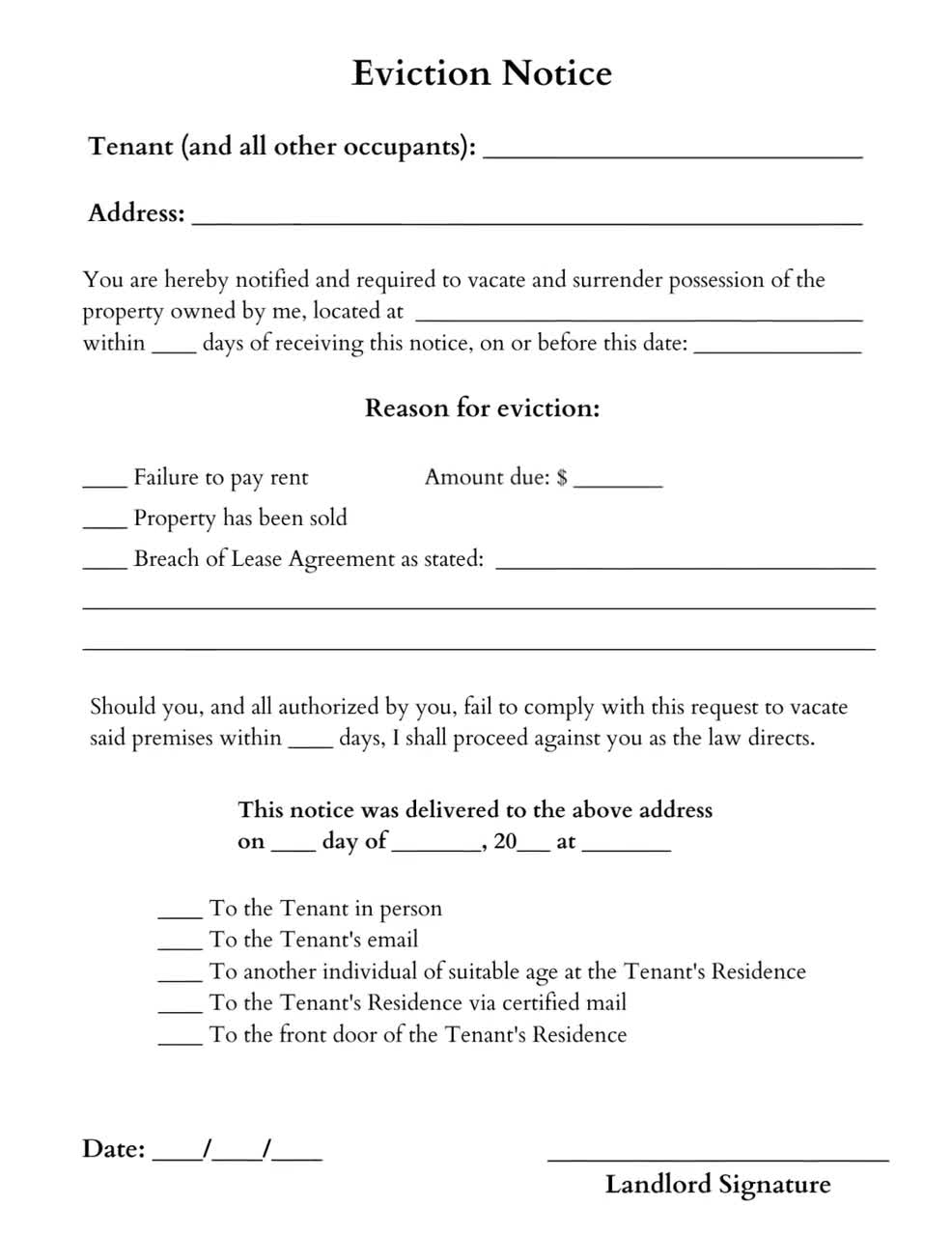
When serving an eviction notice, landlords must include specific information to make it legally valid. Some essential elements to include in an eviction notice are:
– Tenant’s name and address
– Property address
– Reason for eviction
– Date of notice
– Compliance deadline
– Landlord’s signature
Landlords must ensure that the information in the eviction notice is accurate and complies with state and local laws to avoid any legal challenges from tenants.
Examples
How to Respond to an Eviction Notice
If you receive an eviction notice, it’s essential to take prompt action and understand your rights as a tenant. Here are some steps to consider when responding to an eviction notice:
1. Review the notice carefully and understand the reason for eviction.
2. Seek legal advice or assistance from a tenant rights organization.
3. Communicate with your landlord to resolve the issue, if possible.
4. Prepare a written response if you disagree with the eviction.
5. Attend any court hearings related to the eviction process.
6. Consider negotiating a settlement or payment plan with your landlord.
7. Prepare to move out if the eviction is unavoidable.8. Keep records of all communication and documents related to the eviction.
Tips for Handling an Eviction Notice
Dealing with an eviction notice can be stressful, but there are some tips to help you navigate the process more effectively:
- Know your rights: Familiarize yourself with tenant rights laws in your state.
- Communicate effectively: Keep open lines of communication with your landlord to address any issues.
- Seek legal help: Consult with a lawyer or legal aid organization for guidance on your rights.
- Document everything: Keep records of all communication and documents related to the eviction.
- Stay organized: Keep track of deadlines and court dates to avoid missing important steps in the process.
- Explore all options: Consider negotiation, mediation, or settlement options before going to court.
- Prepare for the worst: Have a plan in place in case you need to move out quickly.
- Stay calm: Dealing with an eviction can be emotional, but try to stay composed and focus on finding a solution.
Conclusion
In conclusion, eviction notices are legal documents that landlords use to inform tenants of their need to vacate a rental property. Understanding the reasons for eviction, what to include in an eviction notice, how to respond effectively, and tips for handling the situation can help tenants navigate the process more smoothly. Both landlords and tenants need to follow the legal requirements and seek assistance when needed to ensure a fair and lawful eviction process.
Eviction Notice Template – Download
