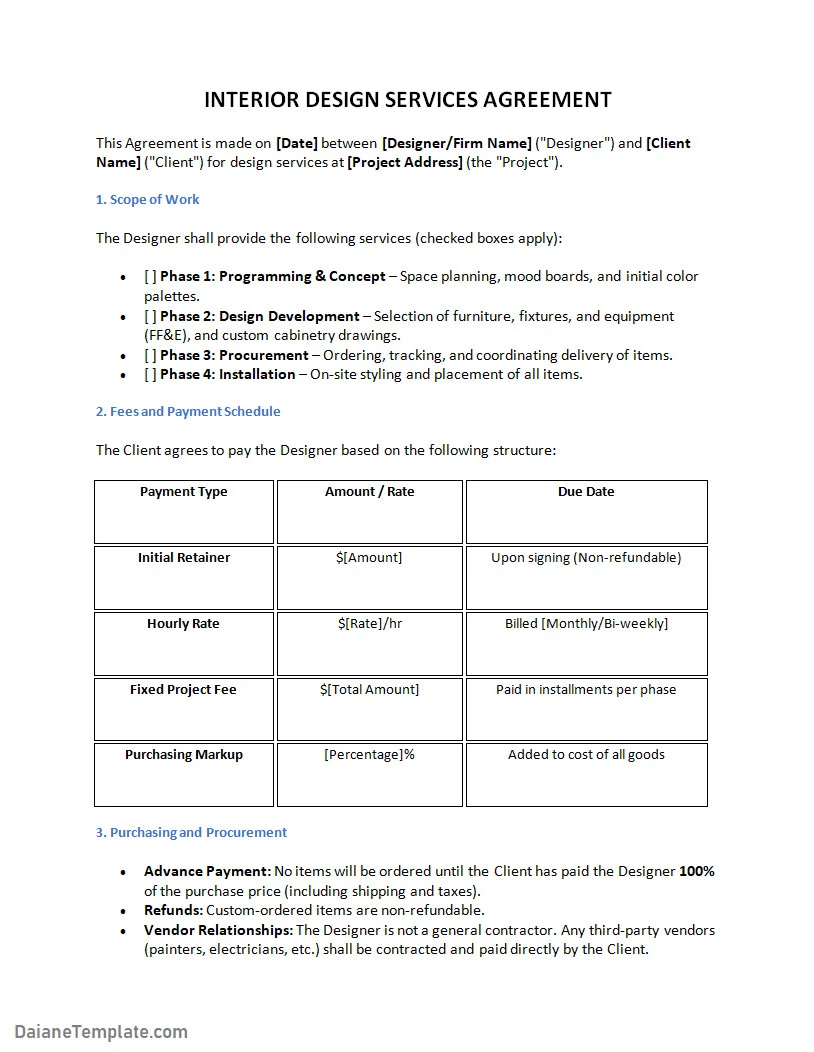
Interior design agreements are essential documents that outline the terms and conditions of a project between a designer and a client. They serve as a roadmap for the design process, ensuring that both parties are on the same page regarding expectations, responsibilities, and compensation.
In this comprehensive guide, we will break down everything you need to know about interior design agreements, from what they are to how to create one that protects both parties involved.
What is an Interior Design Agreement?
An interior design agreement is a legal contract that establishes the working relationship between a designer and a client. It details the scope of the project, the services to be provided, the timeline for completion, and the payment terms.
By clearly outlining these aspects of the project, the agreement helps prevent misunderstandings and disputes down the line.
Why is an Interior Design Agreement Important?
Creating an interior design agreement is crucial for several reasons. First and foremost, it protects both the designer and the client by clearly defining their roles and responsibilities. The agreement also helps manage expectations and ensures that the project stays on track and within budget.
In the event of any disagreements or disputes, the agreement serves as a legal document that can be referred to for resolution.
What to Include in an Interior Design Agreement
When drafting an interior design agreement, it is important to include the following key elements:
- Scope of Work: Clearly define the services that will be provided, including design concepts, space planning, material selection, and project management.
- Timeline: Outline the anticipated timeline for the project, including key milestones and deadlines.
- Payment Terms: Specify the payment schedule, fees, and any additional costs that may arise during the project.
- Intellectual Property Rights: Address ownership of design concepts, drawings, and other intellectual property created during the project.
- Termination Clause: Include provisions for terminating the agreement, including notice periods and any associated fees.
- Liability and Insurance: Clarify the liability of both parties and ensure that appropriate insurance coverage is in place.
- Confidentiality: Include provisions for maintaining the confidentiality of sensitive information shared during the project.
How to Create an Interior Design Agreement
When creating an interior design agreement, it is important to consult with a legal professional to ensure that the document is legally enforceable and protects both parties’ interests. Here are some steps to follow:
- Understand the Project Requirements: Before drafting the agreement, make sure you have a clear understanding of the project scope, timeline, and budget.
- Consult with a Legal Professional: Seek guidance from a lawyer who specializes in contract law to help you draft a comprehensive and legally sound agreement.
- Review and Revise: Once the agreement has been drafted, review it carefully with all parties involved and make any necessary revisions before signing.
- Sign and Execute: Once all parties are in agreement, sign the document and ensure that all parties receive a copy for their records.
Tips for a Successful Interior Design Agreement
Here are some additional tips to keep in mind when creating an interior design agreement:
- Be Clear and Specific: Clearly define the scope of work, timeline, and payment terms to avoid any misunderstandings.
- Communicate Effectively: Keep the lines of communication open throughout the project to address any issues or concerns promptly.
- Get Everything in Writing: Document all agreements, changes, and approvals in writing to avoid any disputes later on.
- Stay Organized: Keep all project-related documents, including the agreement, in a secure and easily accessible location for reference.
- Follow Up: After the project is completed, follow up with the client to ensure their satisfaction and address any outstanding issues.
Conclusion
Creating a comprehensive interior design agreement is essential for ensuring a successful and mutually beneficial working relationship between designers and clients. By carefully outlining the terms and conditions of the project, both parties can avoid misunderstandings, disputes, and potential legal issues.
Remember to consult with a legal professional when drafting your agreement and to keep communication open throughout the project to maintain a positive working relationship.
Interior Design Agreement Template – Download
