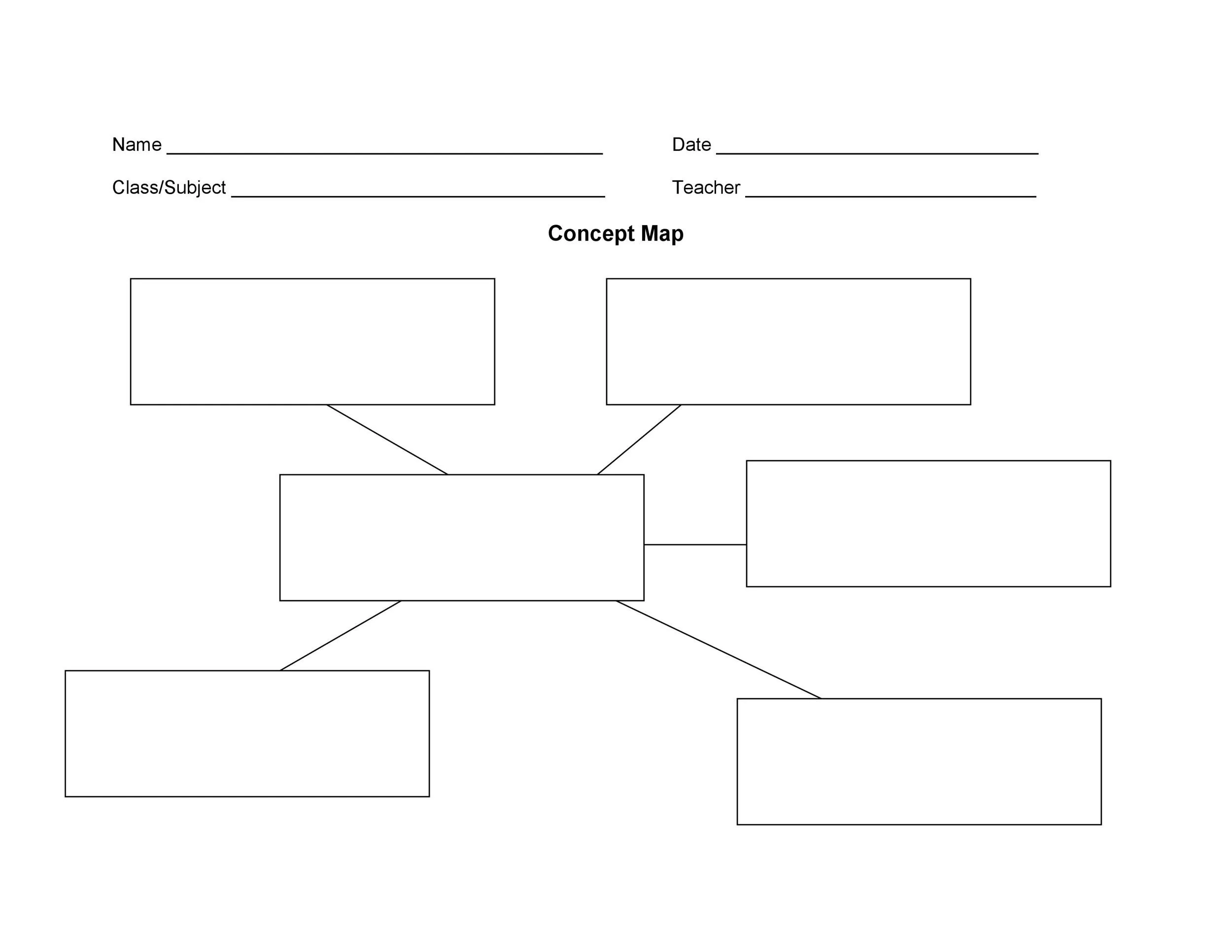
Concept mapping is a powerful tool that allows individuals to visually represent knowledge and the relationships between concepts. It helps learners organize information, identify connections between ideas, and understand complex topics in a more holistic way.
Concept mapping is a versatile tool used in various settings, from education to problem-solving and knowledge management. In this article, we will explore the concept of concept mapping, its purpose, benefits, types, components, applications, and more.
What is a Concept Map?
A concept map is a visual representation of knowledge that consists of nodes (concepts) and links (relationships between concepts). The nodes are usually represented by circles or boxes, while the links are lines that connect the nodes.
Concept maps can be simple or complex, depending on the amount of information being depicted. They are often used to organize and represent information in a structured and meaningful way.
What is The Purpose of a Concept Map?
The primary purpose of a concept map is to help individuals organize and represent knowledge in a visual format. By creating a concept map, learners can see how different concepts are connected and understand the relationships between them. Concept maps also help to simplify complex information, identify key ideas, and enhance critical thinking skills. They are valuable tools for brainstorming, problem-solving, and knowledge management.
Benefits of Using Concept Maps
There are numerous benefits to using concept maps in various settings:
Enhanced Understanding
Concept maps help learners see the big picture and understand complex topics in a more holistic way. By visually connecting concepts and illustrating relationships, concept maps provide a comprehensive overview that can enhance understanding and retention of information.
Improved Memory Retention
The visual nature of concept maps helps individuals remember information more effectively. By creating a visual representation of concepts and relationships, learners can reinforce their memory through spatial organization and visual cues that aid in recall.
Enhanced Critical Thinking
Concept maps encourage critical thinking by requiring individuals to analyze, organize, and evaluate information. By actively engaging with the material and making connections between concepts, learners can develop critical thinking skills that are essential for problem-solving and decision-making.
Effective Communication
Concept maps can be used to communicate ideas, share knowledge, and collaborate with others. By creating a visual representation of information, individuals can convey complex ideas in a clear and structured way, facilitating communication and collaboration among team members or students.
Problem-Solving
Concept maps are valuable tools for brainstorming, identifying solutions, and solving complex problems. By visually mapping out relationships between concepts and exploring different paths, individuals can generate new ideas, analyze options, and develop creative solutions to challenges.
Knowledge Management
Concept maps help individuals organize and manage knowledge in a structured and meaningful way. By creating a visual representation of information, users can categorize concepts, identify relationships, and store information in a way that is easy to access and navigate, enhancing knowledge management and retention.
Types of Concept Mapping
Several types of concept mapping techniques can be used depending on the specific needs and goals:
Hierarchical Concept Maps
Hierarchical concept maps are structured in a hierarchical manner, with the main concepts at the top and sub-concepts branching out from them. This type of concept map is useful for organizing information in a systematic way and showing the hierarchy of concepts within a topic.
Spider Concept Maps
Spider concept maps are centered around a main concept, with related concepts radiating outwards like the legs of a spider. This type of concept map is useful for exploring relationships between concepts and illustrating how different ideas are interconnected within a central theme or topic.
Flowchart Concept Maps
Flowchart concept maps use arrows to show the flow of information between concepts. This type of concept map is useful for illustrating processes or sequences of events, such as timelines, decision trees, or procedural steps that need to be followed in a specific order.
System Concept Maps
System concept maps depict the relationships between concepts within a larger system. This type of concept map is useful for understanding complex systems and how they interact with each other, such as ecosystems, organizational structures, or technological processes that involve multiple interconnected components.
Concept Mapping Software
There are various software tools available for creating digital concept maps, which offer additional features such as collaboration, customization, and integration with other tools. Concept mapping software allows users to create dynamic, interactive concept maps that can be shared, edited, and accessed online, making it easier to collaborate with others and create visually engaging representations of knowledge.
Component of Concept Maps
Concept maps consist of several key components:
Nodes
Nodes represent concepts or ideas in a concept map. Each node is a specific piece of information or a topic that is connected to other nodes through relationships. Nodes are usually represented by circles or boxes and can be labeled with keywords or short phrases to provide a clear understanding of the concept they represent.
Links
Links connect nodes and show the relationships between concepts in a concept map. These relationships can be of various types, such as cause and effect, similarity, hierarchy, or sequence. Links help to illustrate how different concepts are connected and how they contribute to a larger understanding of a topic by providing a visual representation of the connections between ideas.
Labels
Labels describe the relationship between nodes in a concept map. They provide additional context and information about how concepts are connected, helping to clarify the meaning of the links between nodes. Labels are used to indicate the type of relationship between concepts, such as “causes,” “leads to,” “is a type of,” or “is related to,” enhancing the overall readability and meaning of the concept map.
Colors and Shapes
Colors and shapes are often used in concept maps to differentiate between different types of concepts or relationships. Colors can be used to group related concepts or highlight key ideas, while shapes can help to visually distinguish between different categories of information. Using colors and shapes effectively can make a concept map more visually appealing and easier to understand by providing visual cues that help users navigate and interpret the information presented.
The Applications of Concept Maps
Concept maps have a wide range of applications across different fields and disciplines:
Education
Concept maps are widely used in education to help students understand and organize information, brainstorm ideas, and study for exams. In the classroom, teachers can use concept maps to introduce new topics, assess students’ understanding, and facilitate group discussions. Students can create concept maps as study aids, review key concepts, and make connections between different ideas to improve their learning outcomes.
Business
Concept maps are used in business settings for strategic planning, problem-solving, decision-making, and knowledge management. In the business world, concept maps can help organizations visualize complex information, identify trends, and develop innovative strategies. Teams can use concept maps to brainstorm ideas, analyze processes, and communicate solutions to stakeholders, leading to more efficient decision-making and improved performance.
Research
Concept maps are valuable tools for organizing research data, identifying patterns, and visualizing relationships between concepts. Researchers can use concept maps to map out the theoretical framework of a study, organize literature reviews, and conceptualize research questions. By visually representing information through concept maps, researchers can gain new insights, make connections between different studies, and communicate their findings more effectively.
Healthcare
Concept maps are used in healthcare to improve patient care, diagnose medical conditions, and develop treatment plans. Healthcare professionals can create concept maps to map out patient symptoms, identify potential diagnoses, and plan interventions. By visually representing patient information and medical concepts, concept maps help healthcare providers make informed decisions, communicate effectively with colleagues, and track patient progress more efficiently.
Project Management
Concept maps are useful for planning and managing projects, organizing tasks, and tracking progress. Project managers can use concept maps to outline project goals, identify critical milestones, and allocate resources effectively. By visually mapping out project dependencies, timelines, and responsibilities, concept maps help project teams stay organized, communicate clearly, and achieve project objectives promptly.
Overall, concept mapping is a powerful tool that can enhance learning, understanding, and problem-solving across various settings. By visually representing knowledge and relationships between concepts, concept maps help individuals make sense of complex information and improve critical thinking skills. Whether you are a student, professional, researcher, or educator, concept mapping can be a valuable tool to enhance your work and improve your understanding of the world around you.
Concept Map Template – DOWNLOAD
