As a client seeking services from an independent contractor, the importance of having a comprehensive and well-defined contractor services agreement cannot be overstated. This legally binding document serves as the foundation for the working relationship between the client and the contractor, setting the stage for a successful collaboration.
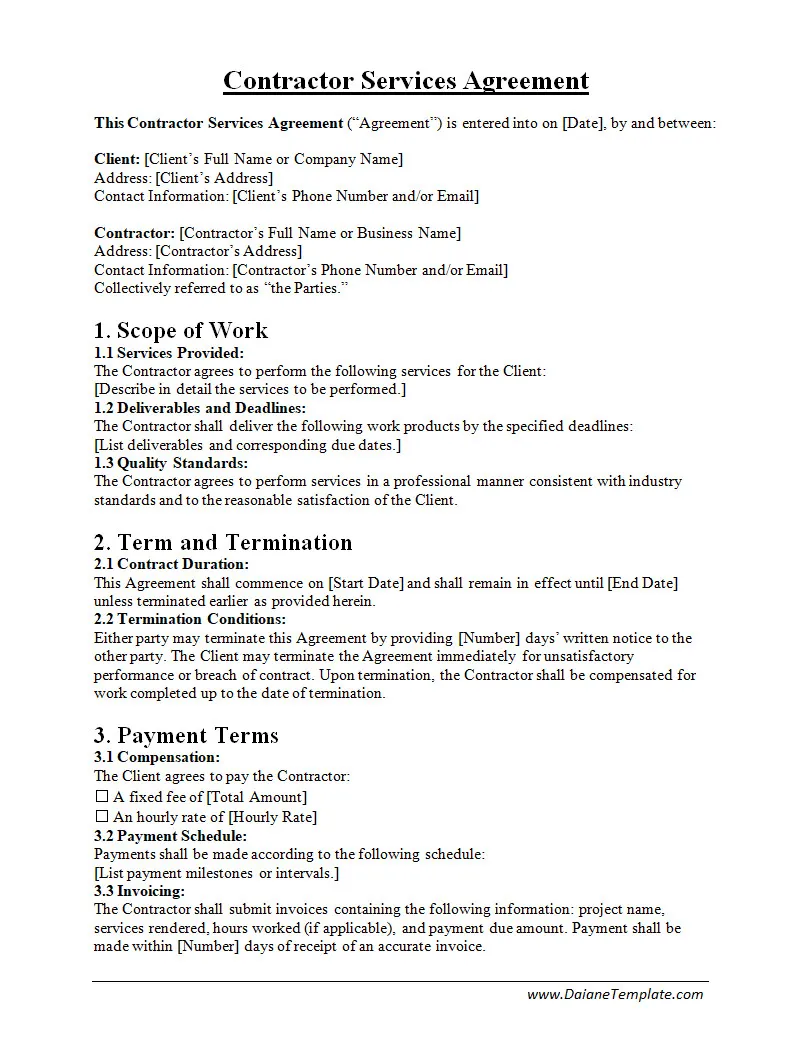
By outlining the rights, responsibilities, deliverables, and payment terms in detail, a contractor services agreement helps to ensure that both parties are on the same page throughout the duration of the project.
What is a Contractor Services Agreement?
A contractor services agreement is a formal contract that establishes the terms and conditions of the working relationship between a client and an independent contractor.
This document typically includes essential details such as the scope of work, project timelines, payment terms, confidentiality clauses, dispute resolution mechanisms, and termination procedures. By clearly outlining these key components, a contractor services agreement helps to create a clear and structured framework for the project.
Why is a Contractor Services Agreement Important?
A contractor services agreement serves as a crucial tool for both the client and the contractor, providing a clear framework for the working relationship and establishing expectations from the outset. By having a signed contractor services agreement in place, both parties can protect their interests, minimize risks, and ensure a successful outcome for the project. Let’s explore in more detail why a contractor services agreement is essential.
Minimizing Miscommunication and Disputes
One of the primary reasons why a contractor services agreement is important is its ability to minimize miscommunication and disputes between the client and the contractor. By clearly outlining the scope of work, project timelines, payment terms, and other key details, the agreement helps to ensure that both parties are on the same page. This can prevent misunderstandings or disagreements that may arise during the project and help to maintain a positive working relationship.
Reducing Legal Risks
A well-drafted contractor services agreement can also help to reduce legal risks for both the client and the contractor. By clearly defining the terms and conditions of the working relationship, the agreement provides a legal framework for resolving disputes and addressing any issues that may arise. This can help to protect both parties in the event of a disagreement and minimize the risk of costly legal proceedings.
Establishing a Clear Framework for Project Completion
Another important aspect of a contractor services agreement is its role in establishing a clear framework for the successful completion of the project. By outlining the project deliverables, timelines, and payment terms in detail, the agreement helps to create a roadmap for the project. This can help to keep the project on track, ensure that all parties are working towards the same goals, and ultimately lead to a successful outcome for the project.
Protecting Business Interests
For the client, a contractor services agreement helps to protect their business interests by safeguarding sensitive information, outlining payment terms, and establishing clear expectations for the project. By including confidentiality clauses, payment schedules, and termination procedures, the client can ensure that their intellectual property is protected and that the project is completed to their satisfaction. This can help to mitigate risks and ensure a positive outcome for the client’s business.
Supporting the Contractor’s Ability to Operate
On the other hand, a contractor services agreement also supports the contractor’s ability to operate by clearly defining their rights, responsibilities, and payment terms. By outlining the scope of work, project timelines, and payment schedule, the agreement helps to protect the contractor’s interests and ensure that they are compensated fairly for their work. This can help to establish a professional working relationship between the contractor and the client and ultimately lead to a successful project outcome.
What to Include in a Contractor Services Agreement?
When drafting a contractor services agreement, it is essential to include specific components to ensure that the agreement is comprehensive. Let’s explore in detail what key elements should be included in a contractor services agreement to protect the interests of both parties and establish a clear framework for the project.
Scope of Work
The scope of work is a crucial component of a contractor services agreement, as it outlines the specific tasks and responsibilities that the contractor is expected to complete during the project. This section should clearly define the project deliverables, the timeline for completion, and any specific requirements or expectations that the client has for the project. By detailing the scope of work, both parties can ensure that there is a mutual understanding of what is expected and avoid misunderstandings.
Project Timelines
Project timelines are another essential element to include in a contractor services agreement, as they establish clear deadlines for project milestones and completion. This section should outline the timeline for each phase of the project, as well as any important deadlines that need to be met. By setting project timelines, the client can track the progress of the project and ensure that it is completed on schedule. This can help to keep the project on track and avoid delays or setbacks.
Payment Terms
Payment terms are a critical component of a contractor services agreement, as they outline the payment schedule, rates, and any additional costs that may be incurred during the project. This section should specify how and when the contractor will be paid, as well as any payment milestones that need to be met. By clearly defining the payment terms, both parties can avoid misunderstandings related to compensation and ensure that payment is made promptly. This can help to establish trust and transparency in the working relationship.
Confidentiality Clauses
Confidentiality clauses are essential in a contractor services agreement to protect sensitive information shared during the project. This section should outline the client’s expectations regarding the confidentiality of project details, proprietary information, and any other sensitive information that may be shared with the contractor. By including confidentiality clauses, the client can ensure that their intellectual property is protected and that sensitive information is not disclosed to third parties. This can help to maintain the client’s trust and protect their business interests.
Dispute Resolution Mechanisms
Dispute resolution mechanisms are an important element to include in a contractor services agreement, as they provide a framework for resolving conflicts or disagreements that may arise during the project. This section should outline the process for addressing disputes, whether through mediation, arbitration, or another method of resolution. By establishing clear dispute resolution mechanisms, both parties can ensure that any issues are addressed promptly and efficiently. This can help to maintain a positive working relationship and avoid costly legal proceedings.
Termination Procedures
Termination procedures are a crucial component of a contractor services agreement, as they define the conditions under which the agreement can be terminated by either party. This section should specify the circumstances that may lead to termination, as well as the process for ending the working relationship. By clearly defining termination procedures, both parties can avoid confusion or misunderstandings if the agreement needs to be terminated. This can help to protect both parties’ interests and ensure a smooth transition out of the working relationship.
How to Draft a Contractor Services Agreement
Drafting a contractor services agreement requires careful attention to detail and a thorough understanding of the key components that should be included. Let’s explore in detail how to draft a comprehensive and effective contractor services agreement that protects the interests of both parties and ensures a successful outcome for the project.
Be Specific and Detailed
When drafting a contractor services agreement, it is essential to be specific and detailed in outlining the terms and conditions of the working relationship. The agreement should clearly define the scope of work, project deliverables, payment terms, and any other important details related to the project. By being specific and detailed, both parties can ensure that there is a mutual understanding of what is expected, reducing the risk of misunderstandings or disputes.
Communicate Clearly
Clear communication is key when drafting a contractor services agreement. Both parties should be actively involved in the drafting process and should have the opportunity to ask questions or seek clarification on any points of the agreement. It is essential to ensure that all terms and conditions are communicated clearly and that both parties understand their rights and responsibilities. By maintaining open and transparent communication throughout the drafting process, the final agreement is more likely to accurately reflect the intentions of both parties.
Seek Legal Advice
It is advisable to seek legal advice when drafting a contractor services agreement to ensure that the agreement is legally sound and protects the interests of both parties. A lawyer with experience in contract law can review the agreement and guide any areas that may need clarification or revision. Legal advice can help to ensure that the agreement complies with relevant laws and regulations and that both parties are adequately protected in the event of a dispute. Investing in legal advice at the drafting stage can save time and money in the long run by preventing potential legal issues.
Review and Revise
A contractor services agreement should be regularly reviewed and updated as needed to reflect any changes in the project scope, timelines, or other important details. Both parties should have the opportunity to review the agreement periodically and make revisions as necessary. By regularly reviewing and revising the agreement, both parties can ensure that it accurately reflects the current status of the project and that any changes are documented appropriately. This can help to prevent misunderstandings or disputes down the line and ensure that the agreement remains relevant throughout the duration of the project.
Keep Records
It is essential to keep thorough records of all communications, project milestones, and payments related to the project. Maintaining detailed records can help to protect both parties in the event of a dispute by providing a clear record of the project’s progress and any agreements that were made. Keeping records of all communications, including emails, phone calls, and meetings, can help to establish a timeline of events and document any important decisions or discussions. By keeping accurate records, both parties can have peace of mind knowing that there is a clear record of the project’s history.
Maintain Open Communication
Throughout the duration of the project, it is important to maintain open and honest communication between the client and the contractor. Encouraging open communication can help to address any issues or concerns that may arise promptly and prevent misunderstandings from escalating into larger problems. Both parties should feel comfortable expressing their thoughts, concerns, and questions throughout the project to ensure that everyone is on the same page. By maintaining open communication, the client and the contractor can work together collaboratively to achieve a successful outcome for the project.
Tips for Successful Contractor Services Agreement
To ensure that your contractor services agreement is effective and serves its intended purpose, consider the following tips to enhance the agreement and protect the interests of both parties involved in the project.
Be Thorough in Defining the Scope of Work
When defining the scope of work in the contractor services agreement, be as thorough as possible in outlining the specific tasks and responsibilities that the contractor is expected to complete. Clearly define the project deliverables, timelines, and any specific requirements or expectations that the client has for the project. By being thorough in defining the scope of work, both parties can ensure that there is a mutual understanding of what is expected, reducing the risk of misunderstandings or disputes.
Include Clear Payment Terms and Rates
Payment terms and rates are critical components of a contractor services agreement and should be clearly defined to avoid any misunderstandings related to compensation. Specify the payment schedule, rates, and any additional costs that may be incurred during the project. By including clear payment terms and rates, both parties can ensure that payment is made in a timely manner and that all parties are compensated fairly for their work.
Establish Realistic Project Timelines
When setting project timelines in the contractor services agreement, it is essential to establish realistic deadlines for project milestones and completion. Take into account any potential delays or unforeseen circumstances that may arise during the project and build flexibility into the timeline where necessary. By establishing realistic project timelines, both parties can ensure that the project stays on track and that all deliverables are completed on time.
Include Comprehensive Confidentiality Clauses
Confidentiality clauses are crucial in a contractor services agreement to protect sensitive information shared during the project. Include comprehensive confidentiality clauses that outline the client’s expectations regarding the confidentiality of project details, proprietary information, and any other sensitive information that may be shared with the contractor. By including robust confidentiality clauses, the client can safeguard their intellectual property and ensure that sensitive information is not disclosed to unauthorized parties.
Define Clear Dispute Resolution Mechanisms
Dispute resolution mechanisms are essential in a contractor services agreement to provide a clear framework for addressing conflicts or disagreements that may arise during the project. Define clear and specific dispute resolution mechanisms that outline the process for resolving disputes, whether through mediation, arbitration, or another method of resolution. By establishing clear dispute resolution mechanisms, both parties can ensure that any issues are addressed promptly and efficiently, reducing the risk of disputes escalating.
Outline Termination Procedures in Detail
Termination procedures should be outlined in detail in the contractor services agreement to define the conditions under which the agreement can be terminated by either party. Specify the circumstances that may lead to termination, as well as the process for ending the working relationship. By outlining termination procedures in detail, both parties can avoid confusion or misunderstandings if the agreement needs to be terminated, ensuring a smooth transition out of the working relationship.
Regularly Review and Update the Agreement
It is important to regularly review and update the contractor services agreement as needed to reflect any changes in the project scope, timelines, or other important details. Both parties should have the opportunity to review the agreement periodically and make revisions as necessary. By regularly reviewing and updating the agreement, both parties can ensure that it accurately reflects the current status of the project and that any changes are documented appropriately.
Seek Legal Advice When Necessary
If you have any questions or concerns about the contractor services agreement, it is advisable to seek legal advice to ensure that the agreement is legally sound and protects the interests of both parties. A lawyer with experience in contract law can review the agreement and guide any areas that may need clarification or revision. Legal advice can help to ensure that the agreement complies with relevant laws and regulations and that both parties are adequately protected in the event of a dispute.
Maintain Open and Honest Communication
Throughout the duration of the project, it is important to maintain open and honest communication between the client and the contractor. Encourage open communication and address any issues or concerns that may arise promptly to prevent misunderstandings from escalating into larger problems. Both parties should feel comfortable expressing their thoughts, concerns, and questions throughout the project to ensure that everyone is on the same page. By maintaining open communication, the client and the contractor can work together collaboratively to achieve a successful outcome for the project.
Contractor Services Agreement Template – DOWNLOAD
