What is a Daily Lesson Planner?
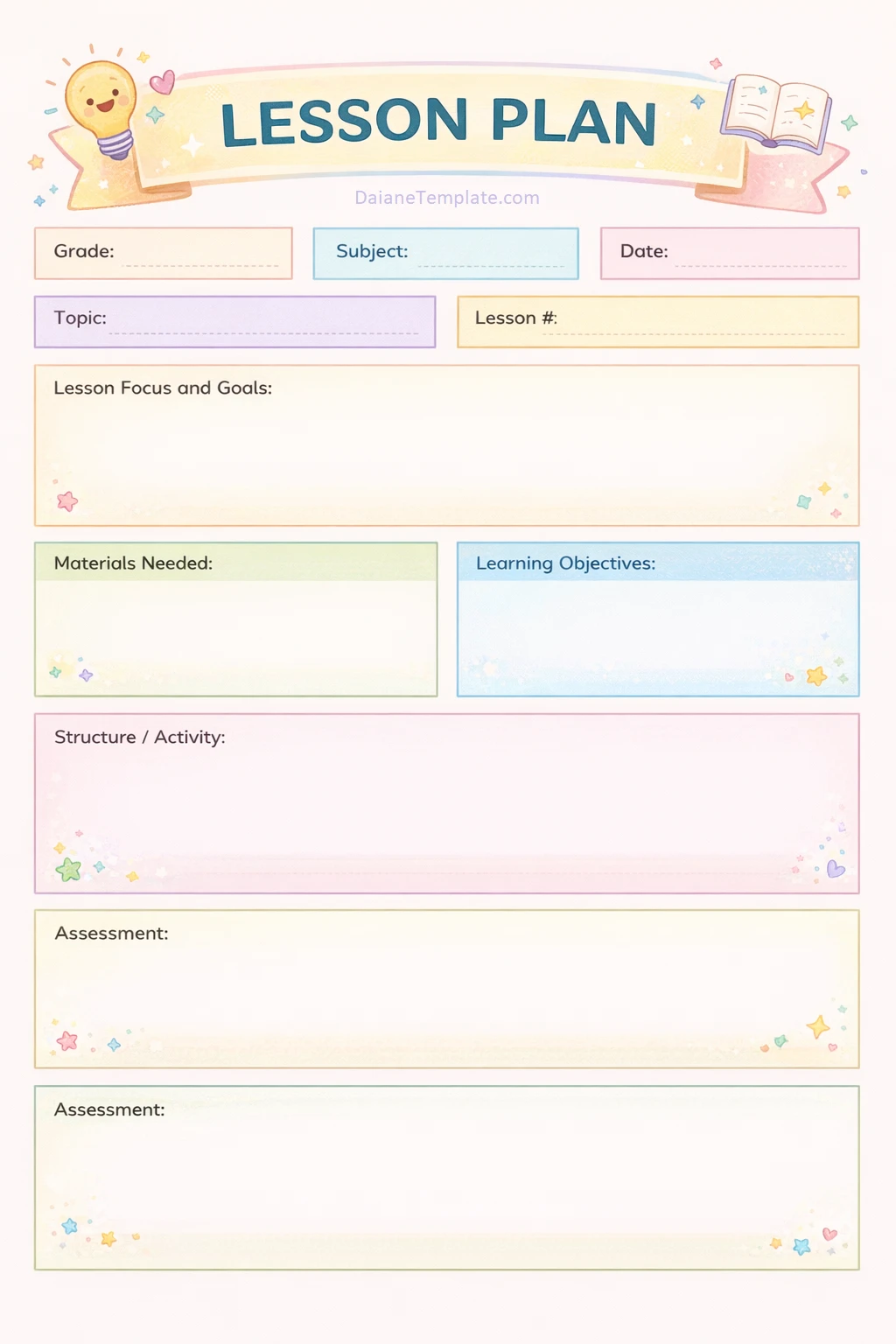
A daily lesson planner is a crucial tool for teachers to plan and organize their daily instruction effectively. It serves as a roadmap for teachers, outlining the objectives, activities, materials, and assessments for each lesson. By having a detailed plan in place, teachers can ensure that their lessons are well-structured, engaging, and aligned with the curriculum standards.
A daily lesson planner acts as a guide that helps teachers make the most of their instructional time and meet the diverse needs of their students.
Why Use a Daily Lesson Planner?
Using a daily lesson planner is essential for effective teaching and student learning. It provides structure, guidance, and organization for teachers, allowing them to plan and deliver engaging and meaningful lessons.
A daily lesson planner helps teachers set clear objectives, design relevant activities, gather necessary materials, and assess student understanding. By using a daily lesson planner, teachers can ensure that their instruction is focused, purposeful, and aligned with the curriculum standards.
Enhancing Instructional Practices
One of the primary reasons for using a daily lesson planner is to enhance instructional practices. By planning and outlining the key elements of each lesson, teachers can design more effective and engaging instructional activities that cater to the diverse needs of their students. A daily lesson planner serves as a tool for teachers to reflect on their teaching practices, make adjustments as needed, and continuously improve their instructional strategies.
Additionally, a daily lesson planner promotes consistency in teaching practices. By following a structured plan, teachers can maintain consistency in their instruction, ensuring that all students receive the same level of quality education. Consistency in teaching practices helps create a supportive and predictable learning environment for students, leading to increased student engagement and achievement.
Promoting Student Success
Using a daily lesson planner is also beneficial for promoting student success. By carefully planning and organizing their lessons, teachers can create learning experiences that are tailored to the individual needs of students. A daily lesson planner allows teachers to differentiate instruction, providing additional support for struggling learners and challenging opportunities for advanced students.
Furthermore, a daily lesson planner helps teachers track student progress and assess student understanding. By incorporating formative and summative assessments into their daily planning, teachers can monitor student learning outcomes, identify areas of strength and growth, and adjust their instruction accordingly. This data-driven approach to teaching promotes student success and ensures that all students have the opportunity to achieve their full potential.
Key Elements of a Daily Lesson Planner
A well-designed daily lesson planner should include several key elements to ensure effective teaching and student learning. These elements serve as the foundation for planning and delivering high-quality instruction that meets the diverse needs of students.
Objectives
Clear and measurable learning objectives are essential components of a daily lesson planner. Objectives outline what students are expected to learn or achieve by the end of the lesson. They serve as a guide for teachers to design relevant activities, select appropriate materials, and assess student understanding. Well-defined objectives help keep teachers focused on the learning goals and ensure that instruction is purposeful and aligned with the curriculum standards.
When setting objectives in a daily lesson planner, teachers should consider the following:
- Specificity: Objectives should be specific and clearly defined to provide a clear direction for instruction.
- Measurability: Objectives should be measurable to allow for assessment of student learning outcomes.
- Relevance: Objectives should be relevant to the curriculum standards and learning goals of the lesson.
By incorporating clear and measurable objectives into their daily lesson planner, teachers can ensure that their instruction is focused, purposeful, and effective in promoting student learning and achievement.
Activities
Engaging and interactive activities are essential to keeping students motivated and actively involved in the learning process. Activities should be designed to support the learning objectives of the lesson and cater to the diverse needs of students in the classroom. A variety of activities, such as group work, discussions, hands-on experiments, and technology-based tasks, can help engage students and enhance their understanding of the content.
When planning activities in a daily lesson planner, teachers should consider the following:
- Alignment with Objectives: Activities should align with the learning objectives of the lesson to ensure coherence and relevance.
- Engagement: Activities should be engaging and interactive to maintain student interest and motivation.
- Differentiation: Activities should provide opportunities for all students to participate and succeed, including struggling learners and advanced students.
By incorporating a variety of engaging and interactive activities into their daily lesson planner, teachers can create dynamic and stimulating learning experiences that promote student engagement, understanding, and retention of the material.
Materials
Materials and resources play a crucial role in supporting student learning and understanding. A well-designed daily lesson planner should include a list of materials needed for each lesson, such as textbooks, worksheets, technology tools, manipulatives, and other resources. Teachers should ensure that all necessary materials are readily available and accessible to students to enhance the learning experience and facilitate student engagement.
When selecting materials for a lesson, teachers should consider the following:
- Accessibility: Materials should be easily accessible to students and support their understanding of the content.
- Relevance: Materials should be relevant to the learning objectives and activities of the lesson.
- Diversity: Materials should be diverse and cater to the different learning styles and preferences of students in the classroom.
By carefully selecting and preparing materials for each lesson in their daily lesson planner, teachers can create a supportive and enriching learning environment that promotes student engagement, understanding, and success.
Assessments
Assessments are essential components of teaching and learning, providing teachers with valuable feedback on student understanding and progress towards the learning objectives. A daily lesson planner should include both formative and summative assessments to measure student learning outcomes and inform instructional decisions. Assessments should be aligned with the learning objectives and activities of the lesson to ensure that they accurately reflect student understanding and mastery of the material.
When designing assessments in a daily lesson planner, teachers should consider the following:
- Alignment: Assessments should align with the learning objectives and activities of the lesson to provide a comprehensive measure of student understanding.
- Variety: Assessments should include a variety of formats, such as quizzes, projects, presentations, and discussions, to accommodate different learning styles and preferences.
- Feedback: Assessments should provide timely and constructive feedback to students to support their learning and growth.
By incorporating formative and summative assessments into their daily lesson planner, teachers can track student progress, identify areas for improvement, and adjust their instruction to meet the diverse needs of students in the classroom.
Alignment with Curriculum
Ensuring that lessons are aligned with the curriculum standards and learning goals is essential for effective teaching and student learning. A daily lesson planner should reflect the objectives, content, and skills outlined in the curriculum to provide students with a coherent and meaningful learning experience. By aligning lessonswith the curriculum standards, teachers can ensure that their instruction is relevant, rigorous, and meets the educational requirements set by their school or district. This alignment helps teachers focus on the essential content and skills that students need to master, leading to more meaningful and purposeful instruction.
When aligning lessons with the curriculum in a daily lesson planner, teachers should consider the following:
- Curriculum Standards: Ensure that the learning objectives, activities, and assessments in the daily lesson planner align with the curriculum standards and learning goals.
- Scope and Sequence: Follow the scope and sequence of the curriculum to ensure that lessons build upon each other and lead to mastery of the content and skills.
- Interdisciplinary Connections: Make connections between different subject areas and integrate interdisciplinary themes to provide students with a holistic and integrated learning experience.
By aligning lessons with the curriculum in their daily lesson planner, teachers can enhance the coherence, relevance, and effectiveness of their instruction, leading to improved student learning outcomes and achievement.
Differentiation
Meeting the diverse needs of students in the classroom is a fundamental aspect of effective teaching. A daily lesson planner should include strategies for differentiation to support struggling learners, challenge advanced students, and accommodate the various learning styles and preferences of students. By incorporating differentiation into their daily planning, teachers can create inclusive and supportive learning environments that meet the individual needs of all students.
When planning for differentiation in a daily lesson planner, teachers should consider the following:
- Learning Profiles: Take into account the diverse learning profiles of students, including their strengths, weaknesses, interests, and preferences.
- Flexible Grouping: Use flexible grouping strategies to provide students with opportunities to work independently, in small groups, or with a partner based on their needs and abilities.
- Varied Instructional Strategies: Incorporate a variety of instructional strategies, such as visual aids, hands-on activities, technology tools, and cooperative learning, to appeal to different learning styles and preferences.
By incorporating strategies for differentiation into their daily lesson planner, teachers can create inclusive and equitable learning environments that promote student engagement, understanding, and success for all learners.
How to Create a Daily Lesson Planner
Creating a daily lesson planner is a systematic process that involves careful planning, organization, and reflection. By following a few key steps, teachers can create a comprehensive and effective daily lesson planner that supports their instructional goals and meets the diverse needs of their students.
Set Clear Learning Objectives
The first step in creating a daily lesson planner is to set clear and measurable learning objectives for each lesson. Objectives should outline what students are expected to learn or achieve by the end of the lesson and serve as a guide for designing relevant activities, selecting appropriate materials, and assessing student understanding.
When setting clear learning objectives in a daily lesson planner, teachers should consider the following:
- Specificity: Objectives should be specific and clearly defined to provide a clear direction for instruction.
- Measurability: Objectives should be measurable to allow for assessment of student learning outcomes.
By setting clear learning objectives in their daily lesson planner, teachers can ensure that their instruction is focused, purposeful, and aligned with the curriculum standards, leading to more meaningful and effective student learning experiences.
Plan Engaging Activities
Once the learning objectives are established, the next step in creating a daily lesson planner is to plan engaging and interactive activities that support the objectives of the lesson. Activities should be designed to cater to the diverse needs of students in the classroom and promote student engagement, understanding, and retention of the material.
When planning engaging activities in a daily lesson planner, teachers should consider the following:
- Alignment with Objectives: Activities should align with the learning objectives of the lesson to ensure coherence and relevance.
- Engagement: Activities should be engaging and interactive to maintain student interest and motivation.
By incorporating a variety of engaging and interactive activities into their daily lesson planner, teachers can create dynamic and stimulating learning experiences that promote student engagement, understanding, and retention of the material.
Gather Materials and Resources
After planning engaging activities, the next step in creating a daily lesson planner is to gather the materials and resources needed for each lesson. Materials should support student learning and understanding and enhance the effectiveness of the instructional activities planned for the day.
When gathering materials and resources in a daily lesson planner, teachers should consider the following:
- Accessibility: Materials should be easily accessible to students and support their understanding of the content.
- Relevance: Materials should be relevant to the learning objectives and activities of the lesson.
By carefully selecting and preparing materials for each lesson in their daily lesson planner, teachers can create a supportive and enriching learning environment that promotes student engagement, understanding, and success.
Develop Assessments
The final step in creating a daily lesson planner is to develop assessments that measure student understanding and progress towards the learning objectives. Assessments should be aligned with the objectives of the lesson and provide teachers with valuable feedback on student learning outcomes.
When developing assessments in a daily lesson planner, teachers should consider the following:
- Alignment: Assessments should align with the learning objectives and activities of the lesson to provide a comprehensive measure of student understanding.
- Variety: Assessments should include a variety of formats, such as quizzes, projects, presentations, and discussions, to accommodate different learning styles and preferences.
By incorporating formative and summative assessments into their daily lesson planner, teachers can track student progress, identify areas for improvement, and adjust their instruction to meet the diverse needs of students in the classroom.
Tips for Successful Lesson Planning
Successful lesson planning is essential for effective teaching and student learning. By following a few key tips, teachers can create comprehensive and engaging daily lesson plans that support their instructional goals and meet the diverse needs of their students.
Stay Organized
Organization is key to successful lesson planning. Keep your daily lesson planner organized and easily accessible for quick reference. Use color-coding, tabs, or digital tools to keep track of your lessons, materials, and assessments. Staying organized will help you stay focused and on track with your teaching goals.
Be Flexible
Flexibility is essential in teaching. Be prepared to adjust your lesson plans as needed based on student responses and feedback. Embrace unexpected learning opportunities and be willing to adapt your instruction to meet the changing needs of your students. Being flexible allows you to respond to student needs and create a dynamic and engaging learning environment.
Collaborate with Colleagues
Collaboration is key to professional growth and development. Share your daily lesson planner with colleagues and seek feedback for improvement. Collaborating with colleagues allows you to exchange ideas, get fresh perspectives on teaching practices, and learn from the experiences of others. Working together with colleagues can lead to new insights, strategies, and best practices that enhance your teaching and student learning.
Reflect Regularly
Reflection is an essential part of the teaching process. Take time to reflect on your teaching practices and student learning outcomes regularly. Use your daily lesson planner as a tool for reflection, noting what worked well, what could be improved, and what changes you need to make for future lessons. Reflecting on your teaching practices allows you to identify areas for growth, celebrate successes, and continuously improve your instruction for the benefit of your students.
Seek Professional Development
Professional development is crucial for staying current with best practices in education. Attend workshops, training sessions, and conferences to enhance your lesson planning skills and learn new strategies for effective teaching. Professional development opportunities allow you to connect with other educators, gain new insights and perspectives, and stay informed about the latest trends and education research. Investing in professional development helps you grow as a teacher and better meet the diverse needs of your students.
Engage Students
Student engagement is essential for effective teaching and learning. Involve students in the lesson planning process by seeking their input and feedback on activities and assessments. Encourage students to take ownership of their learning by allowing them to contribute ideas, ask questions, and participate actively in the learning process. Engaging students in the lesson planning process promotes a sense of ownership and responsibility for their learning, leading to increased motivation, participation, and success in the classroom.
Daily Lesson Planner Template – DOWNLOAD
