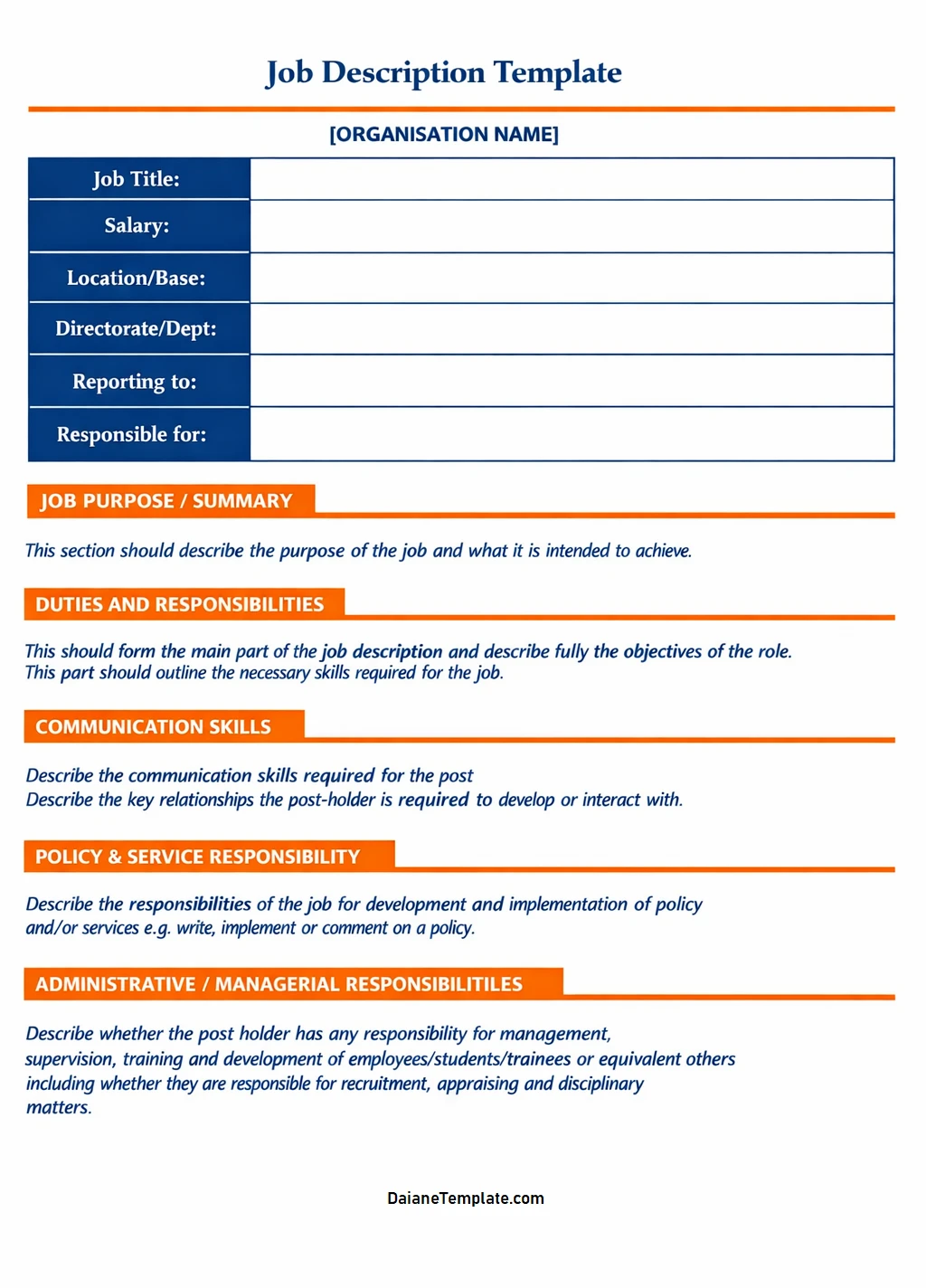
Creating detailed employee job descriptions is essential for any organization. These documents outline the essential job functions, as well as the skills, knowledge, abilities, and other characteristics needed for satisfactory job performance. By clearly defining the expectations for each role within the company, job descriptions serve as a valuable tool for recruitment, training, performance evaluation, and career development.
In this article, we will explore the importance of employee job descriptions and provide tips on how to create effective job descriptions that benefit both employees and employers.
What Are Employee Job Descriptions?
Employee job descriptions are written documents that outline the specific responsibilities and requirements of a particular job within an organization. These descriptions typically include details such as job title, job summary, essential job functions, qualifications, and reporting relationships.
By clearly defining the expectations for each role, job descriptions help employees understand their responsibilities and performance expectations.
Why Are Employee Job Descriptions Important?
Employee job descriptions are important for both employees and employers. For employees, job descriptions provide clarity on their roles and responsibilities, helping them understand what is expected of them and how their performance will be evaluated. This clarity can lead to increased job satisfaction, motivation, and productivity. Job descriptions also help employees set goals, track their progress, and identify areas for development.
For employers, job descriptions are essential for effective workforce planning and management. By clearly defining the requirements for each job, employers can ensure that they hire candidates who have the necessary skills and qualifications. Job descriptions also provide a basis for performance evaluations, training programs, and career development opportunities. Additionally, job descriptions can help employers comply with legal requirements related to fair employment practices.
What to Include in an Employee Job Description
When creating an employee job description, it is important to include the following key elements:
– Job title: Clearly state the title of the position.
– Job summary: Provide a brief overview of the job and its purpose within the organization.
– Essential job functions: List the primary duties and responsibilities of the job.
– Qualifications: Outline the skills, knowledge, abilities, and experience required for the job.
– Reporting relationships: Identify who the employee will report to and any employees who will report to them.
In addition to these key elements, job descriptions may also include information about working conditions, physical requirements, and any other relevant details about the job.
How to Create Effective Employee Job Descriptions
Creating effective employee job descriptions requires careful consideration and attention to detail. Here are some tips for writing job descriptions that accurately reflect the requirements of the job and help attract qualified candidates:
– Use clear and concise language: Avoid jargon and technical terms that may be confusing to candidates.
– Focus on essential job functions: Clearly define the primary duties and responsibilities of the job.
– Be specific about qualifications: Clearly outline the skills, knowledge, and experience required for the job.
– Update job descriptions regularly: Review and update job descriptions as needed to ensure they accurately reflect the current requirements of the job.
– Get input from employees: Consult with current employees who hold the position to ensure that the job description accurately reflects the demands of the job.
By following these tips, employers can create job descriptions that effectively communicate the requirements of the job and attract qualified candidates.
Tips for Creating Effective Employee Job Descriptions
In addition to the key elements and best practices mentioned above, here are some additional tips for creating effective employee job descriptions:
– Use action verbs to describe job duties (e.g., “manage,” “coordinate,” “develop”).
– Include specific performance expectations and goals for the role.
– Highlight opportunities for career growth and advancement within the organization.
– Be transparent about work hours, travel requirements, and any other relevant details about the job.
– Seek feedback from HR professionals or legal experts to ensure compliance with employment laws and regulations.
By following these tips, employers can create job descriptions that attract qualified candidates, support employee development, and drive organizational success.
Creating clear and comprehensive employee job descriptions is essential for setting expectations, attracting qualified candidates, and promoting a positive work environment. By following the tips and best practices outlined in this article, employers can create job descriptions that benefit both employees and the organization as a whole. Remember, effective job descriptions are not only a tool for recruitment and performance management but also a key component of a successful and productive workforce.
Employee Job Description Template – DOWNLOAD
