Employee timesheets are essential tools for businesses to track employees’ time and attendance. Whether you are a small business owner or a large corporation, using employee timesheets can help you streamline payroll, monitor productivity, and ensure compliance with labor laws.
In this comprehensive guide, we will explore the what, why, what to include, how to, and tips for successful employee timesheets.
What are Employee Timesheets?
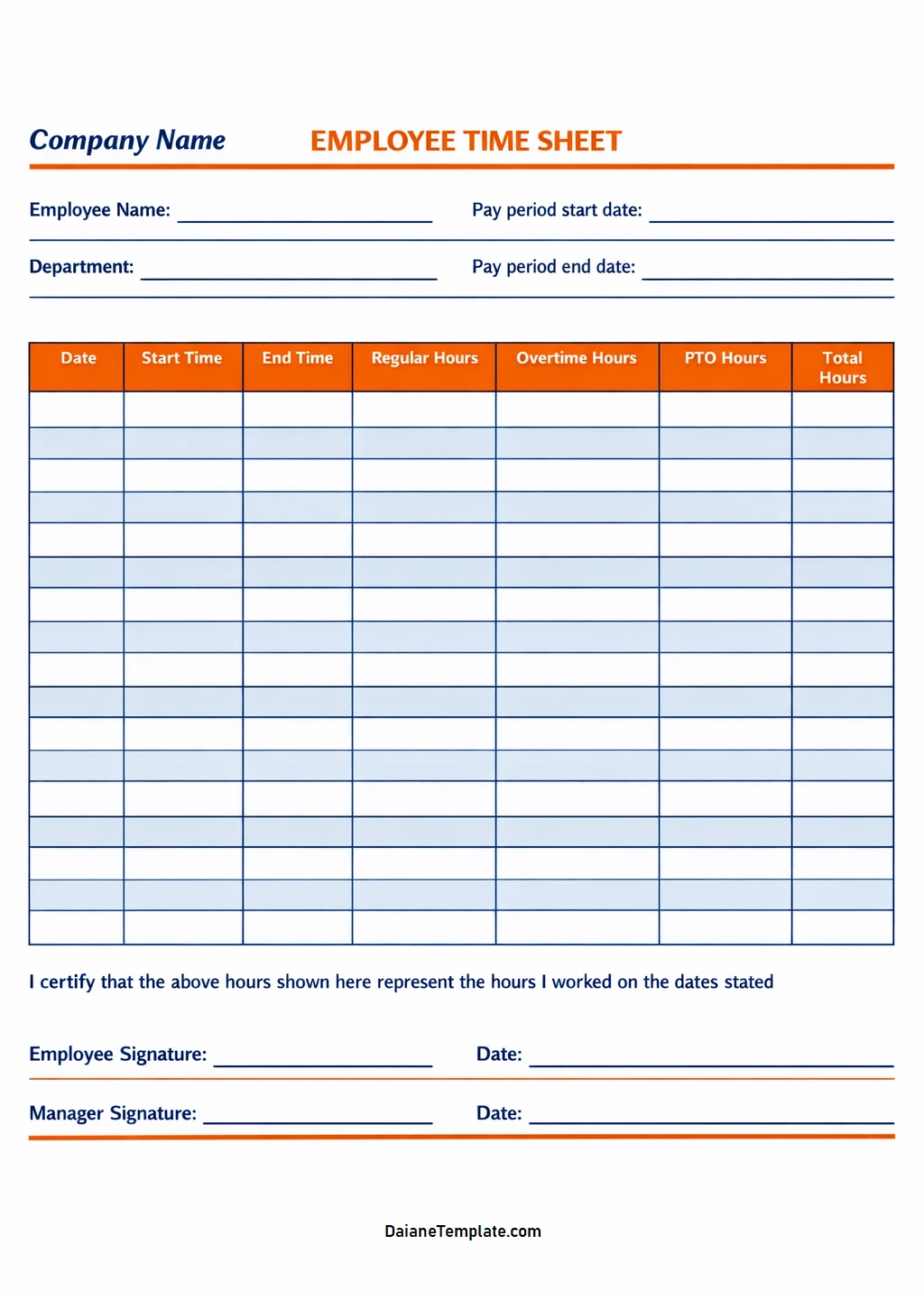
Employee timesheets are documents used by businesses to record the number of hours worked by employees. These timesheets typically include information such as the employee’s name, date, start and end times, breaks taken, and total hours worked. Timesheets can be filled out manually by employees or digitally using time tracking software.
Employee timesheets are crucial for accurately calculating employee wages, tracking attendance, and monitoring productivity. By keeping detailed records of employee work hours, employers can ensure that employees are being paid correctly and that they are complying with labor laws.
Why Use Employee Timesheets?
There are several benefits to using employee timesheets in your business:
- Accurate Payroll: Employee timesheets help ensure that employees are paid correctly for the hours they have worked.
- Attendance Tracking: Timesheets allow employers to monitor employee attendance and identify any patterns of tardiness or absenteeism.
- Productivity Monitoring: By tracking hours worked, employers can assess employee productivity and make informed decisions about resource allocation.
- Compliance: Employee timesheets help ensure compliance with labor laws regarding overtime, breaks, and minimum wage.
What to Include in Employee Timesheets
When creating employee timesheets, it is important to include the following information:
- Employee Name: Include the name of the employee filling out the timesheet.
- Date: Record the date for each entry on the timesheet.
- Start and End Times: Document the exact times the employee starts and finishes work each day.
- Breaks: Include any breaks taken by the employee during their shift.
- Total Hours: Calculate the total number of hours worked each day.
How to Fill Out Employee Timesheets
Filling out employee timesheets accurately is crucial for effective time tracking. Here are some tips on how to fill out employee timesheets correctly:
- Be Detailed: Record start and end times accurately, including breaks taken.
- Use Time Tracking Software: Consider using time tracking software for more accurate and efficient time tracking.
- Review and Verify: Double-check all entries on the timesheet for accuracy before submitting for payroll processing.
Tips for Successful Employee Timesheets
To ensure that your employee timesheets are effective, consider the following tips:
- Provide Training: Train employees on how to fill out timesheets correctly to avoid errors.
- Set Clear Expectations: Communicate expectations regarding time tracking and attendance to employees.
- Regularly Review Timesheets: Review timesheets regularly to identify any discrepancies or issues.
Employee timesheets are valuable tools for businesses of all sizes to track employee time and attendance accurately. By implementing effective time tracking practices and using employee timesheets efficiently, businesses can streamline their payroll process, monitor productivity, and ensure compliance with labor laws.
Employee Timesheet Template – DOWNLOAD
