Expense reports are a crucial aspect of financial management for businesses of all sizes. They serve as a detailed record of all the expenses incurred by employees while conducting business activities.
In this comprehensive guide, we will explore the ins and outs of expense reports, why they are important, what to include in them, how to create them effectively, and provide some tips for optimizing the process.
What is an Expense Report?
An expense report is a document that outlines all the expenses that an employee has incurred while performing work-related tasks. These expenses can include anything from travel costs, accommodation, meals, transportation, supplies, and other miscellaneous expenses. The purpose of an expense report is to track and record all these expenditures so that the company can reimburse the employee accordingly.
Expense reports are typically submitted regularly, such as monthly or quarterly, depending on the company’s policies. They are essential for businesses to maintain accurate financial records, track spending, and ensure compliance with company policies and tax regulations.
Why are Expense Reports Important?
Expense reports play a crucial role in financial management for businesses. They provide transparency and accountability by documenting all the expenses incurred by employees on behalf of the company. This helps prevent fraud, misuse of funds and ensures that the company’s money is being spent wisely.
Additionally, expense reports are necessary for tax purposes. By keeping detailed records of all business expenses, companies can claim deductions and credits on their tax returns, ultimately reducing their tax liability.
What to Include in an Expense Report
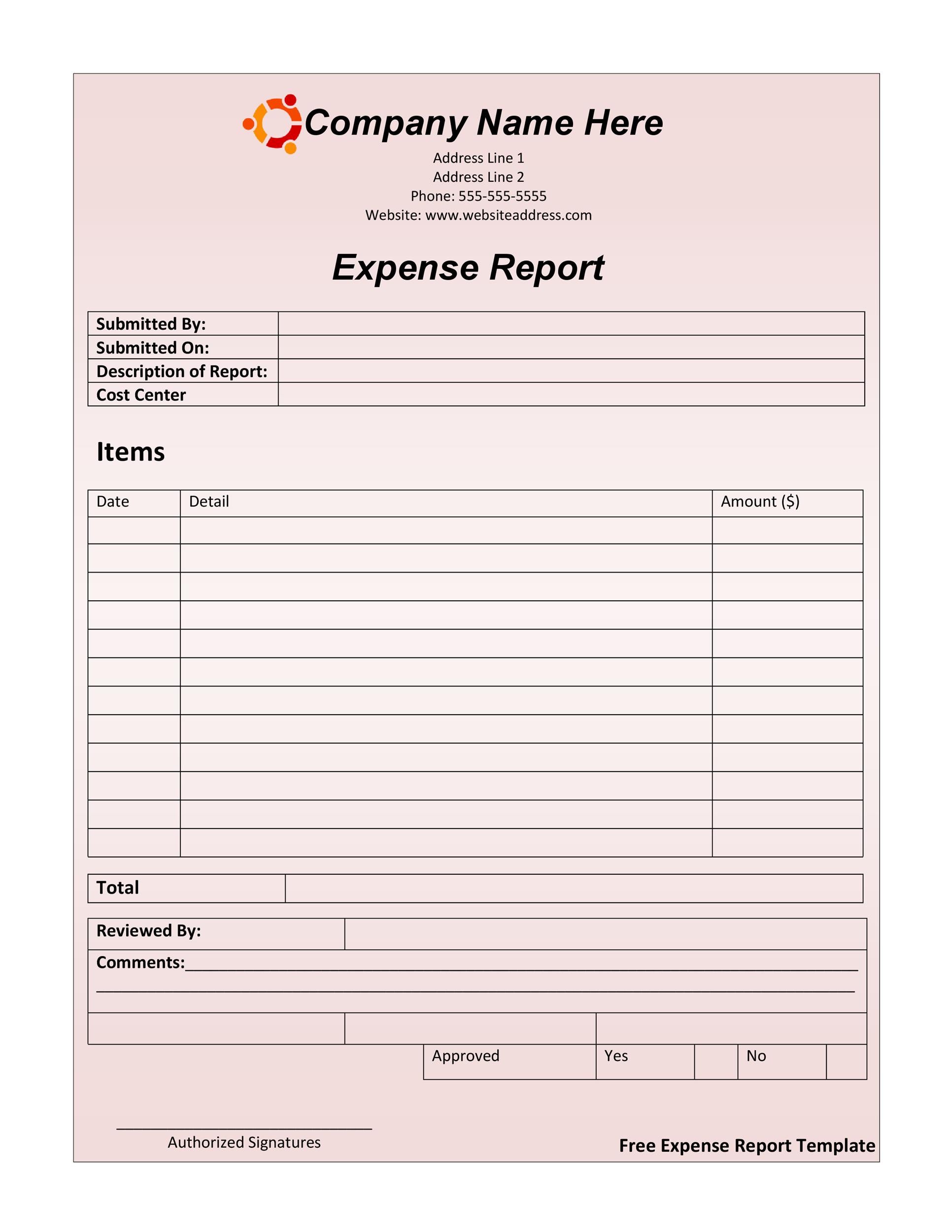
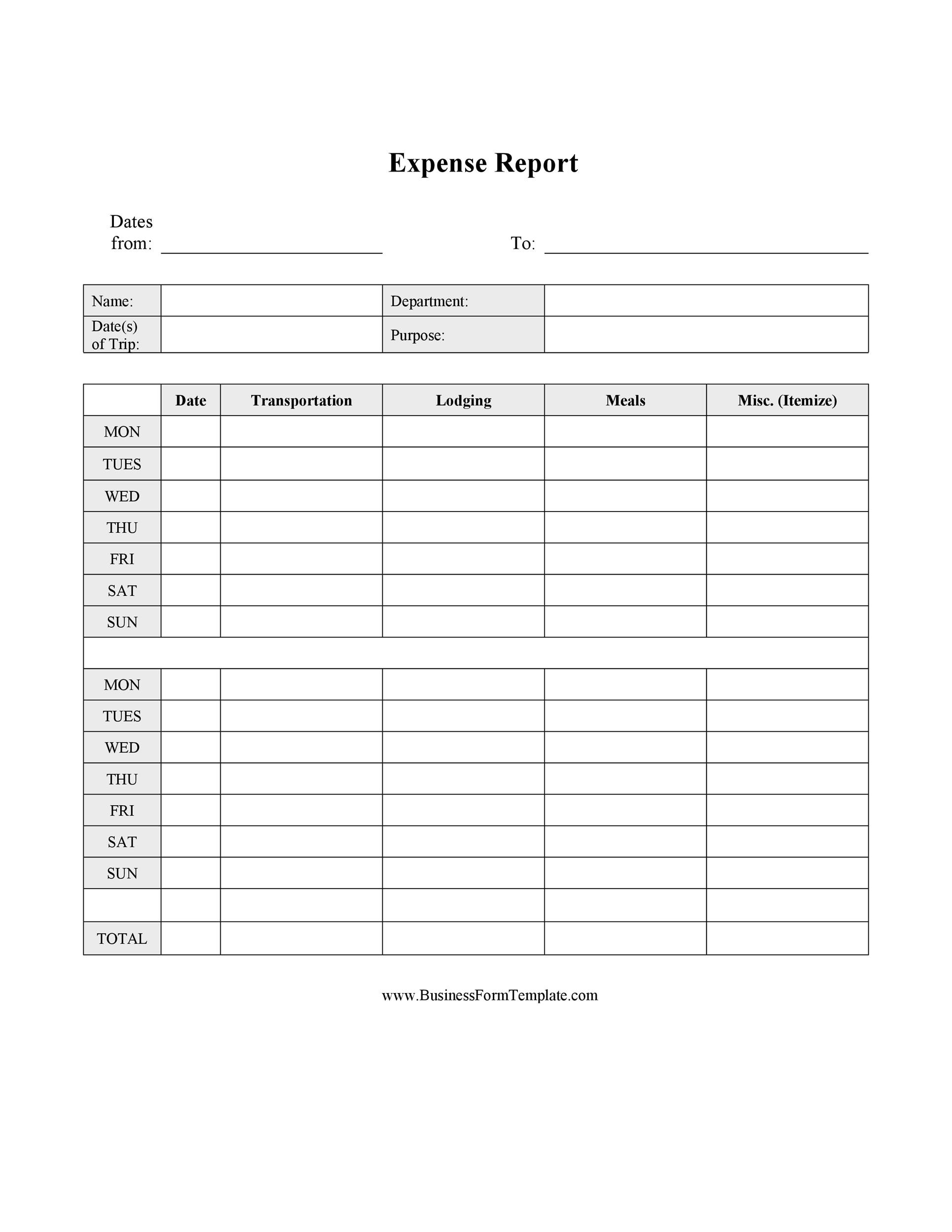
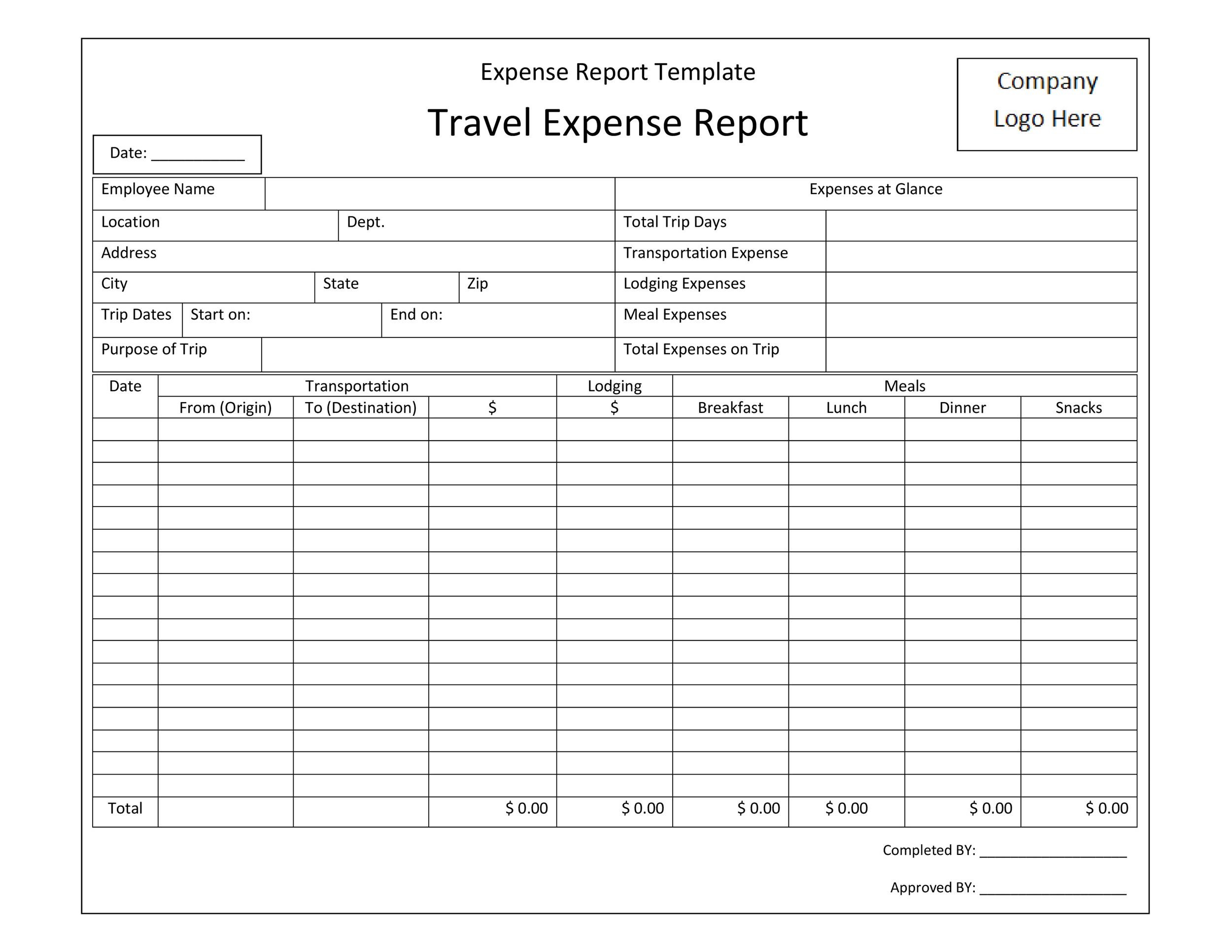
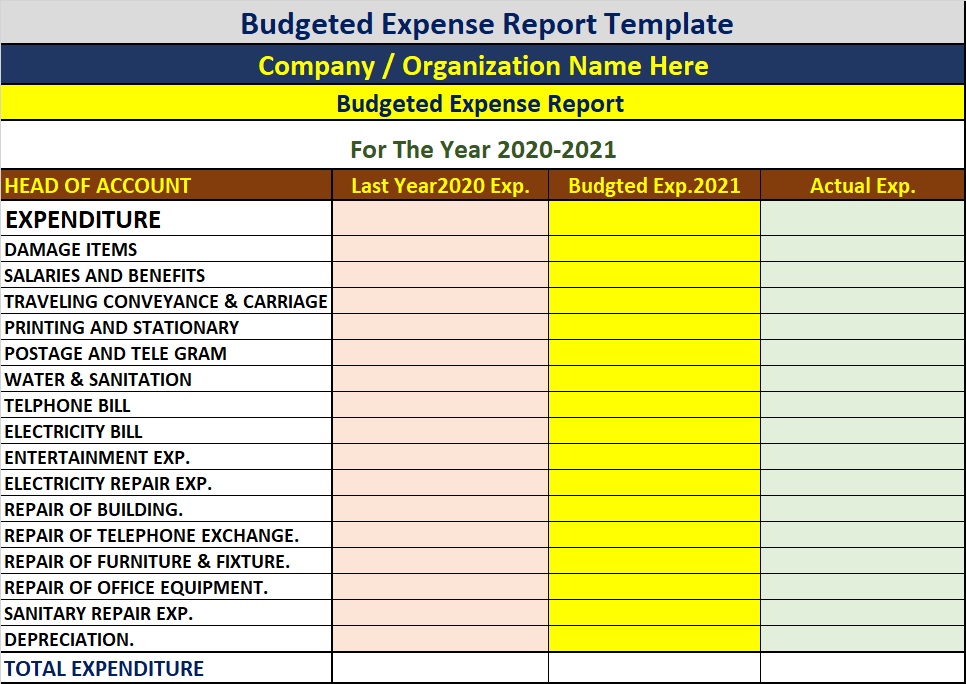
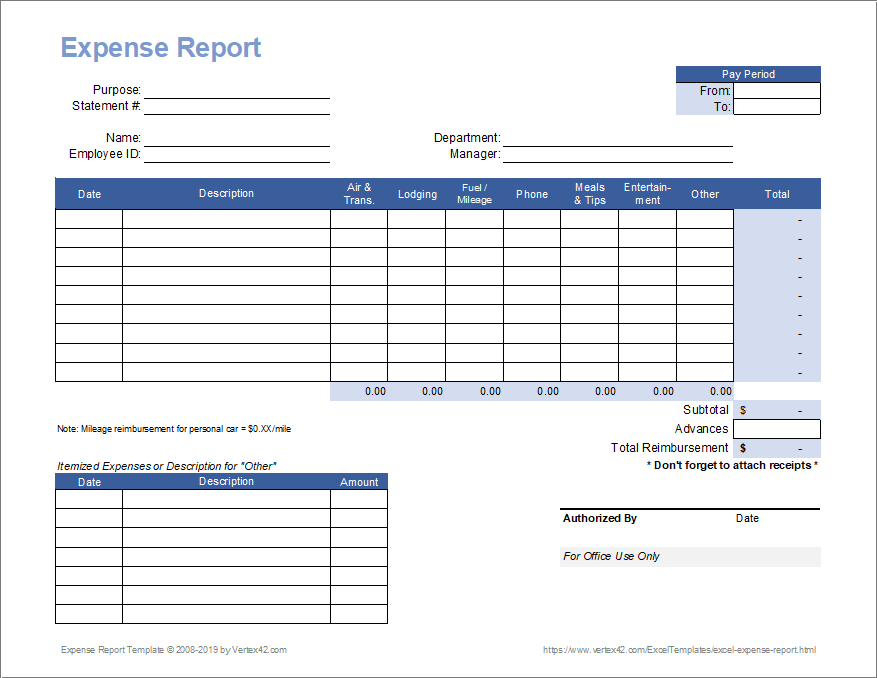
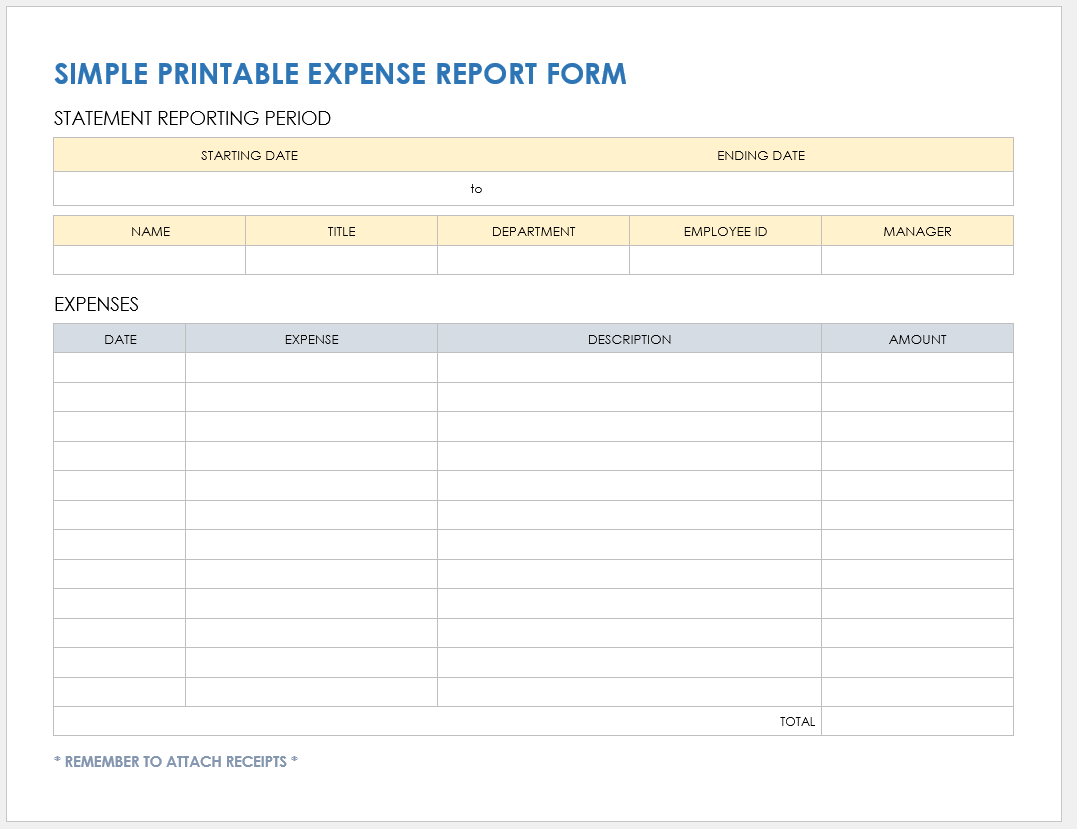
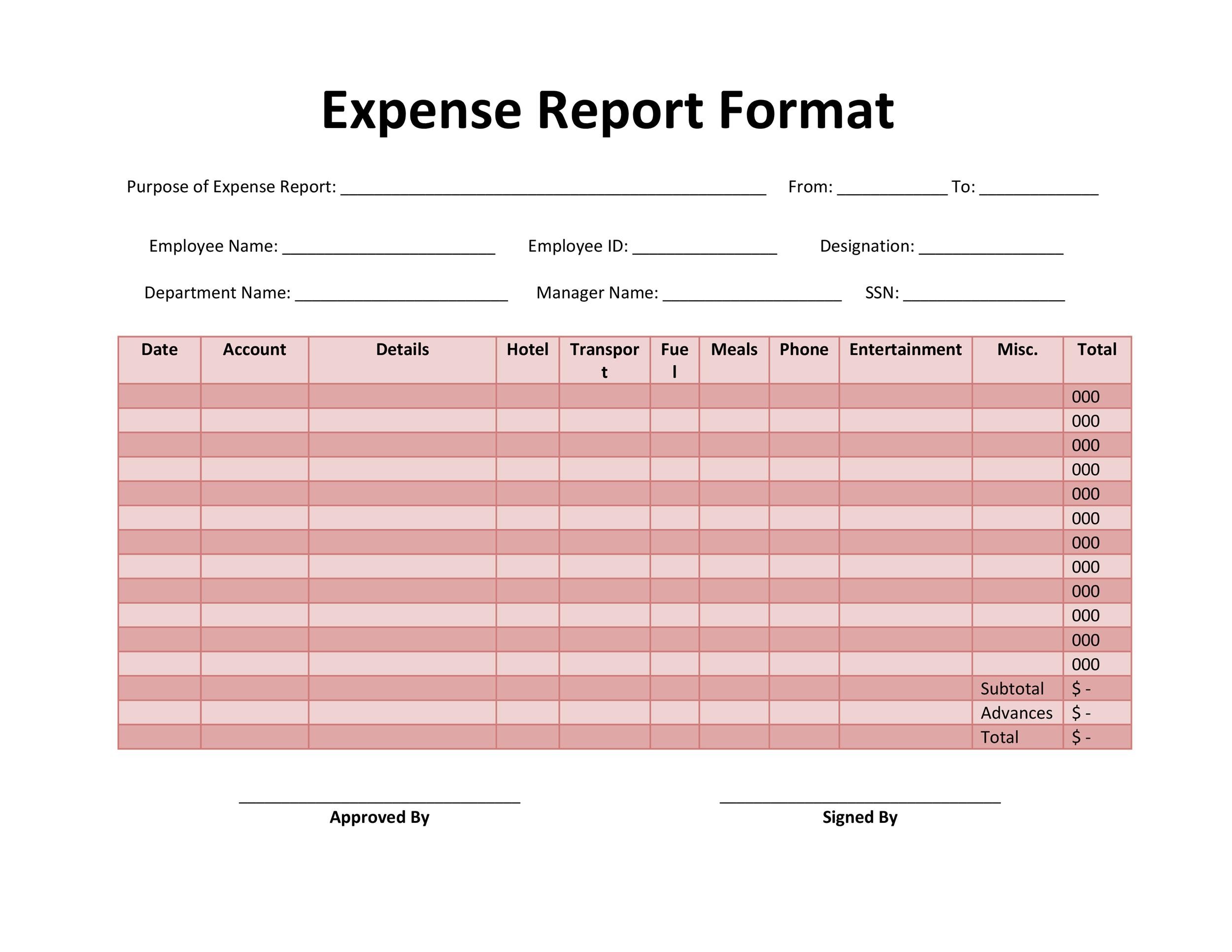
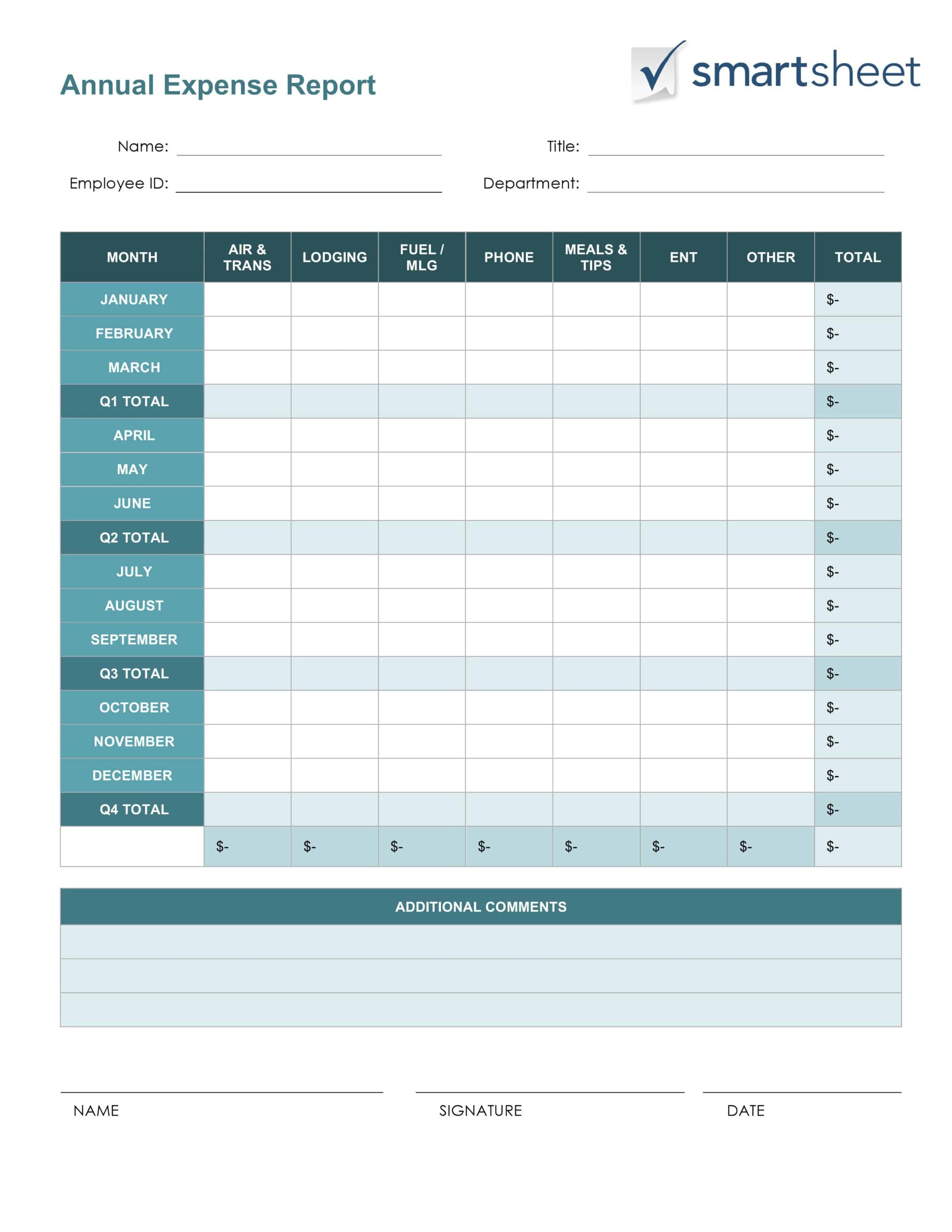
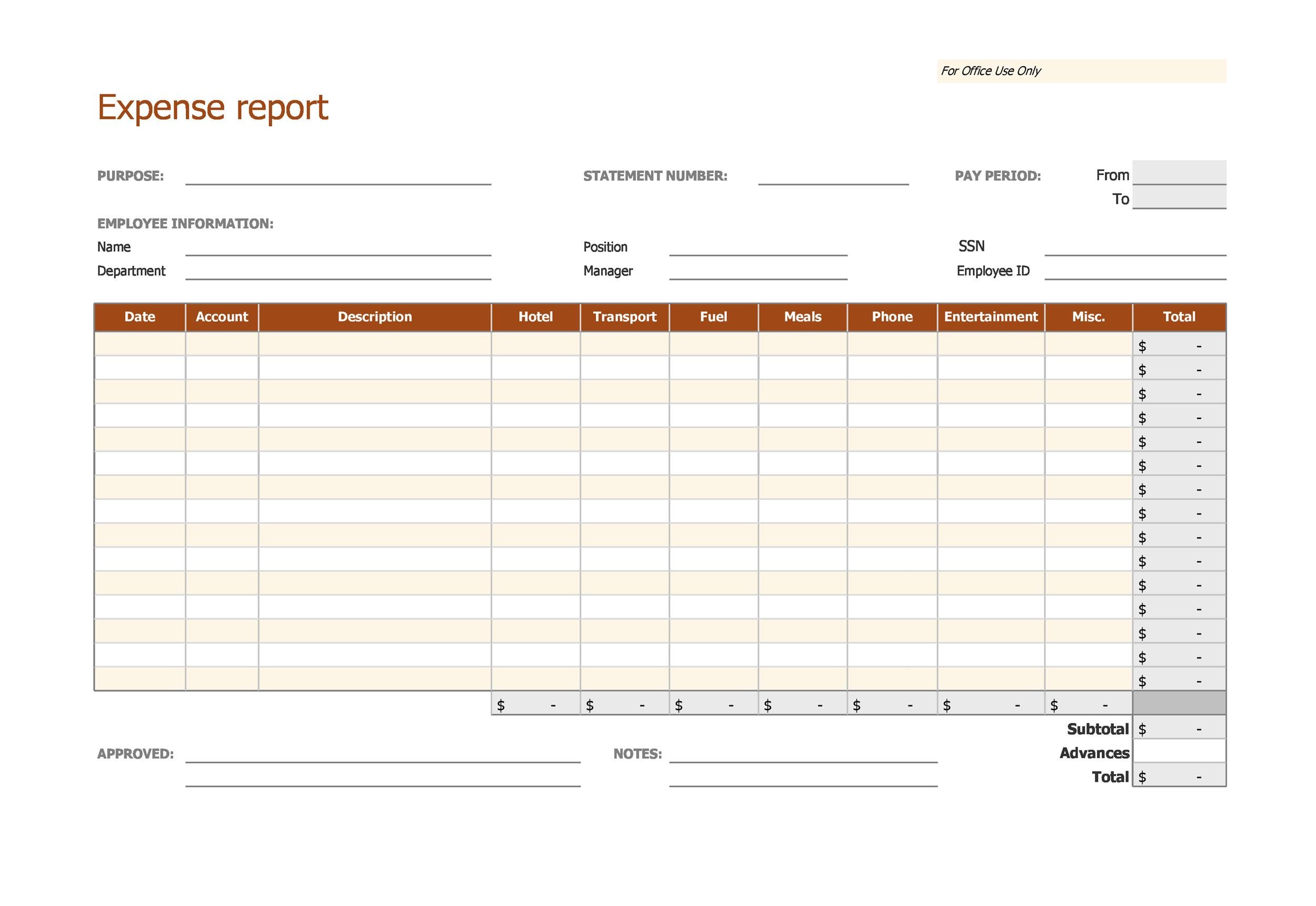
When creating an expense report, it is important to include the following information:
– Date of expense
– Description of expense
– Amount spent
– Category of expense (e.g., travel, meals, supplies)
– Receipts or supporting documentation
– Approval signatures
Including all these details ensures that the expense report is comprehensive, accurate, and compliant with company policies and tax regulations.
Examples
How to Create an Expense Report
Creating an expense report can be a straightforward process if you follow these steps:
1. Gather all receipts and supporting documentation for expenses incurred.
2. Open the expense report template provided by your company or use a software tool for creating expense reports.
3. Enter all the necessary information for each expense, including date, description, amount, and category.
4. Attach receipts or upload scanned copies for each expense.
5. Submit the expense report for approval by your manager or finance department.
6. Once approved, submit the report for reimbursement.
Tips for Optimizing Expense Reports
To streamline the expense reporting process and make it more efficient, consider the following tips:
– Use expense management software to automate the process and eliminate manual data entry.
– Set clear guidelines and policies for expense reporting to ensure consistency and compliance.
– Encourage employees to submit expense reports promptly to avoid delays in reimbursement.
– Conduct regular audits of expense reports to identify any discrepancies or fraudulent activities.
– Provide training and support to employees on how to create accurate and detailed expense reports.
By following these tips, businesses can improve their expense reporting process, reduce errors, and ensure compliance with financial regulations.
In conclusion, expense reports are a critical component of financial management for businesses. By understanding their importance, knowing what to include, how to create them effectively, and by implementing best practices, companies can streamline their expense reporting process and maintain accurate financial records.
Expense Report Template – Download
