Financial statements are crucial documents that provide a snapshot of a company’s financial performance. These reports are essential for investors, creditors, and other stakeholders to evaluate the financial health of a business.
In this comprehensive guide, we will delve into what, why, what to include, how to analyze, and tips for creating and understanding financial statements.
What are Financial Statements?
Financial statements are formal records of the financial activities and position of a business, person, or other entity. These documents provide information on the profitability, solvency, and liquidity of an organization. There are three main types of financial statements: – Income Statement- Balance Sheet- Cash Flow Statement
These statements are typically prepared on a quarterly and annual basis and are used by investors, creditors, and regulators to assess the financial performance of a company.
Why are Financial Statements Important?
Financial statements play a crucial role in providing transparency and accountability in the financial operations of a company. They help stakeholders make informed decisions about investing, lending, or doing business with an organization. Here are some key reasons why financial statements are important:
– Provide insights into a company’s financial performance
– Help in assessing the financial health and stability of a business
– Assist in making strategic decisions and planning for the future
– Ensure compliance with regulatory requirements and accounting standards
In essence, financial statements are the cornerstone of financial reporting and are essential for maintaining trust and credibility with stakeholders.
What to Include in Financial Statements
When preparing financial statements, there are key components that should be included to provide a comprehensive overview of a company’s financial position. Here are the main elements to include in financial statements:
– Income Statement: This statement shows the revenue, expenses, and net income of a company over a specific period.
– Balance Sheet: The balance sheet provides a snapshot of a company’s assets, liabilities, and equity at a specific point in time.
– Cash Flow Statement: This statement outlines the cash inflows and outflows of a company during a specific period.
Additionally, footnotes and disclosures should be included in financial statements to provide further details and explanations about the numbers presented.
Examples
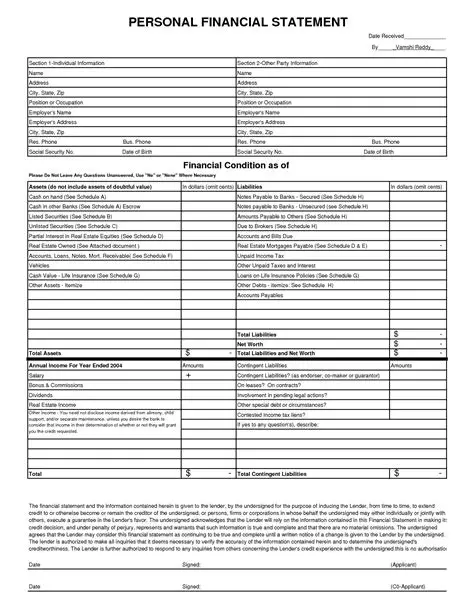
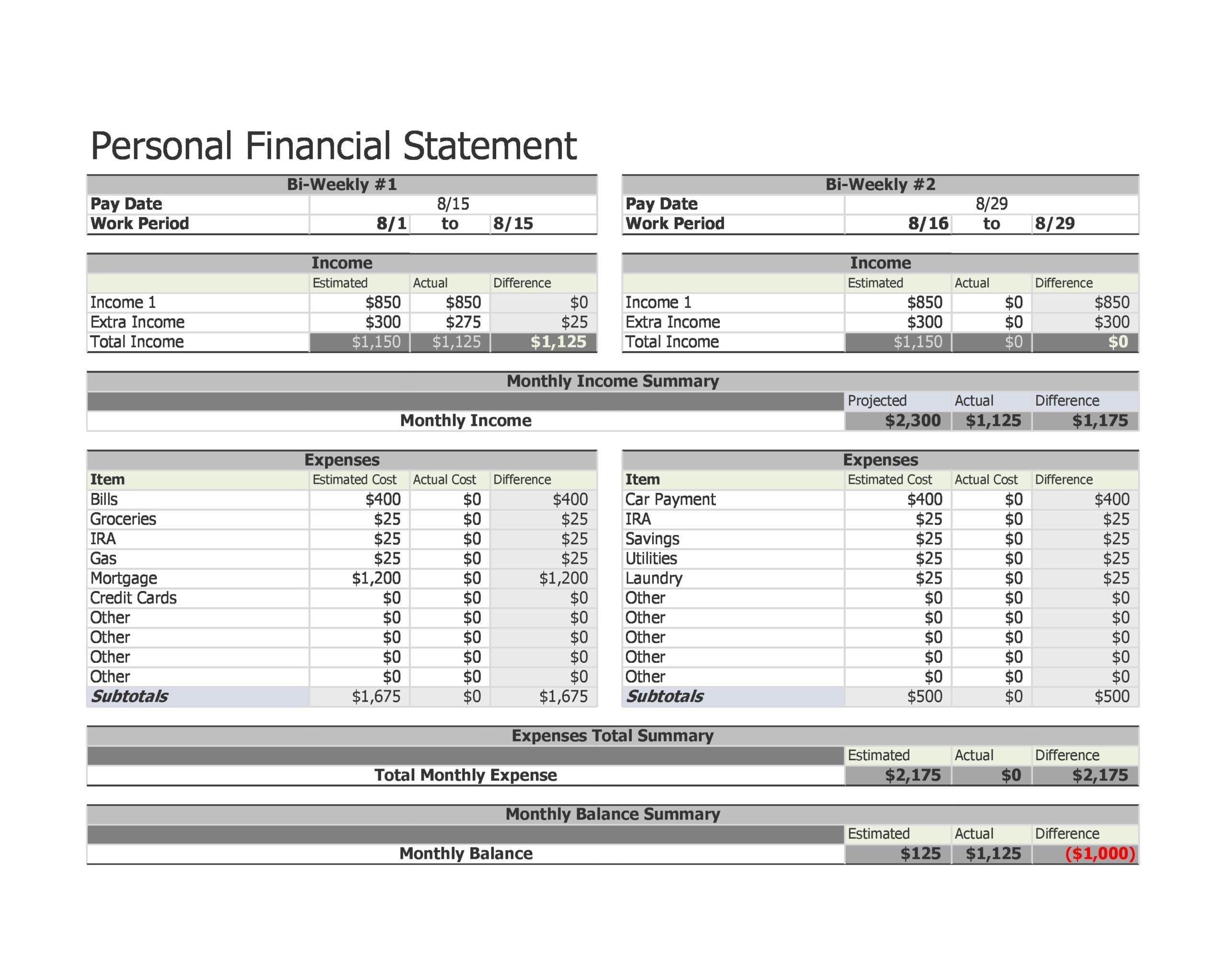
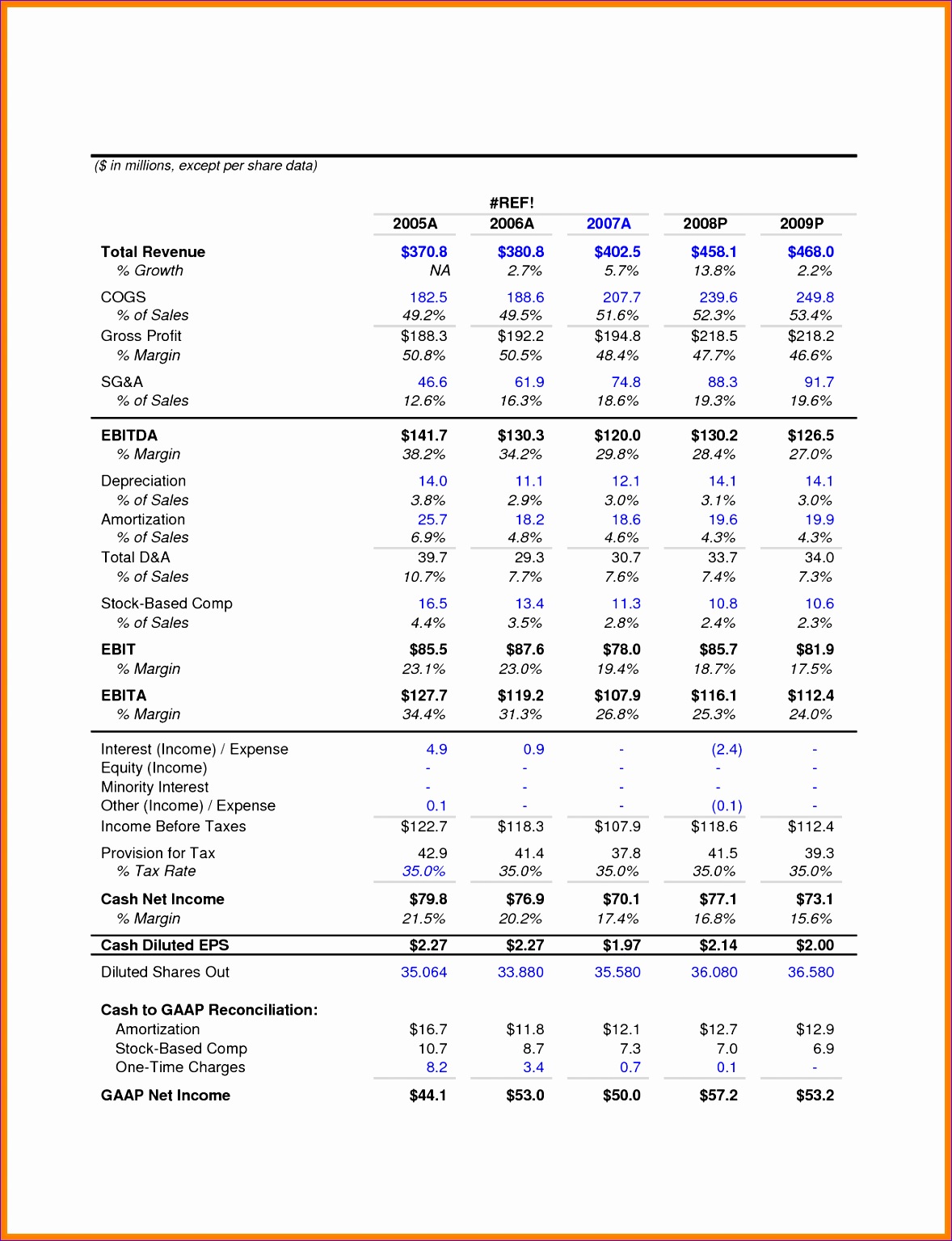
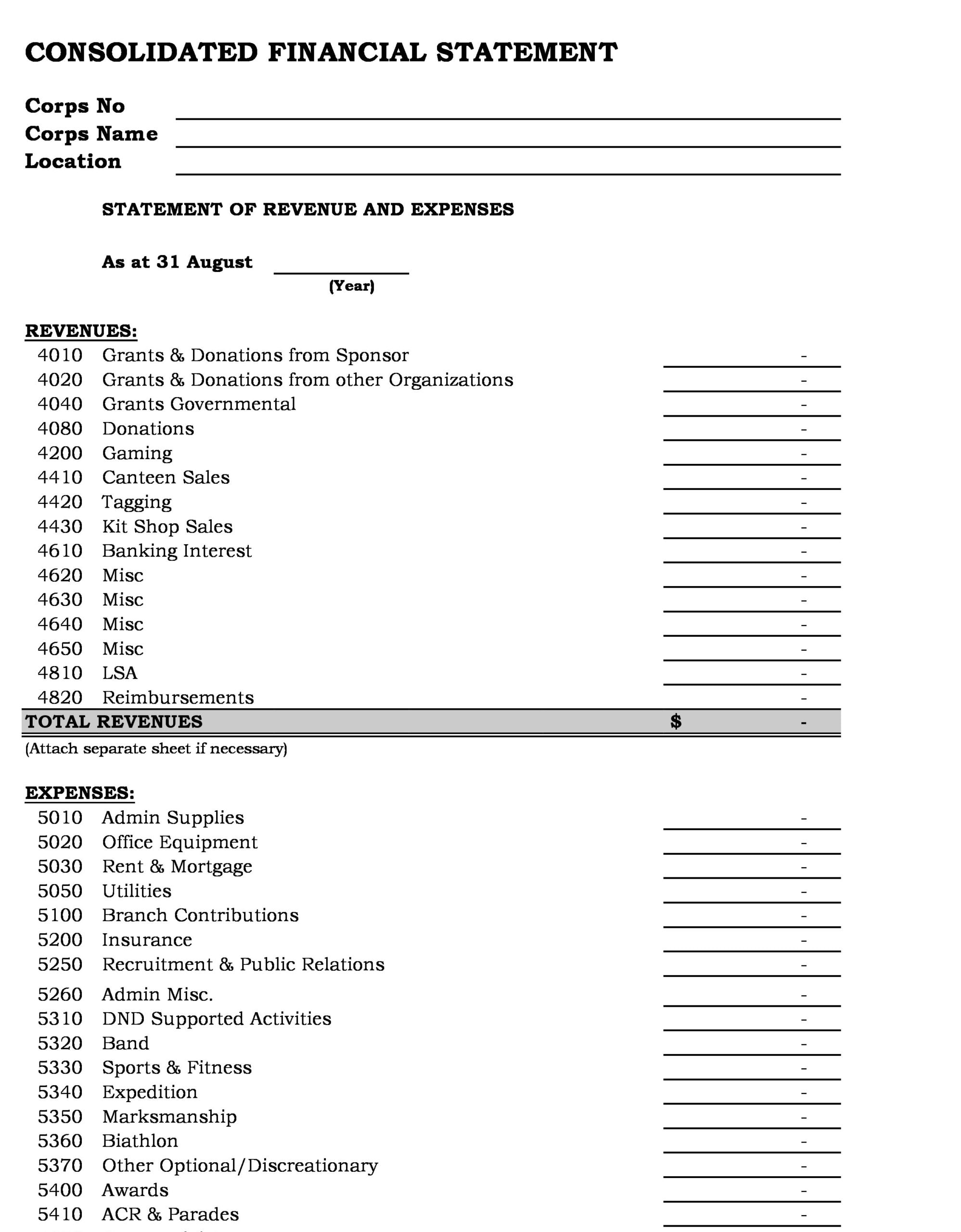
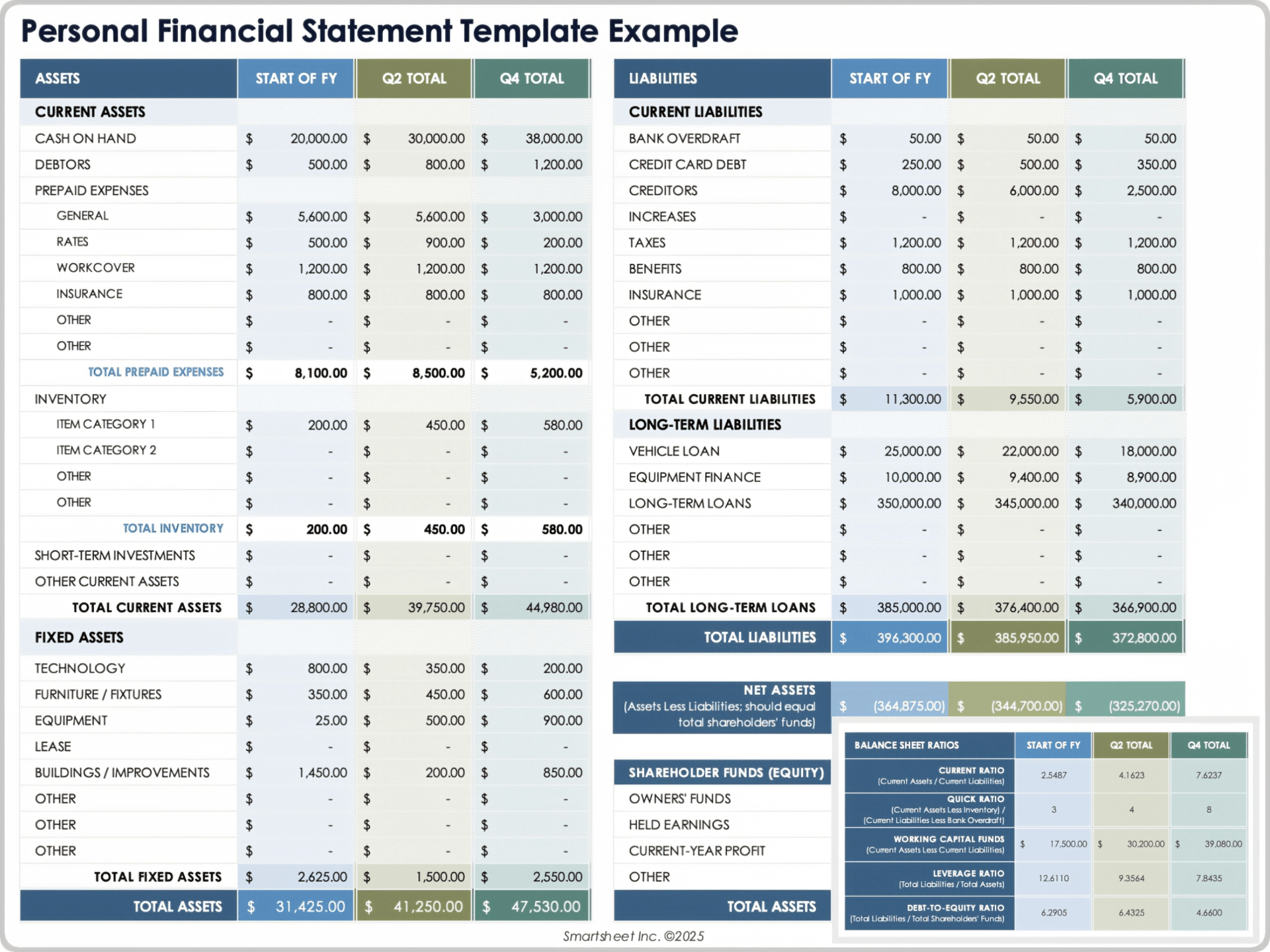
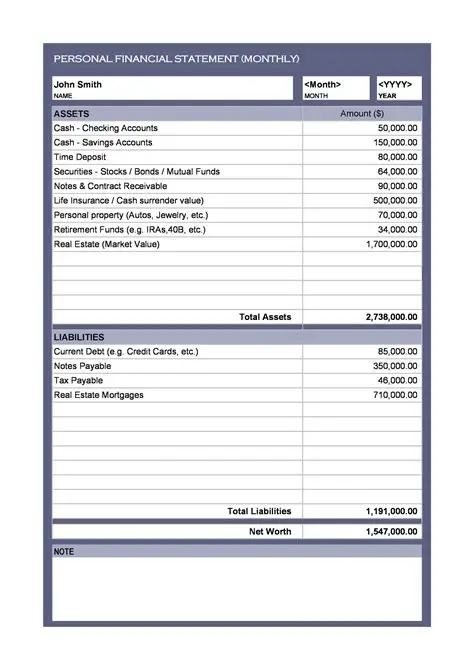

How to Analyze Financial Statements
Analyzing financial statements is essential for understanding a company’s financial performance and making informed decisions. Several key ratios and metrics can help in analyzing financial statements effectively:
– Profitability Ratios: These ratios assess a company’s ability to generate profits.
– Liquidity Ratios: These ratios measure a company’s ability to meet its short-term obligations.
– Solvency Ratios: These ratios evaluate a company’s long-term financial health and ability to meet its long-term obligations.
– Efficiency Ratios: These ratios analyze how effectively a company utilizes its assets to generate revenues.
By analyzing these ratios and metrics, investors and stakeholders can gain valuable insights into a company’s financial health and performance.
Tips for Creating and Understanding Financial Statements
Creating and understanding financial statements can be complex, but with the right approach, it can become more manageable. Here are some tips for creating and understanding financial statements:
– Use accounting software to streamline the financial reporting process.
– Ensure accuracy and consistency in financial data.- Seek professional help from accountants or financial advisors if needed.
– Stay updated on accounting standards and regulations to ensure compliance.
– Regularly review and analyze financial statements to track performance and make informed decisions.
By following these tips, you can enhance your financial reporting process and gain a deeper understanding of your company’s financial position.
In conclusion, financial statements are indispensable tools for assessing the financial health and performance of a business. By understanding what financial statements are, why they are important, what to include, how to analyze them, and following the tips provided, you can effectively create and interpret financial statements to make informed decisions and drive business success.
