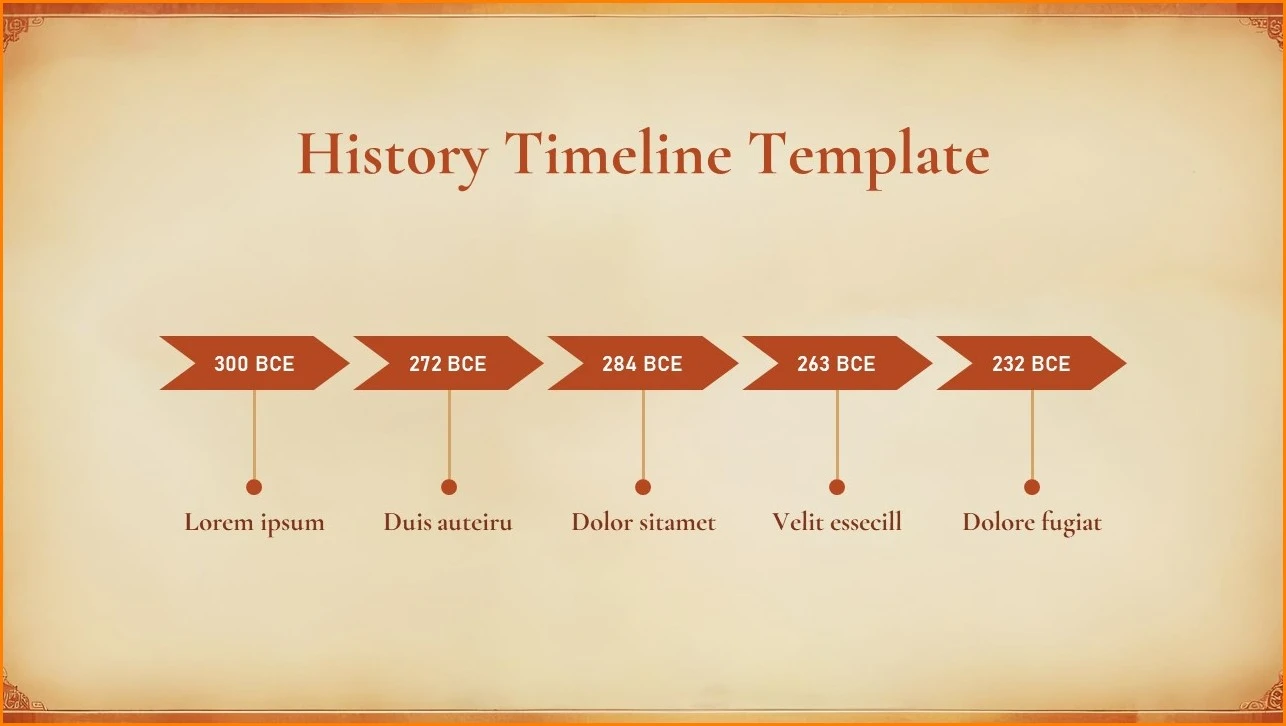
The concept of a history timeline is a powerful tool that allows us to visualize the chronological sequence of events that have shaped our world. From ancient civilizations to modern-day developments, timelines offer a structured way to understand the past and how it has influenced the present.
In this article, we will delve deep into the world of history timelines, exploring their significance, how to create them, and tips for making the most out of this historical resource.
What is a History Timeline?
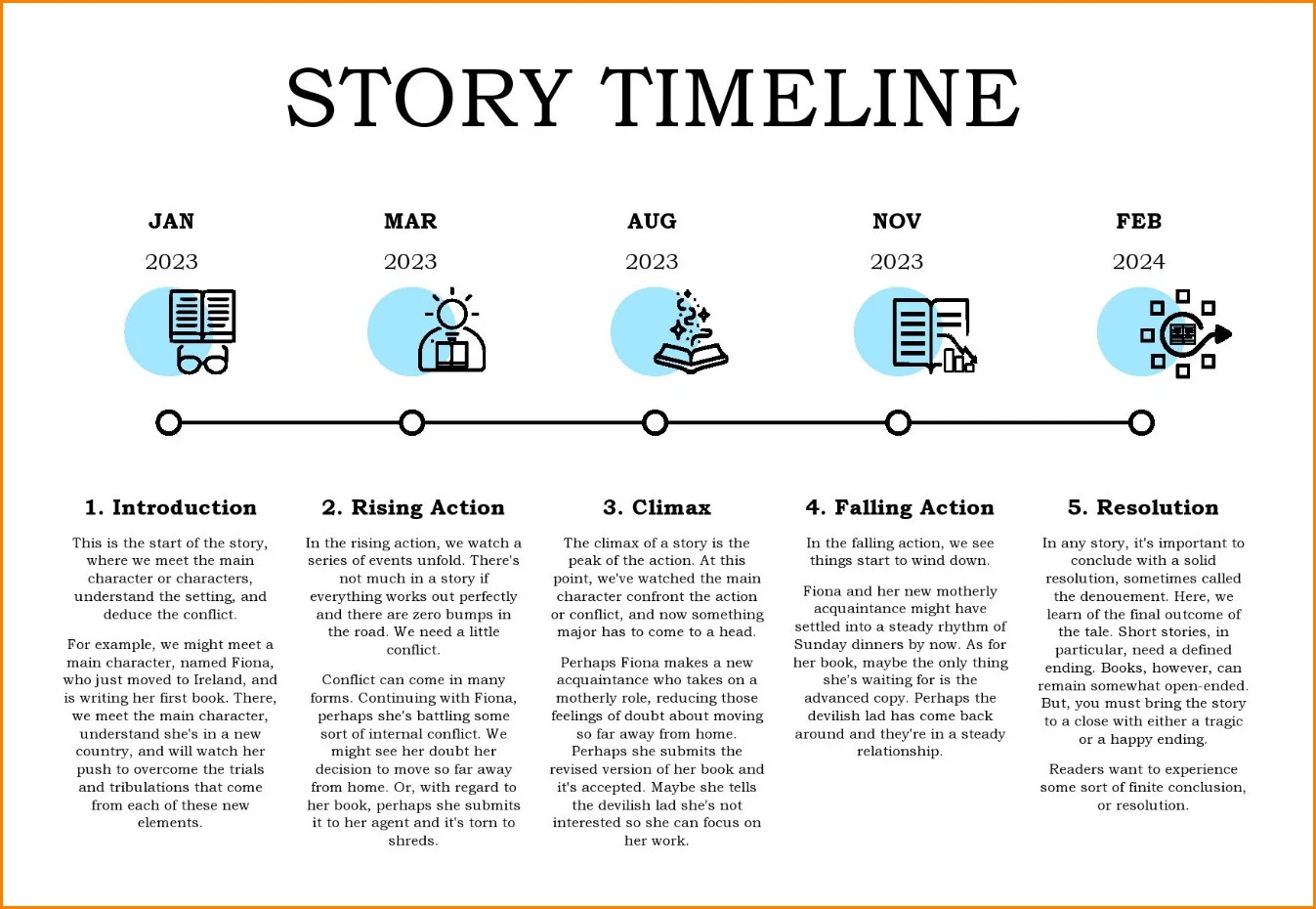
A history timeline is a visual representation of events arranged in chronological order. It serves as a valuable tool for organizing historical information clearly and concisely. By presenting events along a linear scale, timelines help us better understand the sequence of events and the relationships between them. Whether it’s a timeline of a specific era, a historical figure, or a major event, timelines provide a structured overview of history.
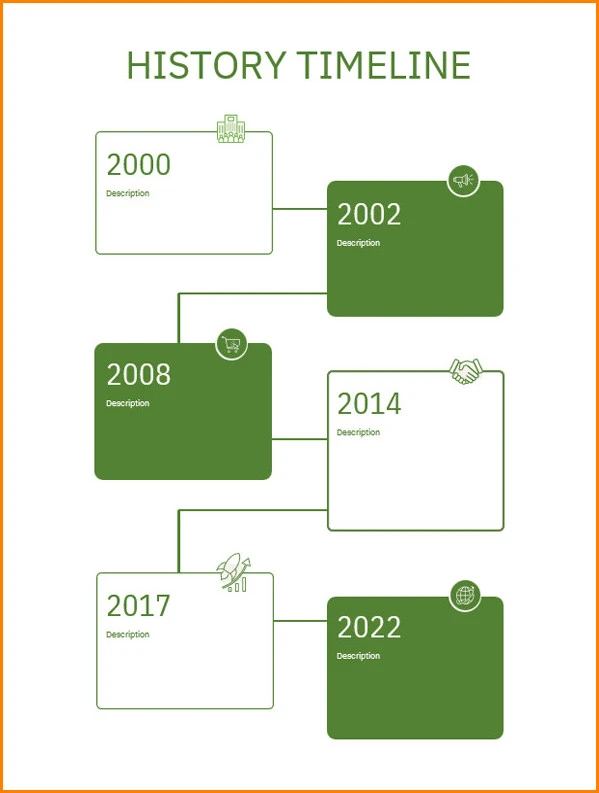
Creating a history timeline involves researching events, organizing them in chronological order, and presenting them in a visually appealing format. Timelines can take various forms, such as linear timelines, interactive timelines, or vertical timelines, depending on the purpose and complexity of the historical data being presented.
Why Use History Timelines?
History timelines offer several benefits for students, educators, researchers, and history enthusiasts. Here are some reasons why history timelines are valuable tools for understanding the past:
- Visual Aid: Timelines provide a visual representation of historical events, making it easier to grasp the sequence of events and their significance.
- Organizational Tool: Timelines help organize historical information in a structured manner, making it easier to analyze and study.
- Contextual Understanding: By placing events in chronological order, timelines offer a broader context for understanding historical developments and their impact.
- Comparative Analysis: Timelines allow for comparing events across different time periods, regions, or subjects to identify patterns and trends.
- Engaging Learning Tool: Timelines make history more interactive and engaging, enhancing learning experiences for students of all ages.
What to Include in a History Timeline
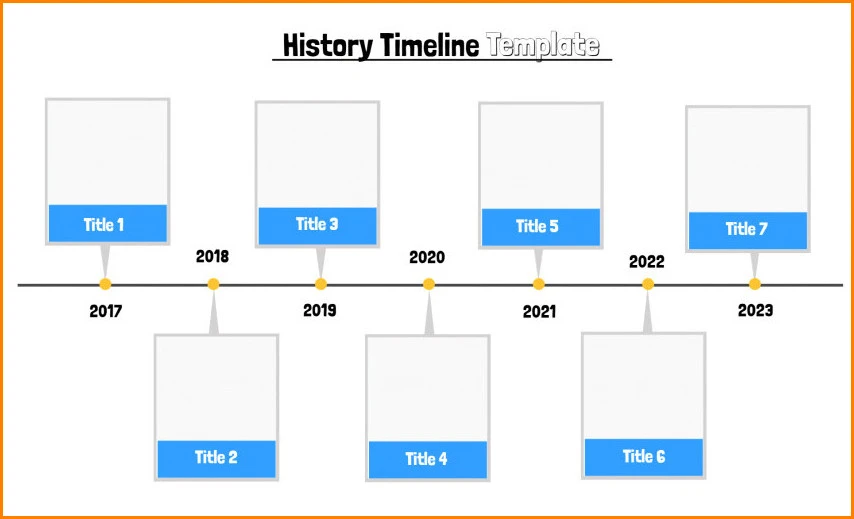
When creating a history timeline, it is essential to include the following elements to ensure a comprehensive and informative representation of historical events:
- Key Events: Identify the most significant events related to the topic or period you are covering.
- Dates: Provide specific dates for each event to establish a clear chronological order.
- Descriptions: Include brief descriptions or explanations of each event to provide context and background information.
- Images: Incorporate relevant images, maps, or illustrations to enhance visual appeal and aid in understanding.
- Sources: Cite your sources to ensure accuracy and credibility of the information presented in the timeline.
How to Create a History Timeline
Creating a history timeline involves several steps, from research and organization to design and presentation. Here is a step-by-step guide on how to create a history timeline:
1. Research: Gather relevant information on the topic or period you want to cover in your timeline.
2. Organize: Arrange events in chronological order and determine the timeline’s structure (linear, vertical, interactive, etc.).
3. Design: Choose a format or tool for creating your timeline, such as digital software, online platforms, or traditional poster boards.
4. Presentation: Add dates, event descriptions, images, and sources to your timeline to provide a comprehensive overview.
5. Review: Double-check your timeline for accuracy, clarity, and completeness before sharing it with others.
Tips for Making the Most out of History Timelines
To maximize the effectiveness of history timelines, consider the following tips:
- Focus on Key Events: Highlight the most important events to provide a clear narrative of historical developments.
- Use Visual Elements: Incorporate images, colors, and symbols to make your timeline visually appealing and easy to follow.
- Keep it Concise: Avoid overcrowding your timeline with too much information; focus on key points to maintain clarity.
- Update Regularly: As new information or events emerge, update your timeline to reflect the latest historical developments.
- Share and Collaborate: Share your timeline with others and collaborate on timelines to gain diverse perspectives and insights.
In conclusion, history timelines are powerful tools that offer a structured way to explore the past, understand historical developments, and gain insights into the complexities of our world. By creating and utilizing historical timelines effectively, we can enhance our knowledge of history and appreciate the interconnectedness of events that have shaped our society. Start creating your own history timeline today and embark on a fascinating journey through time.
History Timeline Template – Free Download
