Project timelines are essential tools for keeping track of tasks, deadlines, and progress in any project. A simple project timeline can help you stay organized, set clear expectations, and ensure that your project stays on track. In this guide, we will explore the key elements of a simple project timeline, why they are important, and how you can create one for your next project.
What is a Simple Project Timeline?
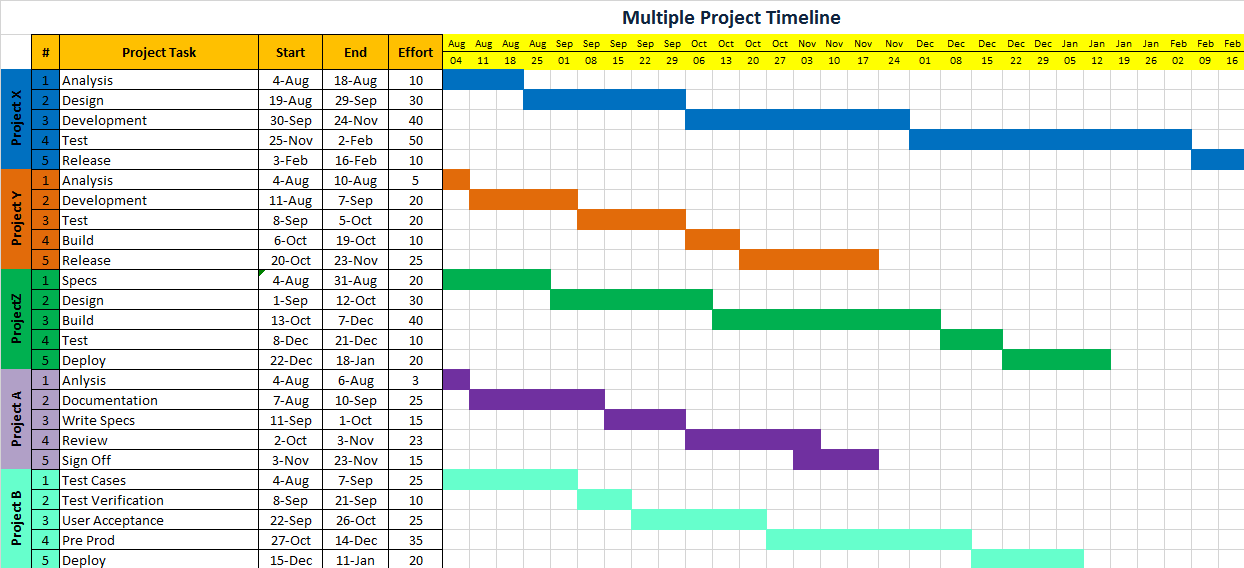
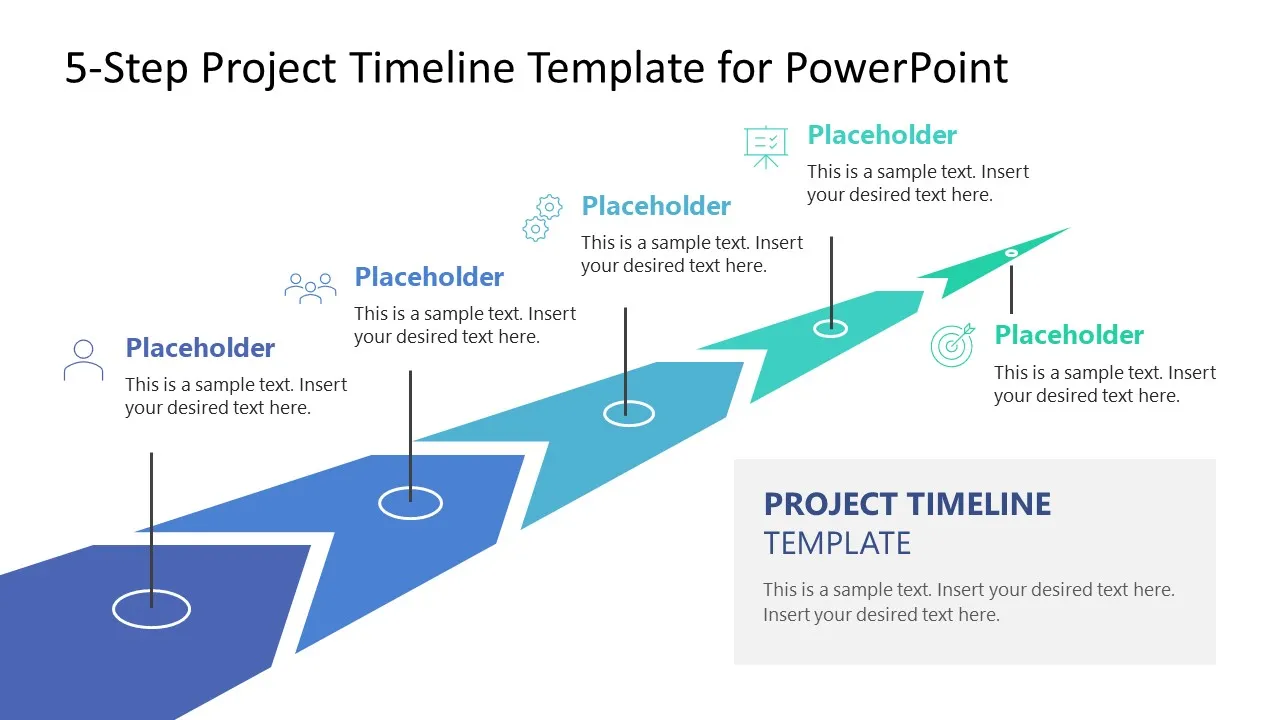
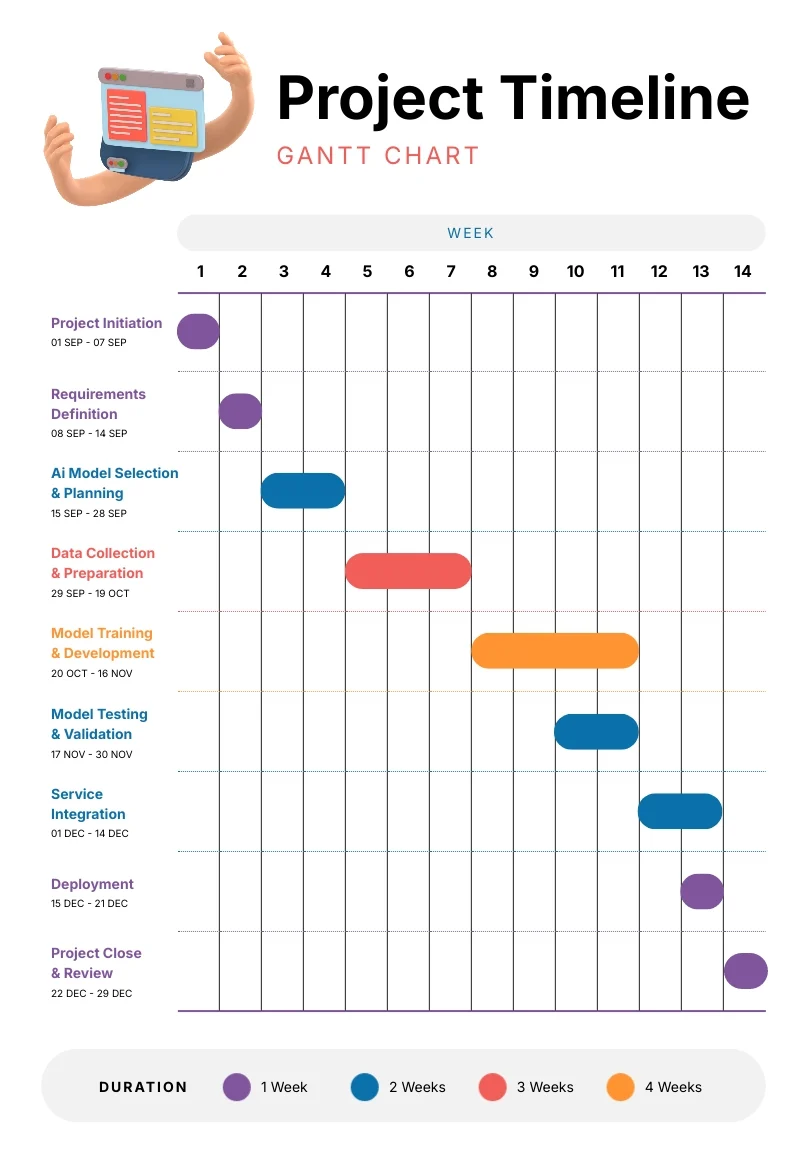
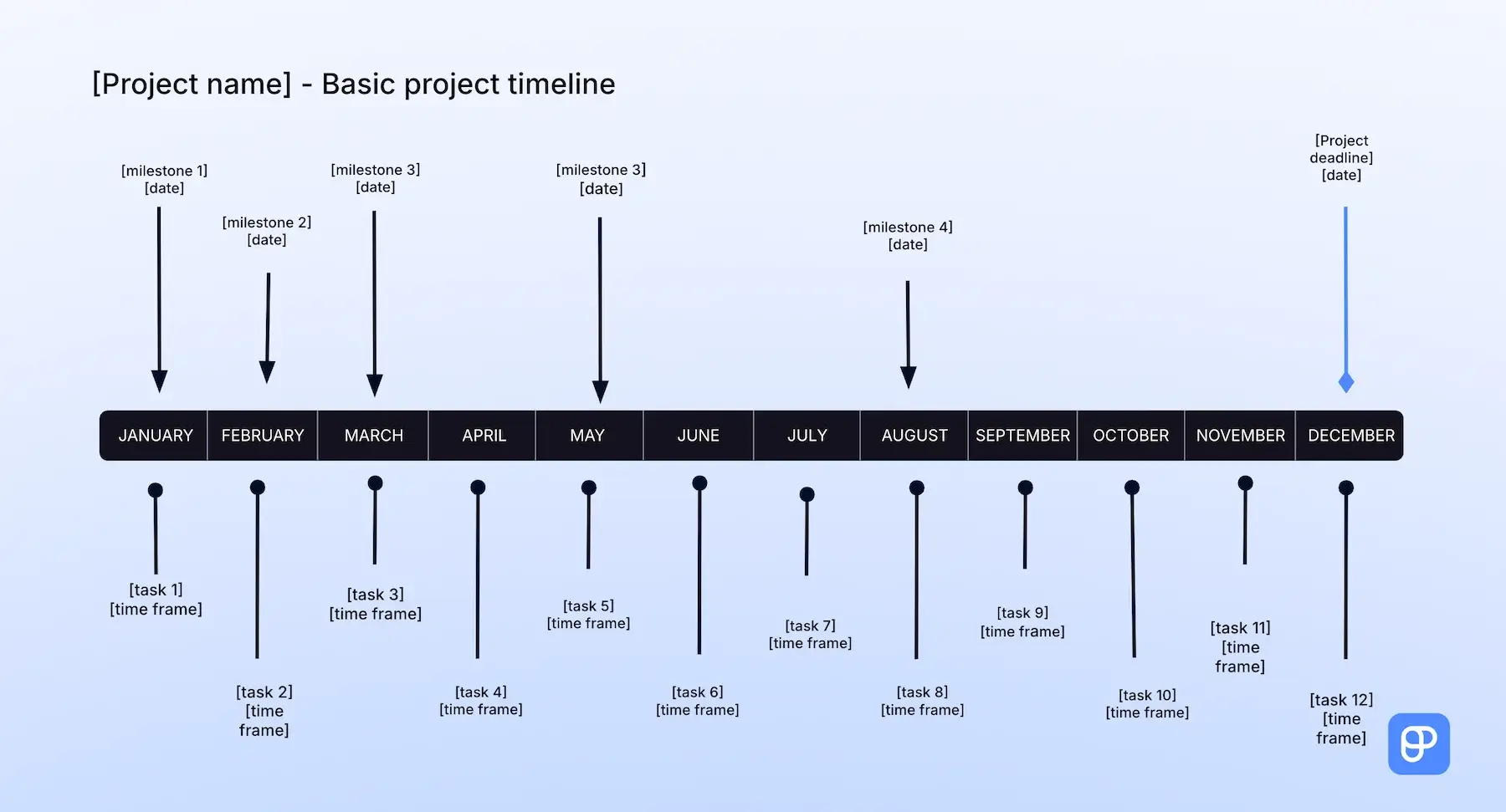
A simple project timeline is a visual representation of the sequence of tasks, milestones, and deadlines for a project. It outlines the start and end dates for each task, as well as any dependencies between tasks. Project timelines can be created using various tools, such as Gantt charts, Excel spreadsheets, or project management software.
Why Use a Simple Project Timeline?
There are several benefits to using a simple project timeline for your projects. First and foremost, it helps you and your team stay organized and focused on the tasks at hand. By clearly outlining the sequence of tasks and deadlines, a project timeline reduces the risk of missed deadlines and helps prevent scope creep.
Additionally, project timelines provide a visual representation of the project’s progress, making it easier to track milestones and identify any bottlenecks or delays. This visibility allows you to make informed decisions and adjustments to keep the project on track.
Key Elements of a Simple Project Timeline
When creating a simple project timeline, there are several key elements to include:
- Tasks: List all the tasks that need to be completed for the project.
- Start and End Dates: Assign start and end dates to each task.
- Dependencies: Identify any dependencies between tasks, where one task cannot start until another is completed.
- Milestones: Highlight key milestones or deliverables throughout the project.
- Resources: Assign team members or resources to each task.
- Progress Tracking: Update the timeline regularly to track progress and adjust deadlines as needed.
Examples
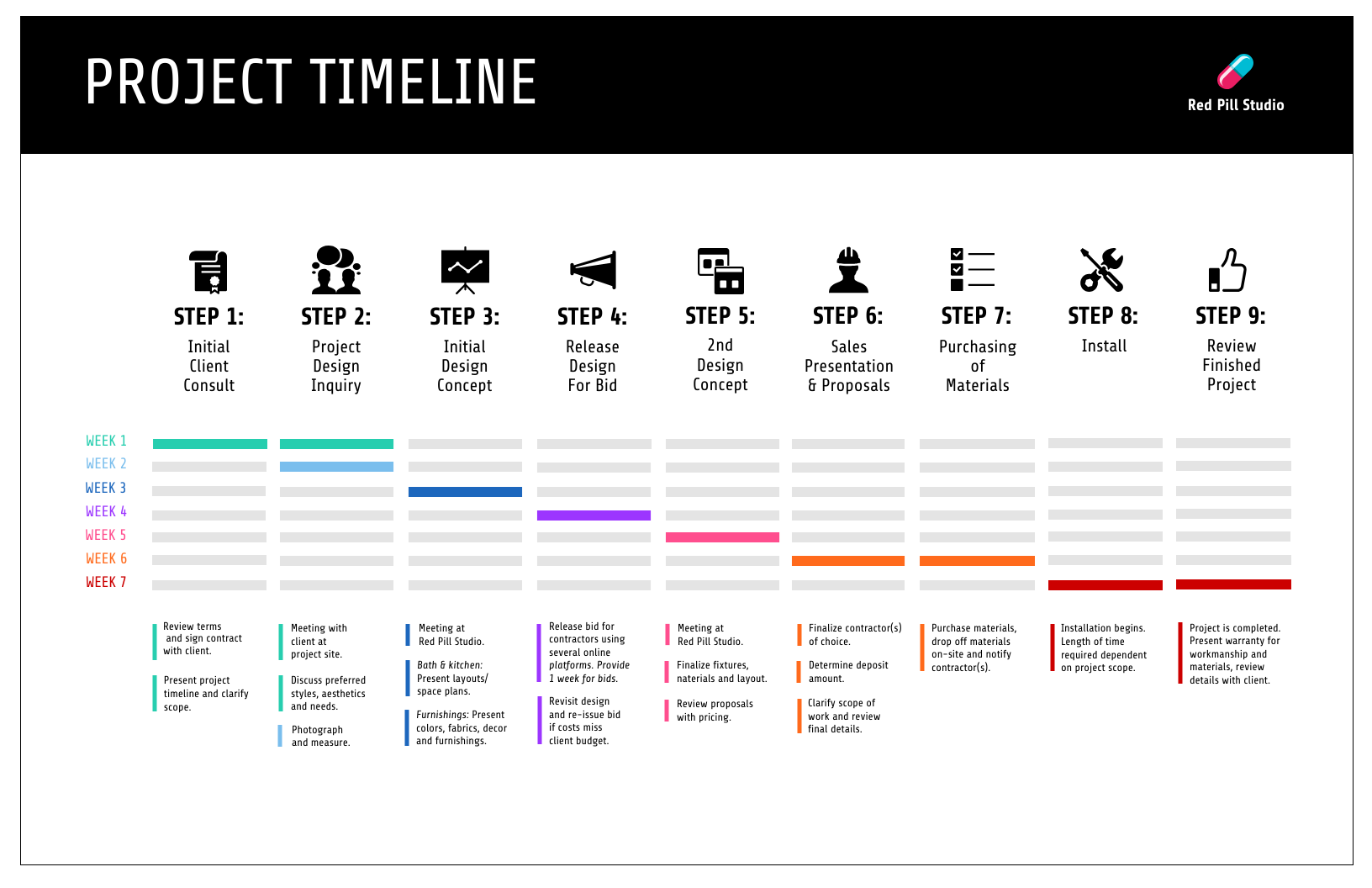
How to Create a Simple Project Timeline
Creating a simple project timeline involves the following steps:
1. Define the Project Scope
Start by clearly defining the project scope, objectives, and deliverables. This will help you determine the tasks that need to be included in the timeline.
2. Identify Tasks and Dependencies
List all the tasks required to complete the project and identify any dependencies between tasks. This will help you sequence the tasks in the timeline.
3. Assign Start and End Dates
Assign start and end dates to each task based on their duration and dependencies. Be realistic about the time needed to complete each task.
4. Add Milestones
Highlight key milestones or deliverables in the timeline to track progress and celebrate achievements throughout the project.
5. Assign Resources
Assign team members or resources to each task to ensure accountability and clarity on who is responsible for each task.
6. Monitor Progress
Regularly update the timeline to track progress, adjust deadlines as needed, and communicate any changes to the team.
7. Review and Adjust
Regularly review the project timeline, identify any bottlenecks or delays, and make adjustments to keep the project on track.
Tips for Successful Project Timelines
Here are some tips to help you create successful project timelines:
- Communicate Clearly: Ensure that all team members understand the timeline, deadlines, and expectations.
- Set Realistic Deadlines: Be realistic about the time needed to complete each task and factor in any potential delays.
- Update Regularly: Regularly update the timeline to track progress and make adjustments as needed.
- Collaborate with the Team: Involve team members in creating the timeline to ensure buy-in and accountability.
- Use Project Management Software: Consider using project management software to create and track project timelines more efficiently.
- Celebrate Milestones: Recognize and celebrate key milestones to keep the team motivated and engaged.
- Be Flexible: Be prepared to make adjustments to the timeline as needed to accommodate changes or unexpected obstacles.
By following these tips and best practices, you can create a simple project timeline that helps you stay organized, focused, and on track to successfully complete your projects.
