Have you ever found yourself overwhelmed by the number of issues that arise during a project? Do you struggle to keep track of them all and ensure they are resolved in a timely manner? If so, then an issue log may be the solution you need. In this comprehensive guide, we will explore what an issue log is, why it is important, what to include in an issue log, how to effectively use one, and tips for successful issue management. By the end of this article, you will have a clear understanding of how to utilize an issue log to streamline your project management processes.
What is an Issue Log?
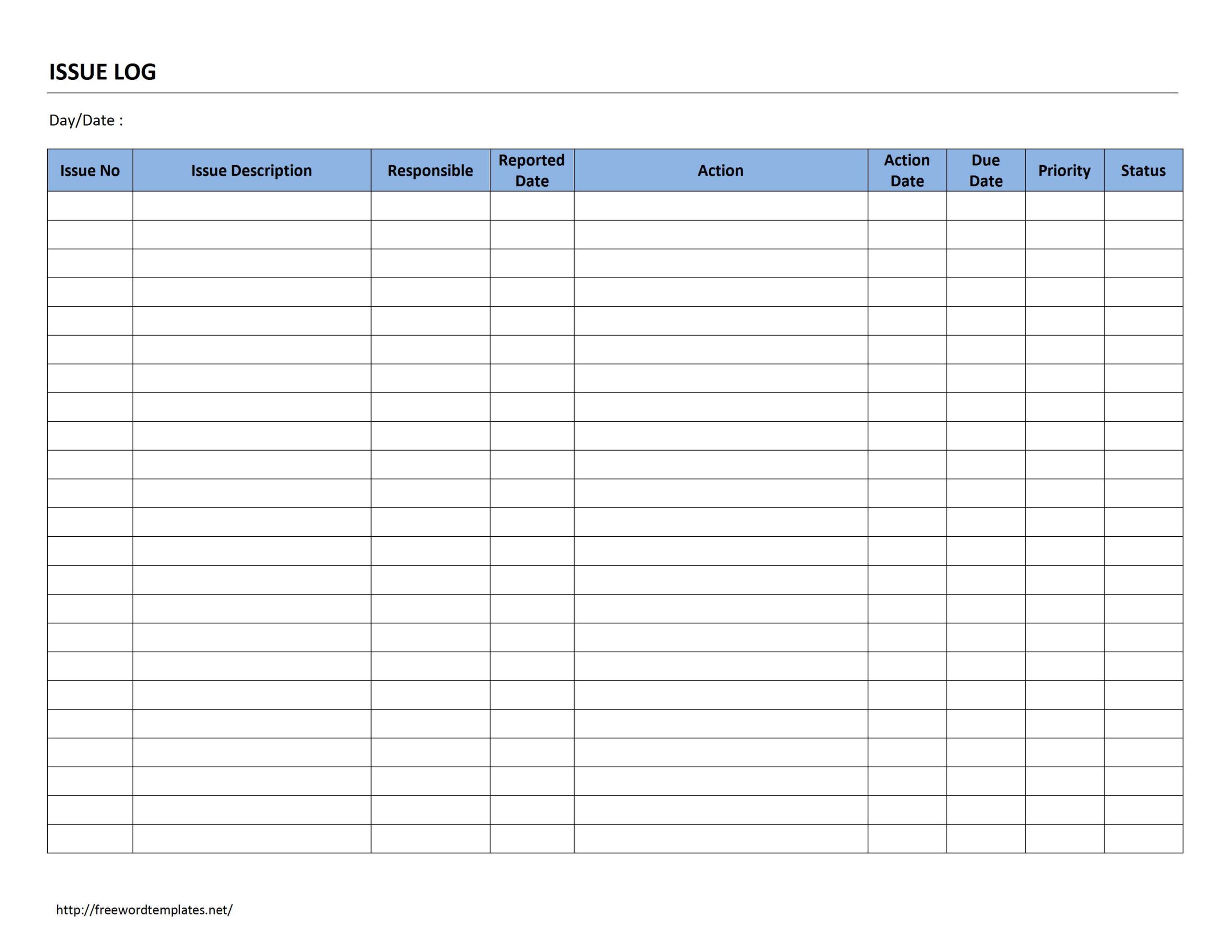
An issue log, also known as an issue tracker or an issue register, is a document or tool used to track and manage all the issues that arise during a project. These issues can range from minor hiccups to major roadblocks that impact the project’s progress. By maintaining an issue log, project managers can keep a record of all issues, track their status, assign responsibility for resolution, and ensure that they are addressed in a timely manner.
Why Use an Issue Log?
There are several reasons why using an issue log is vital for effective project management. Firstly, an issue log provides visibility into the challenges and obstacles that the project team is facing. This transparency allows stakeholders to understand the current state of the project and take necessary actions to address issues. Additionally, an issue log helps in prioritizing problems based on their severity and impact on the project’s timeline and budget. By addressing critical issues first, project managers can mitigate risks and prevent further delays.
What to Include in an Issue Log
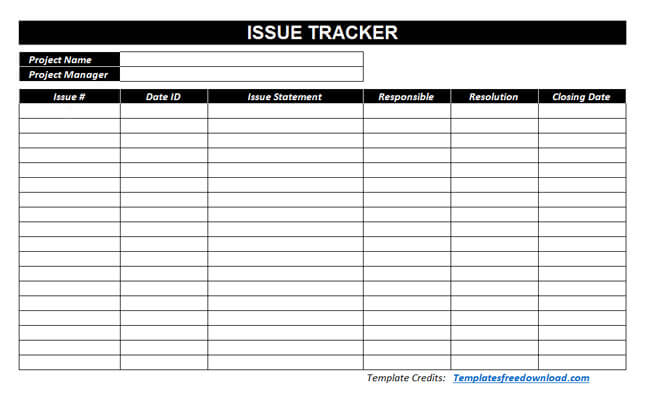
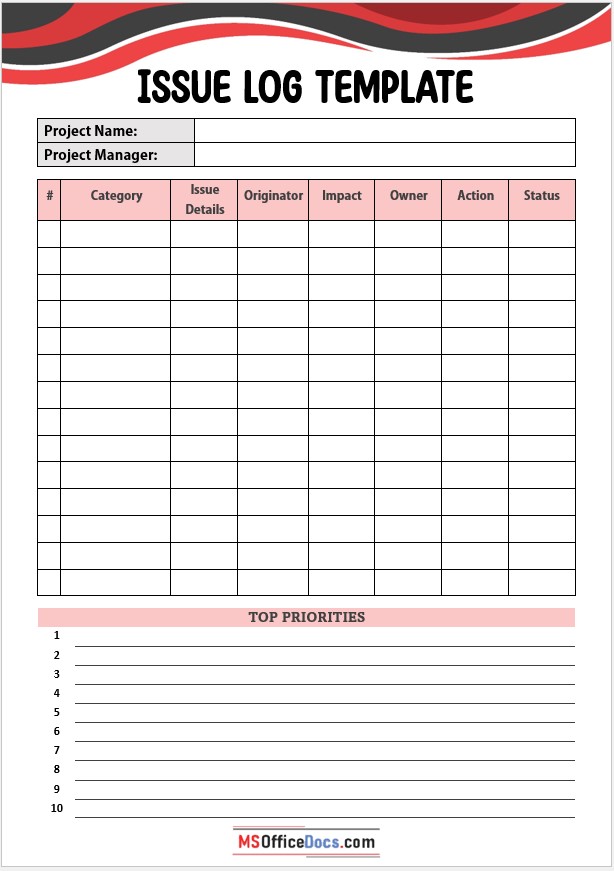
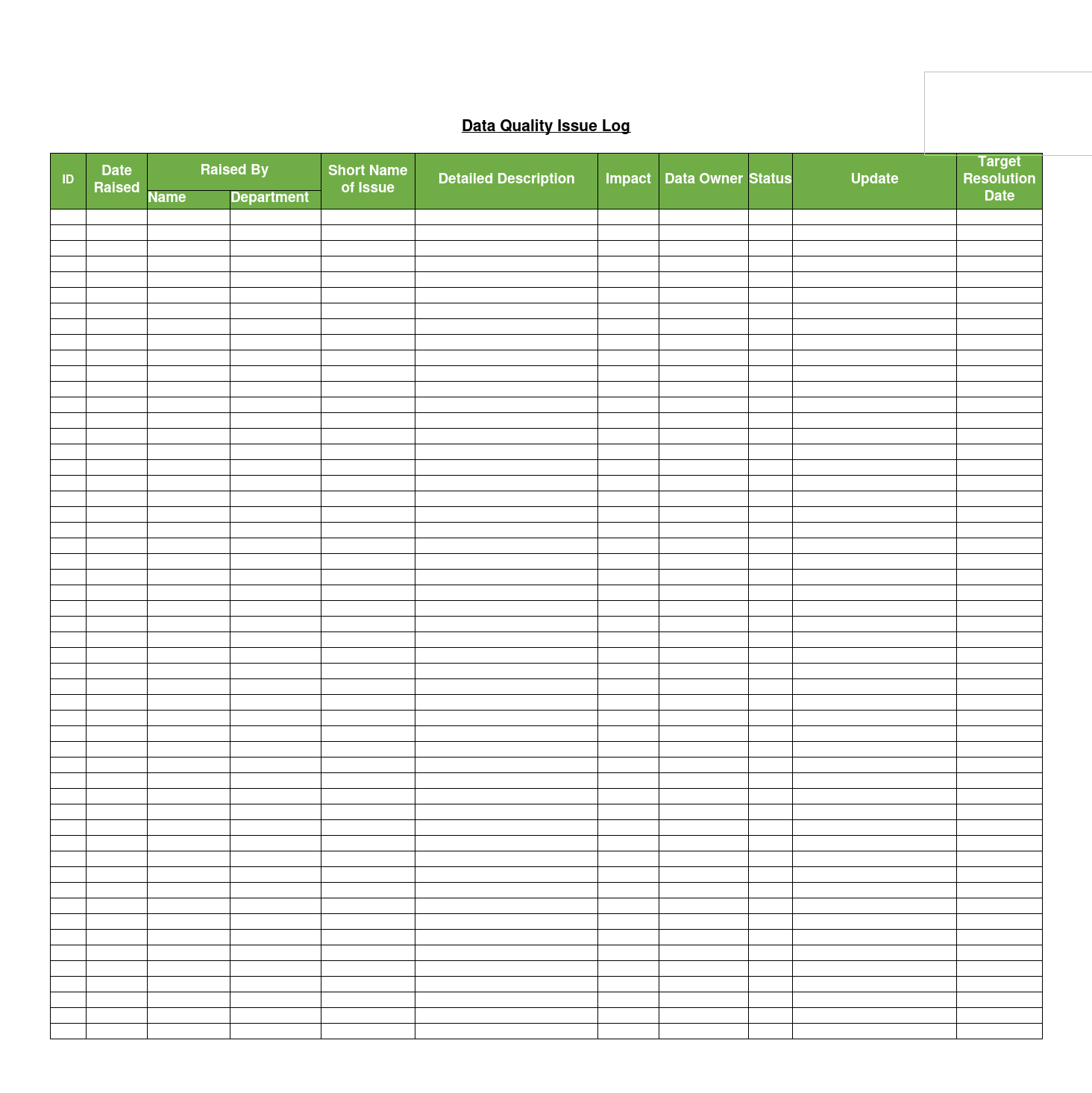
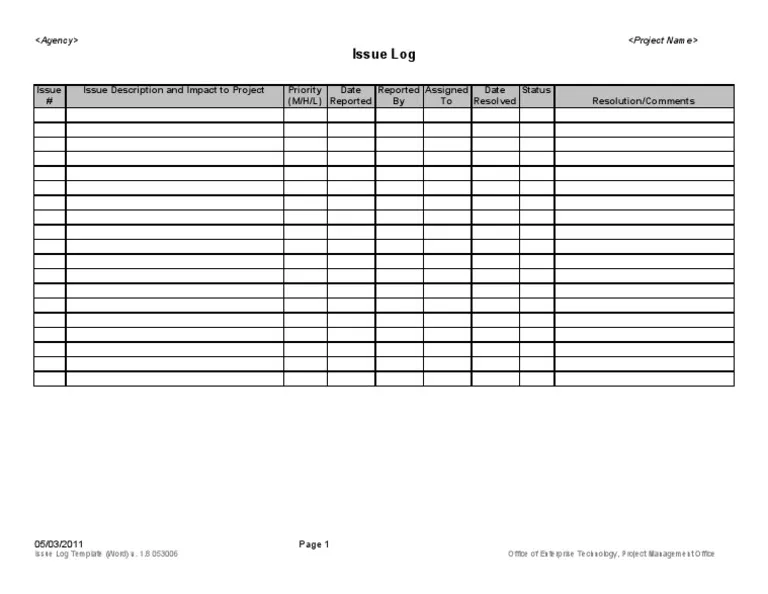
When creating an issue log, it is essential to include specific details that will help in effectively tracking and resolving issues. Some key elements to include in an issue log are:
- Issue Description: Clearly define the issue and provide context.
- Priority Level: Assign a priority level to indicate the importance of resolving the issue.
- Assigned To: Identify the individual or team responsible for addressing the issue.
- Status: Track the current status of the issue (open, in progress, resolved, closed, etc.).
- Due Date: Set a deadline for resolving the issue to ensure timely action.
- Resolution Details: Document the actions taken to address and resolve the issue.
How to Effectively Use an Issue Log
Using an issue log effectively requires a structured approach and consistent monitoring. Here are some steps to help you make the most of your issue log:
- Regular Updates: Ensure the issue log is updated regularly with new issues, status changes, and resolution details.
- Assign Responsibilities: Clearly assign responsibilities for each issue to ensure accountability.
- Monitor Progress: Regularly review the issue log to track progress and identify any overdue or unresolved issues.
- Communicate Effectively: Keep stakeholders informed about the status of issues and any changes in priority or resolution plans.
- Review and Reflect: Periodically review the issue log to identify recurring issues and trends that may require additional attention or preventive measures.
Tips for Successful Issue Management
Successfully managing project issues requires a proactive and systematic approach. Here are some tips to help you effectively manage issues using an issue log:
- Prioritize Issues: Address critical issues first to prevent them from escalating and causing delays.
- Document Everything: Maintain detailed records of issues, resolutions, and communication to ensure clarity and accountability.
- Follow Up: Ensure that resolutions are implemented and verify that issues are fully resolved before closing them in the issue log.
- Seek Feedback: Encourage team members to provide feedback on the issue management process to identify areas for improvement.
- Continuous Improvement: Regularly review and refine your issue management processes based on feedback and lessons learned from previous projects.
By following these guidelines and best practices, you can leverage the power of an issue log to effectively manage project issues, enhance communication, and ensure successful project delivery. Incorporating an issue log into your project management toolkit can make a significant difference in your ability to address challenges and keep your projects on track.
