Student reference letters play a crucial role in helping students secure admissions to colleges and universities, as well as in obtaining scholarships and internships. These letters provide insight into a student’s academic achievements, personal qualities, and potential for future success. Whether you’re a teacher, counselor, or employer, being asked to write a student reference letter can be a daunting task. In this comprehensive guide, we will explore everything you need to know about student reference letters, including what they are, why they are important, what to include, how to write an effective letter, and tips for successful letter writing. By the end of this article, you’ll have all the information you need to craft a compelling reference letter that will help your student stand out from the crowd.
What are Student Reference Letters?
Student reference letters, also known as letters of recommendation, are written statements that provide an evaluation of a student’s academic performance, character, and potential. These letters are typically written by teachers, counselors, or employers who have worked closely with the student and can attest to their abilities and achievements. Reference letters are an important component of college and scholarship applications, as they give admissions committees and scholarship panels valuable insights into a student’s qualifications and suitability for a particular program or award.
Why are Student Reference Letters Important?
Student reference letters are important because they provide a more holistic view of a student’s capabilities beyond their academic transcripts and test scores. Admissions committees and scholarship panels use these letters to gain a deeper understanding of a student’s personality, work ethic, leadership skills, and potential for success. A well-written reference letter can make a significant impact on a student’s application, helping them stand out among a competitive pool of candidates. Additionally, reference letters can also help students build strong relationships with mentors and potential employers, which can be beneficial for their future career prospects.
What to Include in a Student Reference Letter
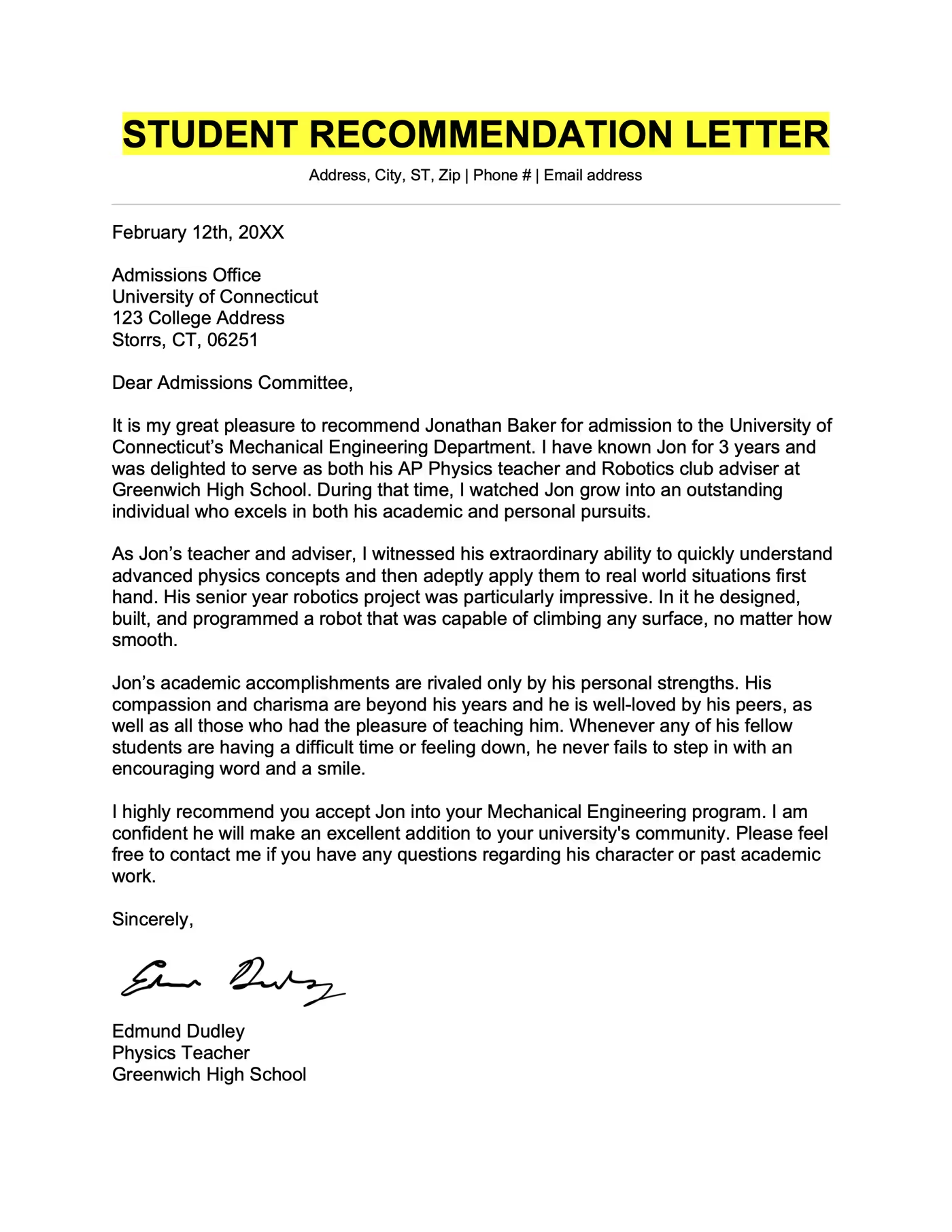
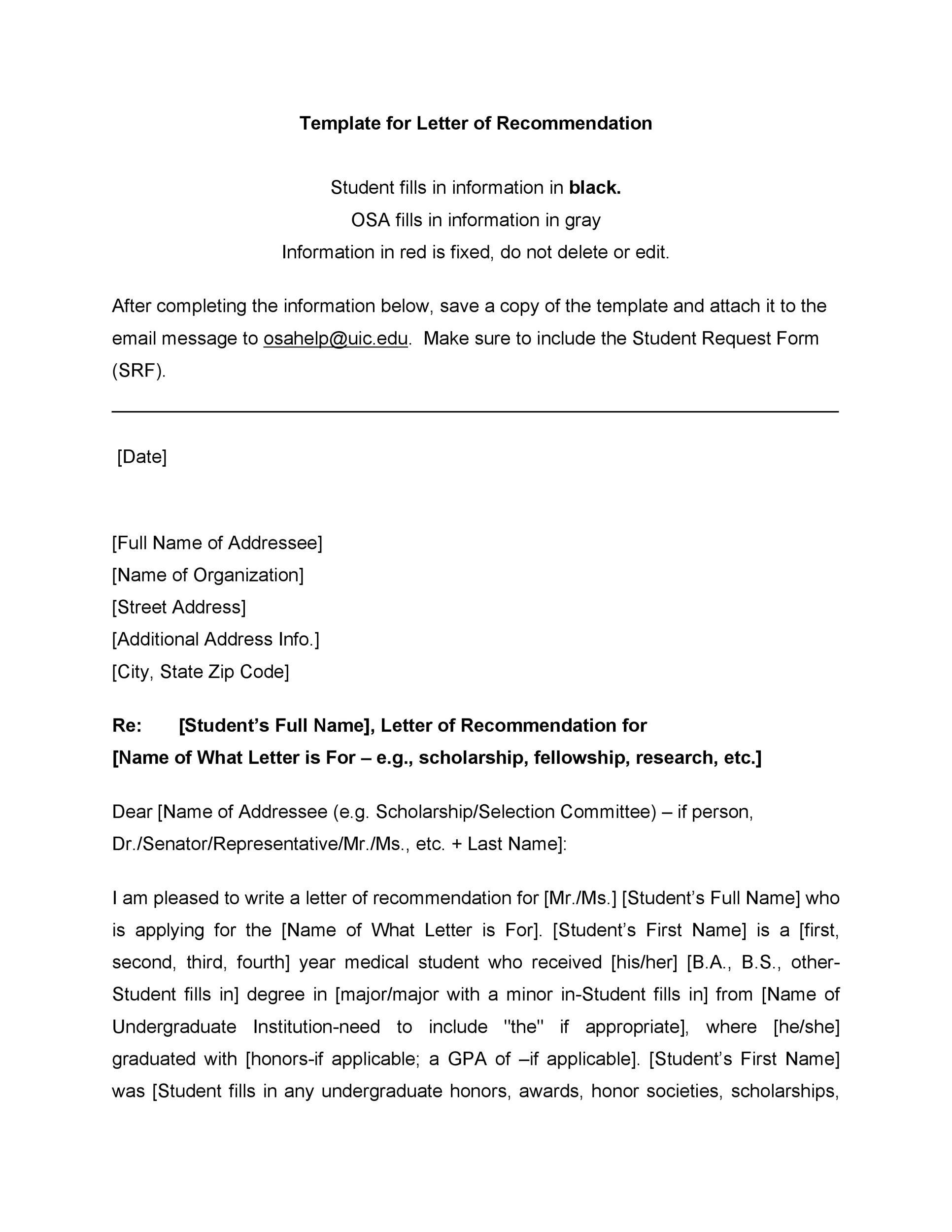
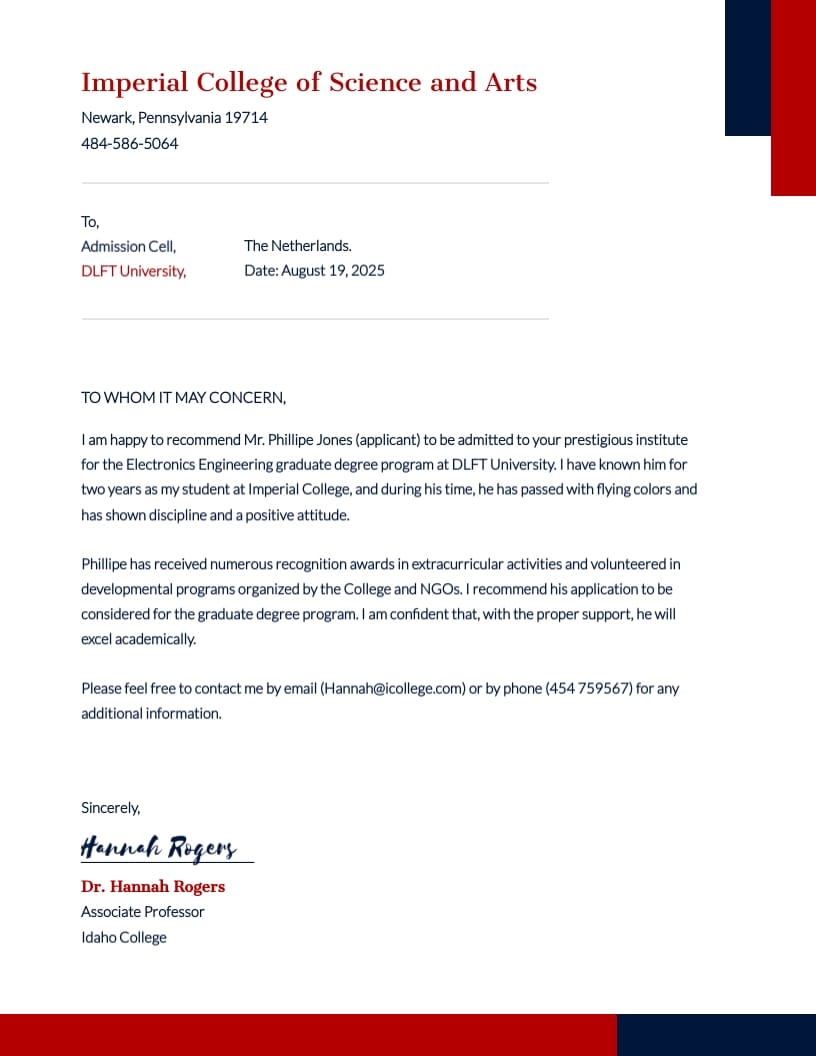
When writing a student reference letter, it’s important to include specific details and examples that support your evaluation of the student. Here are some key elements to include in your letter:
- Introduction: Start by introducing yourself and explaining your relationship to the student.
- Academic achievements: Highlight the student’s academic strengths, such as their grades, class rank, and any awards or honors they have received.
- Personal qualities: Discuss the student’s personal characteristics, such as their work ethic, leadership skills, and ability to work with others.
- Extracurricular activities: Mention any extracurricular activities or community service projects the student has been involved in.
- Specific examples: Provide specific examples or anecdotes that demonstrate the student’s abilities and accomplishments.
- Conclusion: Summarize your overall assessment of the student and explain why you believe they would be a good fit for the program or scholarship they are applying to.
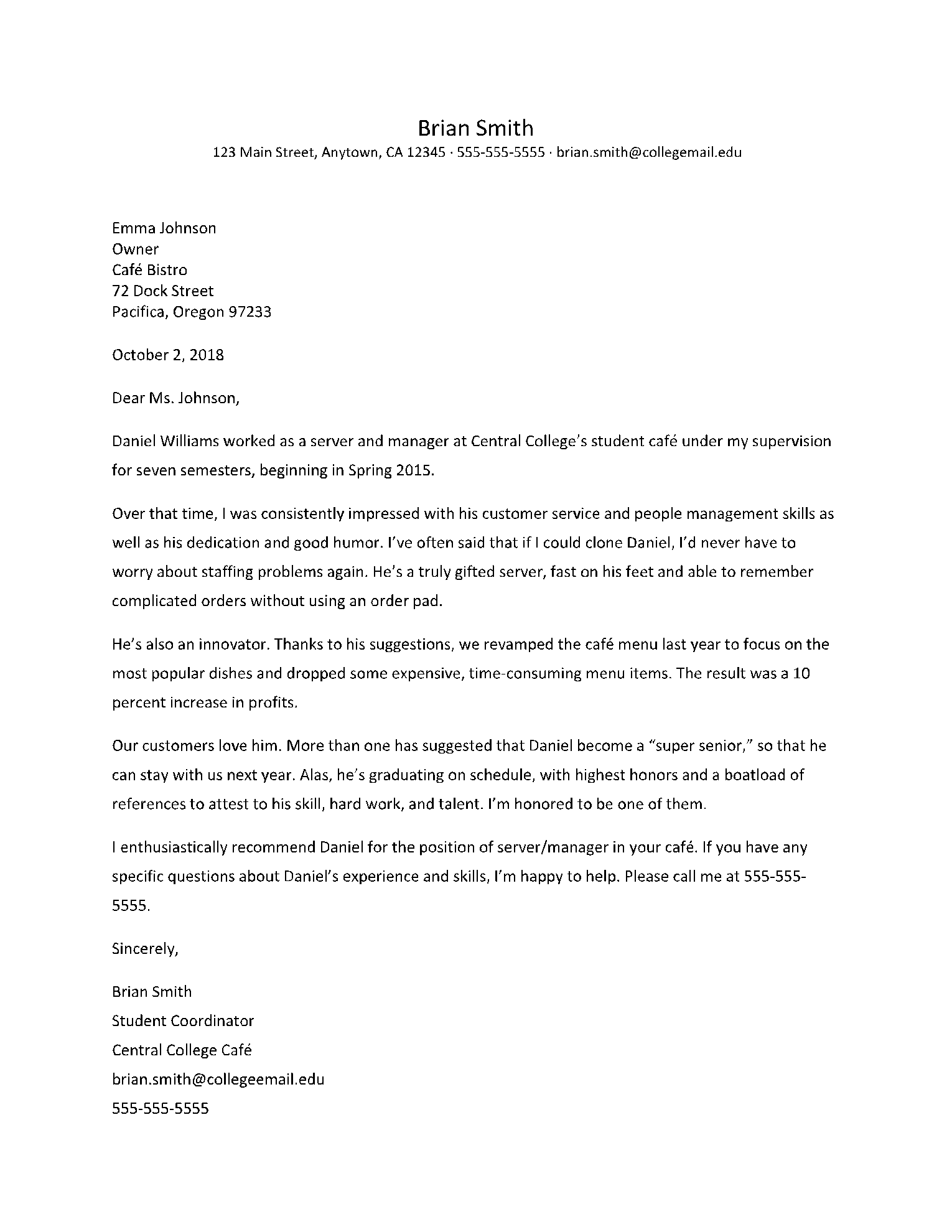
How to Write an Effective Student Reference Letter
Writing an effective student reference letter requires careful thought and attention to detail. Here are some tips to help you craft a compelling letter that will impress admissions committees and scholarship panels:
1. Get to know the student:
Before writing the letter, take the time to get to know the student on a personal level. Ask them about their goals, interests, and achievements so you can provide a more personalized and insightful evaluation.
2. Be honest and specific:
Be honest in your assessment of the student’s abilities and characteristics, and provide specific examples to support your claims. Avoid vague or generic statements that could apply to any student.
3. Tailor the letter to the program or scholarship:
Customize your letter to highlight the qualities and experiences that are most relevant to the program or scholarship the student is applying to. Make sure to emphasize how the student’s strengths align with the requirements of the opportunity.
4. Use a professional tone:
Keep your language professional and avoid using overly casual or informal language. Remember that the letter is a formal document that will be reviewed by professionals.
5. Proofread and edit:
Before submitting the letter, carefully proofread it for spelling and grammar errors. Ask a colleague or mentor to review the letter as well to ensure it is well-written and error-free.
6. Submit the letter on time:
Make sure to submit the letter by the deadline specified by the student. Late submissions can reflect poorly on both you and the student, so it’s important to meet the deadline.
Tips for Successful Student Reference Letters
In addition to the above guidelines, here are some additional tips for writing successful student reference letters:
- Focus on the student’s strengths: Highlight the student’s most impressive qualities and accomplishments to make a strong case for their candidacy.
- Include specific examples: Back up your claims with concrete examples and anecdotes that demonstrate the student’s abilities.
- Be authentic: Write from the heart and be genuine in your praise for the student. Authenticity can make a big difference in how your letter is perceived.
- Keep it concise: While it’s important to provide detailed information, try to keep your letter concise and to the point. Admissions committees appreciate letters that are clear and focused.
- Offer to provide further information: Let the recipient know that you are available to answer any questions or provide additional information if needed.
- Follow up: After submitting the letter, follow up with the student to see if they have any feedback or updates on their application status.
In conclusion, student reference letters are a valuable tool for helping students achieve their academic and career goals. By following the tips and guidelines outlined in this article, you can write a compelling and effective reference letter that will showcase the student’s strengths and potential. Remember to personalize your letter, provide specific examples, and submit it on time to maximize its impact. With your help, your student will have a strong advantage in the competitive application process.
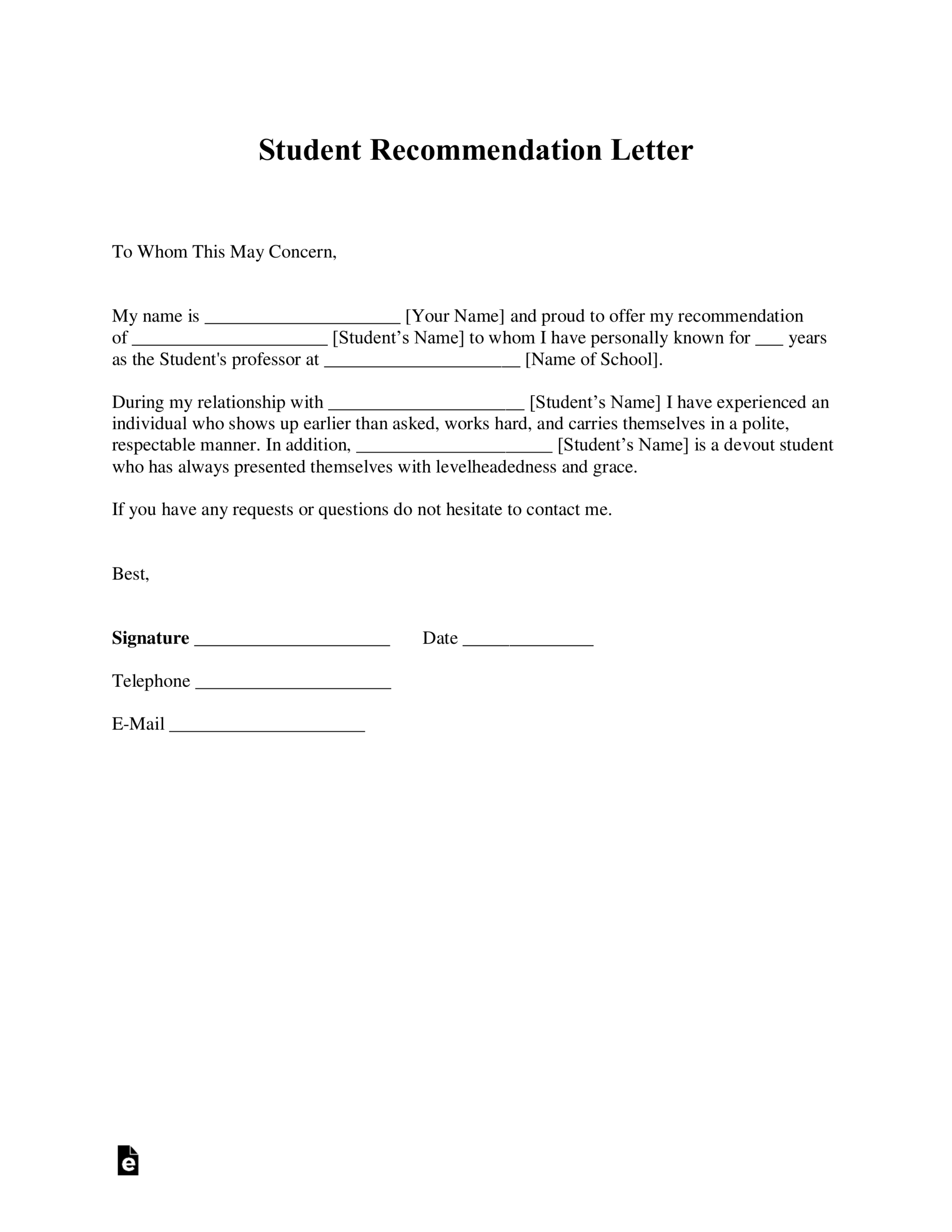
Student Reference Letter Template
