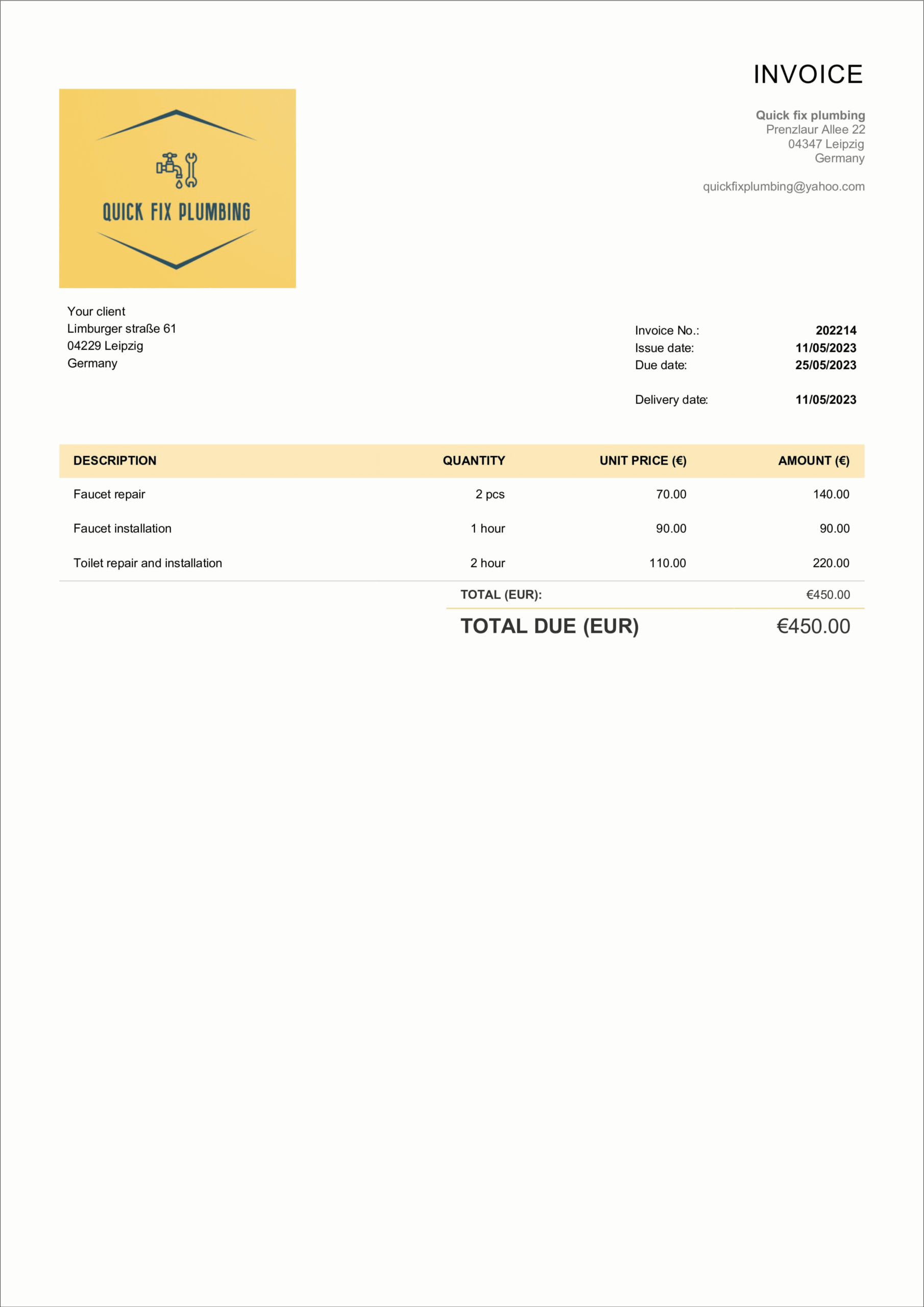
When it comes to running a business, one of the most crucial aspects is keeping track of your finances. An itemized invoice plays a significant role in this process, providing a detailed breakdown of the goods or services provided and the corresponding costs. In this article, we will delve into the world of itemized invoices, exploring what they are, why they are essential, what to include in them, how to create one, and some tips for successful invoicing.
What is an Itemized Invoice?
An itemized invoice is a document that outlines the specifics of a transaction between a seller and a buyer. It provides a detailed breakdown of the goods or services rendered, along with their corresponding costs. This type of invoice is crucial for both parties, as it helps in maintaining transparency and clarity regarding the transaction.
Why are Itemized Invoices Important?
Itemized invoices serve several purposes, making them an essential tool for businesses. Some of the key reasons why itemized invoices are important include:
- Transparency: Itemized invoices provide a clear breakdown of the costs involved in a transaction, ensuring transparency between the parties.
- Accuracy: By detailing each item and its cost, itemized invoices help in avoiding any discrepancies or confusion regarding pricing.
- Record-keeping: Itemized invoices act as a record of the transaction, making it easier for businesses to track their finances and for customers to refer back to the details of the purchase.
- Dispute resolution: In case of any disputes or discrepancies, itemized invoices serve as evidence of the agreed-upon terms between the parties.
What to Include in an Itemized Invoice
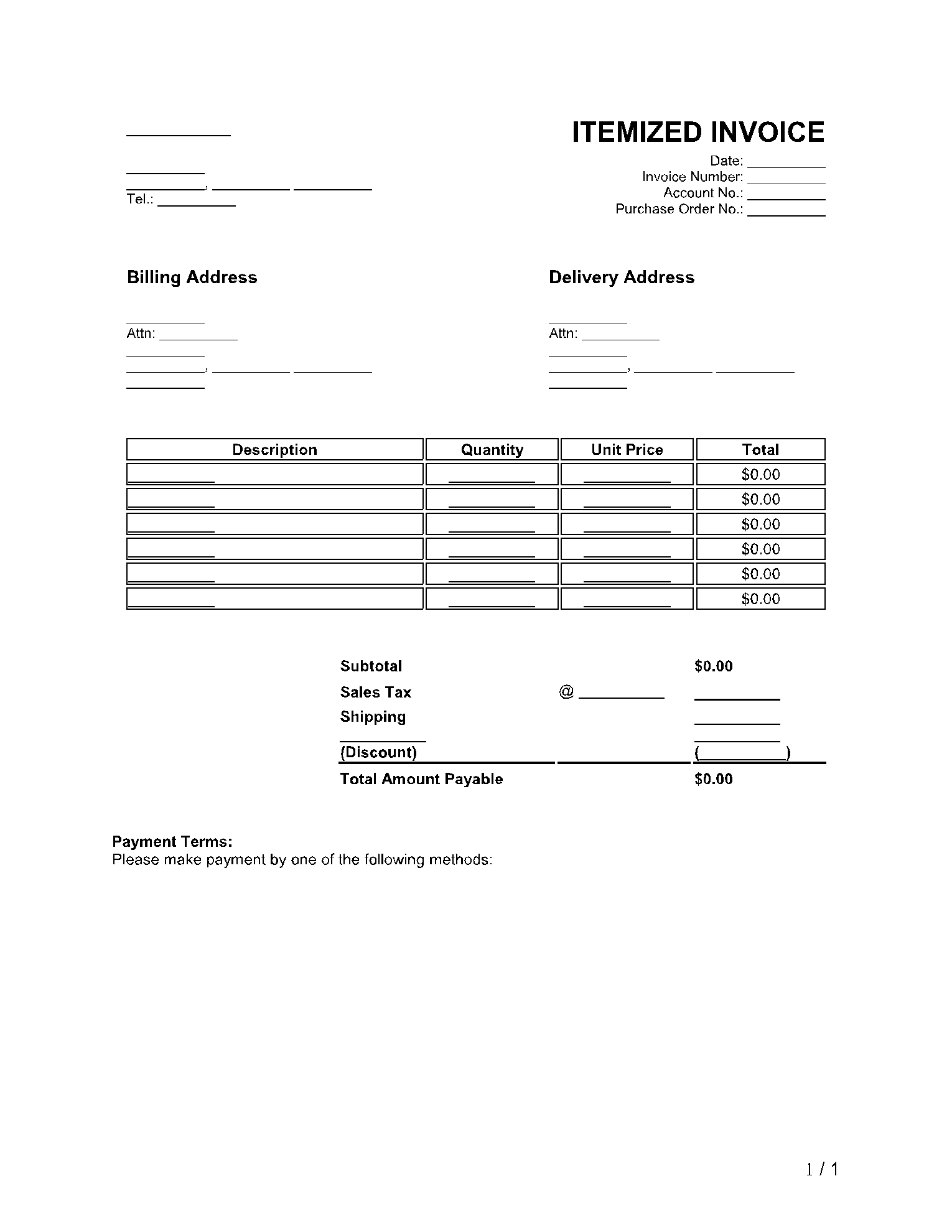
Creating a comprehensive itemized invoice involves including specific details to ensure clarity and accuracy. Some of the key elements to include in an itemized invoice are:
- Invoice number and date: Each invoice should have a unique identifier and the date of issue.
- Billing and shipping information: Include the details of both the seller and the buyer, along with their contact information.
- Description of goods/services: Provide a detailed description of the items or services rendered.
- Quantity and unit price: Specify the quantity of each item and its corresponding unit price.
- Total cost: Calculate the total cost by multiplying the quantity with the unit price and adding any additional charges.
- Payment terms: Clearly outline the payment terms, including due date and accepted payment methods.
How to Create an Itemized Invoice
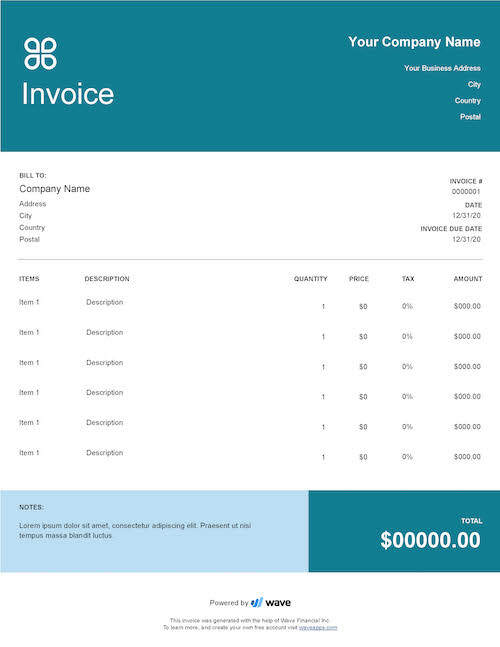
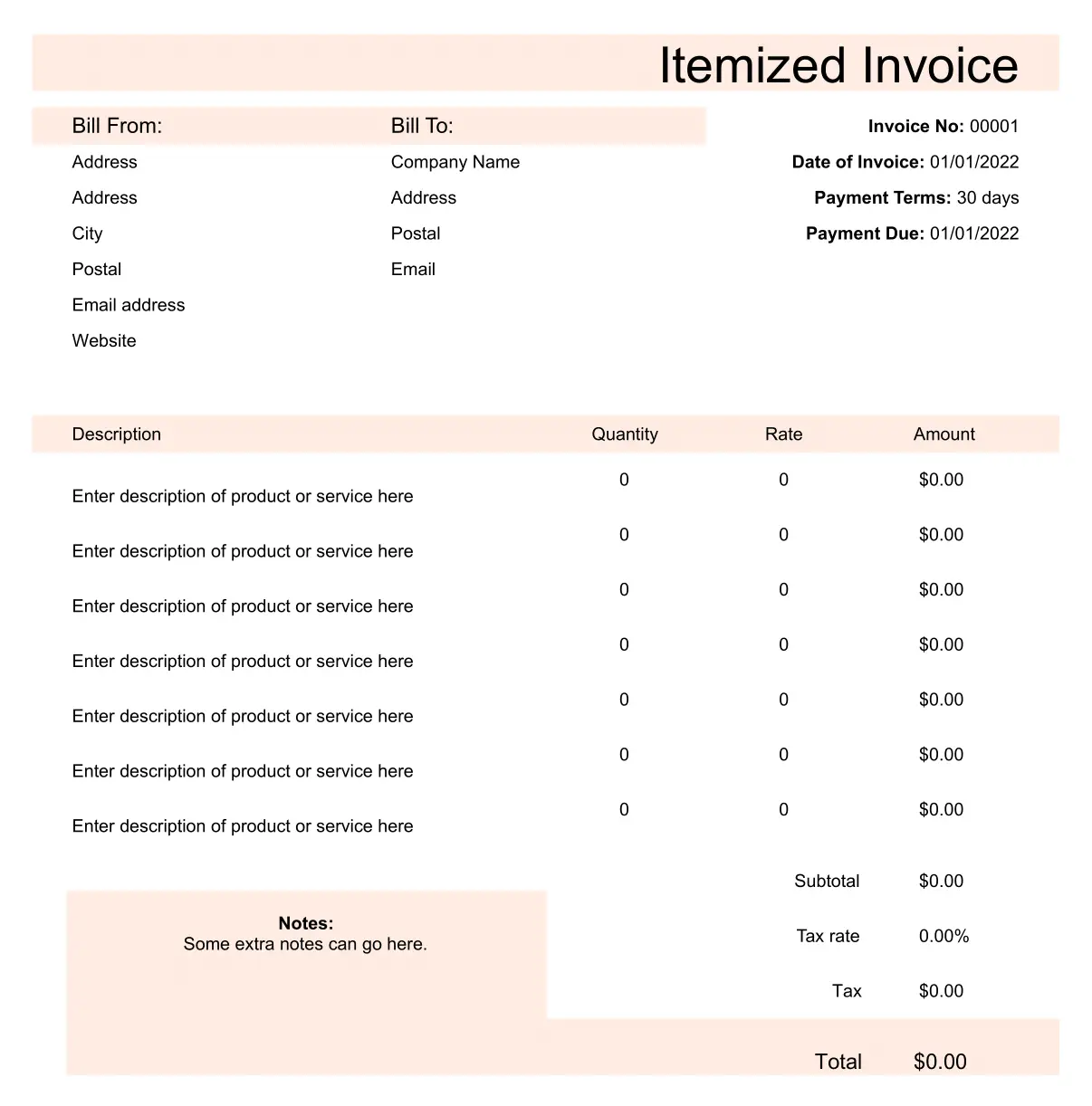
Creating an itemized invoice is a relatively straightforward process, thanks to the availability of various online tools and templates. Here are some steps to follow when creating an itemized invoice:
1. Choose a Template:
Start by selecting an itemized invoice template that suits your business needs. There are plenty of free templates available online that you can customize to reflect your brand.
2. Add Your Business Information:
Include your business logo, name, address, and contact details at the top of the invoice. This helps in establishing your brand identity.
3. Fill in the Invoice Details:
Enter the invoice number, date, payment terms, and a detailed description of the goods or services provided. Make sure to include the quantity, unit price, and total cost for each item.
4. Calculate the Total:
Add up the costs of each item and include any applicable taxes or fees to calculate the total amount due.
5. Review and Send:
Double-check the invoice for accuracy and completeness before sending it to the customer. Make sure to save a copy for your records.
Tips for Successful Invoicing
To ensure smooth invoicing processes and prompt payments, consider the following tips:
- Be Clear and Concise: Use simple language and ensure all details are easy to understand.
- Set Payment Terms: Clearly outline the payment terms, including due dates and any late fees.
- Follow Up: Send reminders for overdue payments to maintain cash flow.
- Keep Records: Maintain a systematic record-keeping system for all invoices and payments.
- Use Online Invoicing Tools: Explore various online platforms that offer invoicing services to streamline the process.
- Seek Professional Help: If needed, consult with a financial advisor or accountant to ensure compliance with tax regulations.
By implementing these tips and best practices, you can optimize your invoicing processes and maintain healthy financial management within your business.
