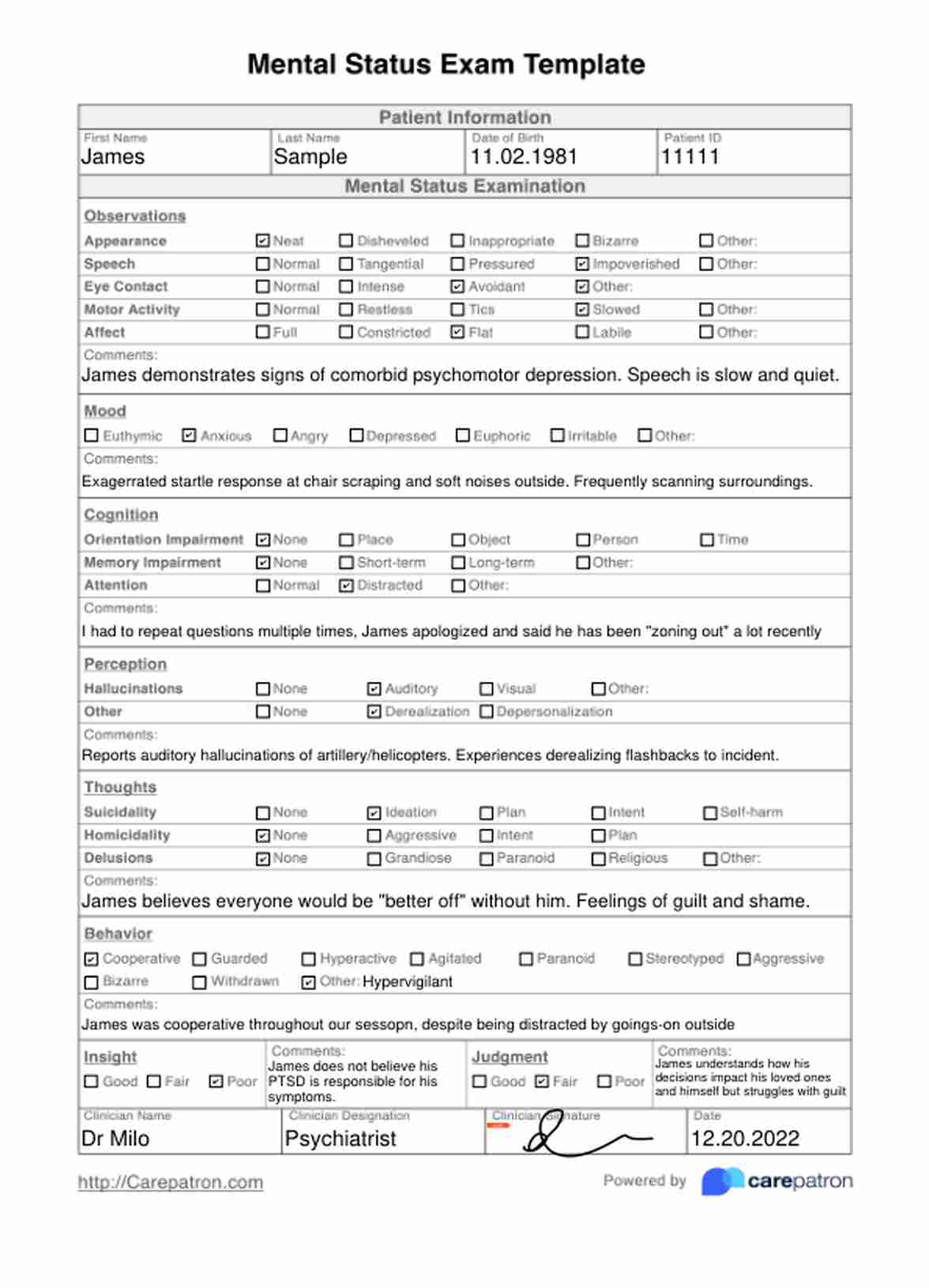
When individuals seek mental health treatment, they may undergo a series of assessments, one of which is the mental status exam. This evaluation is crucial in understanding a person’s current mental state, providing valuable insights into their cognitive abilities, emotions, and behaviors. Let’s delve deeper into what the mental status exam entails and why it is an essential component of psychological assessment.
What is a Mental Status Exam?
The mental status exam, also known as a MSE, is a structured assessment conducted by mental health professionals to evaluate an individual’s current mental state. It involves observing and assessing various aspects of the person’s cognition, behavior, mood, and thought processes. The goal of the MSE is to gather information about the individual’s psychological functioning, aiding in diagnostic formulation and treatment planning.
Why is the Mental Status Exam Important?
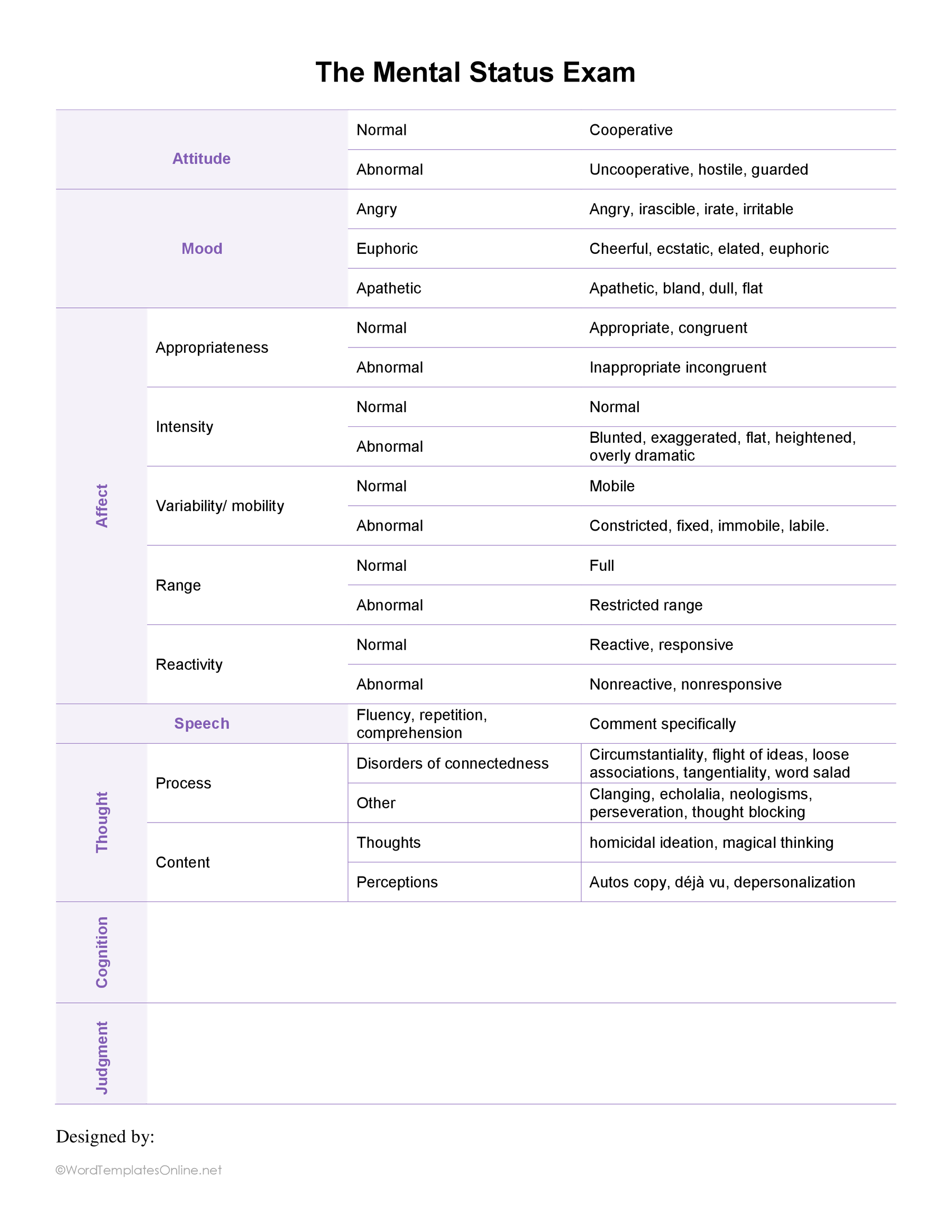
The MSE plays a crucial role in psychological evaluation for several reasons. It helps clinicians identify any cognitive deficits, emotional disturbances, or behavioral abnormalities that may be present in the individual. Additionally, the MSE provides valuable information about the individual’s insight, judgment, and overall mental functioning. This assessment aids in determining an accurate diagnosis and developing an appropriate treatment plan tailored to the individual’s specific needs.
What to Include in a Mental Status Exam
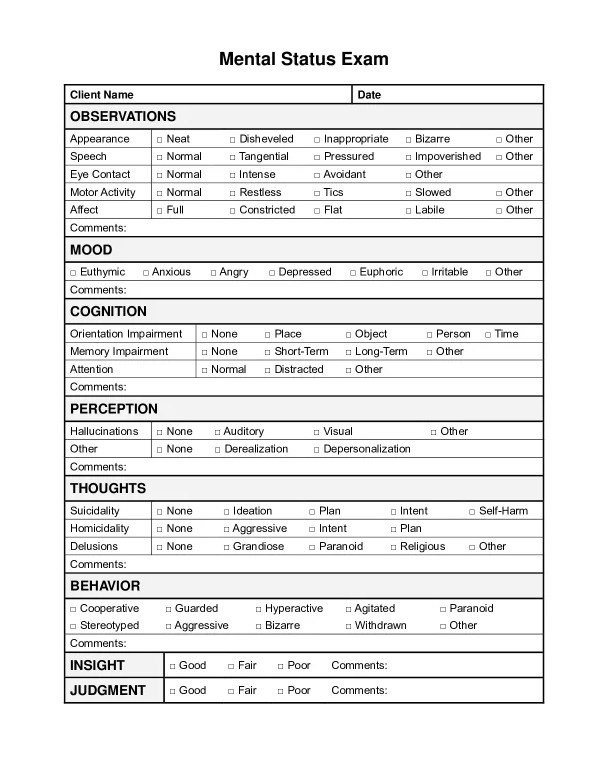
During a mental status exam, clinicians typically assess various domains of the individual’s mental state. These may include:
- Appearance and behavior. Observations about the individual’s appearance, grooming, and general behavior.
- Mood and affect. Evaluation of the individual’s emotional state and how their feelings are expressed.
- Thought process. Assessment of the individual’s thought content, coherence, and organization.
- Cognition. Examination of the individual’s cognitive abilities, such as memory, attention, and problem-solving skills.
- Insight and judgment. Determining the individual’s awareness of their mental health condition and ability to make sound decisions.
- Speech and language. Evaluation of the individual’s speech patterns, articulation, and language comprehension.
How to Conduct a Mental Status Exam
When conducting a mental status exam, clinicians follow a structured approach to ensure a comprehensive evaluation. They engage in conversation with the individual, asking specific questions and observing their responses. Clinicians may also use standardized tools and rating scales to assess different aspects of the individual’s mental state. By incorporating both qualitative observations and quantitative measures, clinicians can obtain a well-rounded understanding of the individual’s mental functioning.
Tips for Successful Mental Status Exams
To conduct a successful mental status exam, clinicians should keep the following tips in mind:
- Establish rapport. Building trust and rapport with the individual can help facilitate a more accurate assessment.
- Use open-ended questions. Encouraging the individual to express themselves freely can provide valuable insights into their mental state.
- Remain non-judgmental. Creating a safe and non-judgmental environment can help the individual feel more comfortable sharing their thoughts and feelings.
- Document findings. Recording detailed observations and assessment findings is essential for accurate diagnosis and treatment planning.
- Seek consultation. In complex cases, seeking consultation from other mental health professionals can provide additional perspectives and insights.
