When it comes to business expenses, one area that often gets overlooked is mileage reimbursement. Many employees and self-employed individuals are entitled to reimbursement for the miles they drive for work-related purposes, but without proper documentation, it can be challenging to claim these expenses. This is where a mileage reimbursement form comes into play. By using this form effectively, you can ensure that you are accurately reimbursed for your travel expenses and avoid any potential issues with the IRS.
What is a Mileage Reimbursement Form?
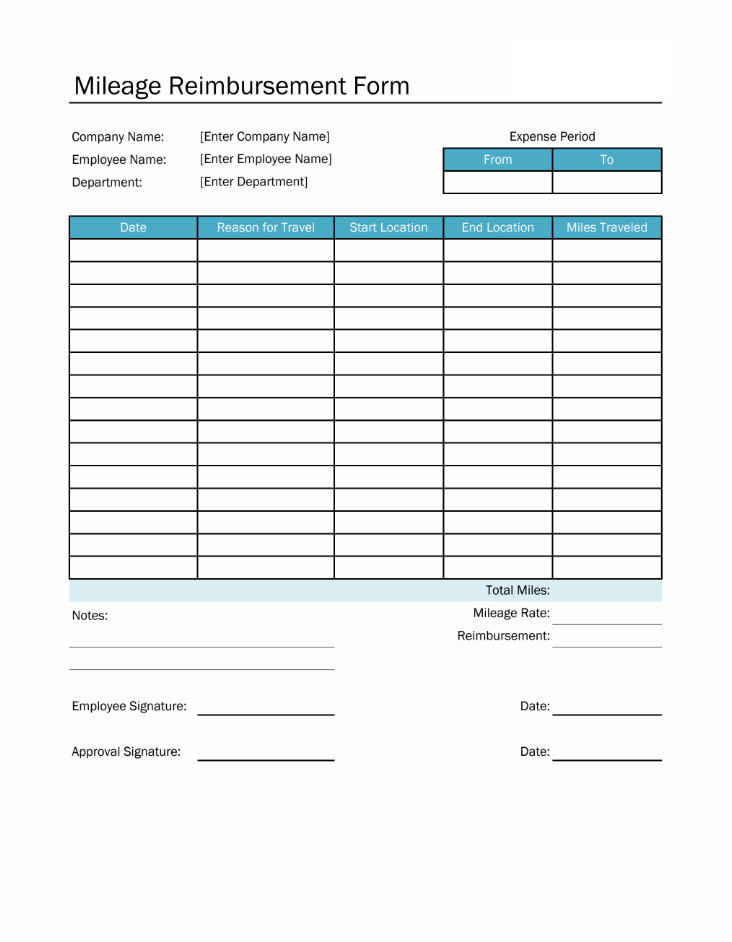
A mileage reimbursement form is a document used to track the miles you drive for work-related purposes. It typically includes fields for recording the date of the trip, starting and ending locations, total miles driven, and the purpose of the trip. This form is essential for employees who use their personal vehicles for work-related travel, as it provides a record of their mileage and expenses that can be submitted for reimbursement.
Why Use a Mileage Reimbursement Form?
Using a mileage reimbursement form is crucial for several reasons. First and foremost, it helps you accurately track and document your business-related travel, which is essential for claiming reimbursement. Without a detailed record of your mileage, you may miss out on valuable tax deductions or be unable to prove your expenses in case of an audit. Additionally, a mileage reimbursement form can help you stay organized and ensure that you are properly compensated for the miles you drive on behalf of your employer.
What to Include in a Mileage Reimbursement Form
When creating a mileage reimbursement form, be sure to include the following key elements:
- Date of the trip: Record the date when the travel took place.
- Starting and ending locations: Note the beginning and ending points of the trip.
- Total miles driven: Calculate the total number of miles traveled during the trip.
- Purpose of the trip: Specify the reason for the travel, such as a client meeting or delivery.
How to Fill Out a Mileage Reimbursement Form
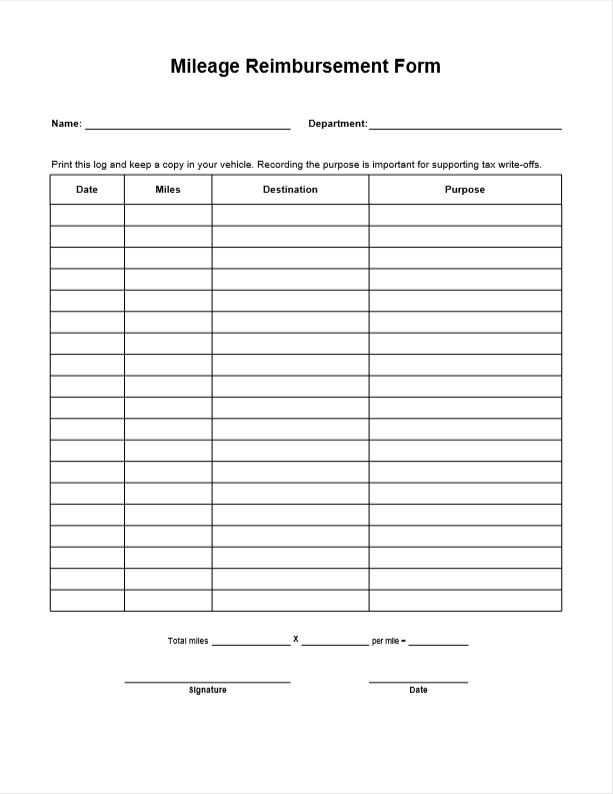
When filling out a mileage reimbursement form, it is essential to be accurate and thorough. Make sure to record each trip promptly and include all necessary details, such as the date, starting and ending locations, total miles driven, and purpose of the trip. Keep a copy of each completed form for your records, and submit them to your employer or client according to their reimbursement policies.
Tips for Successful Mileage Reimbursement
Here are some tips to help you maximize your mileage reimbursement:
- Keep a mileage log: Maintain a detailed mileage log to track all your business-related travel.
- Use a mileage tracking app: Consider using a mileage tracking app to automate the process and ensure accuracy.
- Submit forms promptly: Submit your mileage reimbursement forms in a timely manner to avoid delays in reimbursement.
- Review your reimbursement policies: Familiarize yourself with your employer’s or client’s reimbursement policies to ensure compliance.
- Consult with a tax professional: If you have questions about claiming mileage reimbursement on your taxes, seek advice from a tax professional.
In Conclusion
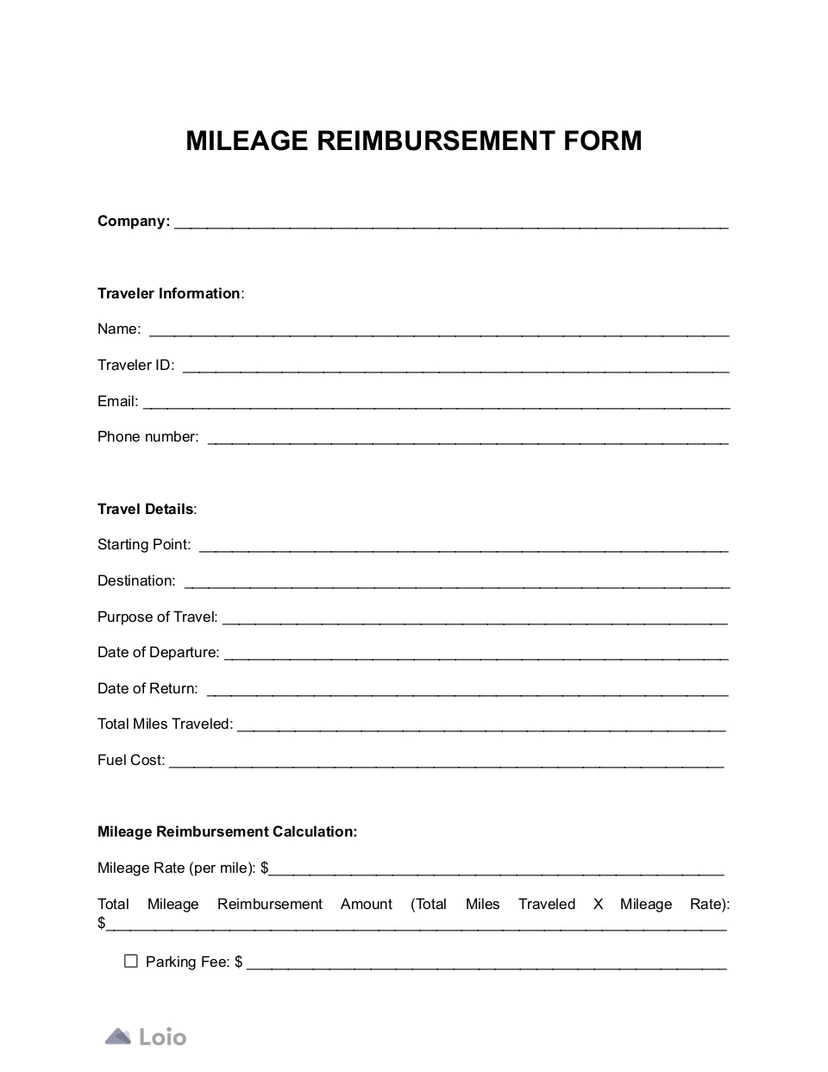
A mileage reimbursement form is a valuable tool for tracking and documenting your business-related travel expenses. By using this form effectively and following the tips outlined above, you can ensure that you are accurately reimbursed for your mileage and avoid any potential issues with the IRS. Remember to keep detailed records of your travel, submit your forms promptly, and stay informed about your reimbursement policies to make the most of your mileage reimbursement.
Mileage Reimbursement Form Template
