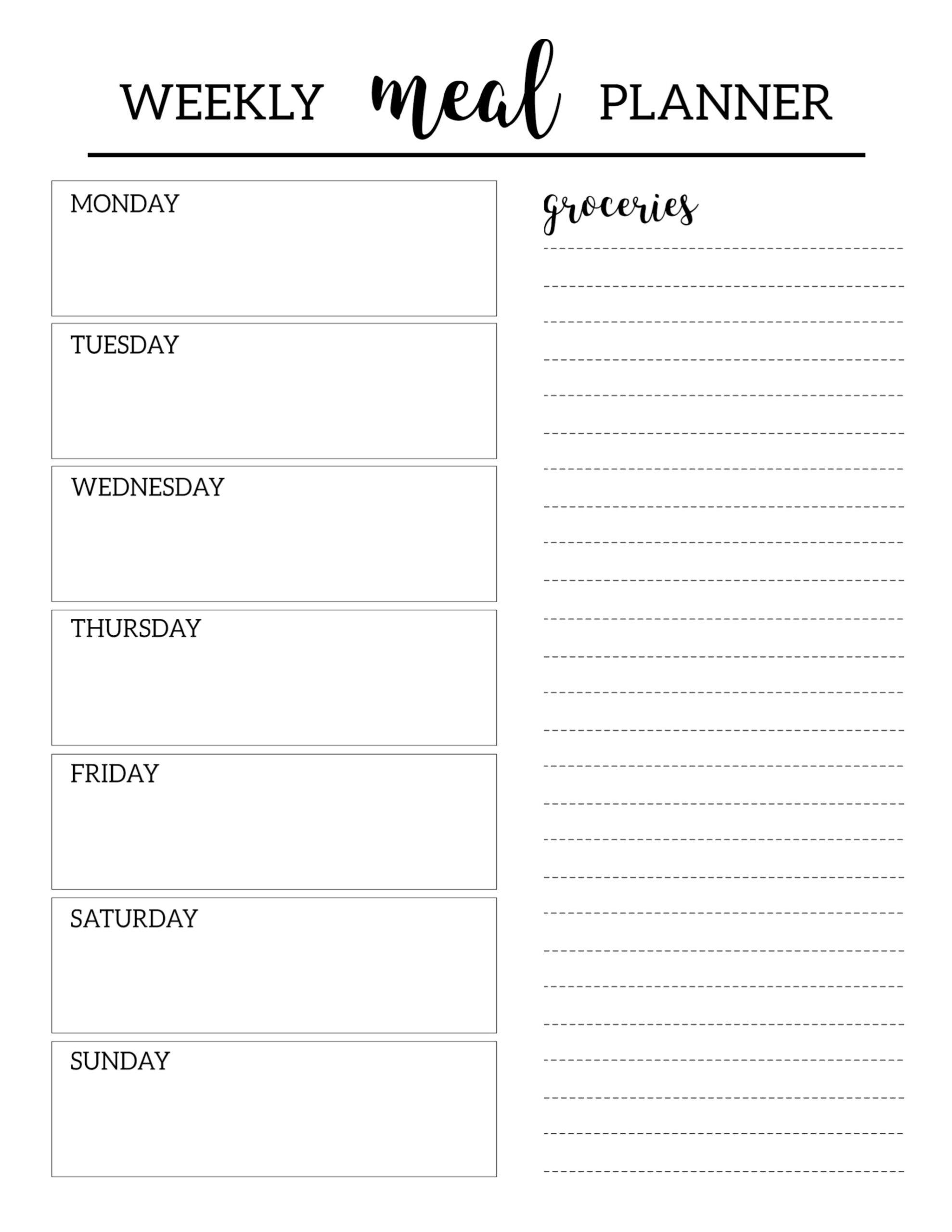
Menu planning is a crucial aspect of maintaining a healthy and organized lifestyle. By taking the time to plan out your meals in advance, you can save time, money, and stress throughout the week. Whether you are a seasoned pro or new to the concept of menu planning, this guide will provide you with all the information you need to get started and maintain a successful menu planning routine.
What is Menu Planning?
Menu planning is the process of deciding in advance what meals you will prepare and eat for a specific period of time. This can range from planning out your meals for the week to planning for an entire month. The goal of menu planning is to streamline the meal preparation process, save time, reduce food waste, and ensure that you are eating a balanced and nutritious diet.
Why Should You Menu Plan?
Menu planning offers a wide range of benefits that can positively impact your overall well-being. Some of the key reasons why you should start menu planning include:
- Save time: By planning your meals in advance, you can save time during the week by knowing exactly what you need to prepare each day.
- Save money: Menu planning allows you to create a shopping list based on the ingredients you need, reducing impulse purchases and food waste.
- Eat healthier: By planning your meals, you can ensure that you are eating a balanced and nutritious diet, avoiding the temptation of unhealthy takeout options.
- Reduce stress: Knowing what you will be eating each day can reduce the stress and anxiety that comes with last-minute meal decisions.
- Improve variety: Menu planning allows you to incorporate a variety of different foods and flavors into your diet, ensuring that you do not get stuck in a mealtime rut.
What to Include in Your Menu Plan
When creating your menu plan, there are several key components that you should consider including to ensure that your meals are well-balanced and satisfying. Some important elements to include in your menu plan are:
- Main dishes: Include a variety of protein sources such as lean meats, poultry, fish, beans, and tofu.
- Side dishes: Incorporate a mix of vegetables, fruits, whole grains, and legumes to provide a range of nutrients and flavors.
- Snacks: Plan for healthy snack options such as nuts, seeds, yogurt, or cut-up vegetables to keep you satisfied between meals.
- Beverages: Don’t forget to include beverages such as water, herbal tea, or low-fat milk to stay hydrated throughout the day.
- Treats: Allow yourself to indulge in moderation by including some of your favorite treats or desserts in your menu plan.
How to Create a Menu Plan
Creating a menu plan may seem daunting at first, but with some simple steps and organization, you can easily tackle this task. Here are some tips for successfully creating a menu plan:
- Start by assessing your schedule: Take into account your work schedule, appointments, and social commitments when planning your meals for the week.
- Consider your preferences and dietary needs: Make sure to include foods that you enjoy and that meet your dietary requirements in your menu plan.
- Plan for leftovers: Save time and reduce waste by cooking larger batches and incorporating leftovers into your menu plan.
- Be flexible: Allow for some flexibility in your menu plan to accommodate unexpected events or changes in your schedule.
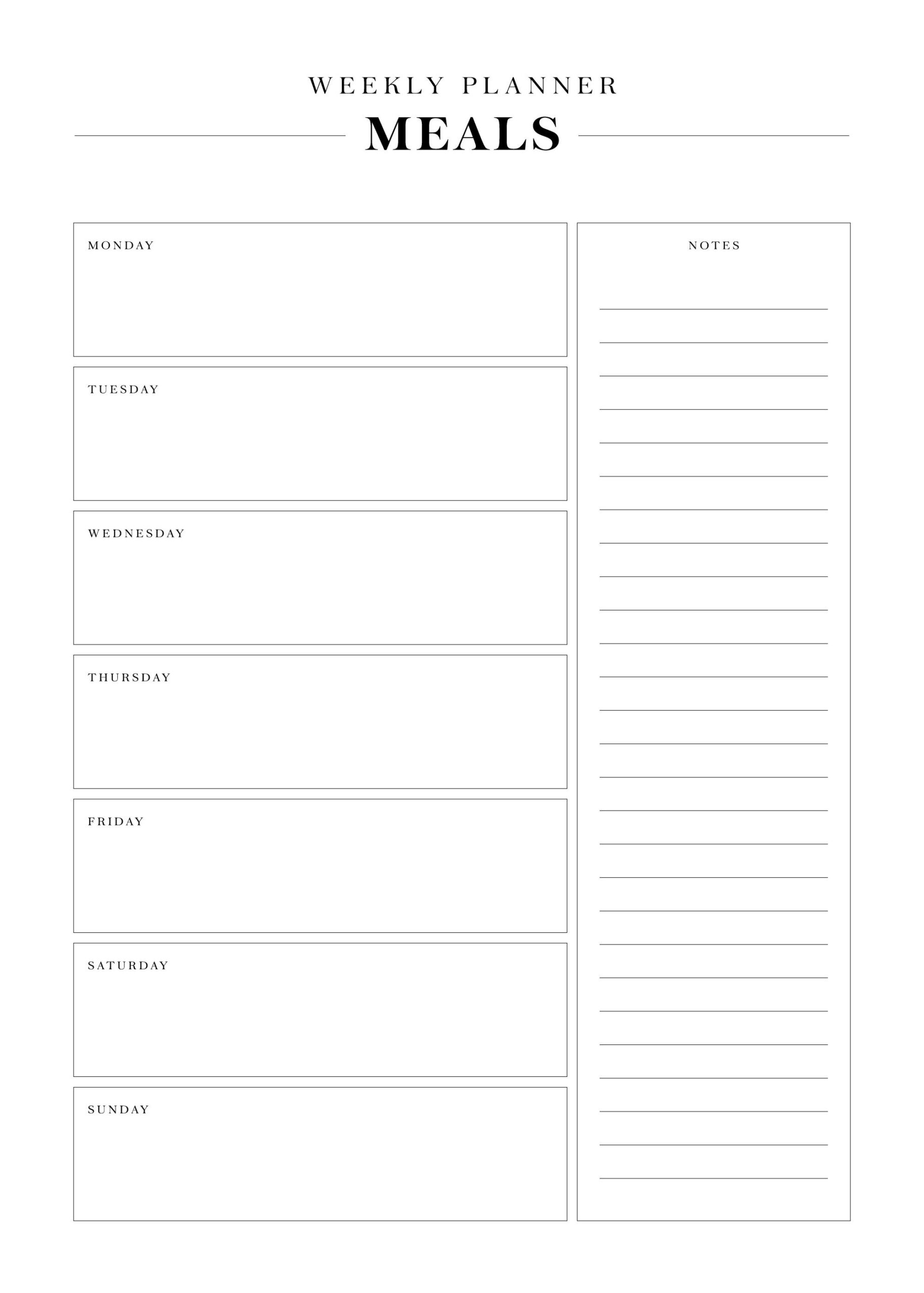
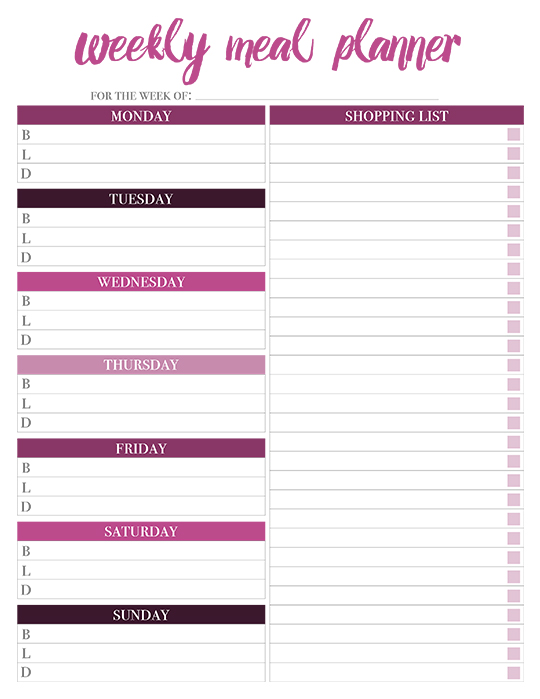
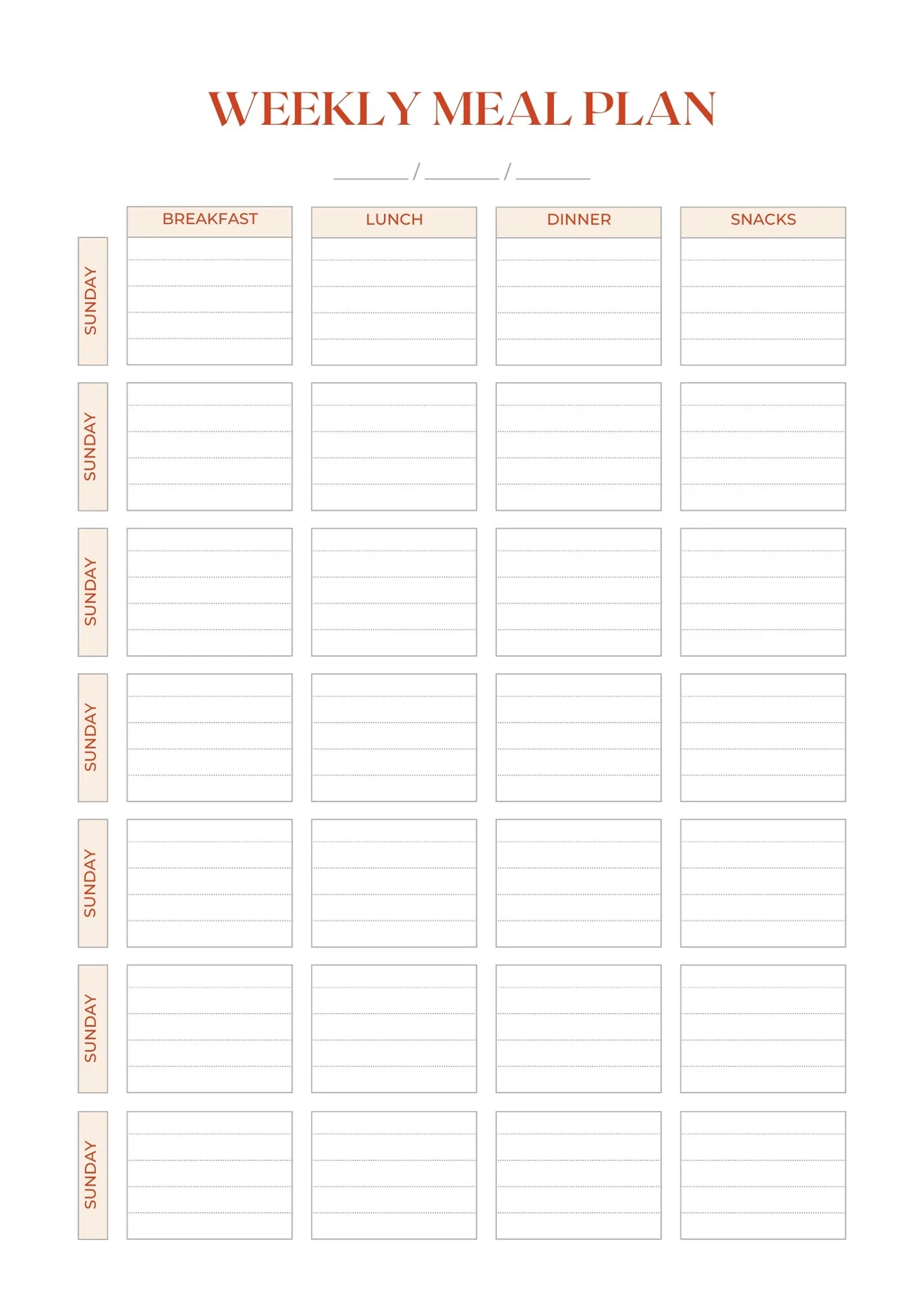
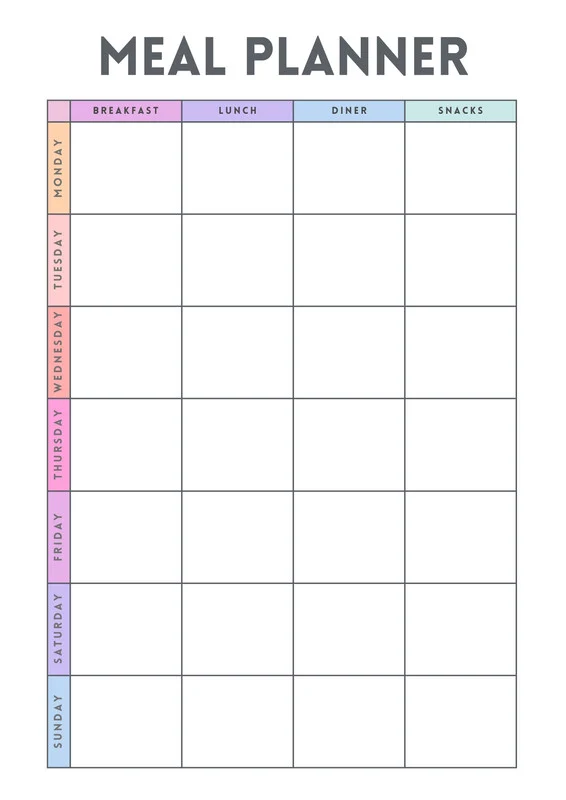
- Use a template: Consider using a menu planning template or app to help you stay organized and on track with your meal planning.
Tips for Successful Menu Planning
To ensure that your menu planning efforts are successful and sustainable in the long run, consider implementing the following tips:
- Set aside time each week: Dedicate a specific day and time each week to plan out your meals for the upcoming week.
- Shop with a list: Stick to your grocery list when shopping to avoid impulse purchases and stay within your budget.
- Batch cook and prep ingredients: Save time during the week by preparing some ingredients in advance and batch cooking meals that can be easily reheated.
- Try new recipes: Keep things interesting by incorporating new recipes and flavors into your menu plan to prevent boredom.
- Get the whole family involved: Encourage family members to contribute ideas and preferences to the menu plan to ensure that everyone is satisfied with the meals.
In conclusion, menu planning is a valuable tool that can help you save time, money, and stress while promoting a healthy and balanced diet. By following the tips and guidelines outlined in this guide, you can create a menu plan that works for you and your lifestyle. Start menu planning today and reap the benefits of a well-organized and nutritious meal routine.
