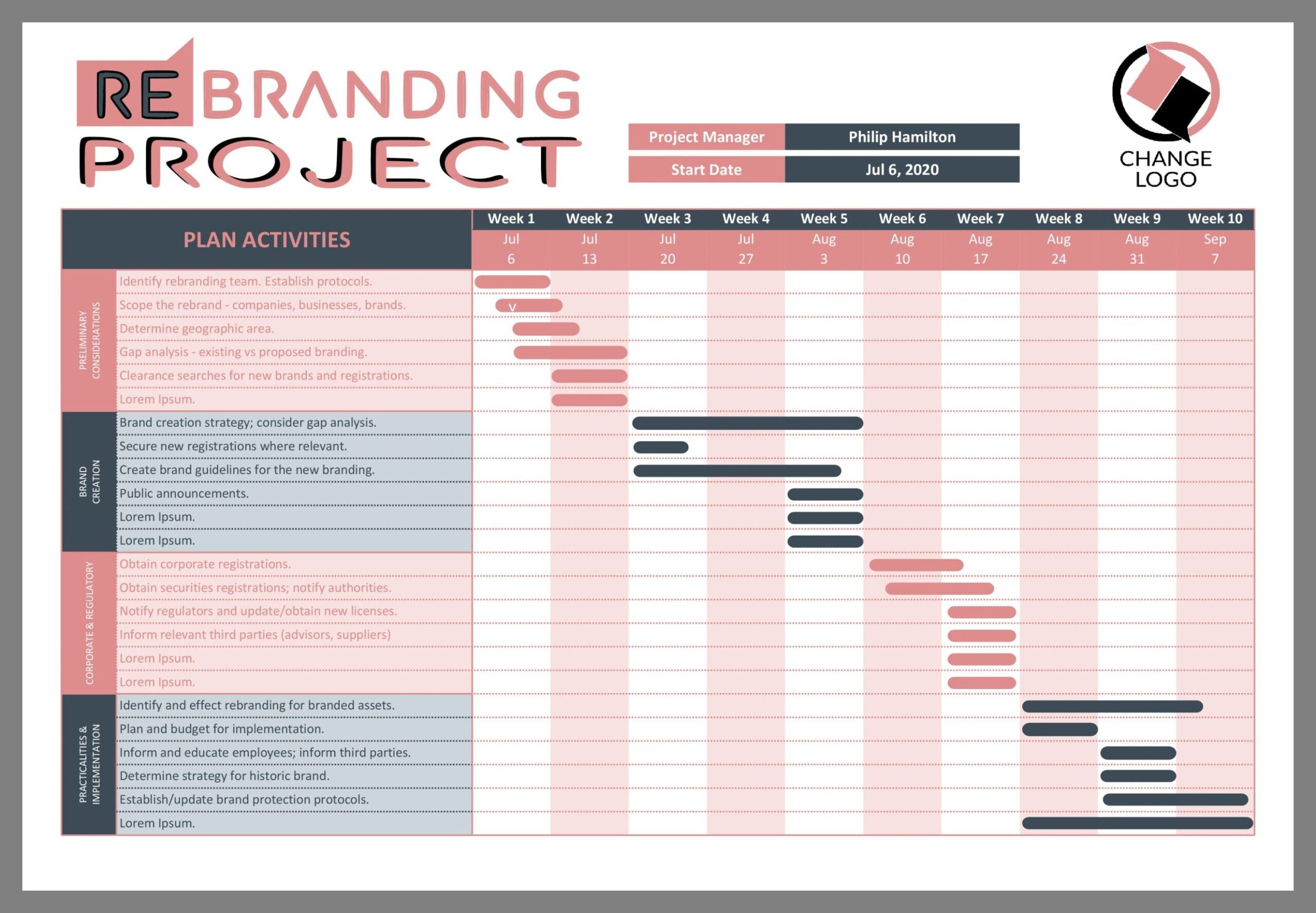
Project planning is a crucial aspect of any successful endeavor, whether it’s a small personal project or a large-scale business initiative. A well-thought-out project plan serves as a roadmap that guides the team through the various stages of the project, helping to ensure that goals are met on time and within budget. In this comprehensive guide, we will explore the what, why, key elements, how to, and tips for successful project planning.
What is Project Planning?
Project planning is the process of defining the scope, objectives, and deliverables of a project, as well as creating a detailed timeline and budget for its execution. It involves identifying the tasks that need to be completed, assigning responsibilities to team members, and establishing milestones to track progress. A project plan serves as a blueprint for the project, outlining the steps that need to be taken to achieve its goals.
Why is Project Planning Important?
Effective project planning is essential for the success of any project. It helps to ensure that all team members are on the same page and working towards a common goal. By creating a clear roadmap for the project, project planning helps to minimize risks, identify potential roadblocks, and allocate resources effectively. Without a solid project plan in place, projects are more likely to run over budget, miss deadlines, or fail to meet quality standards.
Key Elements of Project Planning
Several key elements are essential to successful project planning:
- Scope: Clearly define the objectives and deliverables of the project.
- Timeline: Create a detailed timeline outlining the start and end dates of each task.
- Budget: Allocate resources and establish a budget for the project.
- Tasks: Identify the specific tasks that need to be completed to achieve the project’s goals.
- Responsibilities: Assign responsibilities to team members and stakeholders.
- Risks: Identify potential risks and develop strategies to mitigate them.
Examples
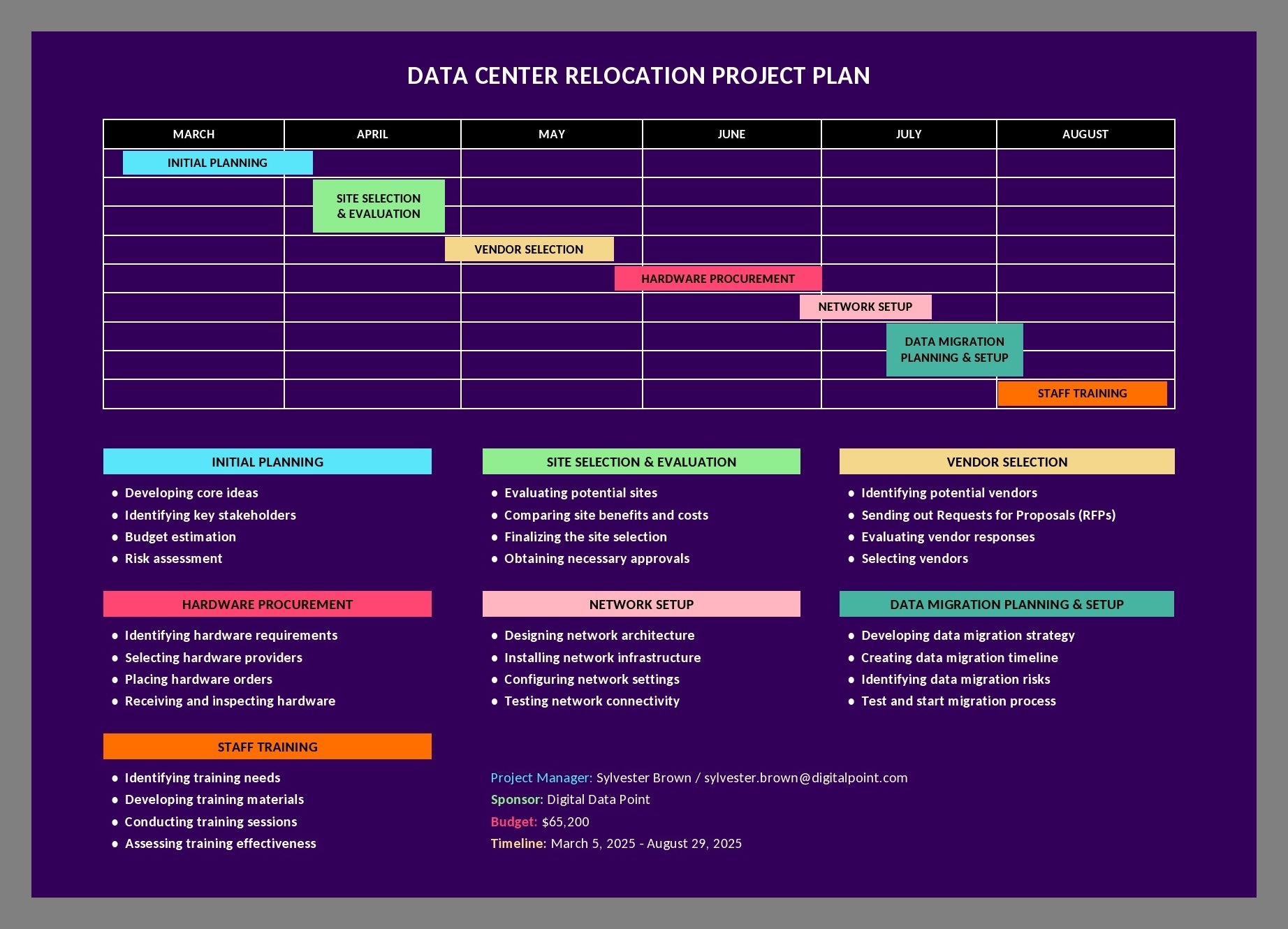
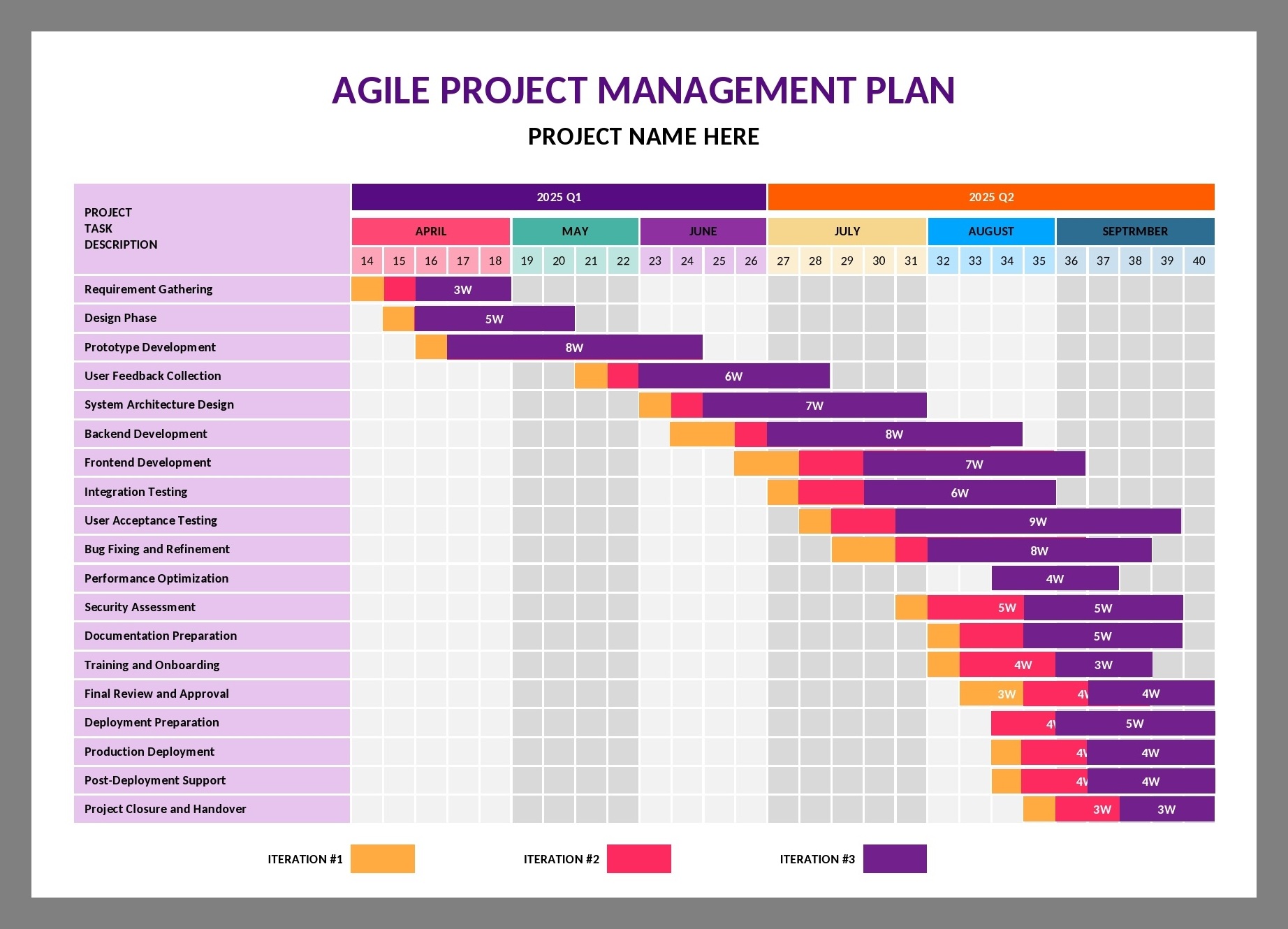
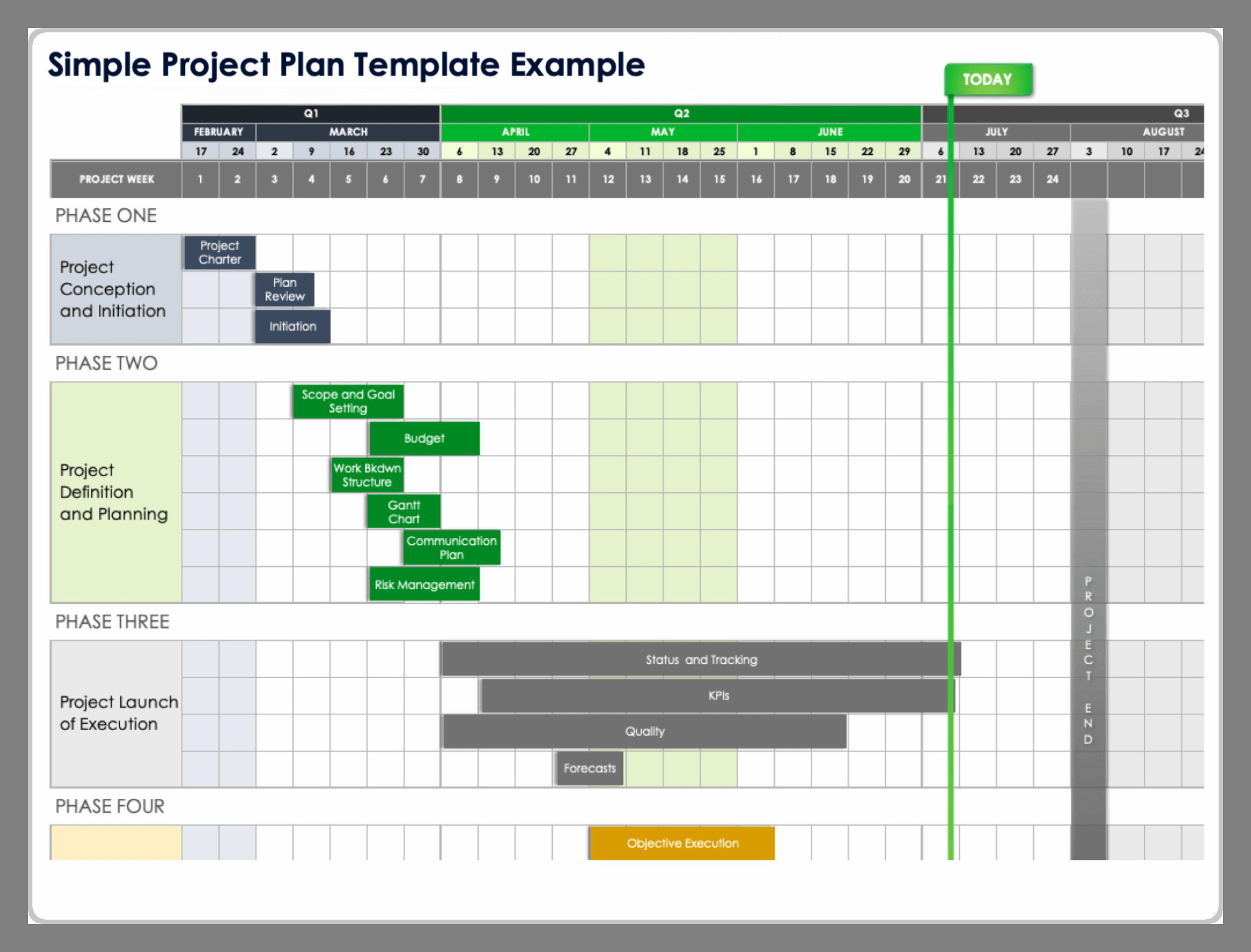
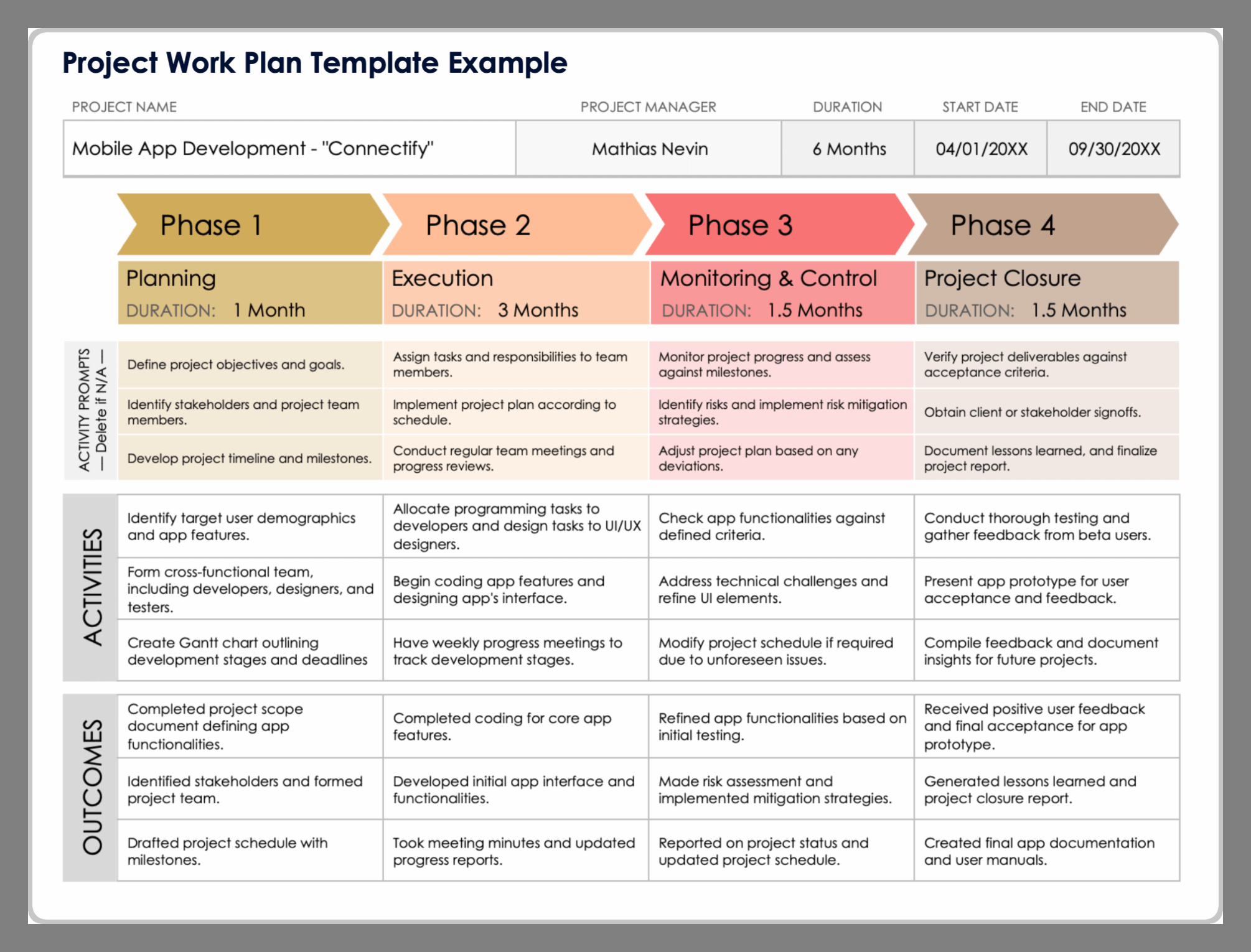
How to Create a Project Plan
Creating a project plan involves several steps:
1. Define the Scope
Clearly define the objectives and deliverables of the project to ensure that everyone is on the same page.
2. Create a Timeline
Develop a detailed timeline that outlines the start and end dates of each task to keep the project on track.
3. Allocate Resources
Determine the resources needed for the project and allocate them effectively to avoid delays.
4. Assign Responsibilities
Assign responsibilities to team members and stakeholders to ensure that everyone knows what is expected of them.
5. Identify Risks
Identify potential risks that could impact the project and develop strategies to mitigate them.
6. Monitor Progress
Regularly monitor progress against the project plan to identify any issues and make adjustments as needed.
7. Communicate Effectively
Ensure open and transparent communication with team members, stakeholders, and clients throughout the project.
Tips for Successful Project Planning
Here are some tips to help you create a successful project plan:
- Set Clear Goals: Clearly define the goals and objectives of the project from the outset.
- Involve Stakeholders: Involve key stakeholders in the planning process to ensure their buy-in and support.
- Use Project Management Tools: Utilize project management tools to help streamline the planning process and track progress.
- Be Flexible: Be prepared to adapt the project plan as needed to accommodate changes and unforeseen circumstances.
- Celebrate Milestones: Celebrate achievements and milestones along the way to keep the team motivated and engaged.
- Learn from Mistakes: Take the time to reflect on past projects and learn from any mistakes or failures to improve future planning.
- Seek Feedback: Encourage feedback from team members and stakeholders to continuously improve the project planning process.
- Stay Organized: Keep all project documentation and communication organized and easily accessible for reference.
By following these tips and best practices, you can create a solid project plan that sets your project up for success. Remember, project planning is an ongoing process that requires constant monitoring and adjustment to ensure that your project stays on track and achieves its goals.
