Exercise planning is a crucial component of any fitness journey. Whether you are a seasoned gym-goer or just starting, having a well-thought-out exercise plan can help you stay on track, maximize your results, and avoid burnout.
In this comprehensive guide, we will delve into the what, why, what to include, how to, and tips for creating a successful exercise plan that works for you.
What is Exercise Planning?
Exercise planning involves the process of strategically organizing and scheduling your workouts to achieve specific fitness goals. It entails determining the types of exercises, duration, frequency, and intensity levels that are best suited for your needs and objectives.
A well-designed exercise plan takes into account factors such as your current fitness level, health status, lifestyle, and availability of time and resources.
Why is Exercise Planning Important?
Having a structured exercise plan is essential for several reasons:
- Goal Setting: Helps you set clear, achievable fitness goals.
- Consistency: Encourages regular participation in physical activity.
- Progress Tracking: Allows you to monitor your performance and make necessary adjustments.
- Prevents Plateaus: Helps prevent stagnation and keeps your workouts challenging.
- Time Management: Maximizes your time and energy by focusing on effective exercises.
- Motivation: Keeps you motivated and accountable to your fitness goals.
What to Include in an Exercise Plan
When creating an exercise plan, consider the following components:
- Fitness Goals: Clearly define your goals, whether it’s weight loss, muscle gain, or improved endurance.
- Exercise Selection: Choose a variety of exercises targeting different muscle groups and fitness components.
- Workout Schedule: Determine the frequency and duration of your workouts based on your availability and fitness level.
- Intensity Levels: Adjust the intensity of your workouts to match your fitness goals and current capabilities.
- Rest and Recovery: Schedule rest days to allow your body to recover and prevent overtraining.
- Nutrition Plan: Consider your dietary needs and fuel your body with the right nutrients for optimal performance.
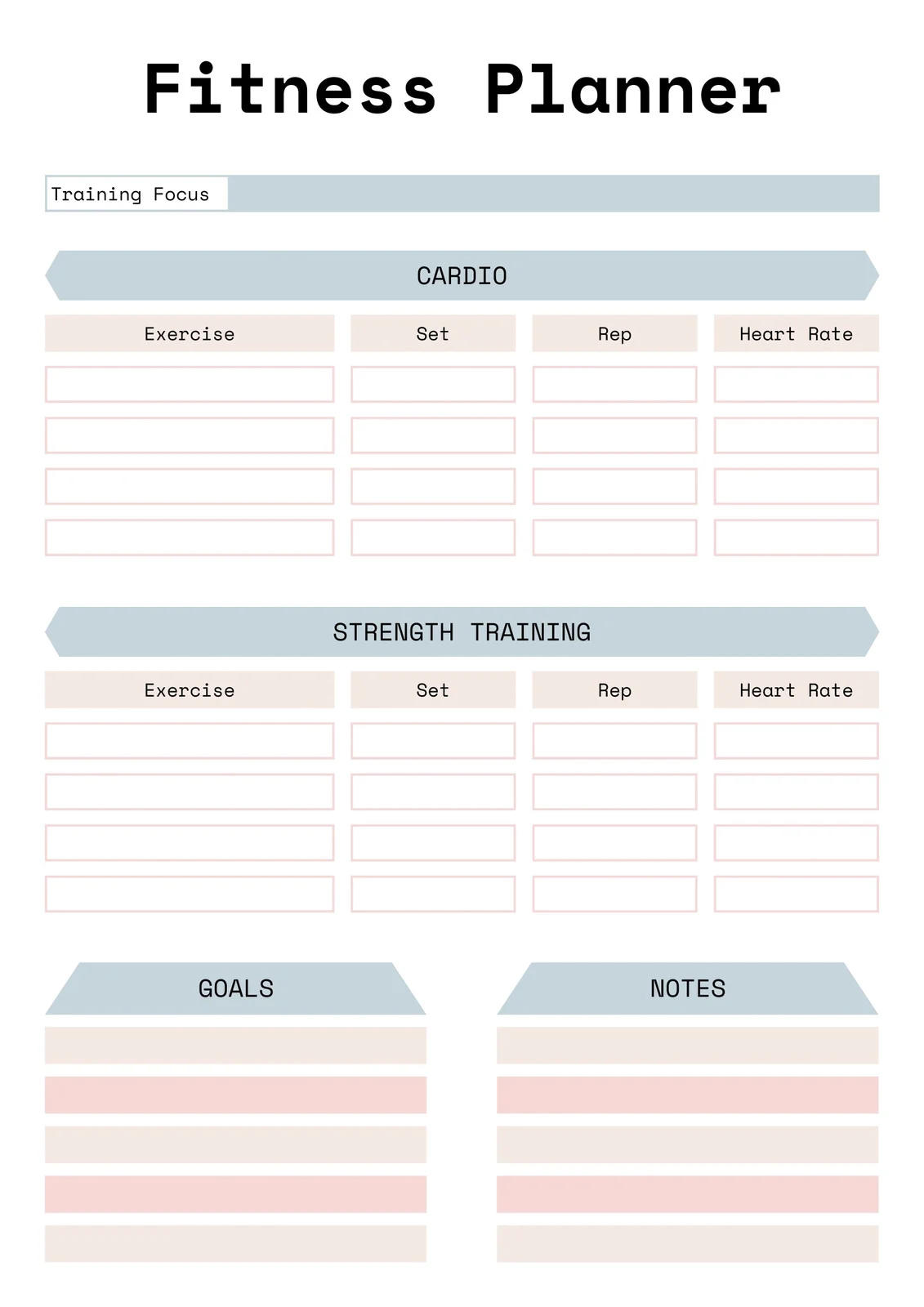
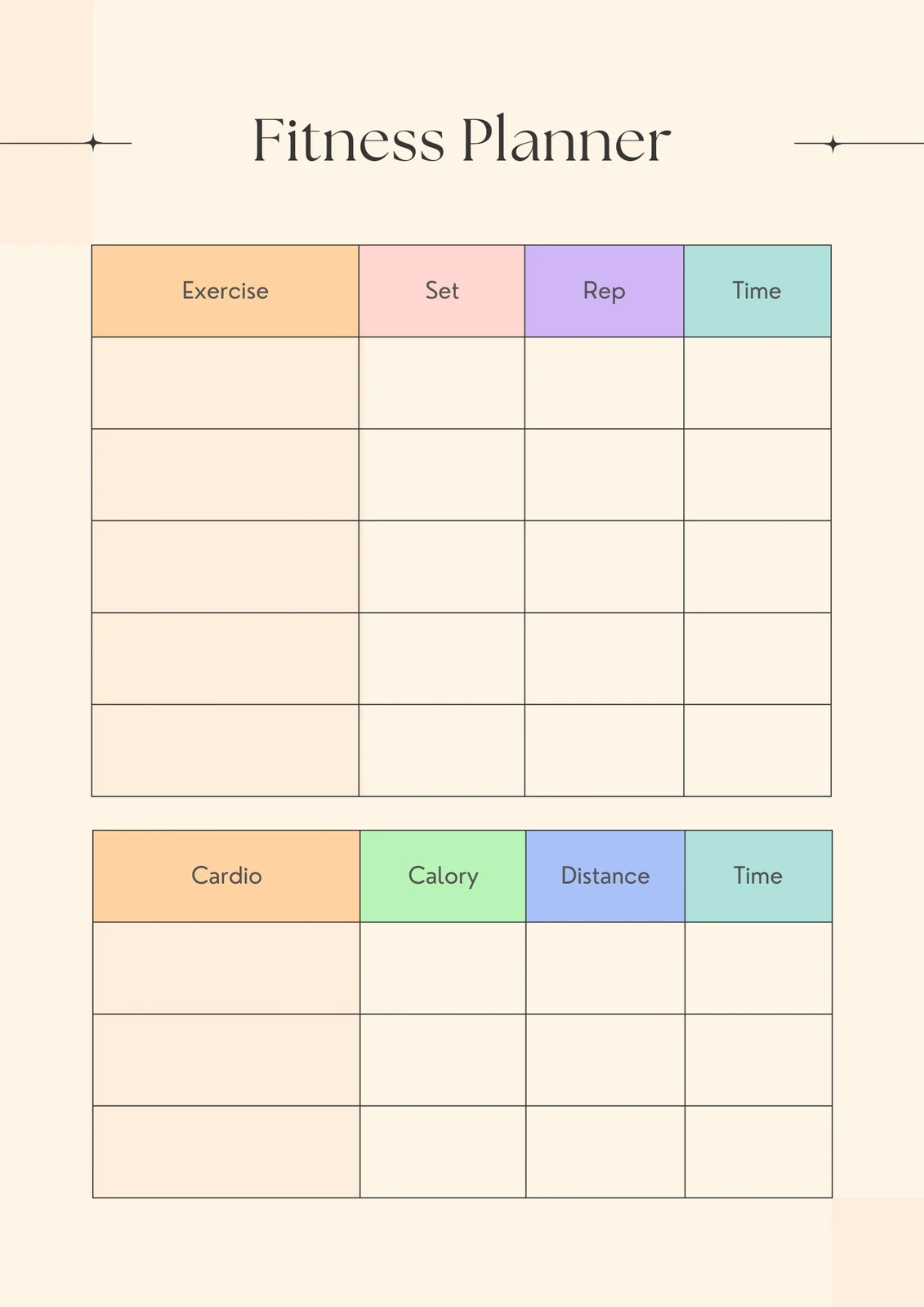
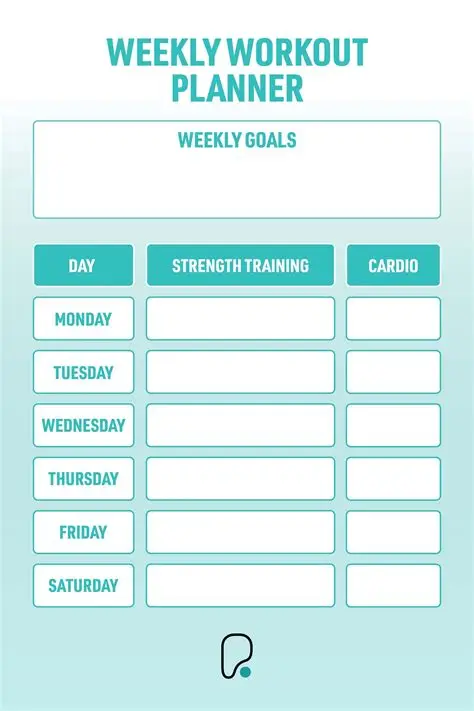
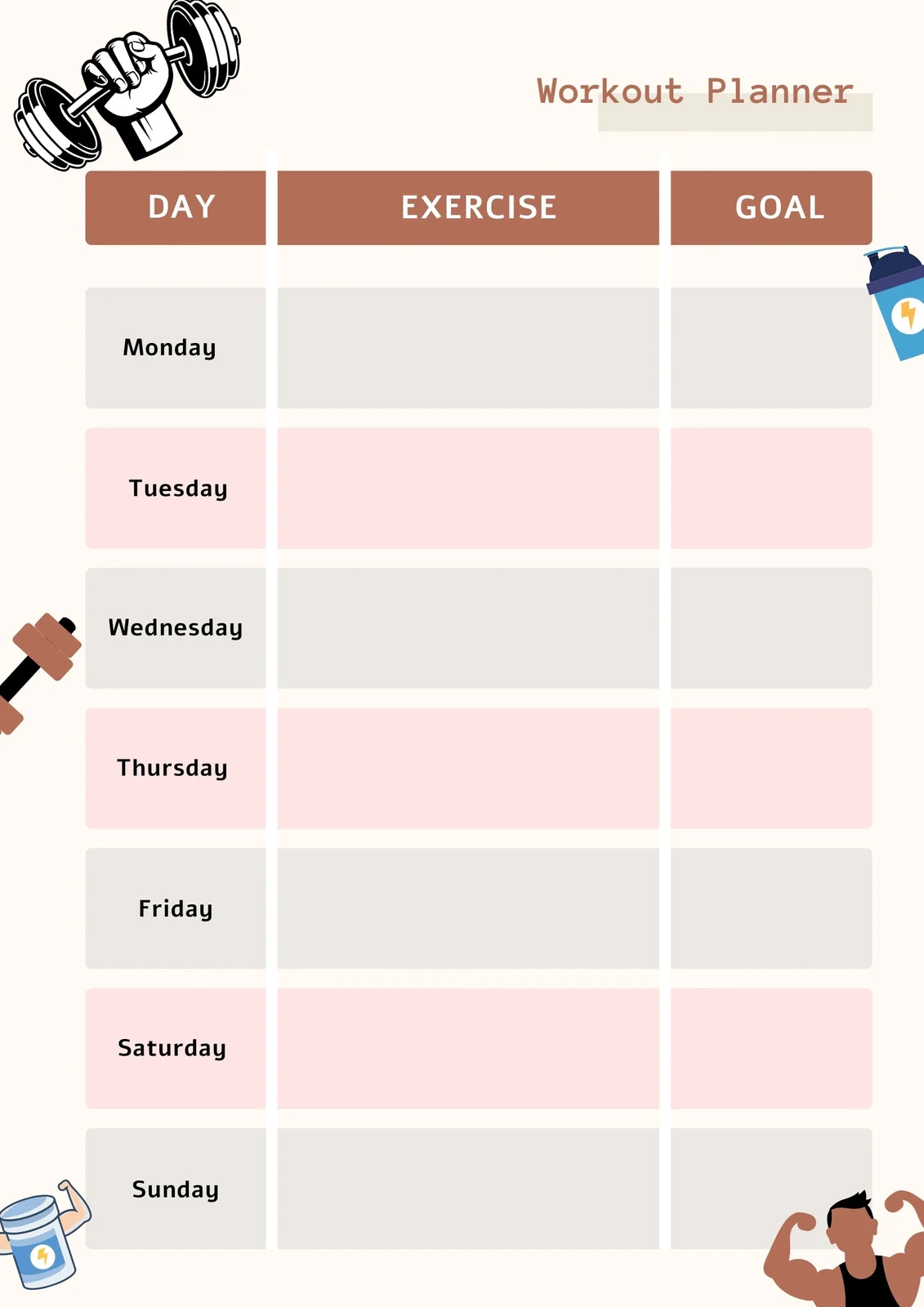
Examples
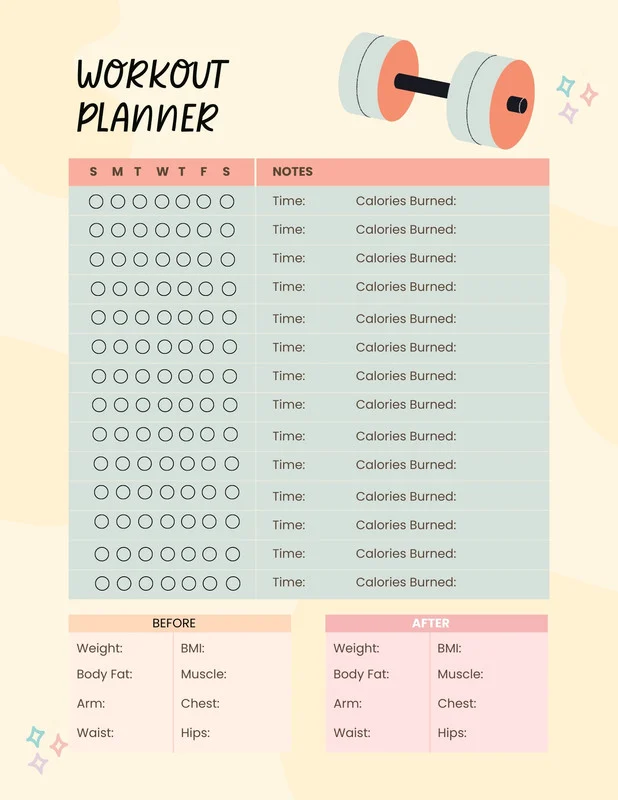
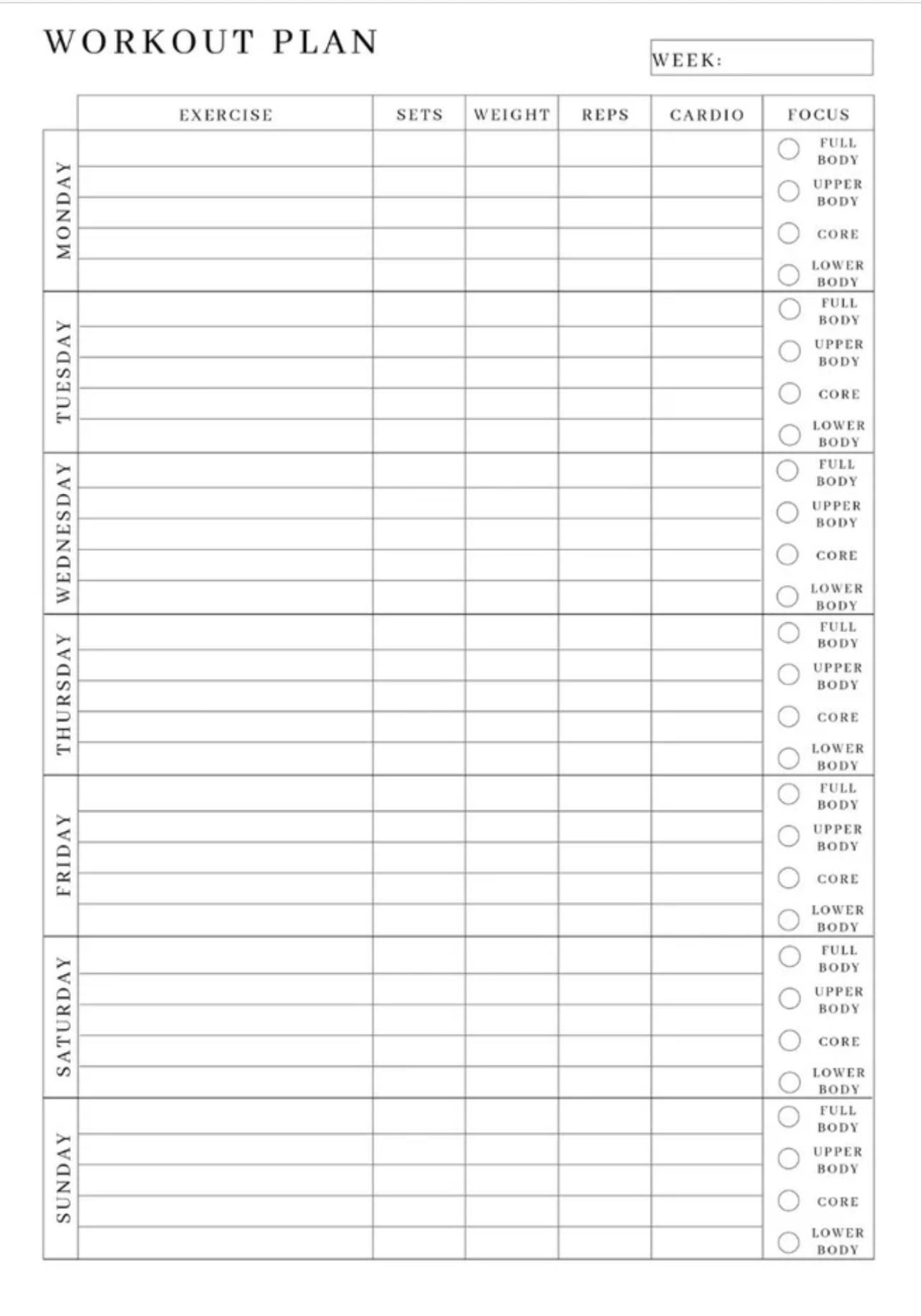
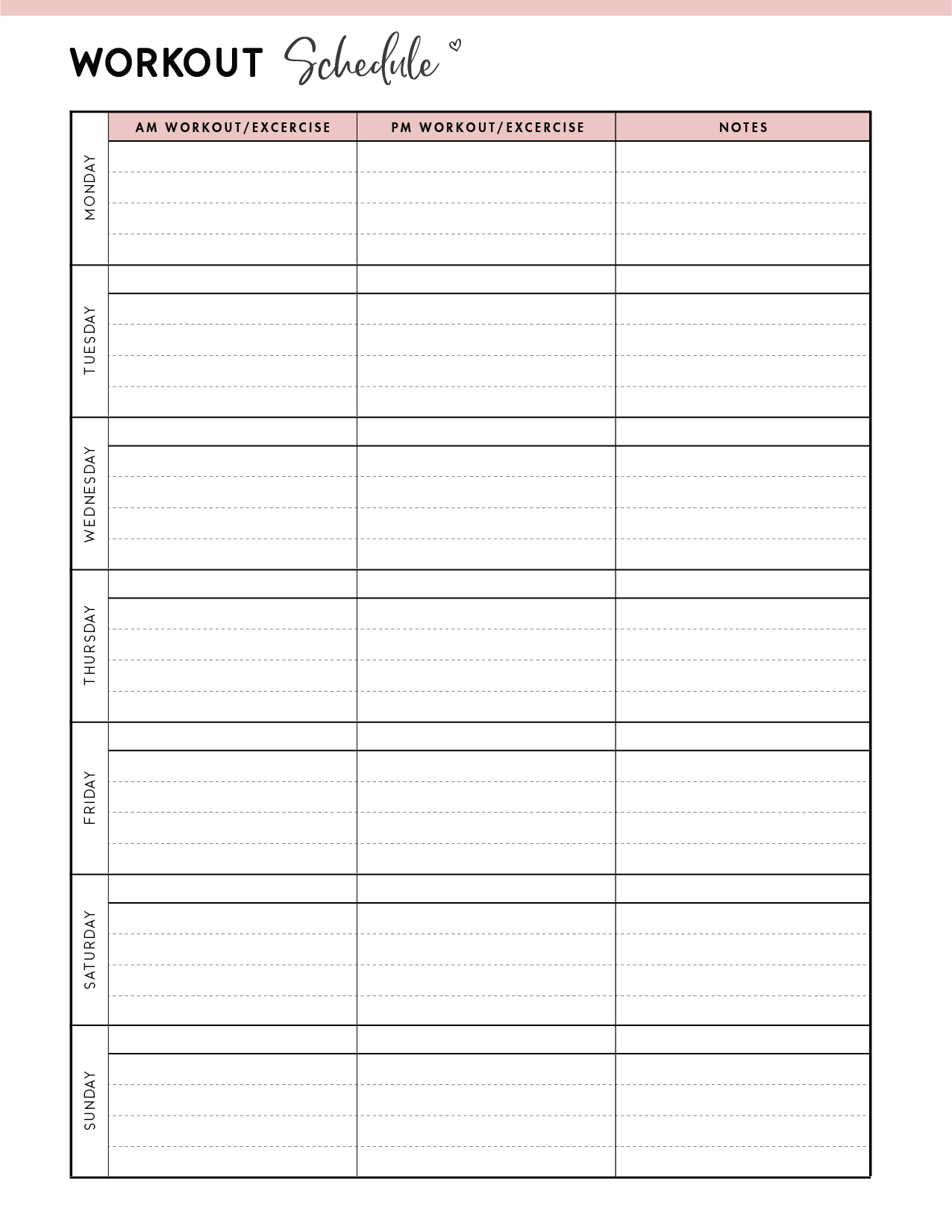
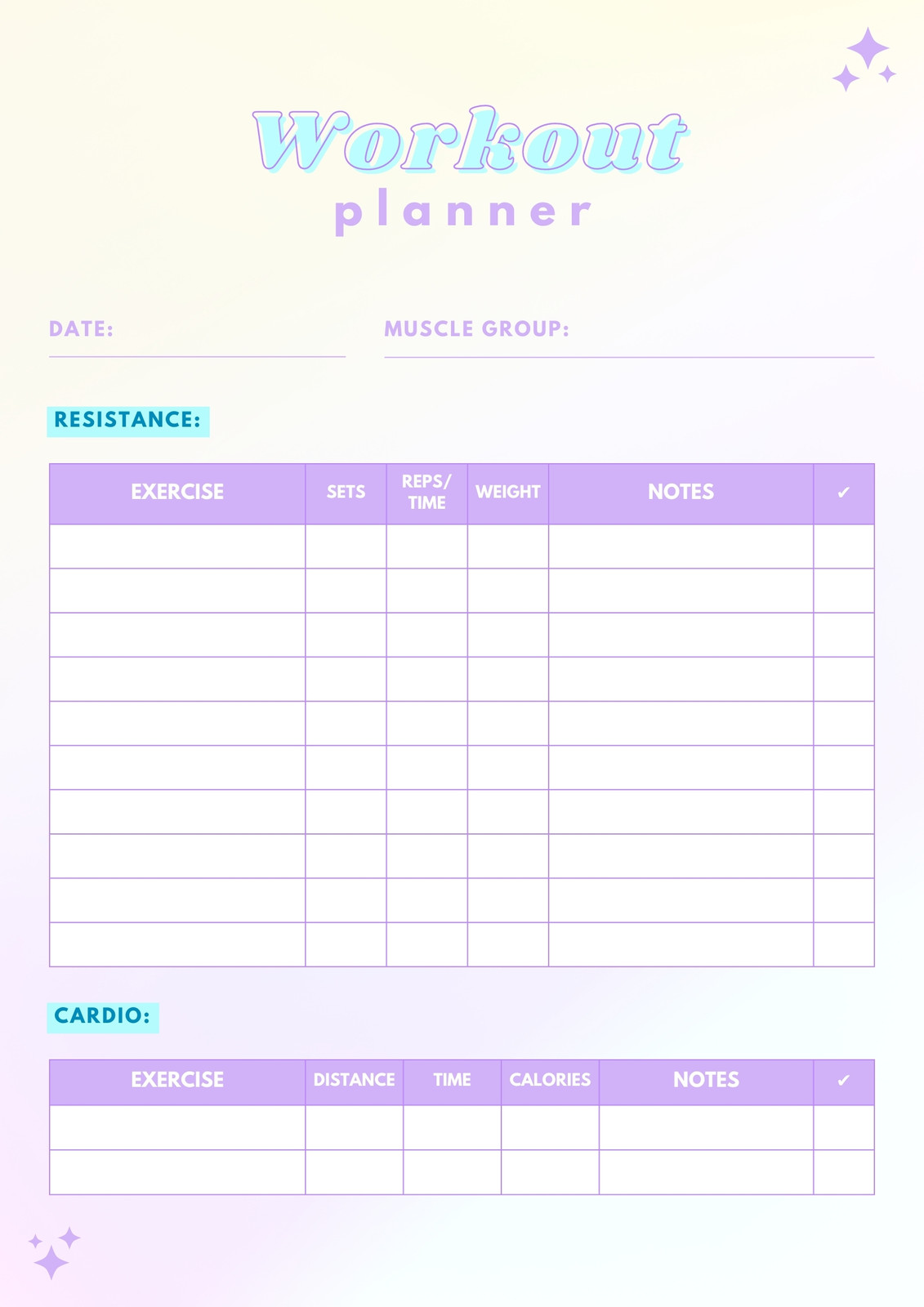
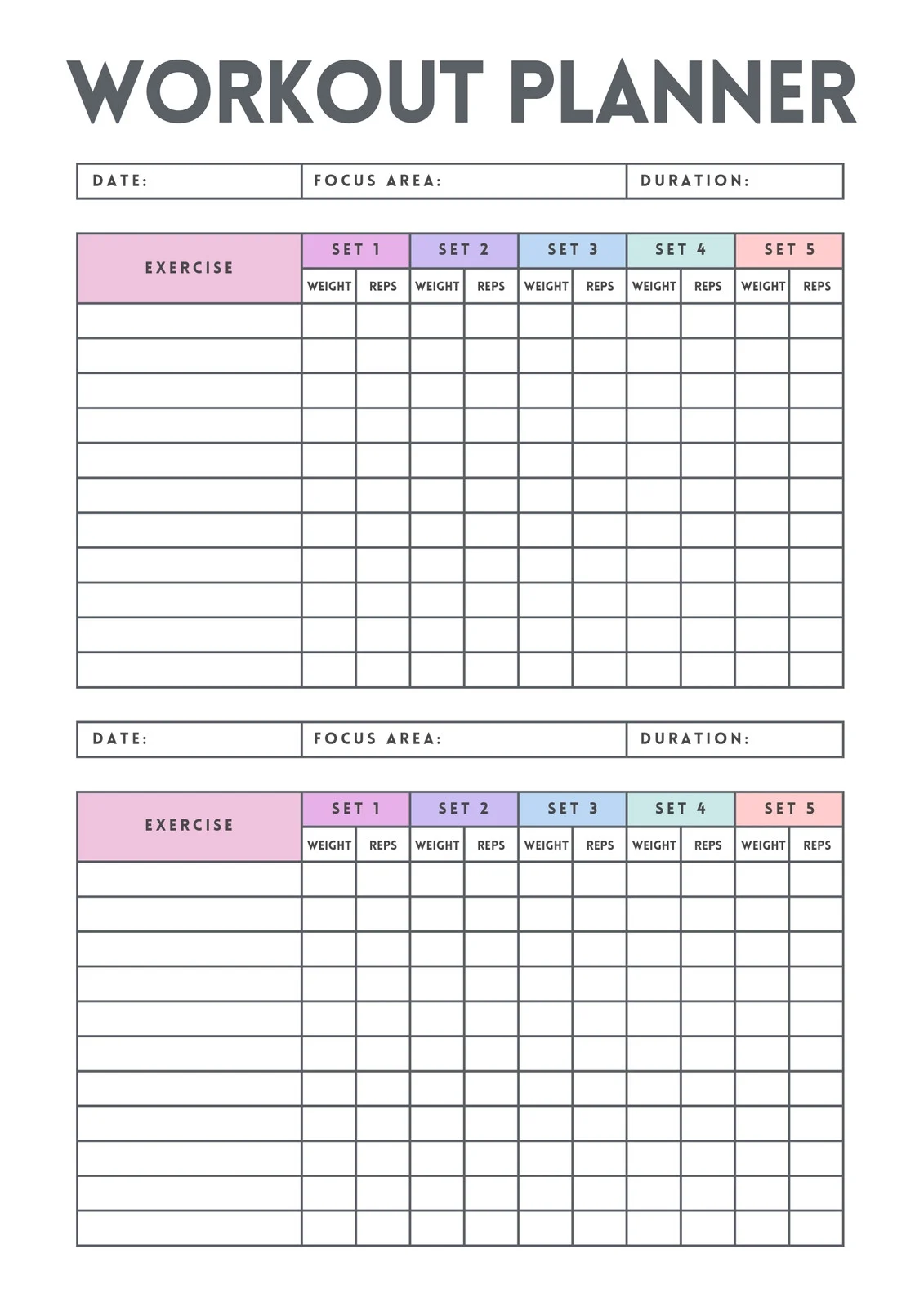
How to Create an Effective Exercise Plan
Follow these steps to create a personalized and effective exercise plan:
1. Set Clear Goals
Define your fitness goals, whether it’s losing weight, building muscle, improving flexibility, or enhancing endurance.
2. Assess Your Current Fitness Level
Evaluate your strengths, weaknesses, and overall fitness level to determine where you need to focus your efforts.
3. Choose Appropriate Exercises
Select exercises that align with your goals and target different muscle groups for a balanced workout routine.
4. Establish a Workout Schedule
Determine how many days per week you will exercise and allocate time for each session based on your availability.
5. Monitor Your Progress
Track your workouts, measurements, and performance to assess your progress and make necessary adjustments to your plan.
6. Listen to Your Body
Pay attention to how your body responds to exercise and adjust the intensity and duration of your workouts accordingly.
7. Stay Consistent
Consistency is key to seeing results. Stick to your exercise plan and make it a habit in your daily routine.
8. Incorporate Variety
Include different types of exercises to prevent boredom, challenge your body, and avoid overuse injuries.
9. Prioritize Recovery
Allow your body to rest and recover between workouts to prevent burnout and promote muscle recovery.
10. Seek Professional Guidance
If you’re unsure about creating an exercise plan or need personalized guidance, consider working with a certified fitness trainer or coach.
Tips for Successful Exercise Planning
Here are some additional tips to help you create and maintain a successful exercise plan:
- Start Slow: Gradually increase the intensity and duration of your workouts to prevent injuries.
- Stay Hydrated: Drink plenty of water before, during, and after your workouts to stay hydrated.
- Listen to Your Body: If you feel pain or discomfort during exercise, stop and seek medical advice if necessary.
- Get Adequate Sleep: Aim for 7-9 hours of quality sleep each night to support recovery and overall health.
- Have Fun: Choose activities that you enjoy to make exercise more enjoyable and sustainable in the long run.
- Stay Flexible: Be open to adjusting your plan as needed to accommodate changes in your schedule or fitness goals.
By following these guidelines and incorporating them into your exercise planning process, you can create a sustainable and effective workout routine that helps you achieve your fitness goals in a safe and enjoyable manner.
Exercise Planning Template – Download
