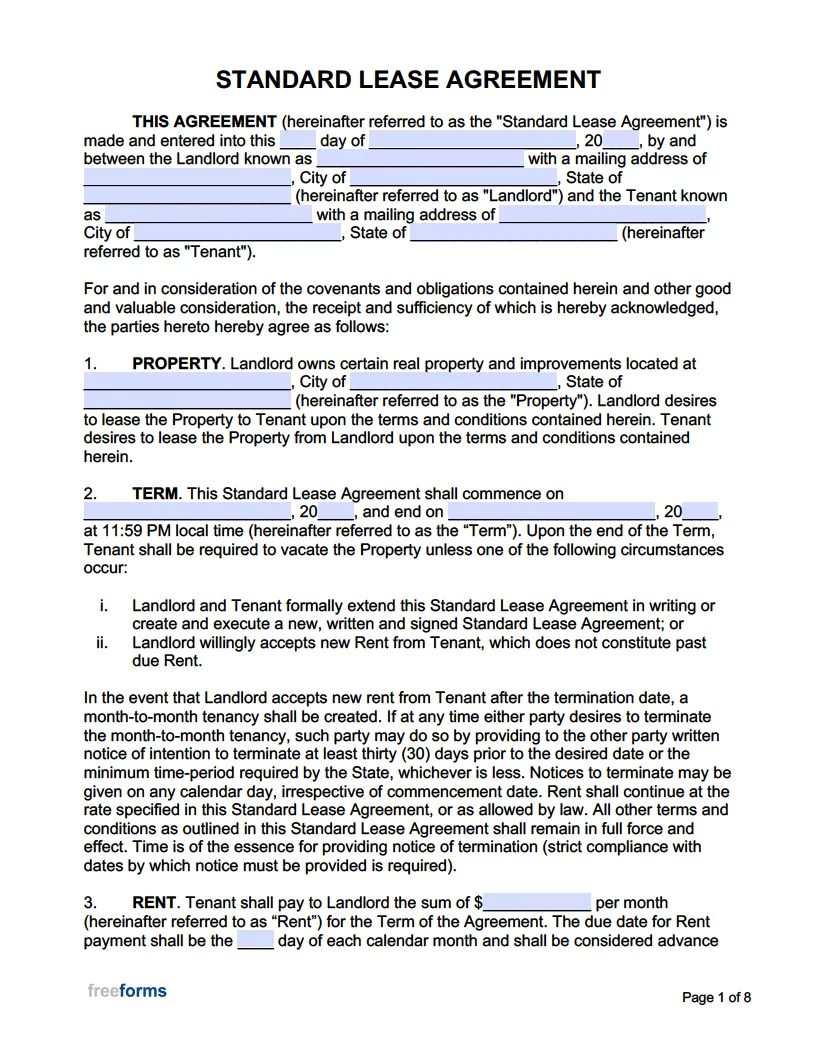
Renting a home is a common choice for many individuals and families. Before moving into a rental property, it is essential to have a clear understanding of the terms and conditions outlined in a residential lease agreement. This legal document serves as a contract between the landlord and tenant, detailing the rights and responsibilities of each party. In this article, we will explore the key elements of a residential lease agreement, why it is important, and provide tips for a successful leasing experience.
What is a Residential Lease Agreement?
A residential lease agreement is a legally binding document that outlines the terms and conditions of renting a property. This agreement is typically signed before the tenant moves into the rental unit and specifies important details such as the monthly rent amount, lease duration, security deposit requirements, pet policies, maintenance responsibilities, and other rules and regulations set by the landlord.
Why is a Residential Lease Agreement Important?
Having a well-drafted residential lease agreement is crucial for both landlords and tenants. For landlords, the lease agreement provides legal protection in case of disputes or violations by the tenant. It sets clear expectations and guidelines for the tenant to follow, ensuring that the property is well-maintained and rent is paid on time. For tenants, the lease agreement offers security and peace of mind, knowing their rights are protected and they have a place to call home for the specified lease duration.
Key Elements of a Residential Lease Agreement
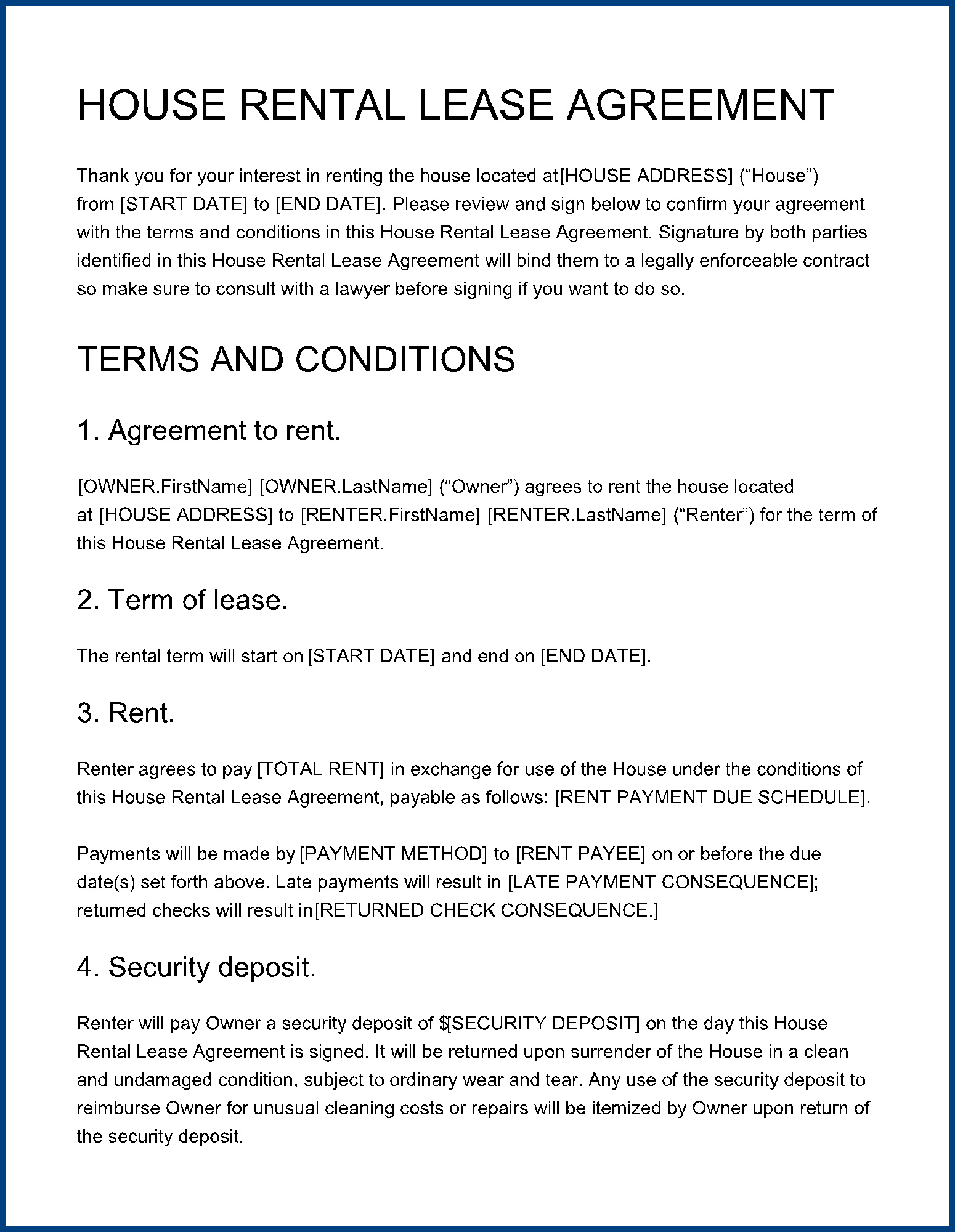
When drafting or reviewing a residential lease agreement, it is important to pay attention to the following key elements:
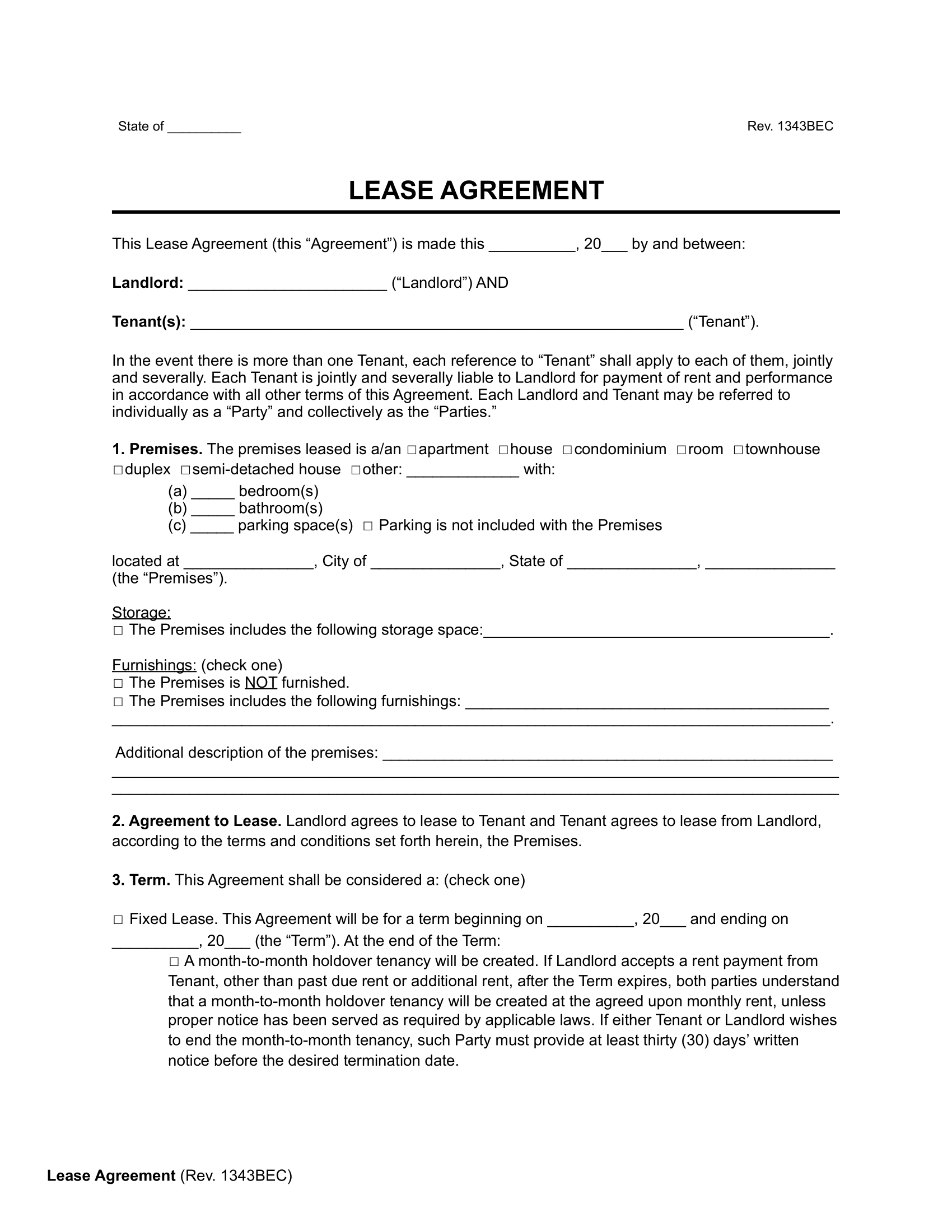
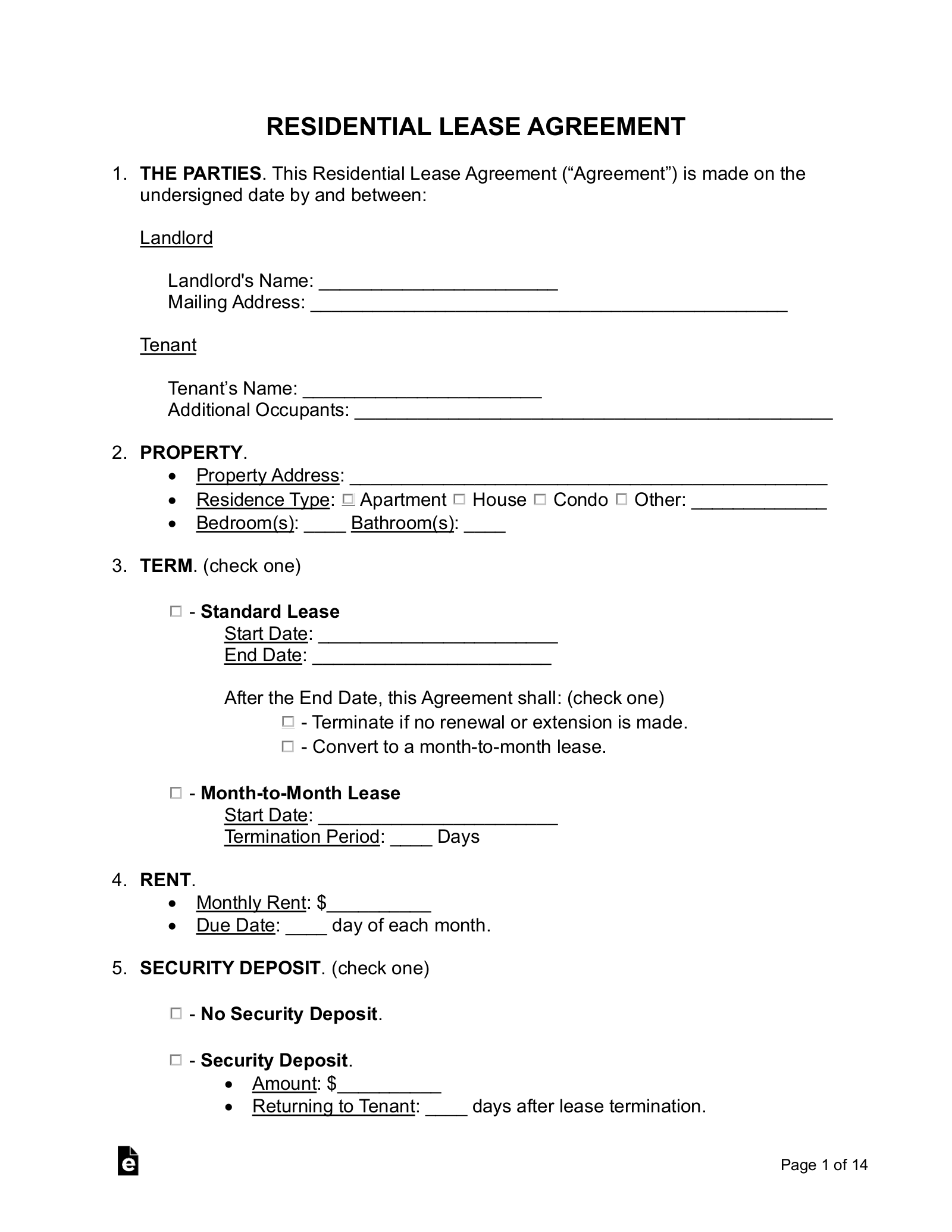
- Names of Parties: The full legal names of the landlord and tenant should be clearly stated.
- Property Description: The address and specific details of the rental property should be included.
- Lease Term: The duration of the lease, including the start and end dates, should be specified.
- Rent Amount: The monthly rent amount and due date should be clearly outlined.
- Security Deposit: The amount of the security deposit and terms for its return should be stated.
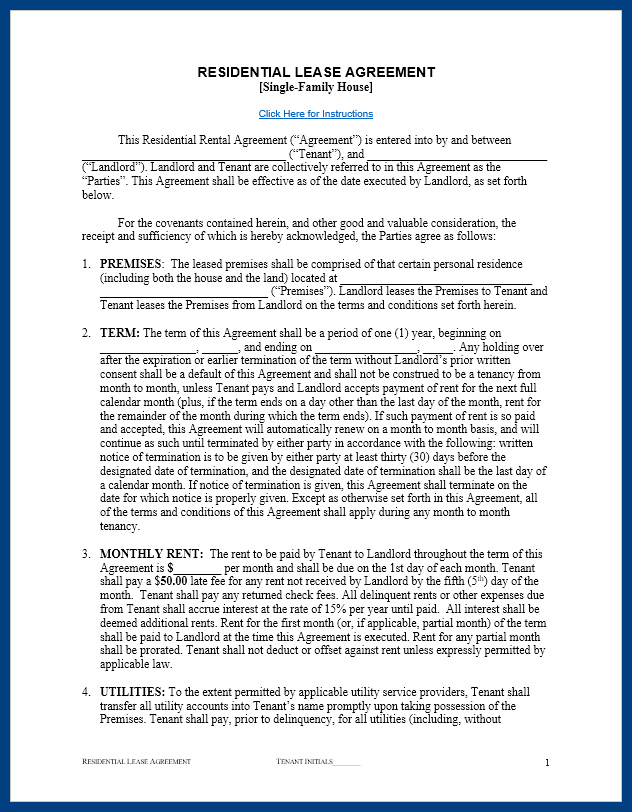
- Utilities and Maintenance: Responsibilities for utilities, repairs, and maintenance should be defined.
- Pet Policy: Any rules or restrictions regarding pets on the property should be addressed.
How to Sign a Residential Lease Agreement
Signing a residential lease agreement is a straightforward process that typically involves the following steps:
1. Review the Lease Agreement:
Read through the entire lease agreement carefully to understand all terms and conditions.
2. Negotiate Terms if Necessary:
If there are any aspects of the lease agreement that you are not comfortable with, discuss them with the landlord and negotiate changes if possible.
3. Sign the Agreement:
Once both parties are in agreement with the terms, sign the lease agreement and keep a copy for your records.
4. Pay Required Fees:
Pay any required fees such as the security deposit and first month’s rent as outlined in the lease agreement.
5. Move-in Inspection:
Conduct a move-in inspection with the landlord to document the condition of the property before moving in.
Tips for a Successful Residential Lease Agreement
Here are some tips to ensure a successful leasing experience:
- Communicate Openly: Maintain open communication with your landlord to address any concerns or issues promptly.
- Follow Lease Guidelines: Adhere to the terms and conditions outlined in the lease agreement to avoid any disputes.
- Seek Legal Advice if Needed: If you have any questions or concerns about the lease agreement, consult with a legal professional for guidance.
- Document Everything: Keep records of all communication, payments, and maintenance requests related to the rental property.
- Respect the Property: Treat the rental property with care and respect to maintain a good relationship with the landlord.
By understanding the key elements of a residential lease agreement, why it is important, and following these tips for a successful leasing experience, both landlords and tenants can ensure a smooth and mutually beneficial rental relationship.
Residential Lease Agreement Template
