Table cards play a crucial role in both social and business settings, serving as a tool to designate a specific guest’s seat at an event or to promote a product or service at a venue. Whether it’s ensuring a smooth seating process at a wedding or advertising specials at a restaurant, table cards are versatile and effective.
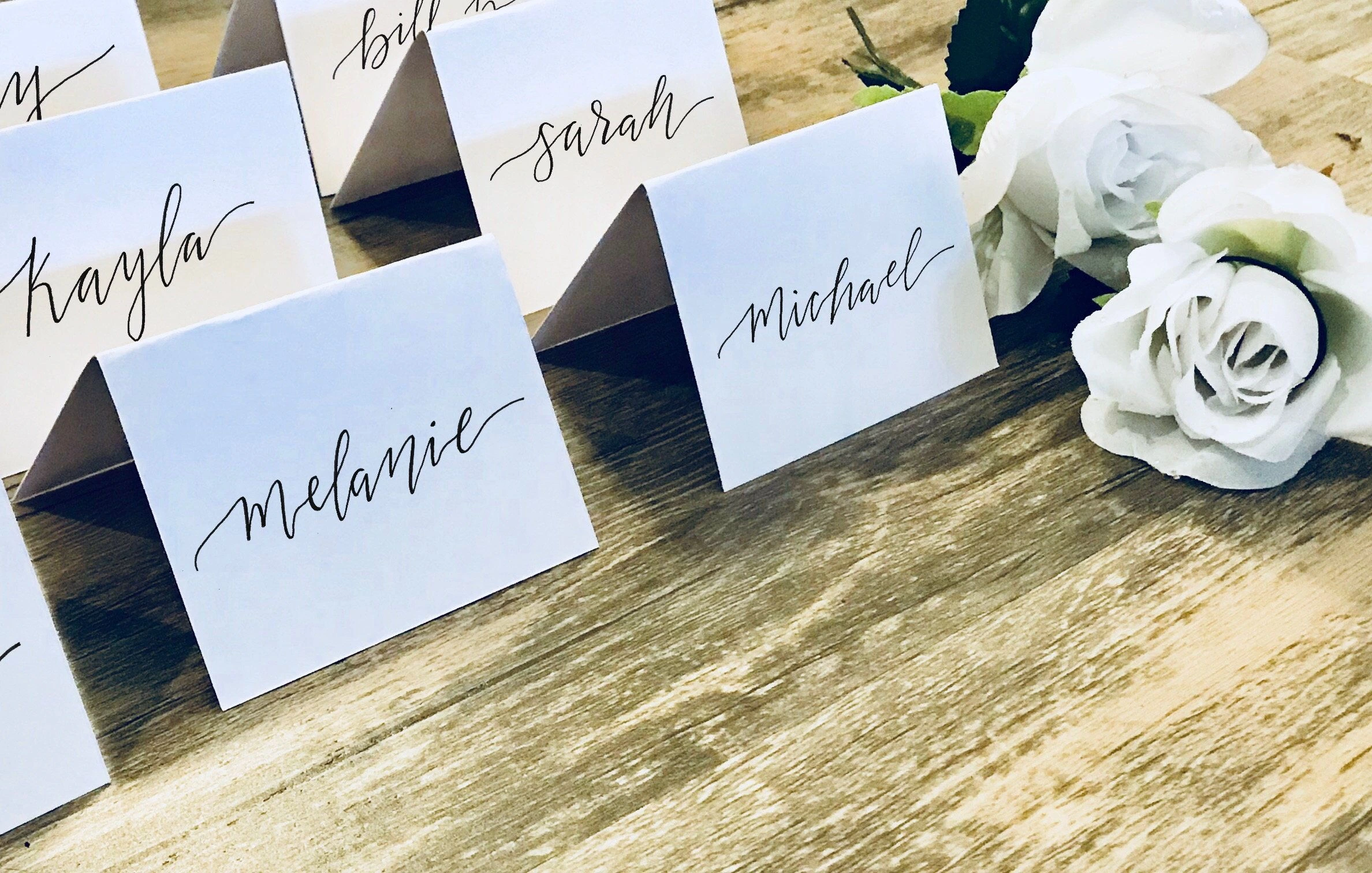
In this comprehensive guide, we will explore the what, why, key elements, how-to, and tips for using table cards in various scenarios.
What are Table Cards?
Table cards, also known as place cards or table tents, are small cards displayed on tables to serve different purposes. At events like weddings, they assign each guest a seat, help with dietary requests, and ensure an organized seating arrangement.
In a business context, table cards are used as promotional materials to advertise specials, events, or products to customers.
Why Use Table Cards?
Table cards are essential for several reasons in different settings.
Enhanced Guest Experience
Using table cards at events like weddings enhances the overall guest experience by providing a sense of organization and structure. Guests can easily locate their assigned seats without the need for confusion or disruptions, allowing them to relax and enjoy the event. Table cards also help caterers and servers efficiently deliver meals and accommodate special requests, contributing to a seamless dining experience.
Effective Marketing Tool
In a business context, table cards serve as an effective marketing tool to promote products, specials, or events to customers. Placing table cards strategically on dining tables or counters ensures that customers see the promotional messages while they are seated, increasing the chances of them engaging with the offers. Table cards can influence purchasing decisions, drive sales, and create awareness about new products or services.
Communication and Information Sharing
Table cards facilitate communication and information sharing in both social and business settings. At events like weddings, place cards convey important details such as seat assignments, meal preferences, and special instructions to guests and staff. In restaurants and cafes, table cards communicate menu specials, upcoming events, or promotional offers to customers, keeping them informed and engaged during their visit.
Branding and Visibility
Using table cards with appropriate branding elements helps reinforce the identity of a business or event. Customizing table cards with logos, colors, and fonts that align with the brand creates a cohesive visual experience for customers. Additionally, strategically placing table cards in visible locations ensures that they attract attention and stand out, increasing brand visibility and recognition among guests or customers.
Cost-Effective Promotion
Table cards are a cost-effective promotional tool for businesses looking to reach a targeted audience in a direct and impactful way. Compared to traditional advertising methods, such as print or digital ads, table cards are relatively inexpensive to produce and can yield high returns on investment. Businesses can create eye-catching table cards in-house or work with printing services to design and print customized cards at a reasonable cost.
Key Elements of Table Cards
When creating table cards, there are several key elements to consider to ensure they are effective and serve their purpose well. These elements include:
Design
The design of table cards plays a critical role in capturing the attention of guests or customers. The visual appeal of the cards should align with the theme of the event or the branding of the business. Whether it’s a sophisticated design for a wedding or a vibrant layout for a restaurant promotion, the design should be appealing and engaging.
Information
Table cards should contain relevant and informative content that serves the intended purpose. For social events, this may include guest names, table numbers, and meal preferences. In a business context, table cards should feature compelling messages, promotions, or calls to action that entice customers to engage with the brand or make a purchase.
Placement
Strategic placement of table cards is essential to ensure maximum visibility and impact. In social events, place cards should be placed at each guest’s assigned seat to facilitate a smooth seating process. In restaurants or cafes, table cards can be displayed on dining tables, counters, or display stands where customers can easily see them while they dine, encouraging them to explore the offerings.
Size
The size of table cards should be appropriate for the table or display area where they will be placed. Table cards that are too large may obstruct the dining experience for guests or take up valuable space on a table. On the other hand, table cards that are too small may not be easily visible or readable to customers, diminishing their effectiveness as promotional tools.
Quality
Using high-quality materials and printing techniques is crucial to ensure that table cards look professional and withstand wear and tear. Durable cardstock or paper with a smooth finish enhances the overall appearance of the cards and conveys a sense of quality to guests or customers. Investing in quality printing services ensures that the text and images on table cards are clear, sharp, and long-lasting.
Consistency
Maintaining consistency in design, branding, and messaging across all table cards is essential for creating a cohesive and unified experience for guests or customers. Whether it’s a series of table cards promoting different menu items or a set of place cards for a wedding reception, consistency in visual elements and information helps reinforce the brand identity and ensures clarity for the audience.
Interactivity
Adding interactive elements to table cards can enhance customer engagement and make the promotional experience more memorable. QR codes, scannable links, or interactive features that lead customers to exclusive offers or additional information create a sense of participation and intrigue. Interactive table cards encourage customers to interact with the brand beyond the initial visual impression.
Durability
Ensuring that table cards are durable and long-lasting is crucial for maintaining their appearance and effectiveness throughout an event or promotion. Water-resistant coatings, laminations, or protective sleeves can help protect table cards from spills, stains, or accidental damage. Choosing materials that can withstand handling and environmental factors ensures that table cards remain in good condition for the duration of their use.
Accessibility
Table cards should be easily accessible and readable for guests or customers to ensure that they can engage with the information effectively. Avoid cluttering tables with too many table cards or overloading them with excessive text or images. Providing clear and concise information that is easy to read at a glance ensures that table cards serve their purpose without overwhelming or confusing the audience.
Versatility
Designing table cards with versatility in mind allows them to serve multiple purposes and adapt to different settings. For businesses, creating table cards that can be repurposed for various promotions or events saves time and resources. In social settings, choosing table cards that can be customized with different designs or themes for different occasions adds a personal touch and flexibility to the event planning process.
How to Use Table Cards
Using table cards effectively requires careful planning and execution. Here are some steps to follow when using table cards:
Identify the Purpose
Before creating table cards, it’s essential to clearly define their purpose and objectives. Determine whether the table cards will be used for seating assignments at an event or for promoting specific products or services in a business setting. Understanding the intended goal of the table cards will guide the design, content, and placement decisions throughout the process.
Design the Cards
Once the purpose of the table cards is established, begin the design process by creating visually appealing layouts that align with the event theme or business branding. Consider using colors, fonts, and graphics that reflect the tone and style of the occasion. For business promotions, incorporate eye-catching elements that draw attention and convey the message effectively to customers.
Print the Cards
After finalizing the design of the table cards, select a reputable printing service to produce high-quality printed materials. Choose a printing technique that enhances the visual appeal of the cards, such as digital printing for vibrant colors or offset printing for precise details. Ensure that the printed cards match the intended design and specifications to maintain consistency and professionalism.
Place the Cards
Strategically place the table cards in visible and accessible locations to maximize their impact on guests or customers. For social events, position place cards at each guest’s assigned seat to ensure a seamless seating process. In restaurants or businesses, display table cards on dining tables, counters, or bar tops where they can be easily seen by customers. Consider using stands or holders to elevate the cards for better visibility.
Monitor and Update
Regularly monitor the condition of table cards and update the information as needed to keep them relevant and effective. In social events, make any last-minute changes to seating assignments or meal preferences before guests arrive. For business promotions, update table cards with new specials, offers, or events to keep customers informed and engaged. Monitoring and updating table cards ensures that they continue to serve their intended purpose throughout the event or promotion.
Engage with Guests or Customers
Encourage interaction with table cards by incorporating elements that engage guests or customers. Add interactive features like QR codes, contest entries, or social media prompts that prompt individuals to take action. Engaging with table cards creates a memorable experience for guests and encourages them to connect with the brand or event beyond the initial visual impression.
Solicit Feedback
Collect feedback from guests or customers about their experience with the table cards to gather insights and improve future strategies. Ask for opinions on the design, content, placement, and effectiveness of the table cards to identify areas for enhancement. Use feedback to refine the approach to using table cards and tailor future designs to better meet the needs and preferences of the target audience.
Measure Impact and ROI
Assess the impact and return on investment (ROI) of using table cards by tracking key performance indicators such as engagement, sales, or customer feedback. Analyze the effectiveness of the table cards in achieving their intended goals and objectives. Consider metrics like increased sales, customer retention, brand awareness, or event satisfaction to determine the success of the table card strategy and make data-driven decisions for future initiatives.
Tips for Using Table Cards
To make the most of table cards in your event or business promotion, consider the following tips:
Keep it Concise
Use clear and concise wording on table cards to convey the message effectively. Avoid cluttering the cards with excessive information or details that may overwhelm guests or customers. Keep the content straightforward, relevant, and easy to read at a glance to ensure that the message is communicated clearly.
Coordinate with Theme
Ensure that the design of table cards complements the overall theme of the event or business. Aligning the colors, fonts, and graphics of the table cards with the theme creates a cohesive visual experience for guests or customers. Whether it’s a formal wedding reception or a casual restaurant promotion, consistency in design enhances the overall ambiance and reinforces the brand identity.
Use Eye-Catching Colors
Utilize bright and attractive colors to draw attention to table cards and make them more noticeable to guests or customers. Vibrant hues and contrastive color schemes can grab the eye and prompt individuals to engage with the information on the cards. Choose colors that align with the brand or event theme while ensuring readability and visual appeal.
Update Regularly
Keep table cards updated with the latest information to avoid confusion or misinformation among guests or customers. If there are changes to seating assignments, menu specials, or promotional offers, ensure that the table cards reflect the most current details. Regularly checking and updating table cards maintains their relevance and effectiveness throughout the event or promotion.
Solicit Feedback
Ask for feedback from guests or customers to gather insights on the effectiveness and reception of the table cards. Encourage individuals to share their thoughts, preferences, or suggestions regarding the design, content, and placement of the cards. Use feedback to improve future iterations of table cards and tailor them to better meet the needs and expectations of the audience.
Consider Dual-Purpose
Maximize the impact of table cards by using them for dual purposes, such as seating assignments and promotions. In social events, incorporate promotional elements into place cards to inform guests about upcoming events or activities. For business promotions, use table cards to showcase menu items while also promoting specials or discounts. Dual-purpose table cards enhance their versatility and effectiveness as marketing tools.
Train Staff
Ensure that staff members are familiar with the information on table cards and can address any questions or inquiries from guests or customers. Train servers, hosts, or event staff on the content and purpose of the table cards to provide accurate information and assistance when needed. Staff members should be knowledgeable about the details featured on the table cards to enhance the overall guest experience and customer engagement.
Free Table Card Template
In conclusion, a Table Card is a stylish and practical way to organize seating arrangements and add a decorative touch to any event. It helps guests find their places easily while enhancing your table setup.
Make your event elegant and organized—download our Table Card Template and create beautiful, customized table cards today!
Table Card Template – WORD
