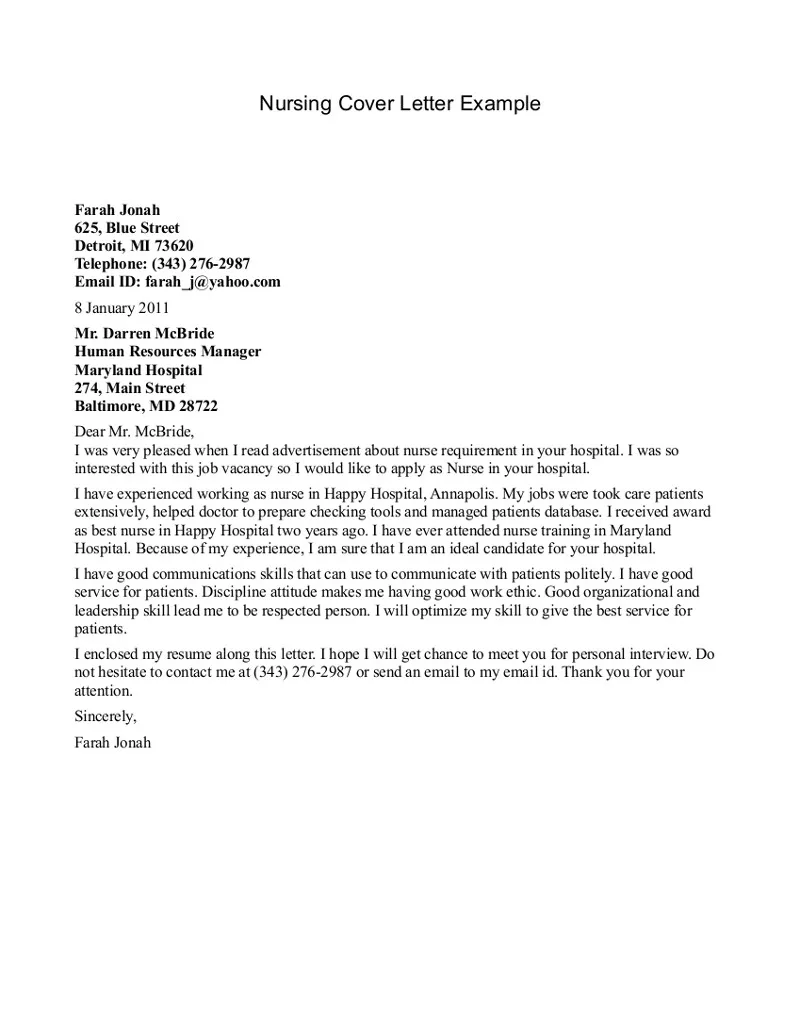
When applying for a nursing position, your cover letter is your chance to shine. It serves as a powerful tool to introduce yourself, showcase your passion for nursing, and connect your unique skills and experiences to a specific role. A well-crafted cover letter bridges the gap between your resume’s facts and the employer’s needs by highlighting your personality, work ethic, and alignment with the facility’s mission.
In essence, it makes you a memorable candidate beyond just credentials. Your cover letter is your opportunity to tell your professional story, demonstrate empathy, and convince the hiring manager that you are the ideal fit for that particular job.
What is a Nursing Cover Letter?
A nursing cover letter is a document that accompanies your resume when applying for a nursing position. It introduces you to the hiring manager, provides insight into your personality and work ethic, and explains how your skills and experiences make you a perfect fit for the job.
A well-written nursing cover letter showcases your passion for nursing and demonstrates your understanding of the facility’s mission.
Why is a Nursing Cover Letter Important?
A nursing cover letter is crucial because it allows you to stand out from other applicants and make a strong first impression. It provides a personal touch to your application and allows you to highlight your unique qualities that may not be evident in your resume. A well-crafted cover letter can set you apart from the competition and increase your chances of landing an interview.
Showcasing Your Personality
One of the key benefits of a nursing cover letter is that it allows you to showcase your personality and provide insight into who you are as a healthcare professional. You can share anecdotes, personal experiences, and examples of how you have demonstrated empathy, compassion, and resilience in your nursing career. By highlighting these aspects of your personality, you can make a strong emotional connection with the hiring manager and leave a lasting impression.
Highlighting Your Motivations
Another important aspect of a nursing cover letter is the opportunity to explain your motivations for pursuing a career in nursing. You can articulate your passion for helping others, your commitment to patient care, and your desire to make a meaningful impact in the healthcare field. By sharing your motivations, you can demonstrate to the employer that you are not just looking for a job, but a fulfilling and rewarding career that aligns with your values and aspirations.
Customizing Your Message
One of the advantages of a nursing cover letter is that it allows you to customize your message for each job application. You can tailor your cover letter to the specific job requirements, the mission of the facility, and the needs of the patients you will be serving. By customizing your message, you can demonstrate to the employer that you have taken the time to understand their organization and that you are genuinely interested in the opportunity. This level of personalization can make a significant impact on the hiring manager and increase your chances of being selected for an interview.
What to Include in Your Nursing Cover Letter?
When writing your nursing cover letter, there are several key elements that you should include to make it effective:
Contact Information
Include your full name, address, phone number, and email address at the top of the cover letter. This information should be clear, accurate, and easy to read to ensure that the employer can easily contact you for further communication.
Salutation
Address the cover letter to the hiring manager by name, if possible. If you are unsure of the hiring manager’s name, you can use a generic salutation such as “Dear Hiring Manager” or “To Whom It May Concern.” However, addressing the letter to a specific individual can personalize your message and demonstrate your attention to detail.
Introduction
The introduction of your nursing cover letter should be concise and engaging. Start by introducing yourself and stating the position you are applying for. You can also mention where you found the job listing and express your enthusiasm for the opportunity.
Body Paragraphs
The body of your nursing cover letter is where you can highlight your skills, experiences, and qualifications that make you a strong candidate for the position. Use this section to showcase specific examples of how you have excelled in previous nursing roles, how you have demonstrated critical thinking and problem-solving skills, and how you have contributed to improving patient outcomes. Be sure to align your experiences with the requirements of the job and the mission of the facility.
Closing Paragraph
In the closing paragraph of your nursing cover letter, summarize your qualifications and reiterate your interest in the position. You can also express your enthusiasm for the opportunity to contribute to the facility and make a positive impact on patient care. End the letter by thanking the hiring manager for considering your application and expressing your eagerness to discuss your qualifications further in an interview.
Signature
End the cover letter with a professional closing, such as “Sincerely” or “Best Regards,” followed by your full name and signature. If you are submitting your cover letter electronically, you can use a digital signature or simply type your name. This final touch adds a professional and polished finish to your cover letter.
How to Write a Nursing Cover Letter
Writing a compelling nursing cover letter requires careful planning and attention to detail. Here are some tips to help you craft a standout cover letter:
Research the Facility
Before writing your nursing cover letter, take the time to research the facility where you are applying. Familiarize yourself with their mission, values, and culture to tailor your cover letter to their specific needs. By demonstrating your understanding of the organization, you can show the hiring manager that you are genuinely interested in the opportunity and that you are a good fit for their team.
Highlight Your Skills
When writing your nursing cover letter, be sure to highlight your key skills and experiences that are relevant to the position. Focus on showcasing your clinical skills, your ability to work effectively in a team, your communication skills, and your commitment to patient-centered care. Use specific examples from your work experience to demonstrate how you have successfully applied these skills in a healthcare setting.
Showcase Your Passion
Communicate your enthusiasm for nursing and your dedication to providing high-quality patient care in your cover letter. Share personal anecdotes or experiences that illustrate your passion for the field and your commitment to making a difference in the lives of patients. By showcasing your passion, you can convey to the hiring manager that you are not just a competent nurse but a compassionate and caring healthcare professional.
Personalize Your Letter
Address the hiring manager by name in your nursing cover letter if possible. This personal touch can help you establish a connection with the reader and demonstrate your attention to detail. Additionally, customize your letter for each job application by highlighting the specific skills and experiences that make you a strong candidate for the position. Tailoring your message shows that you have taken the time to understand the employer’s needs and that you are serious about the opportunity.
Keep it Concise
When writing your nursing cover letter, aim for a one-page document that is clear, concise, and easy to read. Be mindful of the hiring manager’s time and avoid including unnecessary details or long-winded explanations. Focus on presenting your qualifications in a straightforward and organized manner, using bullet points or short paragraphs to convey information efficiently.
Proofread Carefully
Before submitting your nursing cover letter, be sure to proofread it carefully for any spelling or grammatical errors. Typos or mistakes can detract from your professionalism and attention to detail, so take the time to review your letter thoroughly. Consider asking a friend or colleague to review your cover letter as well to provide feedback and ensure it is polished and error-free.
Tips for Successful Nursing Cover Letters
Follow these tips to ensure your nursing cover letter is effective and helps you stand out from the competition:
Be Specific
When writing your nursing cover letter, be specific in highlighting your qualifications, experiences, and accomplishments. Avoid using generic language or vague statements that could apply to any candidate. Instead, provide concrete examples of how you have made a positive impact in previous nursing roles, such as reducing patient wait times, implementing new protocols to improve patient outcomes, or receiving recognition for exceptional patient care.
Show Your Personality
Let your personality shine through in your nursing cover letter to make a memorable impression on the hiring manager. Share personal anecdotes, experiences, or values that reflect who you are as a healthcare professional. Whether it’s your sense of humor, your empathy for patients, or your dedication to continuous learning, showcasing your personality can help you connect with the reader on a more personal level.
Emphasize Your Empathy
Demonstrate your empathy and compassion for patients in your nursing cover letter by sharing examples of how you have provided compassionate care in challenging situations. Describe instances where you have gone above and beyond to ensure the comfort and well-being of your patients, showing that you truly care about their physical and emotional needs. Highlighting your empathy can set you apart as a candidate who is not only skilled clinically but also deeply committed to patient-centered care.
Quantify Your Achievements
Use metrics and examples to quantify your achievements in your nursing cover letter. Numbers can provide tangible evidence of your success and demonstrate the impact you have had in previous roles. For example, you could mention how you improved patient satisfaction scores by a certain percentage, reduced medication errors, or increased patient engagement in their care. Quantifying your achievements adds credibility to your claims and shows the hiring manager the tangible results of your work.
Follow Instructions
Make sure to carefully follow any specific instructions provided in the job posting for submitting your nursing cover letter. Some employers may have specific requirements for formatting, length, or content, so it’s essential to adhere to these guidelines to show that you can follow instructions and pay attention to detail. Failure to follow instructions could result in your application being overlooked, so take the time to review the job posting and tailor your cover letter accordingly.
Seek Feedback
Before submitting your nursing cover letter, consider seeking feedback from a mentor, colleague, or professional resume writer. Getting a second opinion can help you identify areas for improvement, catch any errors you may have missed, and ensure that your cover letter effectively conveys your qualifications and enthusiasm for the position. Constructive feedback can help you refine your cover letter and make it as compelling as possible.
Stay Professional
While it’s important to inject some personality into your nursing cover letter, it’s also crucial to maintain a professional tone throughout. Avoid using slang, jargon, or informal language that could come across as unprofessional. Instead, aim for a balance between professionalism and warmth, demonstrating your ability to communicate effectively in a healthcare setting while also conveying your genuine interest in the position.
Show Enthusiasm
Express your enthusiasm for the nursing position and the opportunity to work at the facility in your cover letter. Let the hiring manager know why you are excited about the role, what motivates you to pursue a career in nursing, and how you believe you can contribute to the team. Enthusiasm is contagious and can help you make a positive impression on the reader, showing that you are genuinely passionate about the work you do.
Highlight Continuing Education
If you have pursued additional education, certifications, or professional development opportunities in nursing, be sure to highlight these in your cover letter. Continuing education demonstrates your commitment to staying current in the field, expanding your skills and knowledge, and providing the best possible care to patients. Mention any specialized training, courses, or certifications that are relevant to the position you are applying for to showcase your dedication to ongoing learning and professional growth.
Be Honest and Authentic
Above all, be honest and authentic in your nursing cover letter. Avoid exaggerating your qualifications or inventing experiences that are not true. Instead, focus on highlighting your genuine strengths, experiences, and accomplishments that make you a strong candidate for the position. Authenticity is key to building trust with the hiring manager and showing that you are a reliable and trustworthy professional.
Cover Letter Template for Nursing
A Cover Letter for Nursing helps you present your clinical skills, compassion, and professional experience in a clear and polished format. It guides you in highlighting relevant qualifications, patient care abilities, and commitment to healthcare excellence while maintaining a professional and empathetic tone. With a well-structured template, you can confidently introduce yourself to employers and strengthen your nursing job application.
Download our Cover Letter Template for Nursing today to create a compelling cover letter that supports your nursing career goals.
Cover Letter Template for Nursing – DOWNLOAD
