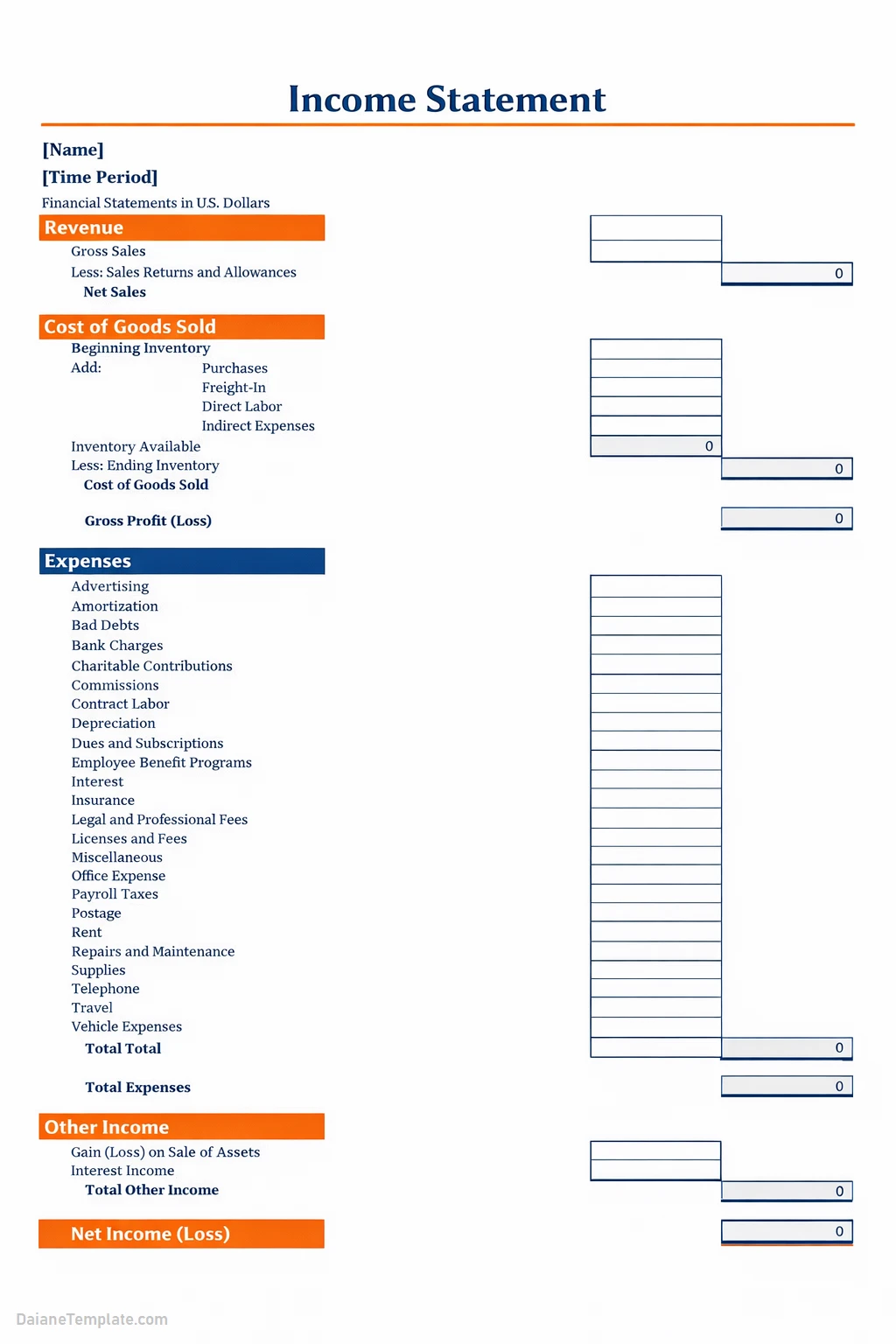
When managing your finances, understanding financial statements is crucial. One of the most important financial statements that individuals and businesses alike rely on is the income statement.
In this comprehensive guide, we will break down what an income statement is, why it is important, what to include in an income statement, how to interpret it, and provide some tips for creating an effective income statement.
What is an Income Statement?
An income statement, also known as a profit and loss statement, is a financial statement that provides a snapshot of a company’s financial performance over a specific period of time. It shows the revenue generated, expenses incurred, and the resulting profit or loss.
The income statement is essential for assessing the profitability and financial health of a business.
Why is an Income Statement Important?
The income statement is important for several reasons. It helps stakeholders such as investors, creditors, and management evaluate the company’s performance and make informed decisions. By analyzing the revenue, expenses, and net income, stakeholders can assess the profitability of the business and identify areas for improvement.
What to Include in an Income Statement
When preparing an income statement, several key components should be included:
- Revenue: This refers to the total amount of money earned from sales or services.
- Cost of Goods Sold (COGS): This includes all direct costs associated with producing goods or services.
- Gross Profit: Calculated by subtracting COGS from revenue, it represents the profit before deducting operating expenses.
- Operating Expenses: These are expenses incurred in the day-to-day operations of the business, such as salaries, rent, and utilities.
- Net Income: Also known as the bottom line, this is the profit or loss after all expenses have been deducted from revenue.
How to Interpret an Income Statement
Interpreting an income statement involves analyzing the various components to gain insights into the financial performance of a business. Here are some key points to consider:
- Gross Profit Margin: Calculated by dividing gross profit by revenue, this ratio indicates the proportion of revenue that is left after covering direct costs.
- Operating Margin: Calculated by dividing operating income by revenue, this ratio shows how efficiently a company is operating.
- Net Profit Margin: Calculated by dividing net income by revenue, this ratio measures the overall profitability of the business.
Tips for Creating an Effective Income Statement
Creating an effective income statement is essential for accurately reflecting the financial performance of a business. Here are some tips to keep in mind:
- Be Consistent: Use the same accounting methods and conventions to ensure consistency across periods.
- Include Detailed Notes: Provide explanations for significant changes in revenue or expenses to facilitate understanding.
- Use Clear and Concise Language: Make sure the income statement is easy to read and understand for all stakeholders.
- Review and Analyze Regularly: Regularly review and analyze the income statement to identify trends and make informed decisions.
Conclusion
The income statement is a valuable tool for assessing the financial performance of a business. By understanding what an income statement is, why it is important, what to include, how to interpret it, and following some tips for creating an effective income statement, individuals and businesses can make informed financial decisions and ensure long-term success.
Income Statement Template – Download
