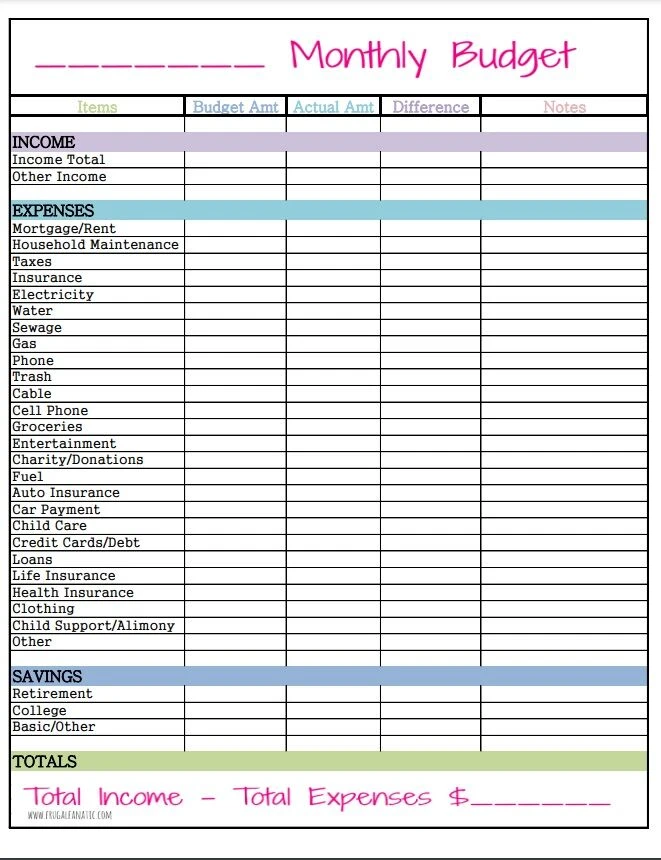
Managing a household budget can seem like a daunting task, but with the right strategies and tools in place, it can be a manageable and even rewarding experience. A household budget is a plan that helps you track your income and expenses to ensure that you are spending within your means and saving for the future. By creating and sticking to a budget, you can achieve your financial goals, reduce stress, and improve your overall financial well-being.
In this comprehensive guide, we will explore the ins and outs of household budgeting, from why it’s important to how to create and maintain an effective budget that works for you.
What is a Household Budget?
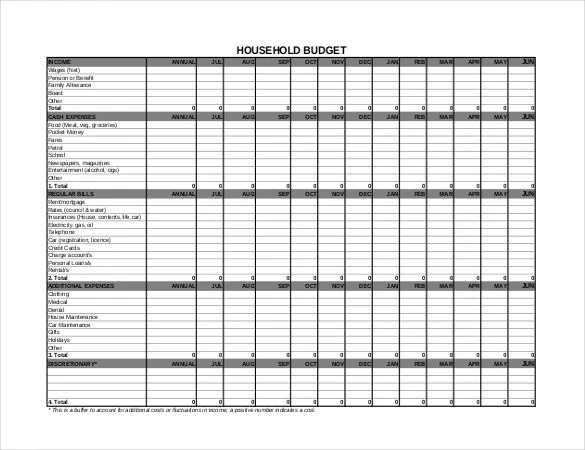
A household budget is a financial plan that outlines your income and expenses over a specific period, typically monthly. It helps you keep track of where your money is going and allows you to make informed decisions about your spending habits.
A well-structured budget can help you identify areas where you can cut back on expenses, save more money, and work towards your financial goals. By creating a budget, you gain better control over your finances and can avoid overspending or living paycheck to paycheck.
Why Household Budgeting is Important
Household budgeting is essential for several reasons. Firstly, it provides you with a clear picture of your financial situation, allowing you to make informed decisions about your money. By tracking your income and expenses, you can identify any unnecessary spending habits and find ways to cut back.
Additionally, budgeting helps you set financial goals and work towards achieving them. Whether you want to save for a vacation, pay off debt, or build an emergency fund, a budget can help you allocate your resources effectively. Lastly, budgeting can reduce financial stress and improve your overall well-being by giving you peace of mind and control over your finances.
What to Include in a Household Budget
When creating a household budget, there are several key components to consider. These include your income, expenses, savings, and financial goals. Here are some essential elements to include in your budget:
- Income. This includes your salary, wages, bonuses, and any other sources of income.
- Expenses. These are your regular monthly expenses, such as rent or mortgage, utilities, groceries, transportation, and entertainment.
- Savings. Allocate a portion of your income towards savings goals, such as an emergency fund, retirement savings, or a vacation fund.
- Debts. Include any outstanding debts, such as credit card debt, student loans, or car payments, in your budget to track your progress towards paying them off.
- Financial Goals. Set specific, measurable goals for your finances, such as saving for a down payment on a house, paying off debt, or building an emergency fund.
How to Create a Household Budget
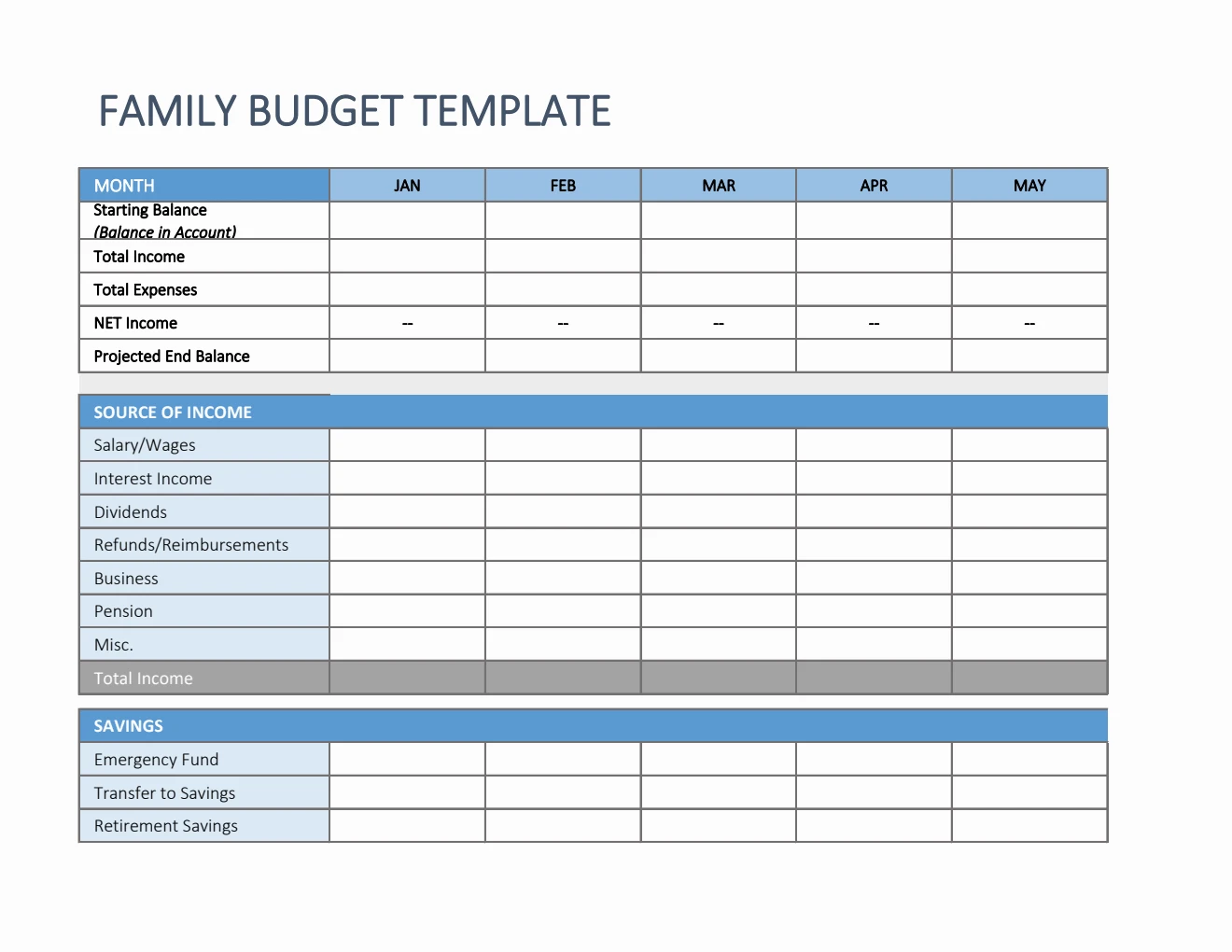
Creating a household budget is a straightforward process that can be done in a few simple steps. Here’s how to get started:
1. Calculate Your Monthly Income
Determine your total monthly income, including all sources of income such as salaries, wages, bonuses, and any other earnings.
2. List Your Expenses
Make a list of all your monthly expenses, including fixed expenses like rent or mortgage payments, utilities, groceries, transportation, and variable expenses like dining out, entertainment, and shopping.
3. Track Your Spending
Keep track of your spending for a month to see where your money is going. This will help you identify areas where you can cut back on expenses.
4. Set Financial Goals
Determine your short-term and long-term financial goals, such as saving for a vacation, paying off debt, or building an emergency fund.
5. Allocate Income to Expenses and Savings
Distribute your income to cover your expenses, savings goals, and debts. Make sure to prioritize essential expenses and savings before discretionary spending.
6. Review and Adjust Your Budget
Review your budget regularly to track your progress towards your financial goals and make adjustments as needed. Be flexible and willing to make changes to your budget as your financial situation changes.
Tips for Successful Household Budgeting
Here are some tips to help you succeed in managing your household budget:
- Track Your Spending. Keep a detailed record of your expenses to identify areas where you can cut back.
- Set Realistic Goals. Make sure your financial goals are achievable and align with your values and priorities.
- Automate Savings. Set up automatic transfers to your savings account to make saving money easier.
- Avoid Impulse Purchases. Think before making a purchase and consider if it aligns with your budget and financial goals.
- Seek Professional Help. If you’re struggling with budgeting, consider working with a financial advisor or counselor for guidance.
- Stay Motivated. Keep yourself motivated by tracking your progress towards your financial goals and celebrating small victories along the way.
- Be Flexible. Life can be unpredictable, so be prepared to adjust your budget as needed to accommodate changes in your financial situation.
In Conclusion
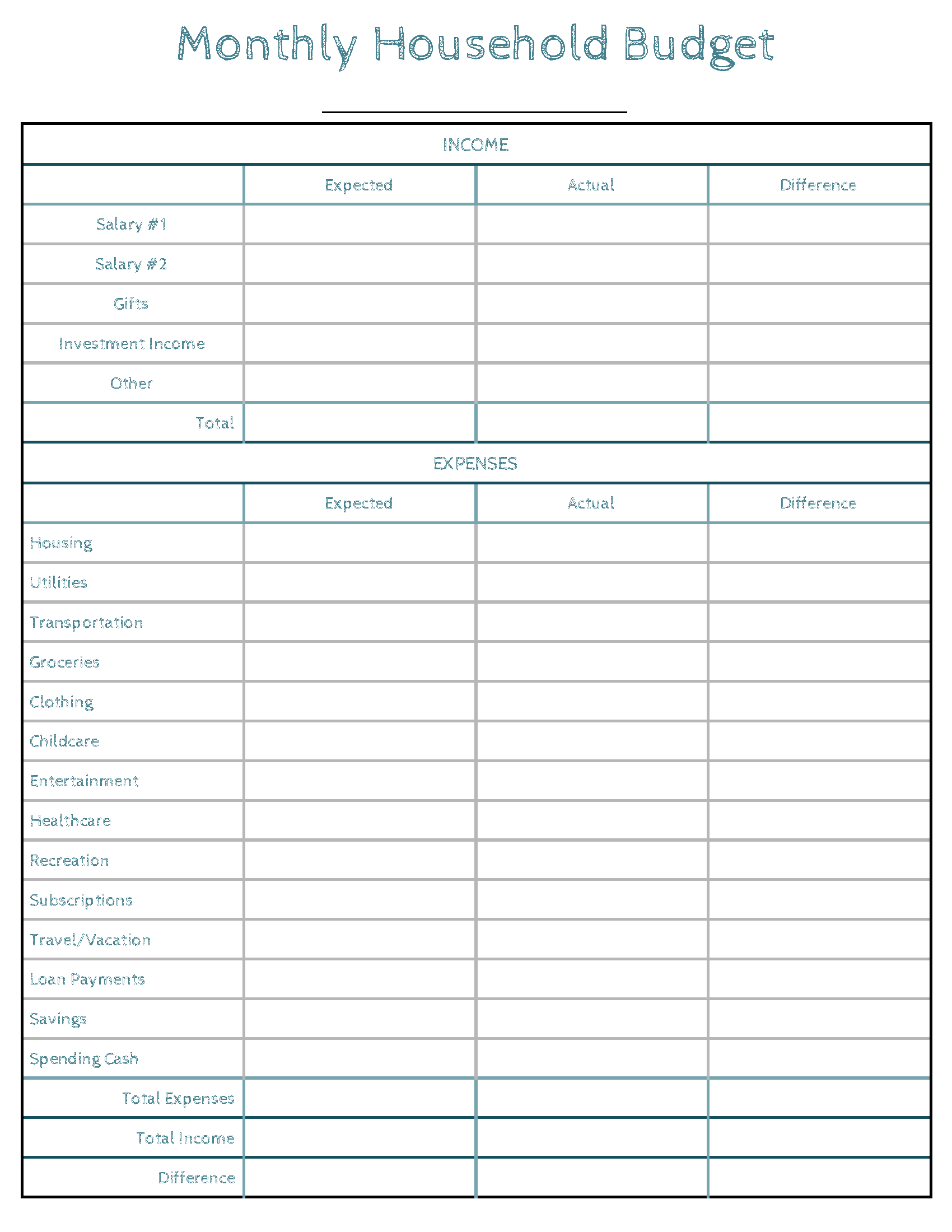
Creating and sticking to a household budget is a crucial step towards achieving financial stability and reaching your financial goals. By following the steps outlined in this guide and implementing the tips provided, you can take control of your finances, reduce stress, and build a secure financial future for yourself and your family. Remember, budgeting is a journey, not a destination, so stay committed and keep working towards your financial goals.
Household Budget Template – Excel
