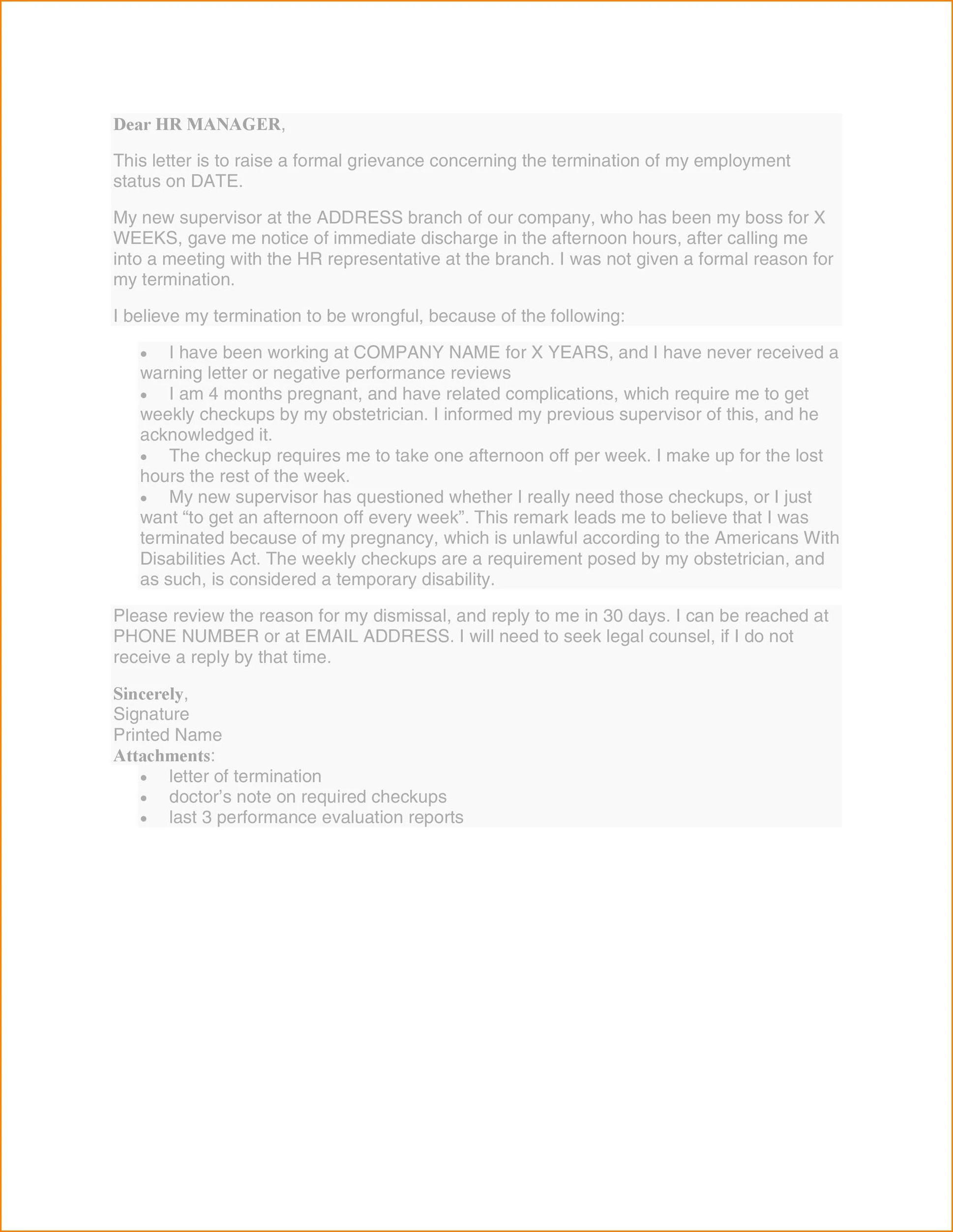
Dealing with a grievance at work can be a challenging and stressful experience. Whether you have a complaint about your working conditions, a colleague, or a supervisor, it’s important to address the issue professionally and effectively. One way to do this is by writing a grievance letter.
In this article, we will provide you with a step-by-step guide on how to write a grievance letter that is clear, concise, and impactful.
What is a Grievance Letter?
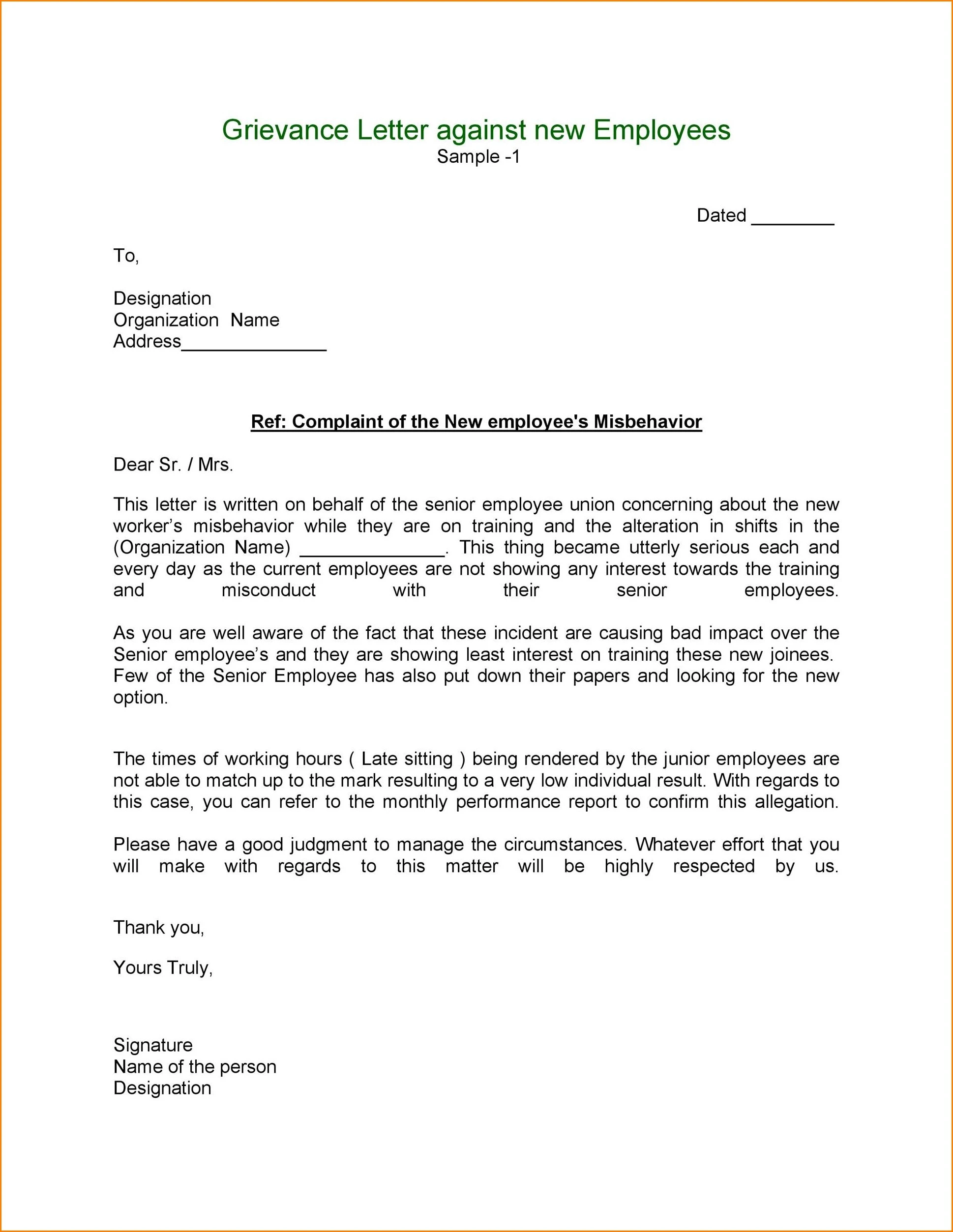
A grievance letter is a formal written complaint that is submitted to an employer or HR department to address a specific issue or concern. It is a way for employees to communicate their grievances in a professional and structured manner.
Grievance letters are often used to address issues such as harassment, discrimination, bullying, unfair treatment, or any other violation of company policies.
Why Write a Grievance Letter?
Writing a grievance letter is important for several reasons. First and foremost, it provides a record of your complaint and ensures that your concerns are taken seriously by your employer. A well-written grievance letter can also help you organize your thoughts and clearly articulate the issues you are facing.
Additionally, submitting a grievance letter can protect your legal rights and serve as evidence in case the issue escalates further.
What to Include in a Grievance Letter
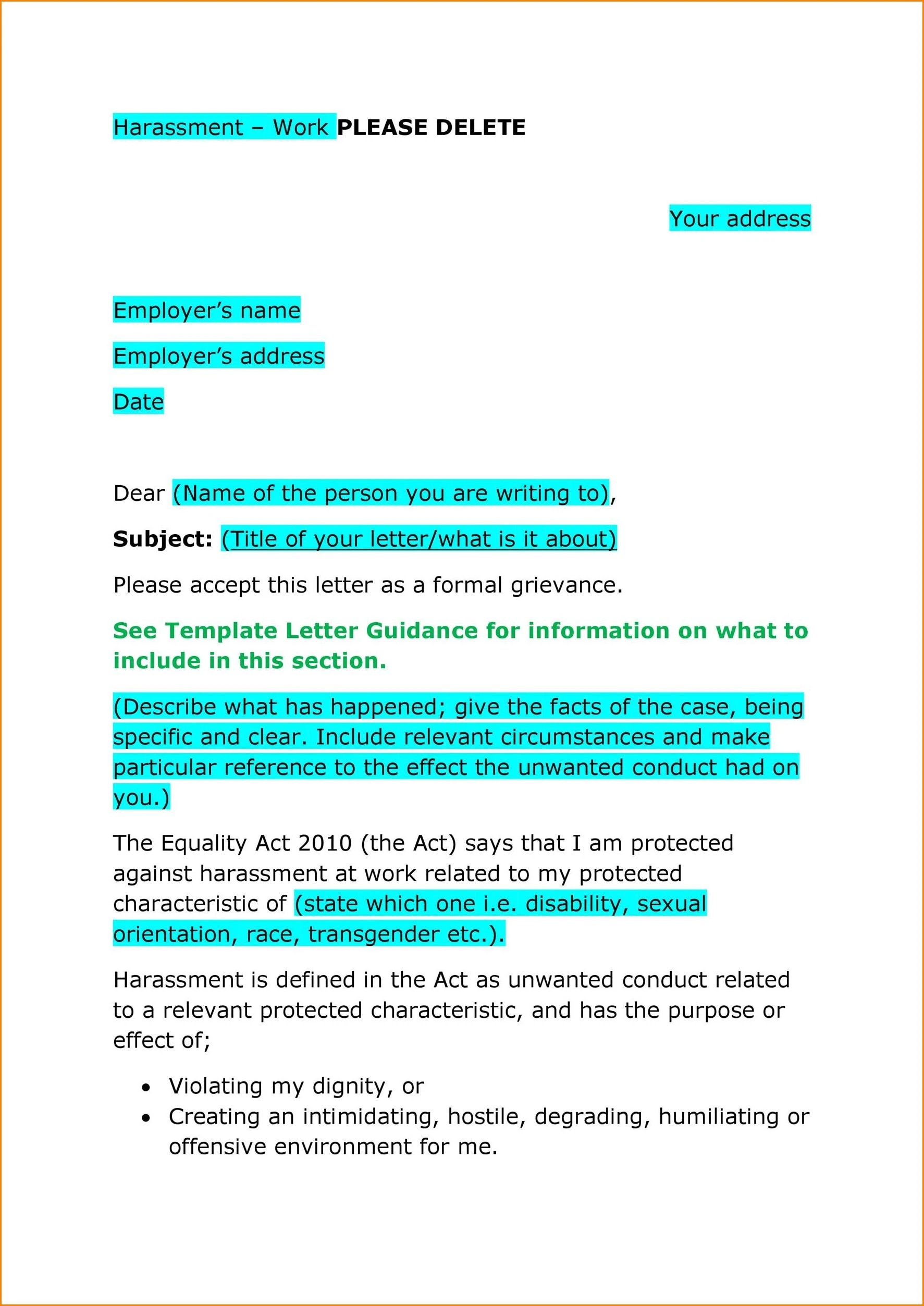
When writing a grievance letter, it’s important to include the following key elements:
- Date: Start the letter by including the date when you are writing it.
- Recipient: Address the letter to the appropriate person or department within your organization.
- Description of the Issue: Clearly state the problem or grievance you are experiencing.
- Evidence: Provide any relevant evidence or documentation to support your claim.
- Impact: Explain how the issue is affecting you personally or professionally.
- Resolution: Suggest possible solutions or outcomes that you would like to see.
- Conclusion: Close the letter with a polite but firm request for action to be taken.
How to Structure a Grievance Letter
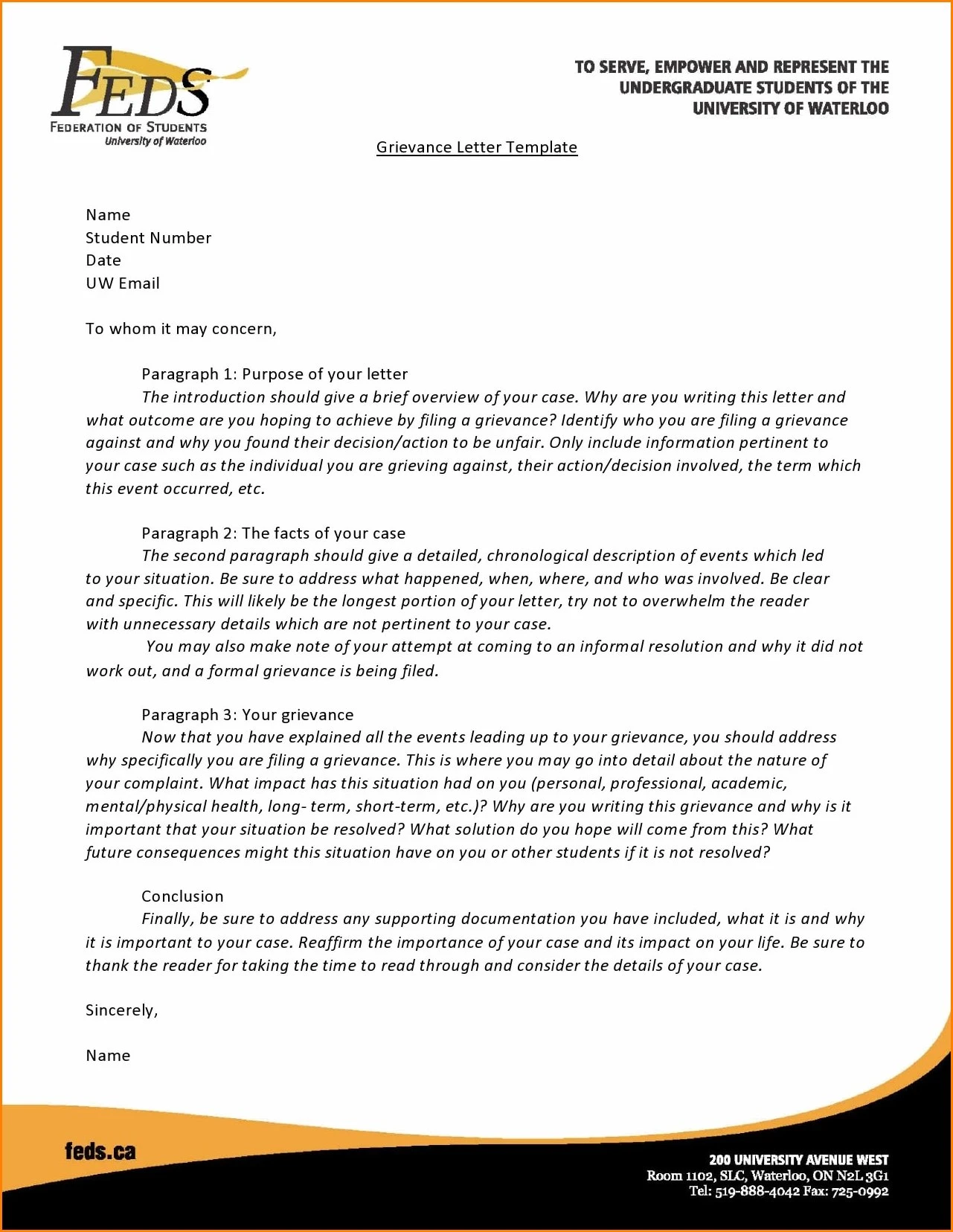
When structuring your grievance letter, it’s important to be clear, concise, and professional. Here is a simple outline that you can follow:
- Introduction: Start by addressing the recipient and stating the purpose of your letter.
- Description of the Issue: Clearly explain the problem or grievance you are experiencing.
- Evidence: Provide any supporting evidence or examples to strengthen your case.
- Impact: Explain how the issue is affecting you and possibly others in the workplace.
- Resolution: Offer suggestions for how the issue can be resolved or improved.
- Conclusion: Close the letter with a polite request for action and a willingness to discuss the matter further.
Tips for Writing a Effective Grievance Letter
Here are some tips to help you write an effective grievance letter:
- Be clear and specific: Clearly state the issue you are facing and provide concrete examples.
- Stick to the facts: Avoid emotional language or personal attacks in your letter.
- Be professional: Maintain a professional tone throughout the letter.
- Offer solutions: Provide constructive suggestions for resolving the issue.
- Proofread: Make sure to proofread your letter for any errors or typos before submitting it.
- Follow up: After submitting your grievance letter, follow up with the recipient to ensure that your concerns are being addressed.
Conclusion
Writing a grievance letter can be a daunting task, but with the right approach and guidance, you can effectively communicate your concerns and seek a resolution to the issue at hand. By following the steps outlined in this article and incorporating the tips provided, you can write a grievance letter that is impactful, professional, and ultimately helps you address the issues you are facing in the workplace.
Grievance Letter Template – Word
