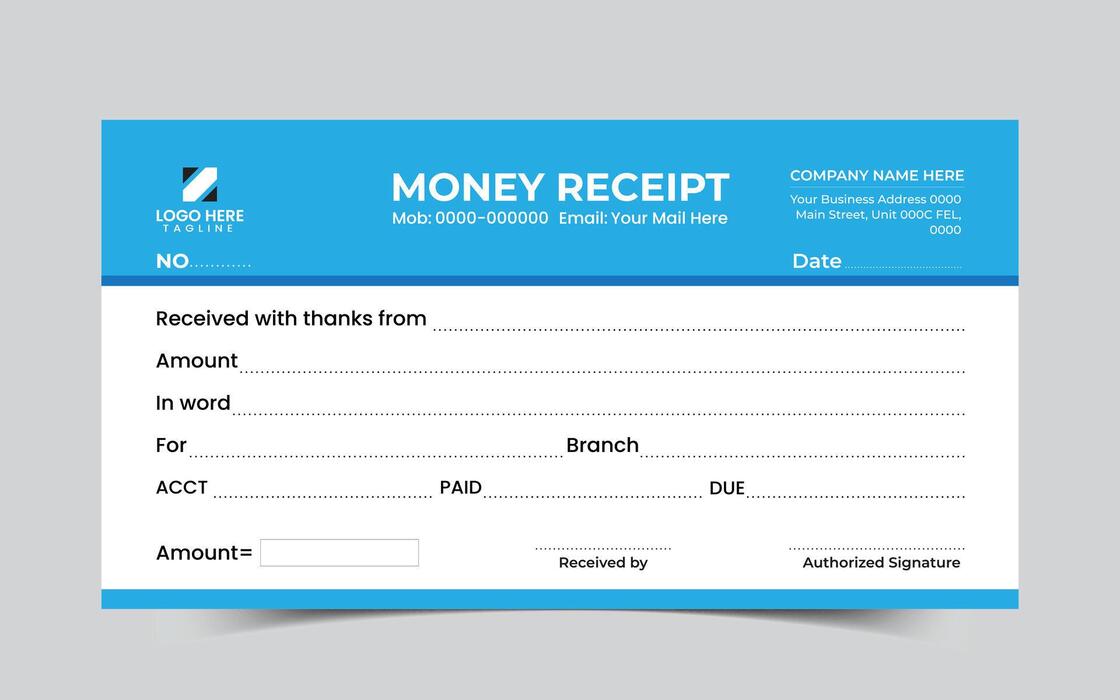
When it comes to financial transactions, keeping records is essential. One of the most common forms of documentation in financial transactions is a money receipt. A money receipt is a written acknowledgment that an individual or business has received money in exchange for goods or services. In this article, we will delve into the what, why, and how of money receipts and provide tips for successful receipt management.
What is a Money Receipt?
A money receipt is a document that serves as proof of a financial transaction. It includes details such as the amount of money received, the date of the transaction, the name of the payer, and the purpose of the payment.
Money receipts can be issued for various types of transactions, including purchases, rent payments, service fees, and more. They are essential for both the payer and the payee as they provide a record of the transaction and can be used for accounting and tax purposes.
Why are Money Receipts Important?
Money receipts play a crucial role in financial management for individuals and businesses. Here are a few reasons why money receipts are important:
– Proof of Transaction: Money receipts serve as proof that a transaction has taken place, protecting both parties in case of disputes or misunderstandings.
– Record Keeping: Money receipts help in maintaining accurate financial records, which is essential for budgeting, tax filing, and financial planning.
– Accounting Purposes: Money receipts are necessary for tracking income and expenses, preparing financial statements, and monitoring cash flow.
– Legal Compliance: In some cases, such as business transactions or rental agreements, issuing and keeping money receipts may be a legal requirement.
What to Include in a Money Receipt
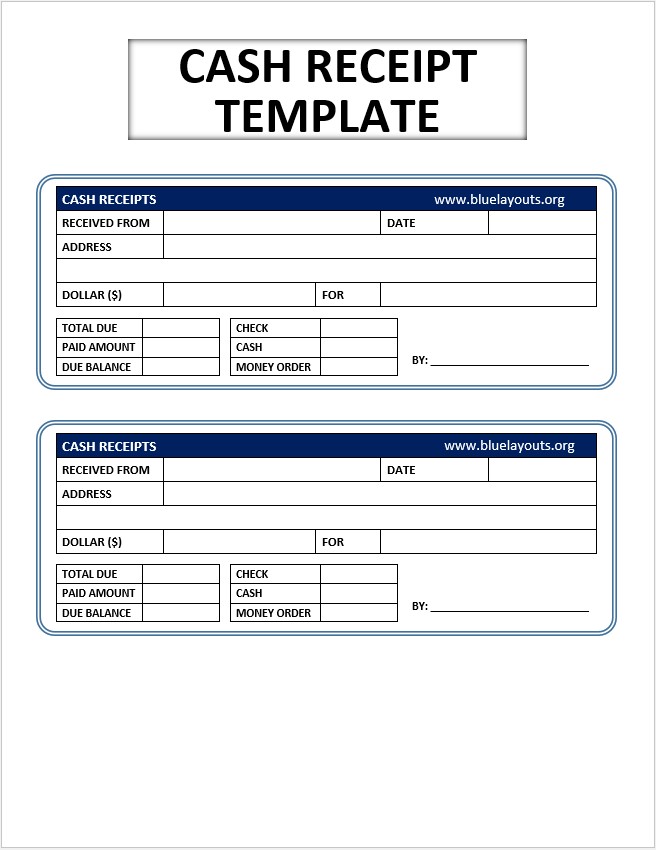
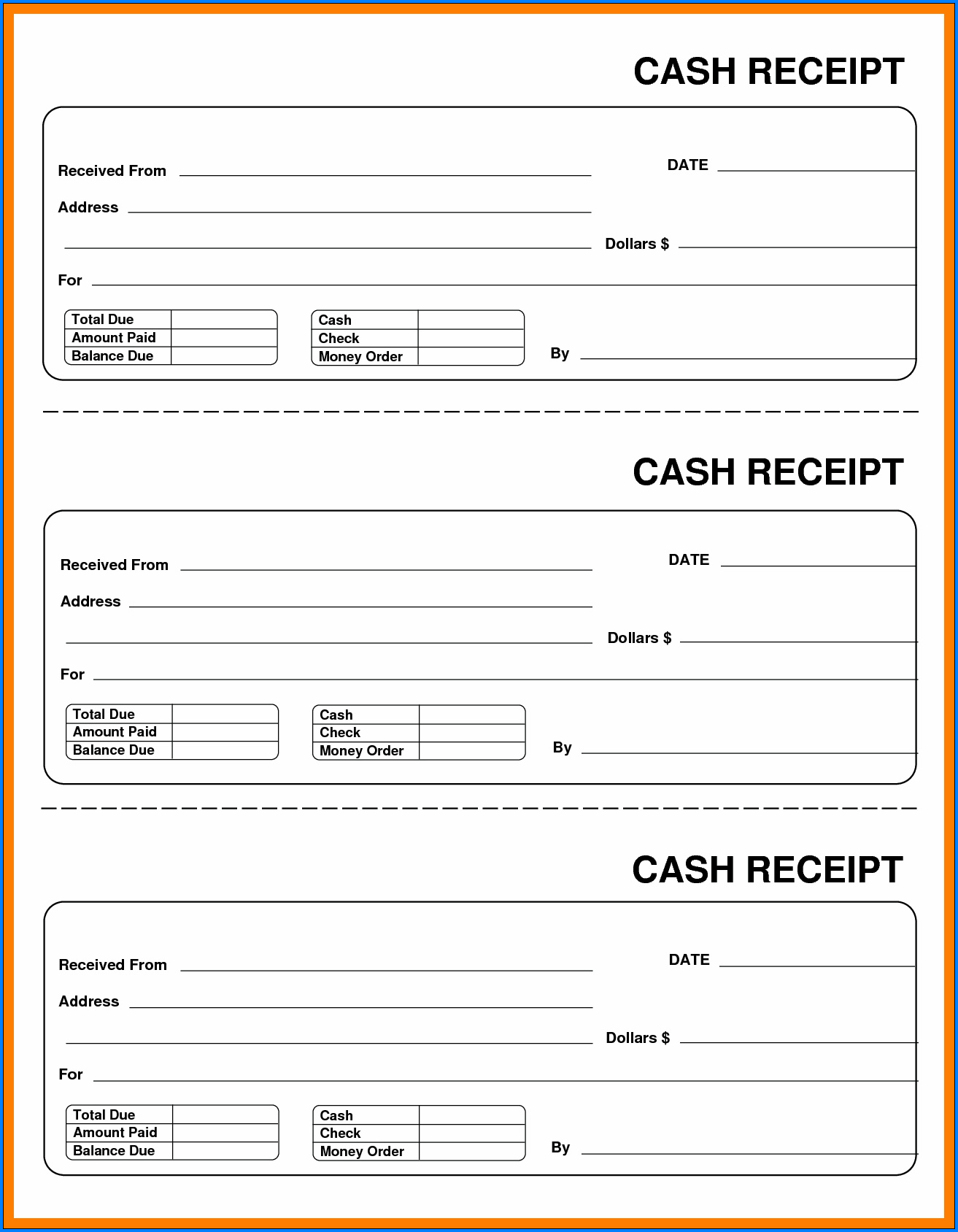
When creating a money receipt, there are several key pieces of information that should be included to ensure its validity and usefulness. Here are the essential elements to include in a money receipt:
– Date of Transaction: The date when the payment was received.
– Amount Received: The total amount of money received in numerical and written form.
– Payer Information: The name and contact details of the person or entity making the payment.
– Recipient Information: The name and contact details of the person or business receiving the payment.
– Purpose of Payment: A brief description of the goods or services for which the payment was made.
– Signature: It is advisable to have the receipt signed by both the payer and the recipient for added authenticity.
How to Manage Money Receipts
Managing money receipts effectively is essential for maintaining financial health and organization. Here are some tips for successful money receipt management:
– Create a System: Establish a filing system or use digital tools to organize and store your money receipts systematically.
– File Regularly: Make it a habit to file your money receipts promptly to avoid misplacement or loss.
– Digitize Receipts: Consider scanning or taking pictures of your paper receipts to create digital copies for easy access and backup.
– Review Regularly: Periodically review your money receipts to ensure accuracy and completeness.
– Secure Storage: Store your money receipts in a safe and secure place to protect them from damage or unauthorized access.
– Track Expenses: Use your money receipts to track your expenses and analyze your spending patterns for better financial management.
Conclusion
In conclusion, money receipts are essential documents that provide proof of financial transactions and help in maintaining accurate records for individuals and businesses. By understanding the what, why, and how of money receipts, and following the tips for successful receipt management, you can stay organized, compliant, and financially savvy. Remember, a well-documented transaction is the cornerstone of sound financial management.
