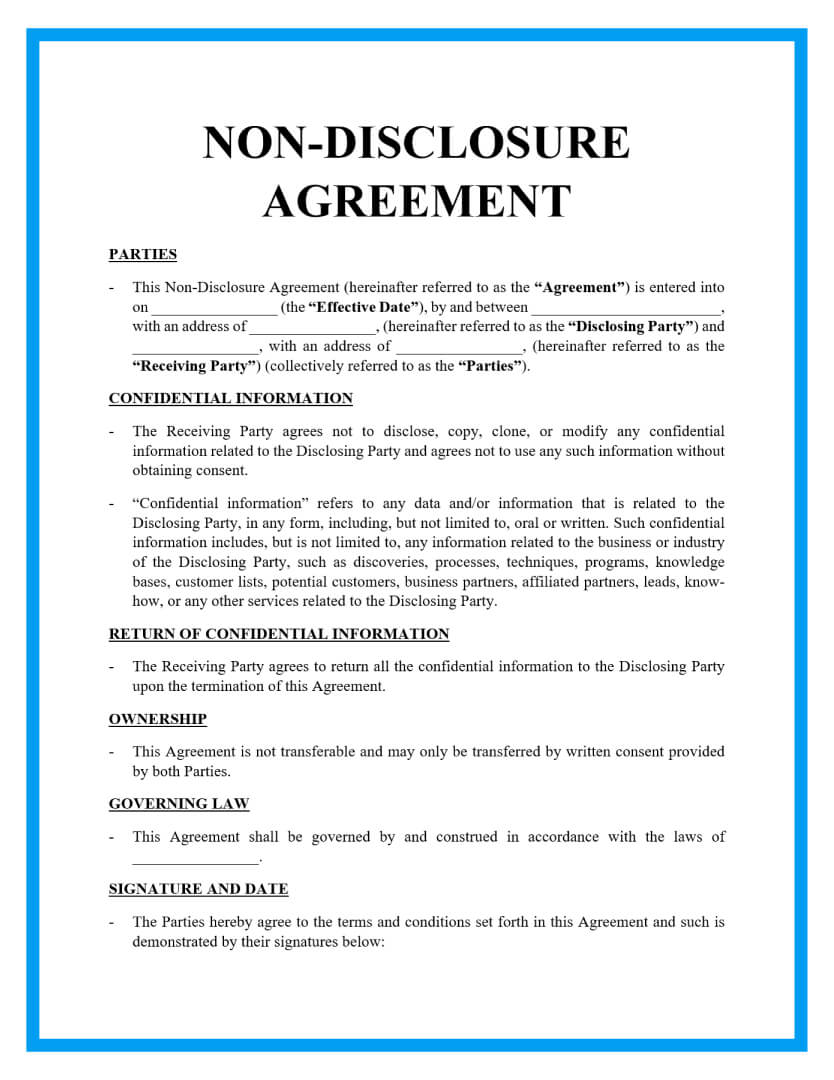
Non-disclosure agreements (NDAs) are essential legal documents used in business to protect sensitive information. When it comes to employees, NDAs play a crucial role in safeguarding confidential company data. In this comprehensive guide, we will delve into what NDAs are, why they are important for employees, what to include in an NDA, how to implement NDAs effectively, and tips for successful NDA management.
What is a Non-Disclosure Agreement for Employees?
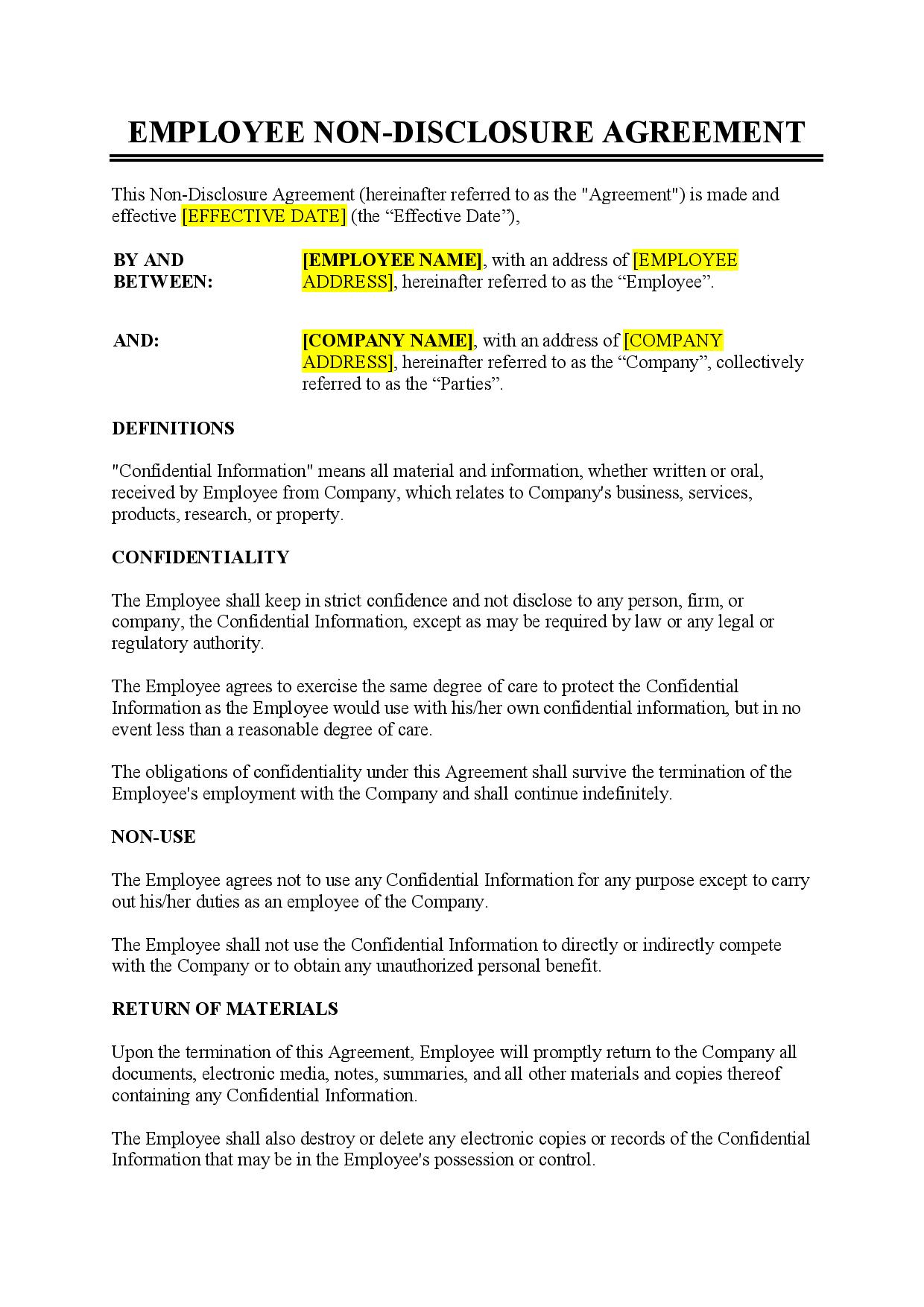
A non-disclosure agreement for employees is a legal contract between an employer and an employee that outlines the confidential information an employee may be exposed to during the course of their employment. The agreement prohibits the employee from sharing or using this confidential information for purposes outside of their job responsibilities. NDAs are commonly used in industries where proprietary information is a valuable asset, such as technology, healthcare, and finance.
Why are Non-Disclosure Agreements Important for Employees?
Non-disclosure agreements are crucial for employees as they help maintain the trust and integrity of the employer-employee relationship. By signing an NDA, employees commit to keeping sensitive information confidential, which is essential for protecting trade secrets, client data, and other proprietary information. NDAs also serve as a legal safeguard, allowing employers to take legal action against employees who breach the agreement.
What to Include in a Non-Disclosure Agreement for Employees
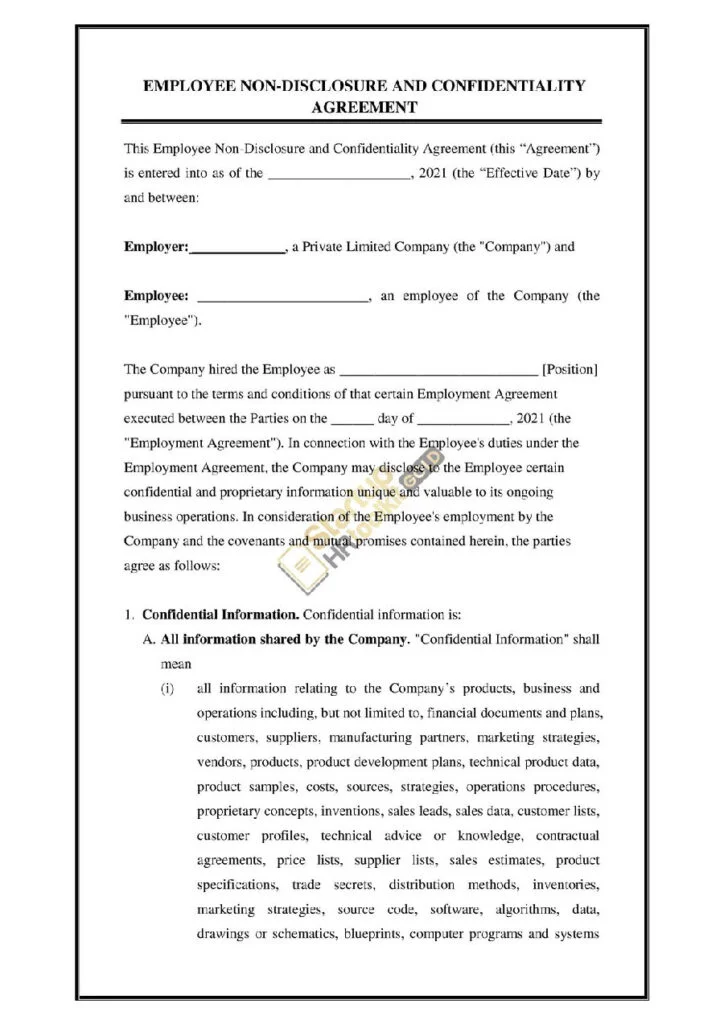
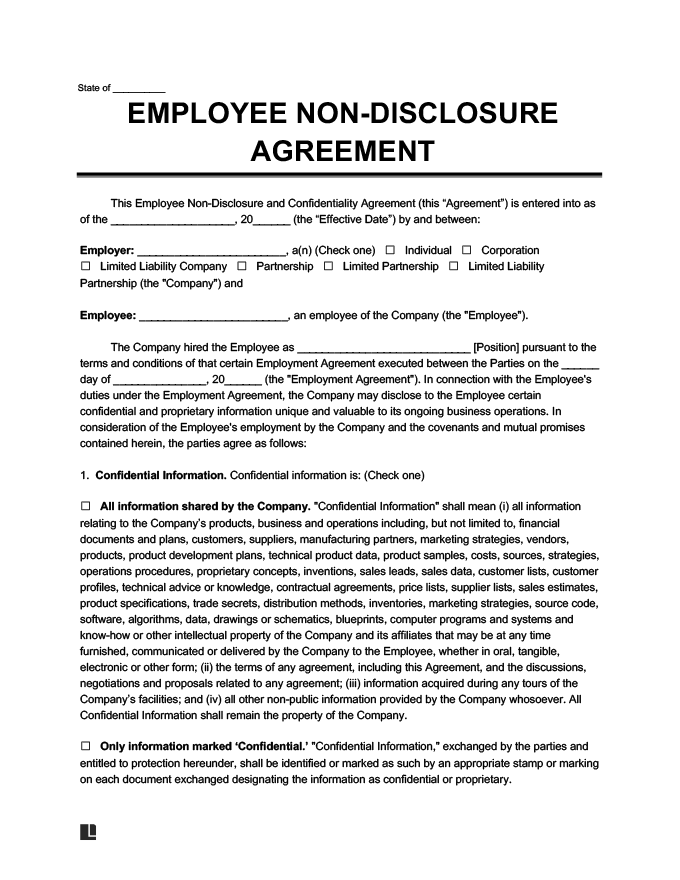
When drafting an NDA for employees, it is important to include the following key elements:
- Definition of Confidential Information: Clearly define what constitutes confidential information within the organization.
- Obligations of the Employee: Outline the responsibilities of the employee in safeguarding confidential information.
- Exceptions to Confidentiality: Specify any circumstances where the employee is permitted to disclose confidential information.
- Duration of the Agreement: State the period for which the NDA will be in effect and when it will expire.
- Consequences of Breach: Detail the repercussions for breaching the NDA, such as legal action or termination of employment.
- Signatures: Ensure that both the employer and employee sign the NDA to signify their agreement to its terms.
How to Implement Non-Disclosure Agreements Effectively
Implementing NDAs effectively involves the following steps:
- Educate Employees: Provide clear explanations of what constitutes confidential information and the importance of maintaining confidentiality.
- Customize NDAs: Tailor NDAs to the specific needs of your organization and the roles of individual employees.
- Regularly Review NDAs: Periodically review and update NDAs to ensure they reflect any changes in the business or industry.
Tips for Successful NDA Management
Here are some tips for effectively managing non-disclosure agreements for employees:
- Train Employees: Provide comprehensive training on the importance of NDAs and how to adhere to their terms.
- Monitor Compliance: Regularly monitor employee compliance with NDAs and address any breaches promptly.
- Seek Legal Advice: Consult with legal professionals to ensure your NDAs are legally sound and enforceable.
- Communicate Clearly: Clearly communicate the terms of NDAs to employees and address any questions or concerns they may have.
- Reward Compliance: Recognize and reward employees who consistently uphold the terms of NDAs to promote a culture of confidentiality.
By following these guidelines, employers can effectively protect their sensitive information and maintain a secure working environment for their employees. Non-disclosure agreements are a valuable tool for safeguarding confidential information and should be implemented carefully to ensure their effectiveness.
Non-disclosure Agreement Template for Employees
