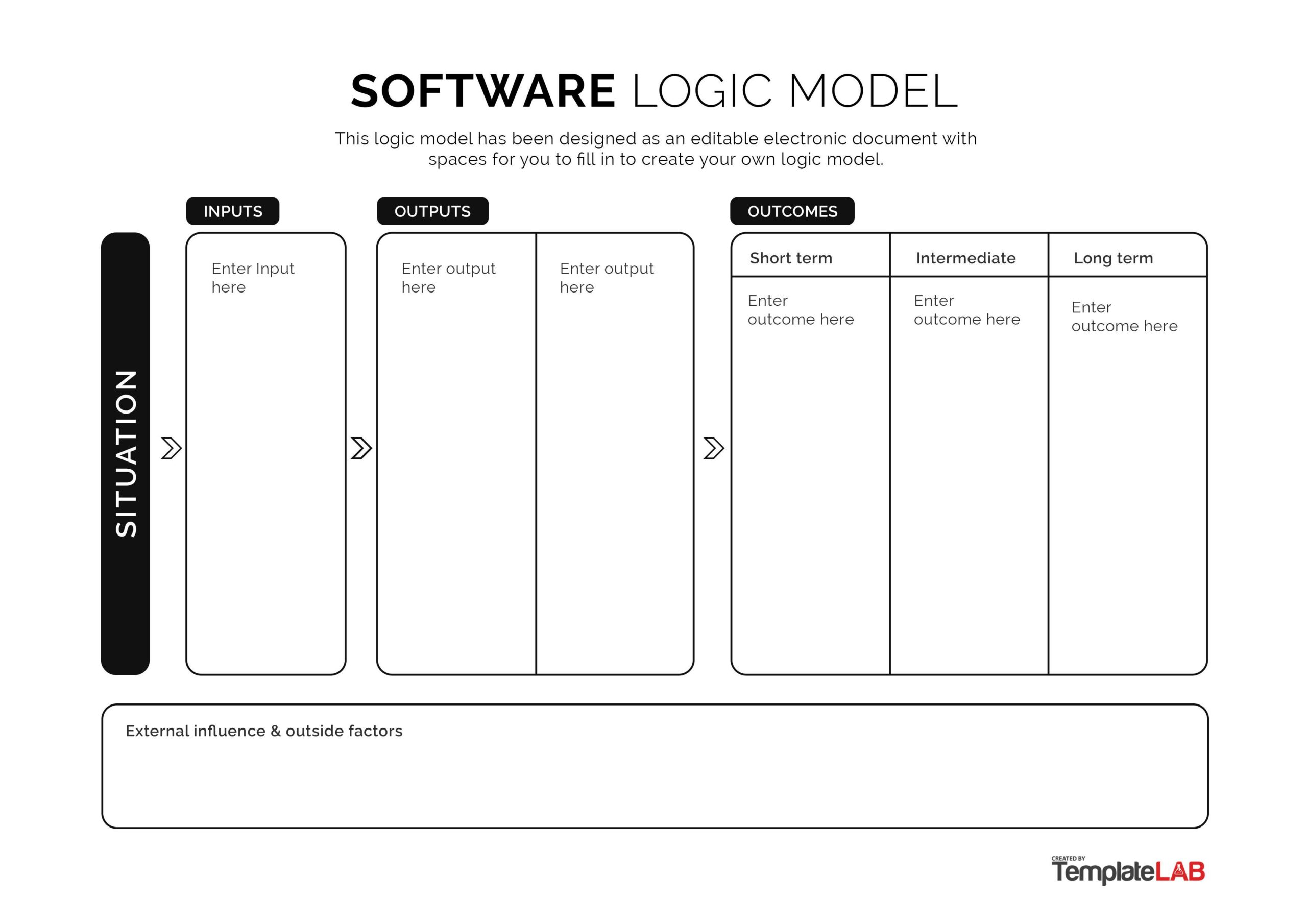
Logic models are essential tools for organizations and individuals seeking to plan, implement, and evaluate programs and projects effectively. They provide a visual representation of the relationships between program inputs, activities, outputs, outcomes, and impacts. In this comprehensive guide, we will explore what logic models are, why they are important, what to include in a logic model, how to create one, and tips for successful implementation.
What is a Logic Model?
A logic model is a systematic and visual representation that outlines the logical sequence of events needed to achieve a specific goal or outcome. It serves as a roadmap for program planning, implementation, and evaluation by illustrating the connections between the resources invested, the activities undertaken, the outputs produced, the outcomes achieved, and the broader impacts generated.
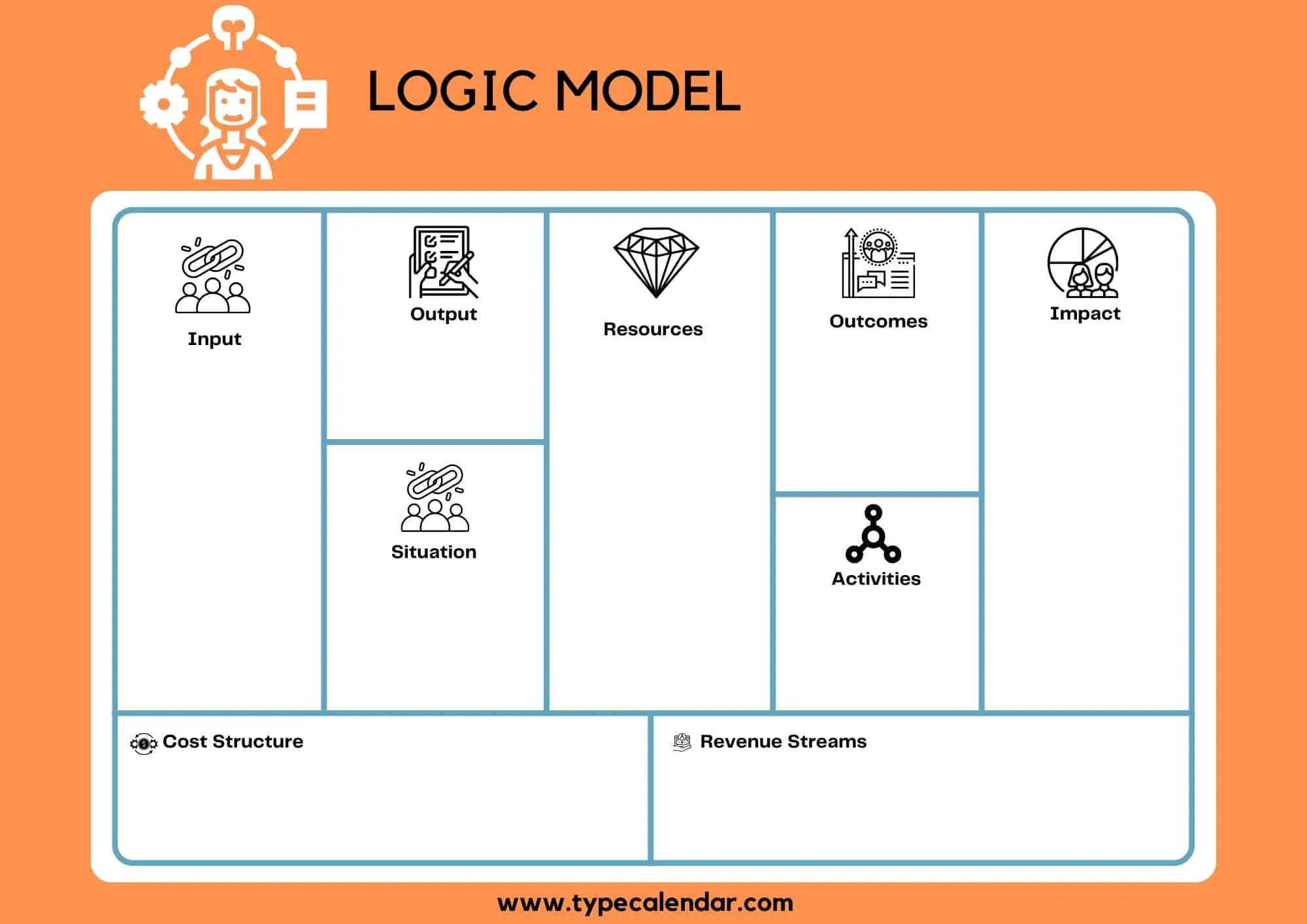
A typical logic model consists of several components, including:
- Inputs: The resources, such as funding, staff, and materials, allocated to the program.
- Activities: The actions taken to deliver the program, such as training sessions or outreach events.
- Outputs: The direct products or services resulting from the activities, such as the number of people trained or served.
- Outcomes: The short-term, intermediate, and long-term changes or benefits expected from the program.
- Impacts: The broader changes or effects that occur at the community, societal, or systemic level.
Why are Logic Models Important?
Logic models play a crucial role in program planning and evaluation for several reasons:
- Clarity: They help stakeholders clearly understand the purpose, activities, and expected outcomes of a program.
- Alignment: They ensure that program activities are aligned with intended outcomes and impacts.
- Accountability: They provide a framework for monitoring and evaluating program performance and effectiveness.
- Communication: They facilitate communication and collaboration among stakeholders by presenting a shared understanding of the program logic.
What to Include in a Logic Model
When creating a logic model, it is essential to include the following key elements:
- Context: Describe the relevant background information and environmental factors that may influence the program.
- Inputs: Identify the resources needed to implement the program effectively.
- Activities: Outline the specific actions or interventions that will be carried out as part of the program.
- Outputs: Specify the tangible products or services that will result from the activities.
- Outcomes: Define the short-term, intermediate, and long-term changes or benefits expected from the program.
- Impacts: Identify the broader changes or effects that the program aims to achieve in the long run.
How to Create a Logic Model
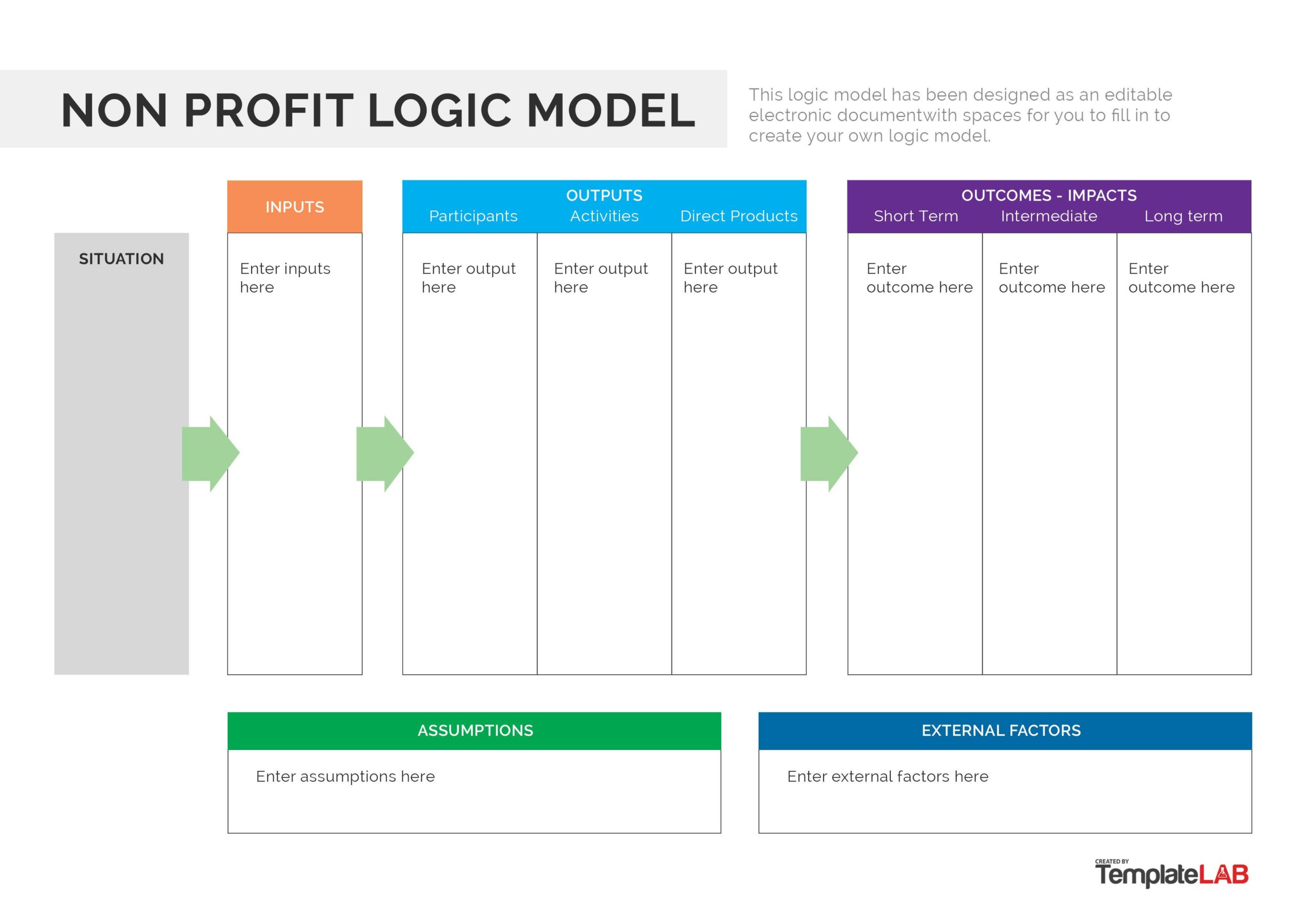
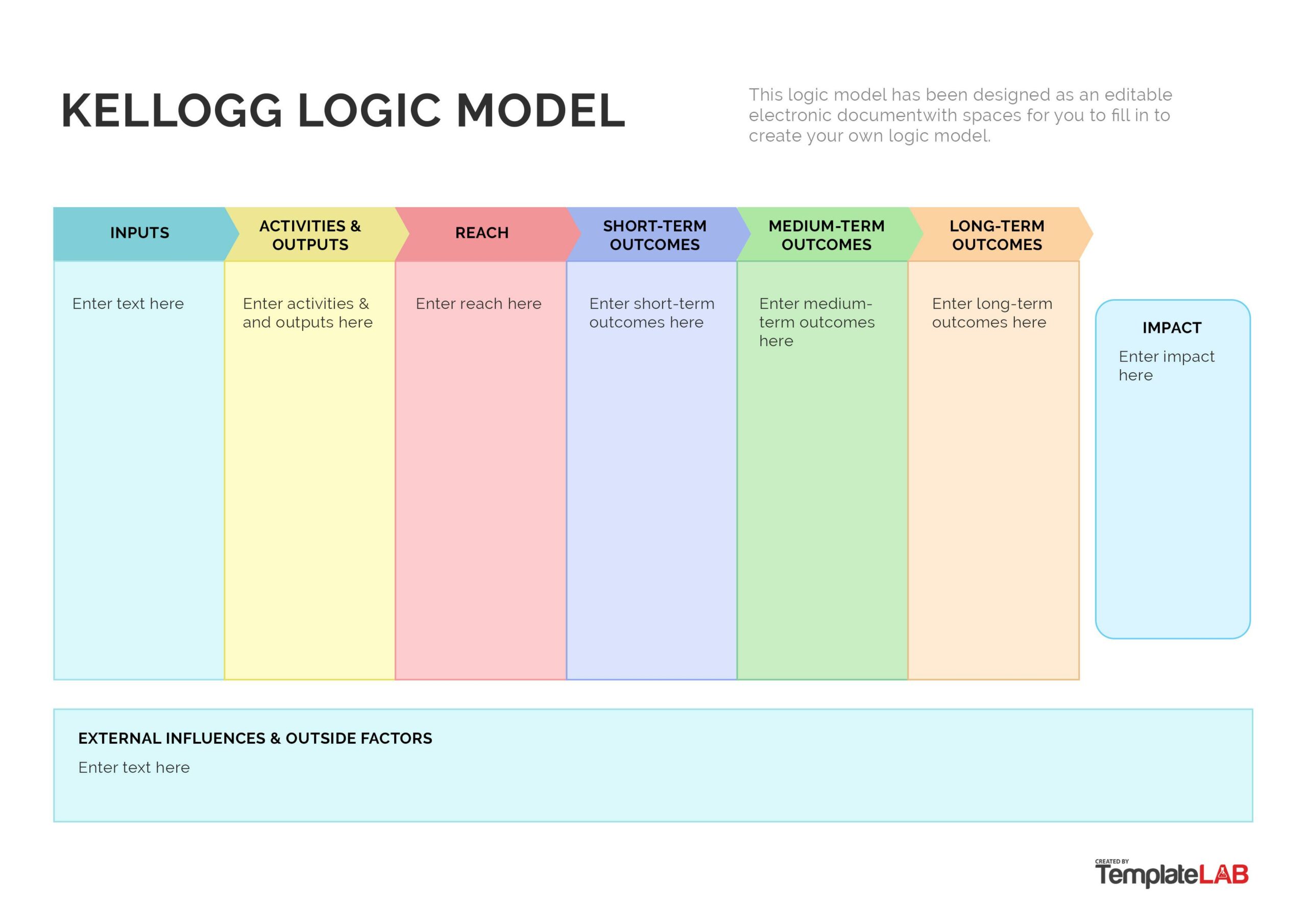
Creating a logic model involves several steps, including:
- Identify the Purpose: Clarify the goals and objectives of the program.
- Engage Stakeholders: Involve key stakeholders in the development process to ensure buy-in and alignment.
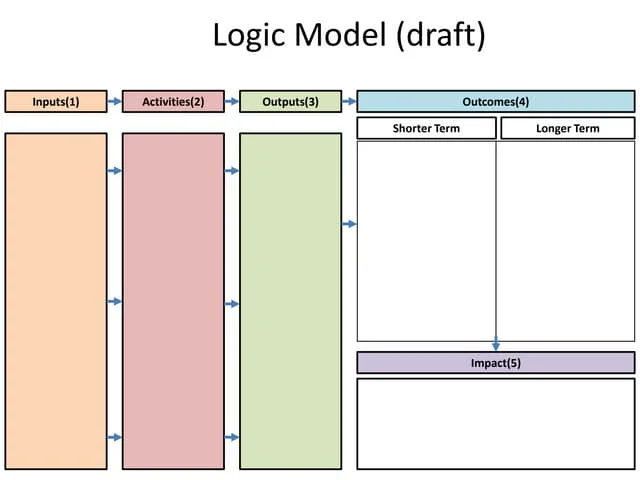
- Map Out the Logic: Define the relationships between inputs, activities, outputs, outcomes, and impacts.
- Use Visual Tools: Utilize software or templates to create a visual representation of the logic model.
- Review and Refine: Continuously review and refine the logic model based on feedback and evaluation data.
Tips for Successful Logic Models
To ensure the effectiveness of a logic model, consider the following tips:
- Keep it Simple: Use clear and concise language to communicate the program logic.
- Engage Stakeholders: Involve stakeholders throughout the development and implementation of the logic model.
- Monitor and Evaluate: Regularly monitor and evaluate program activities and outcomes to track progress and make adjustments as needed.
- Adaptability: Be prepared to modify the logic model based on changing circumstances or new information.
- Share Results: Communicate the findings and impact of the program using the logic model as a reference point.
Logic models are powerful tools for program planning, implementation, and evaluation. By creating a clear and comprehensive logic model, organizations can effectively communicate their program logic, align activities with intended outcomes, and demonstrate the impact of their work. By following the steps outlined in this guide and incorporating the tips provided, you can develop a successful logic model that enhances the effectiveness and sustainability of your programs.
