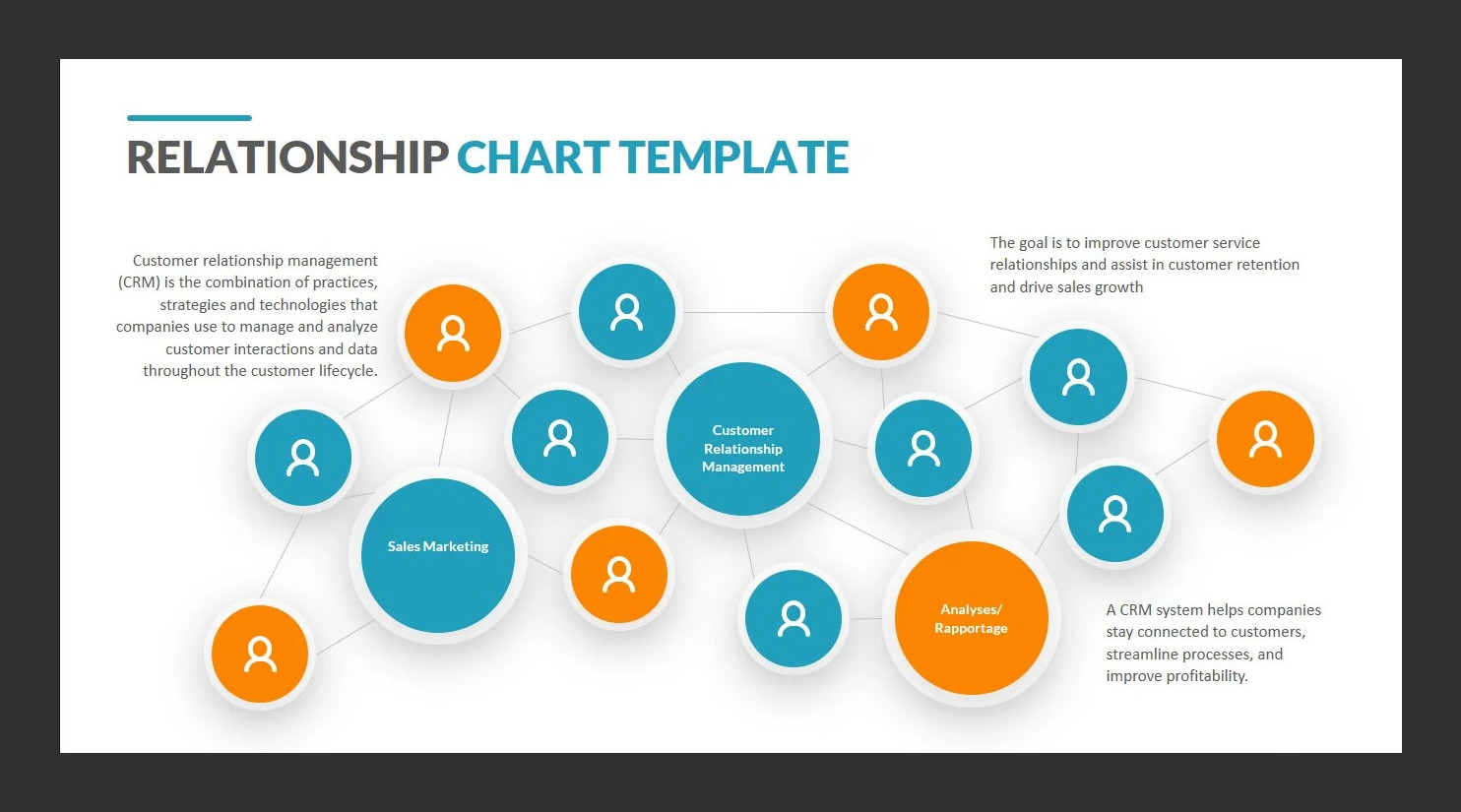
Relationships are complex and dynamic, with each connection bringing its own set of intricacies and nuances. To better understand the dynamics of relationships, many people turn to relationship charts. These charts offer a visual representation of the connections between individuals, helping to map out the various relationships in a person’s life. Whether you’re looking to strengthen your romantic partnership, navigate family dynamics, or improve friendships, a relationship chart can provide valuable insights into the complexities of human connections.
What is a Relationship Chart?
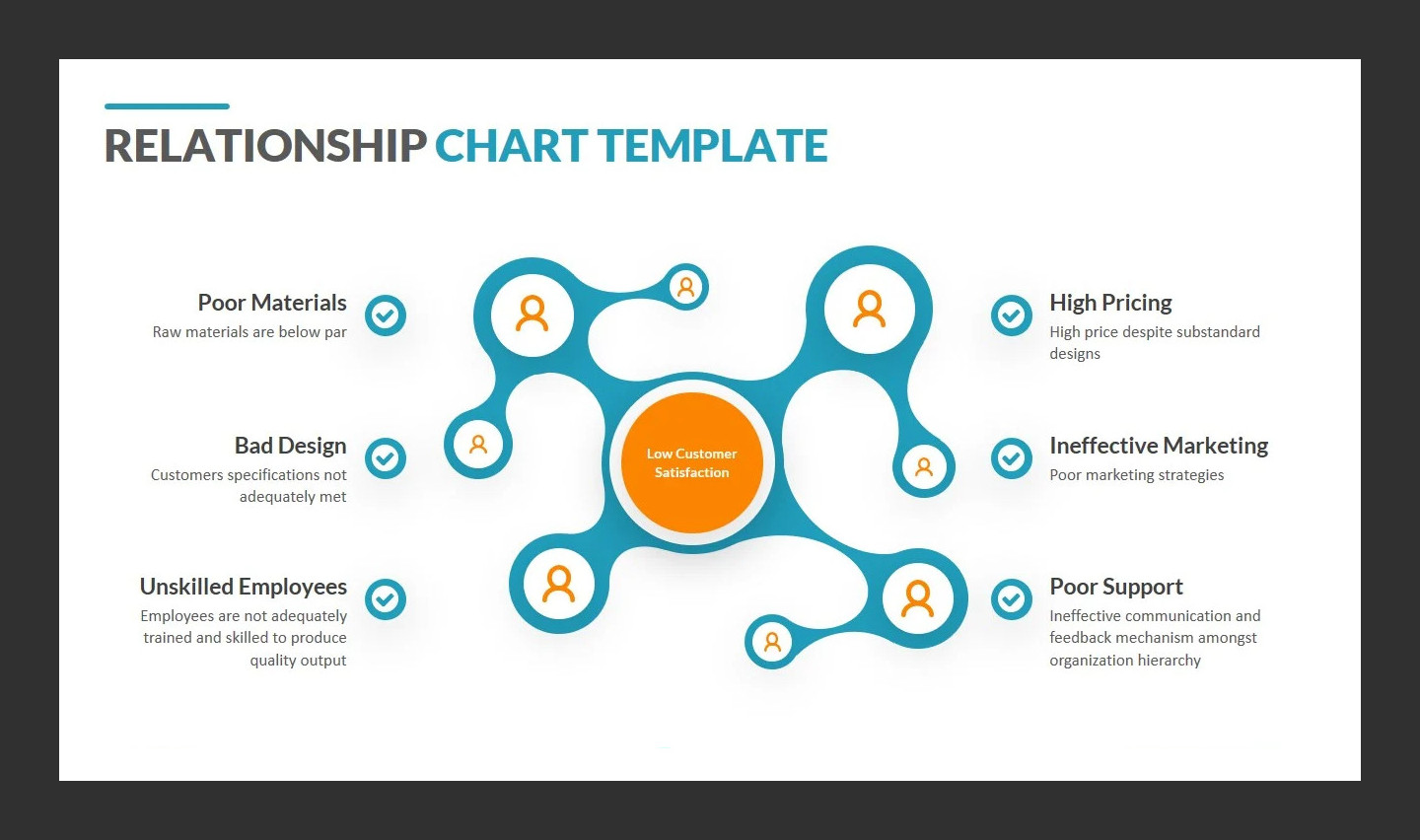
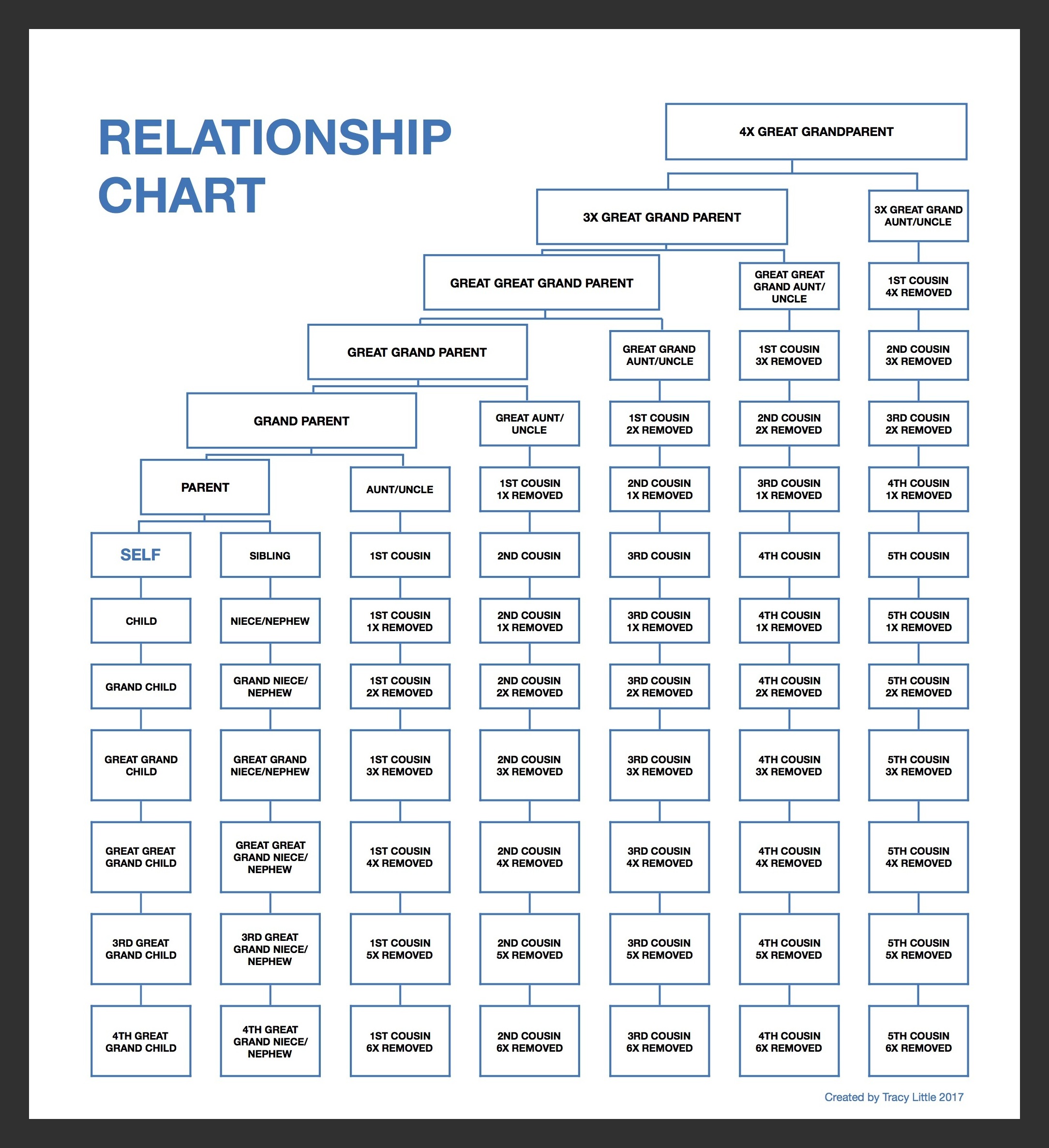
A relationship chart is a visual tool that depicts the connections between individuals in a person’s life. It typically includes names or labels for each person, along with lines or arrows to indicate the type of relationship between them. These charts can vary in complexity, from simple diagrams showing immediate family members to more detailed representations including extended family, friends, and colleagues. By creating a relationship chart, individuals can better understand the relationships in their lives and how they intersect.
Why Use a Relationship Chart?
There are several benefits to using a relationship chart to map out the dynamics of your relationships. One of the key advantages is gaining a visual representation of the connections in your life, which can help you identify patterns, conflicts, and areas for improvement. By seeing the relationships laid out in front of you, you may be able to make sense of complex dynamics that were previously unclear. Additionally, relationship charts can help you prioritize relationships, set boundaries, and communicate more effectively with those around you.
Key Elements of a Relationship Chart
When creating a relationship chart, there are several key elements to consider to ensure it accurately reflects the dynamics of your relationships:
- Names or Labels: Include the names or labels of each individual in the relationship chart.
- Connection Lines: Use lines or arrows to indicate the type of relationship between individuals (e.g., romantic, familial, professional).
- Color Coding: Consider using different colors to represent different types of relationships or levels of closeness.
- Relationship Dynamics: Note any conflicts, dependencies, or other dynamics that impact the relationships.
- Updates: Regularly update the relationship chart to reflect changes in relationships or new connections.
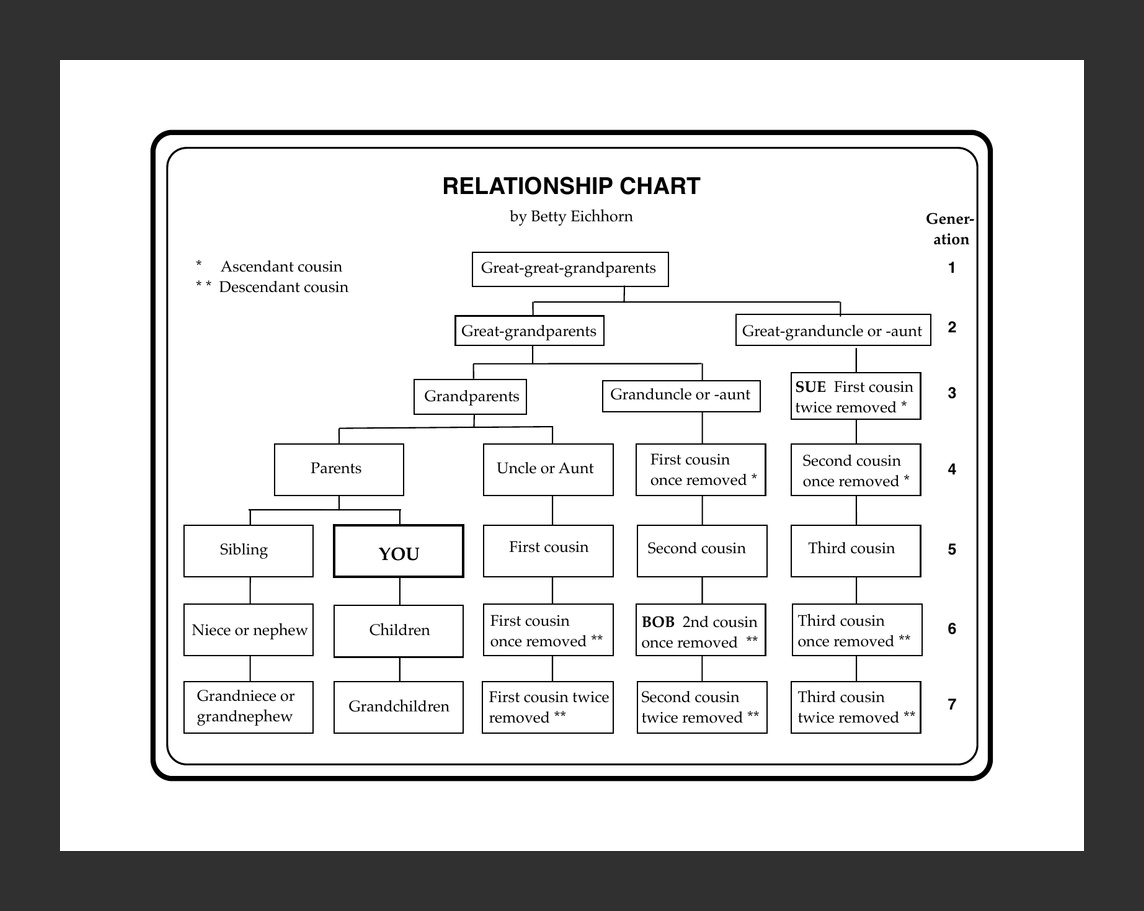
How to Create a Relationship Chart
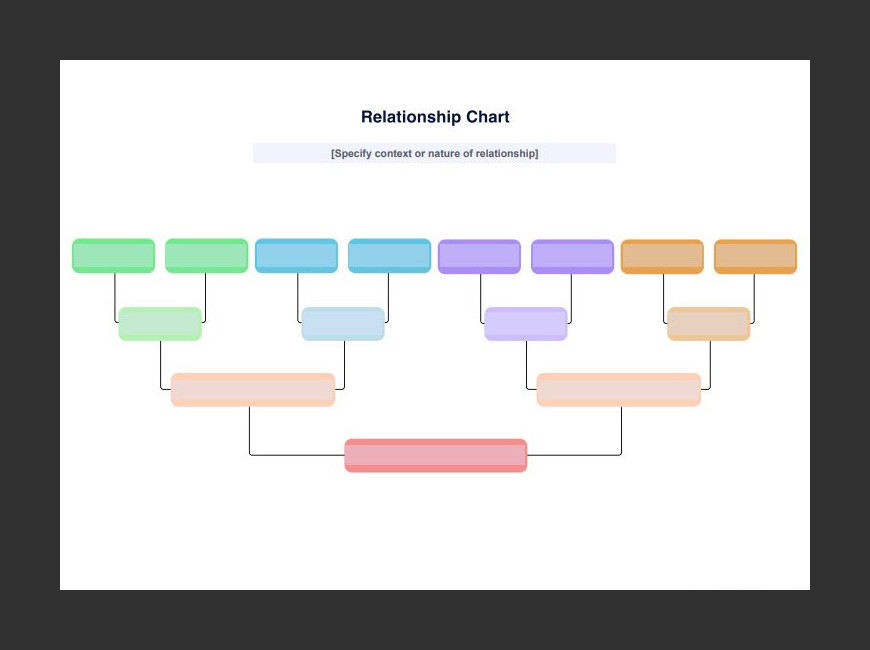
Creating a relationship chart is a relatively simple process that can be done with pen and paper or using digital tools such as software or online platforms. Follow these steps to create your own relationship chart:
- List Individuals: Start by listing the names or labels of each individual you want to include in the chart.
- Draw Connections: Use lines or arrows to connect individuals and indicate the type of relationship between them.
- Add Details: Include any additional information, such as relationship dynamics or color coding, to enhance the chart.
- Review and Update: Regularly review and update the relationship chart to ensure it remains accurate and reflective of your current relationships.
Tips for Successful Relationship Charting
To make the most of your relationship charting experience, consider the following tips:
- Be Honest: When creating your relationship chart, be honest about the dynamics of your relationships, including any conflicts or challenges.
- Seek Input: Consider asking trusted friends or family members to provide input on your relationship chart to gain different perspectives.
- Use Symbols: In addition to lines and arrows, consider using symbols or icons to represent different aspects of your relationships.
- Reflect and Adjust: Take time to reflect on your relationship chart regularly and make adjustments as needed to reflect changes in your relationships.
- Focus on Communication: Use your relationship chart as a tool to improve communication and understanding in your relationships.
Conclusion
A relationship chart can be a valuable tool for gaining insights into the dynamics of your relationships and improving communication and understanding with those around you. By creating a visual representation of the connections in your life, you can better navigate the complexities of human relationships and strengthen your connections with others. Whether you’re looking to enhance your romantic partnership, navigate family dynamics, or improve friendships, a relationship chart can provide clarity and guidance in understanding the dynamics of your relationships.
