When faced with a disagreement or dispute with another party, the last thing anyone wants is to escalate the situation to a costly legal battle. This is where a demand letter comes into play.
A demand letter is a formal document that notifies the other party of the grievance and requests specific action to resolve the issue, whether it be payment of money, fulfillment of a contract, or any other necessary action. By sending a demand letter, the sender is signaling their seriousness about the matter and their willingness to pursue legal action if necessary.
What is a Demand Letter?
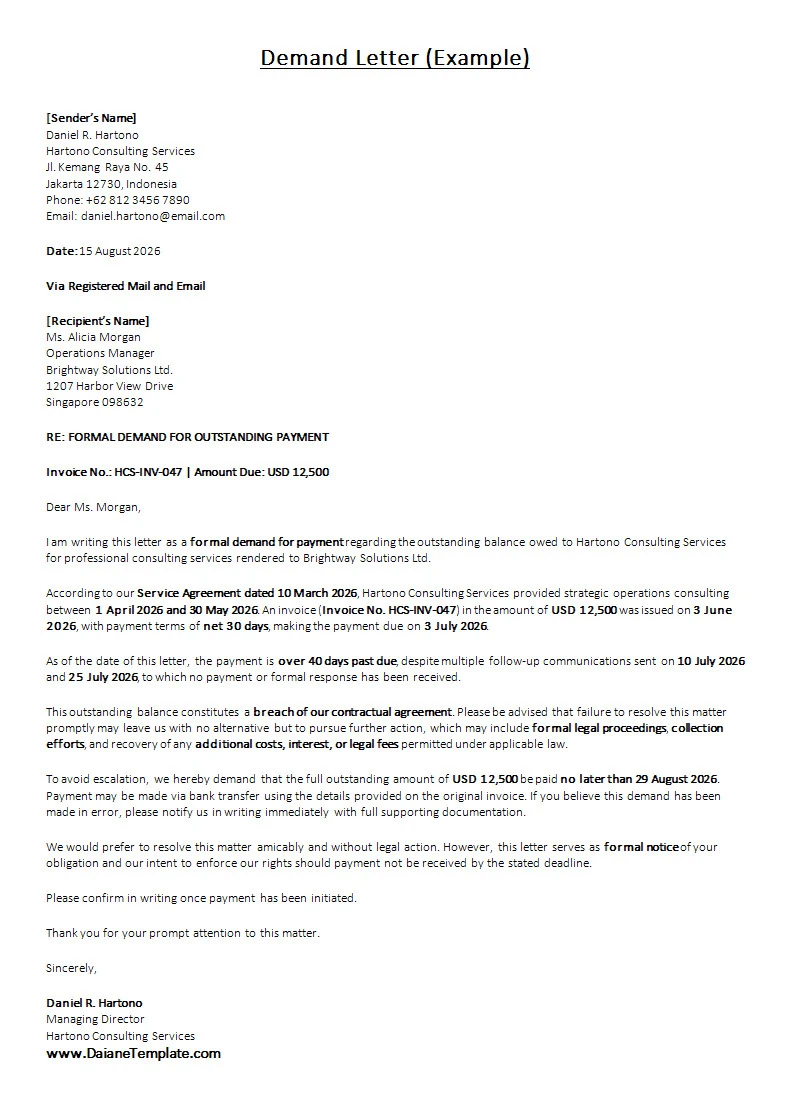
A demand letter, also known as a letter of demand or a demand for payment, is a written communication from one party to another, formally stating a grievance or dispute and requesting specific action to resolve it.
These letters are often used in business disputes, contract disagreements, landlord-tenant issues, and other legal matters where one party believes they are owed something by another party.
Why Send a Demand Letter?
Sending a demand letter serves several important purposes in the dispute resolution process.
- Firstly, it provides a formal record of the grievance, establishing a clear timeline for resolution. It also gives the other party a final opportunity to negotiate and settle the matter before legal action is taken. Additionally, a demand letter can help demonstrate the sender’s seriousness about the issue and their willingness to pursue legal avenues if necessary.
- One of the key reasons to send a demand letter is to attempt to resolve the dispute without the need for costly and time-consuming litigation. By clearly outlining the issue, stating the desired outcome, and providing a deadline for action, a demand letter encourages the other party to engage in pre-litigation negotiation and reach a settlement that is mutually acceptable.
- Another reason to send a demand letter is to establish a formal record of the grievance. By putting the issue in writing and sending it to the other party, the sender creates a documented record of their complaints, demands, and proposed resolution. This can be valuable evidence if legal action becomes necessary.
Key Elements of a Demand Letter
When crafting a demand letter, it is important to ensure that it effectively communicates the sender’s grievances and desired outcome. One key element of a demand letter is a clear and concise statement of the issue at hand. This should include a detailed explanation of the problem or dispute, including any relevant facts or background information that support the sender’s claims.
Another essential element of a demand letter is the requested action. The sender should clearly outline what they expect the other party to do to resolve the issue, whether it be making a payment, fulfilling a contractual obligation, or taking other specific actions. Being specific about the desired outcome helps avoid confusion and ensures that both parties are on the same page.
Setting a deadline is also a critical component of a demand letter. Including a deadline by which the other party must respond or take action adds a sense of urgency to the communication and helps move the dispute toward resolution. The deadline should be reasonable and provide the other party with sufficient time to consider the demands and respond appropriately.
In addition to outlining the issue, specifying the requested action, and setting a deadline, a demand letter should also include a section detailing the consequences of non-compliance. This section should clearly explain what will happen if the other party fails to meet the demands outlined in the letter, such as legal action, further escalation of the dispute, or other consequences.
How to Draft an Effective Demand Letter
When drafting a demand letter, it is important to follow certain guidelines to ensure that it effectively communicates the sender’s grievances and desired outcome. Here are some tips for crafting an effective demand letter:
One of the most important aspects of a demand letter is clarity. The letter should clearly and concisely state the issue at hand, the desired resolution, and the consequences of non-compliance. By straightforwardly providing all the necessary information, the sender increases the likelihood of a successful outcome.
Providing evidence to support the claims made in the demand letter is also crucial. This can include relevant documents, contracts, emails, or other communications that demonstrate the sender’s position and strengthen their case. By presenting this evidence in a clear and organized manner, the sender adds credibility to their demands.
Setting a deadline for the other party to respond or take action is another key aspect of an effective demand letter. This deadline should be reasonable and provide the other party with sufficient time to consider the demands and formulate a response. By setting a deadline, the sender creates a sense of urgency and encourages prompt action.
Maintaining a professional tone throughout the demand letter is essential. The letter should be written formally and respectfully, avoiding emotional language or personal attacks. By presenting the information in a professional tone, the sender conveys their seriousness about the issue and their willingness to pursue legal action if necessary.
Considering seeking legal advice before sending the demand letter is also a good idea, especially if the matter is complex or involves significant sums of money. A qualified attorney can provide guidance on the legal aspects of the situation, help draft the letter, and advise on the best course of action moving forward. By consulting with a lawyer, the sender can ensure that their demands are properly structured and legally sound.
Tips for Successful Demand Letters
While drafting a demand letter, there are several tips that can help increase its effectiveness and improve the chances of reaching a favorable resolution. Here are some additional tips for successful demand letters:
1. Clearly State Your Demands
Make sure your demands are clearly and specifically stated in the letter, leaving no room for misinterpretation. Clearly outline what you expect the other party to do to resolve the issue, and be precise in your wording to avoid confusion.
2. Keep a Record
Keep a copy of the demand letter for your records and make a note of when it was sent. Having a record of all communications related to the dispute can be helpful in case legal action becomes necessary and can serve as evidence of your attempts to resolve the issue amicably.
3. Follow Up
If the other party does not respond within the specified deadline or fails to comply with your demands, consider following up with a reminder. A polite follow-up communication can serve as a gentle nudge to prompt action and show that you are serious about pursuing the matter further if necessary.
4. Consider Alternative Dispute Resolution
If the other party responds to your demand letter but does not meet your demands, consider alternative dispute resolution methods before escalating to litigation. Mediation or arbitration can be effective ways to resolve disputes without going to court and can result in a mutually acceptable solution for both parties.
5. Seek Legal Assistance if Needed
If the matter escalates and legal action becomes necessary, seek the help of a qualified attorney to guide you through the process. A lawyer can assist with filing a lawsuit, representing you in court, and negotiating on your behalf to reach a favorable outcome. Legal assistance can be invaluable in navigating the complexities of the legal system.
6. Stay Calm and Professional
Throughout the dispute resolution process, it is important to maintain a calm and professional demeanor in all communications and interactions with the other party. Avoid engaging in heated arguments or making threats, as this can escalate the situation and hinder efforts to reach a resolution.
7. Be Open to Negotiation
While it is important to stand firm on your demands, be open to negotiation and compromise to reach a mutually beneficial resolution. Consider alternative solutions or concessions that may be acceptable to both parties and be willing to engage in productive discussions to find a middle ground.
Demand Letter Template – DOWNLOAD
