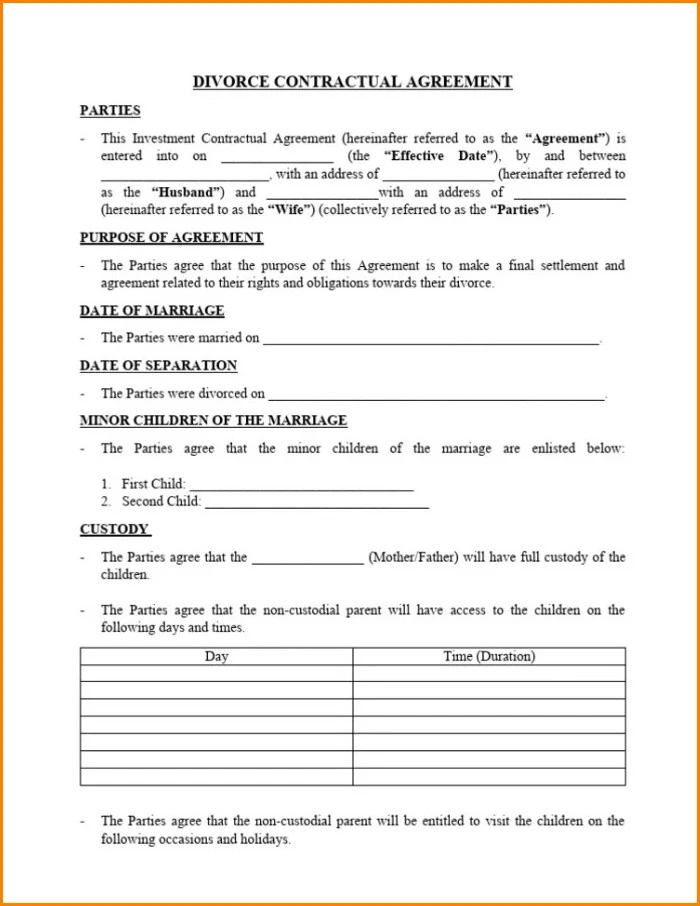
Divorce is a challenging and emotionally taxing process that often involves numerous legal, financial, and personal considerations.
A divorce agreement, also known as a marital settlement agreement, plays a crucial role in helping divorcing spouses navigate these complexities and reach mutually beneficial resolutions. By creating a divorce agreement, couples can establish clear guidelines for the division of assets, financial support, and child custody, ultimately streamlining the divorce process and minimizing future conflicts.
What is a Divorce Agreement?
A divorce agreement is a legally binding document that outlines the terms and conditions agreed upon by divorcing spouses to settle all outstanding issues related to their divorce.
This comprehensive document covers various aspects of the divorce, including child custody and support, property division, alimony, and other relevant matters. By documenting these agreements in writing, couples can ensure that their intentions are clearly communicated and legally enforceable.
Why Create a Divorce Agreement?
There are several compelling reasons why divorcing couples should consider creating a divorce agreement:
Clarity and Certainty
A divorce agreement provides clarity and certainty for both parties by clearly outlining their rights and obligations post-divorce. By documenting the terms of the divorce in writing, couples can avoid misunderstandings and disputes down the line, creating a solid foundation for moving forward.
Legal Enforceability
By formalizing their agreements in a divorce agreement, couples can ensure that their commitments are legally enforceable. This provides a level of protection and security for both parties, as well as a clear course of action in the event of non-compliance with the terms of the agreement.
Streamlining the Divorce Process
Creating a divorce agreement can streamline the divorce process by resolving key issues outside of court. By negotiating and reaching agreements on important matters such as child custody, support, and property division, couples can expedite the divorce proceedings and avoid costly and time-consuming litigation.
Protecting Children’s Interests
A divorce agreement that includes comprehensive provisions for child custody and support can help protect the interests and well-being of the children involved. By establishing clear guidelines for parenting responsibilities and financial support, parents can prioritize their children’s needs and ensure a stable and nurturing post-divorce environment.
What to Include in a Divorce Agreement?
When drafting a divorce agreement, it is crucial to address the following key components in detail:
Identification of the Parties
Begin the divorce agreement by clearly identifying the parties involved, including their full names, addresses, and contact information. This information serves as a reference point throughout the document and ensures that the agreement is binding on all parties.
Child Custody and Visitation
Detail the agreed-upon custody arrangement and visitation schedule for any children involved in the divorce. Include provisions for holidays, vacations, and special occasions to ensure that both parents have ample time with their children and maintain a strong parent-child relationship.
Child Support
Outline the financial support obligations for the children, including the amount of child support to be paid, the schedule of payments, and any additional expenses to be covered. Consider including provisions for educational expenses, healthcare costs, and extracurricular activities to ensure that the children’s needs are fully met.
Property Division
Specify how assets, debts, and real estate will be divided between the spouses following the divorce. Provide a detailed inventory of all marital property, including bank accounts, retirement accounts, vehicles, and real property, to ensure a fair and equitable distribution of assets.
Alimony
If alimony is applicable in your divorce case, clearly delineate the terms of spousal support in the agreement. Include the amount of alimony to be paid, the duration of payments, and any conditions for modification or termination of support. Address how changes in income or financial circumstances will impact the alimony arrangement to provide clarity and predictability.
Insurance and Taxes
Address how health insurance, life insurance, and tax liabilities will be handled post-divorce to avoid any potential conflicts or misunderstandings. Specify which party will be responsible for maintaining health insurance coverage for the children and how any tax refunds or liabilities will be allocated between the spouses.
How to Create a Divorce Agreement
Creating a comprehensive and effective divorce agreement requires careful consideration and attention to detail. Follow these steps to navigate the process successfully:
Seek Legal Guidance
Consult with a qualified family law attorney who can provide expert advice and guidance throughout the divorce agreement process. An experienced attorney can help you understand your rights, negotiate favorable terms, and ensure that the agreement complies with state laws and regulations.
Communicate Effectively
Effective communication is key to reaching mutually beneficial agreements in a divorce. Maintain open and honest discussions with your spouse to address concerns, express your needs, and negotiate solutions that are fair and equitable for both parties. Consider working with a mediator or counselor to facilitate productive communication and conflict resolution.
Document Everything
Keep detailed records of all discussions, agreements, and decisions made during the divorce process. Documenting important information in writing can help prevent misunderstandings and disputes later on, providing a clear record of the parties’ intentions and commitments.
Review and Revise
Thoroughly review the draft of your divorce agreement with your attorney and make any necessary revisions to ensure accuracy and completeness. Consider seeking input from trusted advisors or professionals to ensure that the agreement addresses all relevant issues and reflects your best interests.
Sign and Notarize
Once both parties are satisfied with the terms of the divorce agreement, sign the document in the presence of a notary public to make it legally binding. Notarizing the agreement adds an extra layer of authenticity and ensures that both parties are fully aware of the legal implications of the agreement.
Tips for Creating a Successful Divorce Agreement
Creating a successful divorce agreement requires careful planning, communication, and collaboration. Consider the following tips to help you navigate the process effectively:
Be Flexible
Remain open to compromise and negotiation when discussing the terms of your divorce agreement. Flexibility can help you reach mutually acceptable solutions and avoid unnecessary conflicts or delays in the process.
Focus on the Future
Consider the long-term implications of your decisions and how they will impact your post-divorce life. Focus on creating a sustainable agreement that sets the stage for a positive and constructive future for both parties.
Seek Support
Divorce can be emotionally challenging, so don’t hesitate to seek support from friends, family, or a therapist. Having a strong support system in place can help you navigate the process with clarity and resilience.
Stay Organized
Keep all important documents, communications, and agreements related to your divorce in a safe and accessible place. Staying organized can help you track important information, stay on top of deadlines, and ensure that nothing falls through the cracks.
Put Your Children First
When making decisions about child custody, support, and visitation, prioritize the best interests of your children. Consider their needs, preferences, and well
Stay Informed
Stay informed about your rights and responsibilities during the divorce process by seeking guidance from legal professionals and reputable resources. Understanding the legal framework and potential outcomes can help you make informed decisions and advocate for your best interests effectively.
Consider Mediation
If you and your spouse are having difficulty reaching agreements on key issues, consider engaging in mediation with a neutral third party. Mediation can provide a structured and supportive environment for productive discussions, helping you find common ground and resolve conflicts more efficiently.
Protect Your Interests
When negotiating the terms of your divorce agreement, be sure to protect your interests and advocate for your needs. Consider consulting with financial advisors, accountants, or other professionals to ensure that the agreement reflects your financial goals and priorities.
Review Regularly
Regularly review and update your divorce agreement as needed to reflect changes in circumstances or unforeseen developments. Life events such as job changes, relocations, or changes in family dynamics may necessitate modifications to the agreement to ensure that it remains fair and equitable for both parties.
Seek Closure
Creating a comprehensive and well-crafted divorce agreement can help you achieve closure and emotional resolution following the end of your marriage. By addressing all relevant issues in the agreement and finalizing the terms of your divorce, you can move forward with confidence and clarity.
Stay Positive
While divorce can be a challenging and emotionally draining process, it is essential to remain positive and focused on the future. By approaching the creation of your divorce agreement with a constructive and proactive mindset, you can navigate the process with resilience and grace.
Conclusion
In conclusion, a divorce agreement is a vital tool for divorcing couples to navigate the complexities of the divorce process and reach mutually beneficial resolutions. By addressing key issues such as child custody, support, property division, and alimony in a comprehensive and detailed agreement, couples can minimize conflicts, streamline the divorce process, and ensure a smoother transition to their post-divorce lives.
By following the guidelines outlined in this comprehensive guide, seeking professional guidance, and prioritizing effective communication and collaboration, you can create a divorce agreement that meets your needs and sets the stage for a positive and harmonious future.
Divorce Agreement Template – DOWNLOAD
