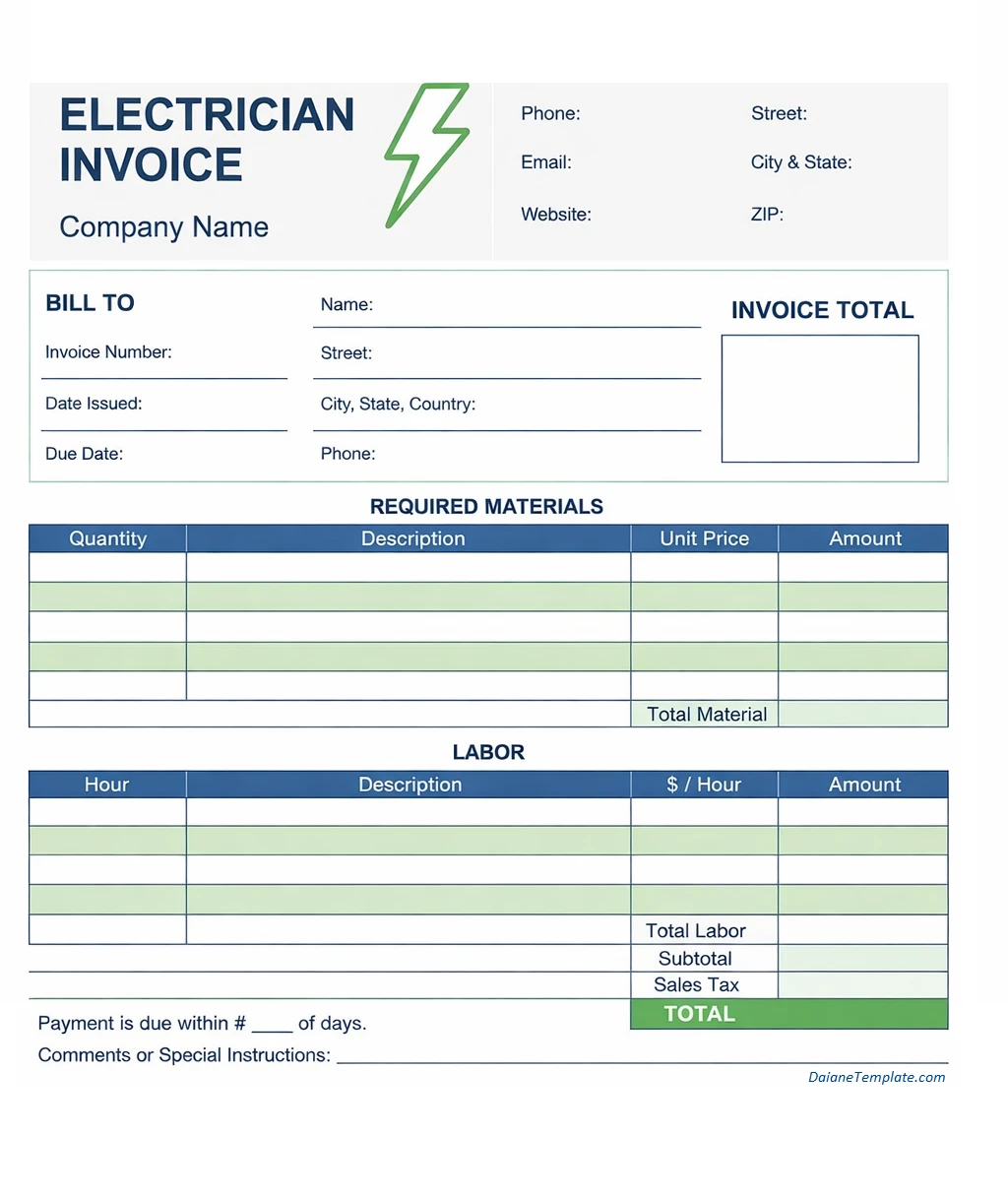
In the world of electrical services, an invoice is a crucial document that outlines all the work done, the cost for each service, and the total amount due.
When electrical services have been rendered, having a detailed and accurate invoice ensures transparency between the electrician and the customer. It serves as a record of the services provided and the agreed-upon pricing, making it easier for both parties to track and manage payments.
Why is an Invoice Important for Electricians?
An invoice is essential for electricians for several reasons. Firstly, it provides a clear breakdown of the services rendered, including the types of work done, the materials used, and the labor costs. This level of detail helps prevent any misunderstandings or disputes between the electrician and the customer regarding the scope of work and pricing.
Moreover, an invoice serves as a legal document that can be used in case of any payment disputes or legal issues. It provides proof that the services were indeed provided and that the customer agreed to the pricing and terms outlined in the invoice. This can be crucial in resolving any conflicts that may arise during or after the completion of the electrical work.
What Should Be Included on an Invoice for an Electrician?
When creating an electrical invoice, it is important to include specific details to ensure clarity and transparency. Some key elements that should be included on an invoice for an electrician are:
- Client Information: Please include the customer’s name, address, and contact details.
- Service Details: Provide a detailed description of the services performed, including the type of work done and any materials used.
- Pricing: Clearly outline the cost for each service, including labor costs, materials, and any additional fees.
- Payment Terms: Specify the payment terms, including the due date, accepted payment methods, and any applicable late payment penalties.
- Tax Information: Include any applicable taxes or fees that need to be added to the total amount due.
- Terms and Conditions: Include any terms and conditions related to the services provided, warranties, or guarantees.
How to Create an Electrical Invoice
Creating an electrical invoice is a straightforward process that can be done using invoicing software or templates. To create an effective invoice, follow these steps:
1. Use a professional invoice template that includes all the necessary elements mentioned above.
2. Fill in the client’s information, service details, pricing, and payment terms accurately.
3. Double-check all the information to ensure accuracy and clarity.
4. Save and send the invoice to the customer promptly.
How to Charge for Your Electrical Work
Determining how to charge for your electrical work can vary depending on the type of services provided, your experience level, and market rates. Some common ways electricians charge for their services include:
1. Hourly Rate: Charging an hourly rate for labor and adding the cost of materials separately.
2. Flat Rate: Charging a fixed price for specific services regardless of the time spent.
3. Project-Based: Quoting a total price for the entire project based on the scope of work.
4. Cost-Plus: Adding a percentage markup to the cost of materials and labor to determine the total price.
5. Emergency Rate: Charging a higher rate for emergency services or after-hours work.
6. Maintenance Contracts: Offering ongoing maintenance services for a fixed monthly or annual fee.
7. Travel Fees: Charging a fee for travel time and expenses for work outside of your usual service area.
8. Discounts: Offering discounts for recurring customers, referrals, or bulk services.
9. Payment Plans: Providing options for payment plans or financing for larger projects.
10. Itemized Invoices: Providing itemized invoices that break down the costs for transparency.
When is The Right Time to Send an Invoice to Your Electrical Work Customers?
The timing of sending an invoice to your electrical work customers can vary depending on the terms agreed upon. In general, it is recommended to send the invoice promptly after completing the services. This ensures that the customer receives the invoice while the work is still fresh in their mind and allows them to process the payment promptly.
Sending the invoice promptly also helps maintain a good relationship with your customers by showing professionalism and promptness in your invoicing process. It is important to follow up on any unpaid invoices within a reasonable timeframe to avoid any delays in payment and ensure a steady cash flow for your electrical business.
Electrical Invoice Template – DOWNLOAD
