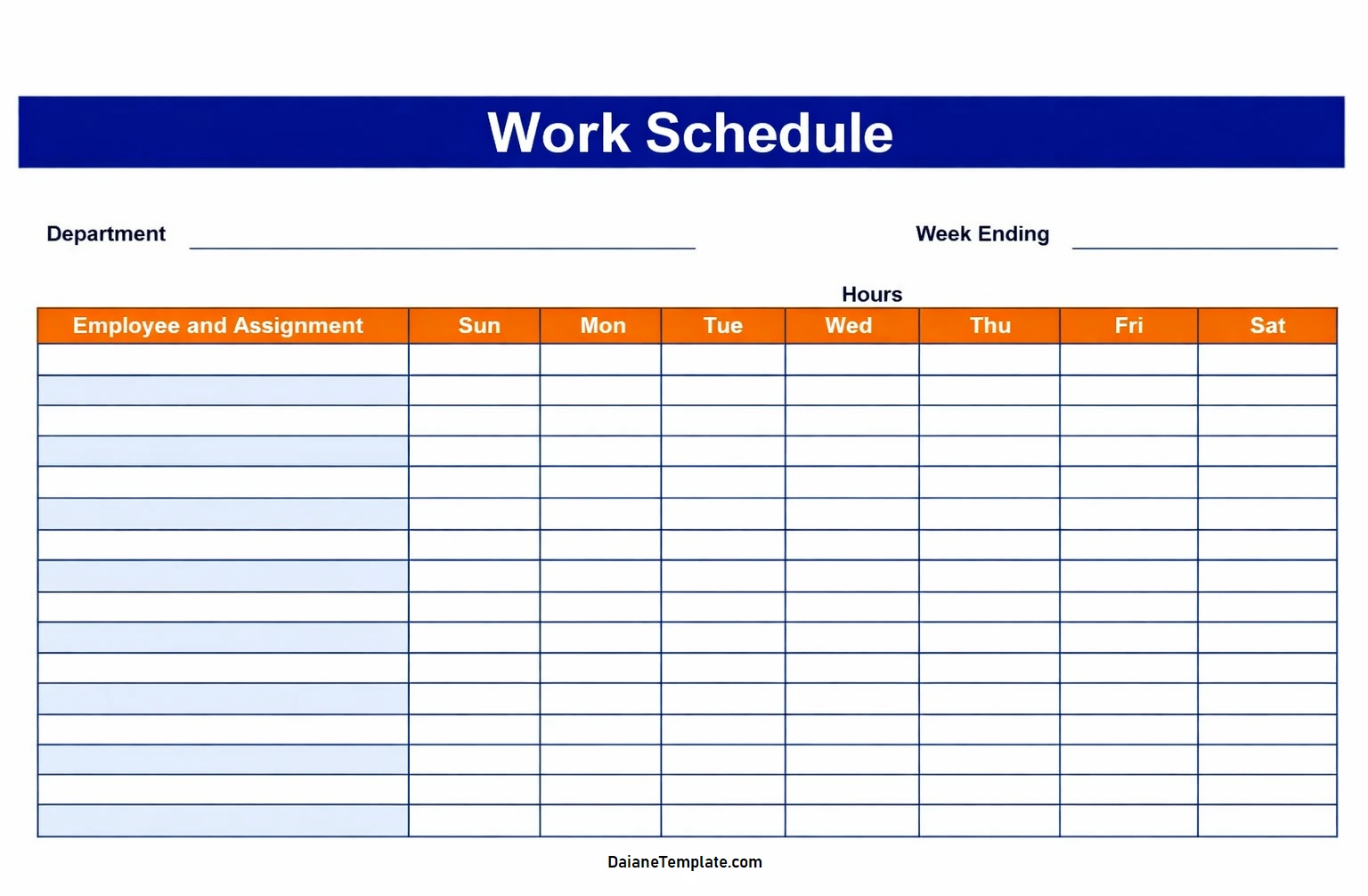
Employee scheduling is a crucial aspect of human resource management that involves strategically aligning staff with operational demand to ensure productivity, reduce costs, maintain compliance, and boost morale.
By creating schedules that match the right employees with the right skills to work at the right times, organizations can optimize their workforce efficiency and effectiveness.
What is Employee Schedule?
Employee scheduling refers to the process of creating work schedules for employees based on factors such as availability, skills, and operational needs. It involves determining the number of staff required for each shift, assigning specific roles and responsibilities, and ensuring that all shifts are adequately staffed to meet customer demand.
Effective employee scheduling requires careful planning and consideration of various factors, including labor laws, employee preferences, and business objectives. By creating well-structured schedules, organizations can ensure smooth operations, minimize conflicts, and maximize productivity.
Why Employee Scheduling is Important
Employee scheduling plays a critical role in driving operational efficiency and organizational success. Here are some key reasons why employee scheduling is essential:
- Maximizes Productivity: By matching the right employees with the right skills to work during peak hours, employee scheduling can optimize productivity and ensure that tasks are completed efficiently.
- Reduces Labor Costs: Effective scheduling helps organizations avoid overstaffing or understaffing, which can lead to unnecessary labor costs. By aligning staffing levels with operational demand, businesses can control expenses and improve profitability.
- Ensures Compliance with Labor Laws: Employee scheduling helps organizations comply with labor laws and regulations, such as overtime pay, rest breaks, and maximum shift hours. By creating schedules that adhere to legal requirements, businesses can avoid penalties and legal issues.
- Boosts Employee Morale: Clear and predictable schedules provide employees with structure and clarity, reducing stress and improving job satisfaction. By accommodating employee preferences and needs, organizations can boost morale and retain top talent.
What to Include in an Employee Schedule
When creating an employee schedule, it is essential to include the following elements to ensure effectiveness and efficiency:
– Employee availability and preferences
– Shift assignments and responsibilities
– Break and rest periods
– Overtime and leave management
– Communication channels for schedule changes
– Compliance with labor laws and regulations
How to Create an Effective Employee Schedule
Creating an effective employee schedule involves a systematic approach that takes into account various factors and considerations. Here are some tips for successfully creating an employee schedule:
- Understand operational demand: Analyze historical data and trends to forecast staffing needs accurately.
- Communicate with employees: Involve employees in the scheduling process and consider their preferences and availability.
- Use scheduling software: Invest in scheduling tools and software to automate the process and streamline scheduling tasks.
- Monitor and adjust: Regularly review and adjust schedules based on feedback, performance metrics, and operational changes.
- Provide training and support: Train managers and employees on scheduling best practices and provide support for any scheduling issues or conflicts.
- Seek feedback: Encourage feedback from employees on the scheduling process and make adjustments to improve satisfaction and efficiency.
Employee Schedule Template – DOWNLOAD
