When it comes to buying or selling equipment, having a clear and concise bill of sale is crucial. A bill of sale is a legal document that records the transfer of ownership of equipment from one party to another. It serves as proof of purchase and helps protect both the buyer and the seller in case of any disputes.
In this comprehensive guide, we will discuss everything you need to know about an equipment bill of sale, including what it is, why it is important, what to include, how to create one, and some tips for a successful transaction.
What is an Equipment Bill of Sale?
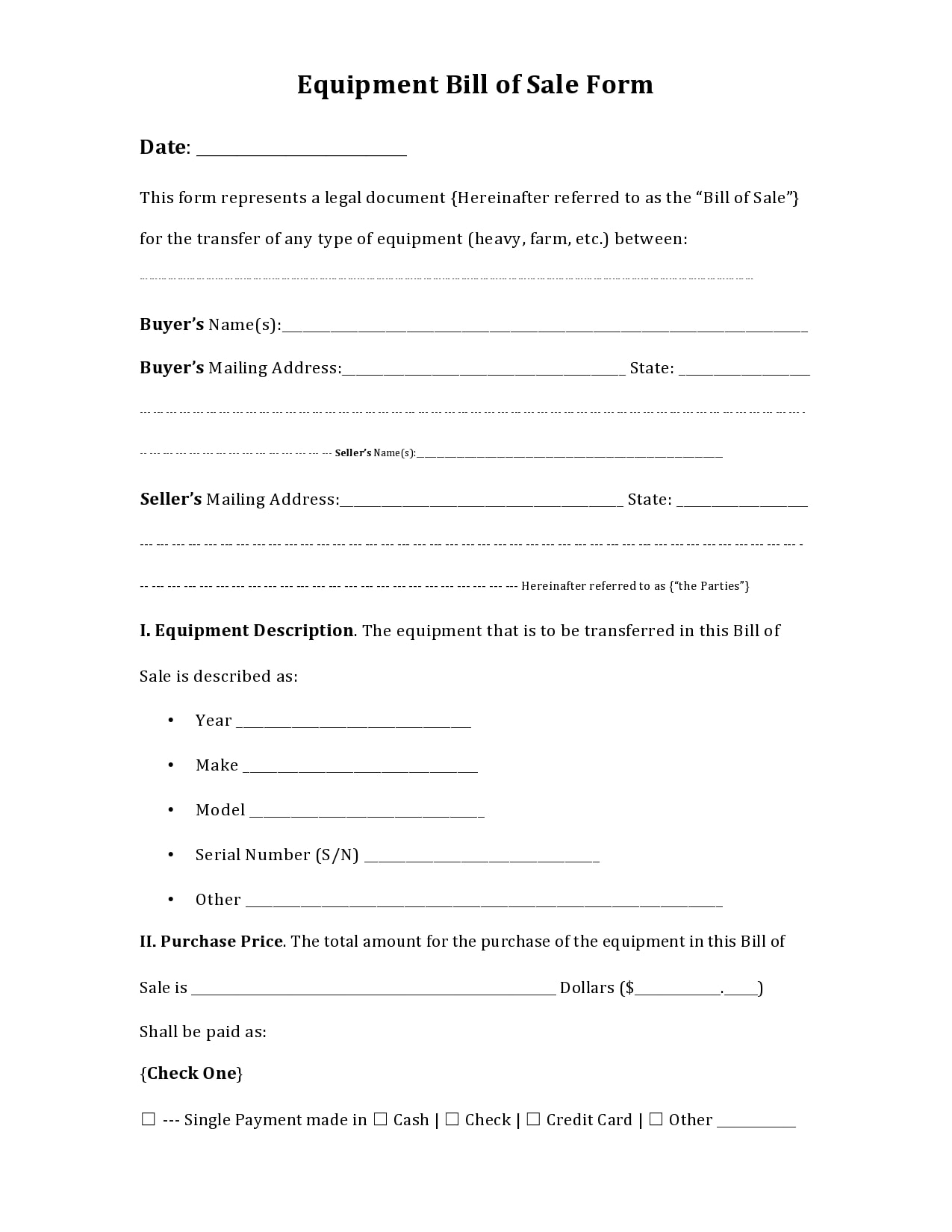
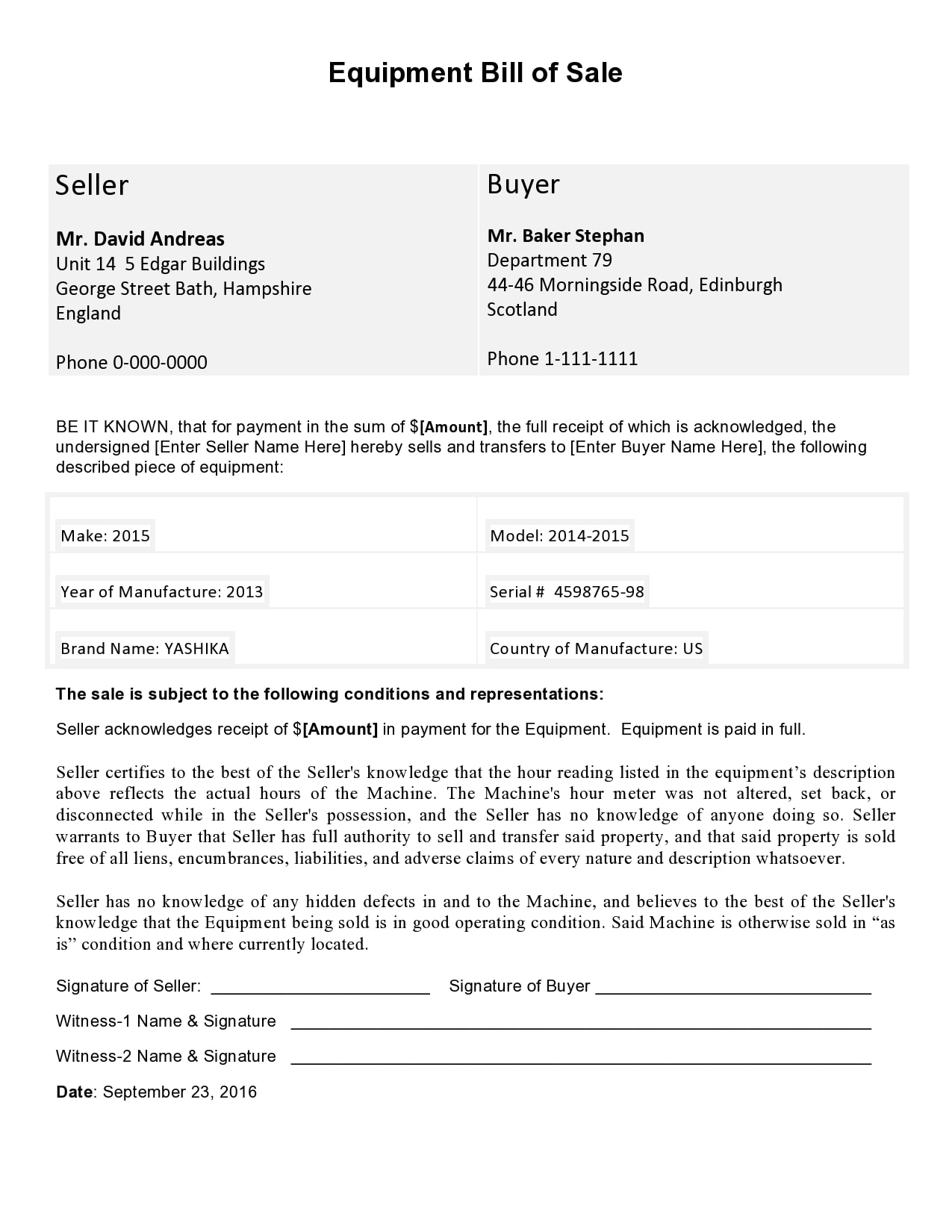
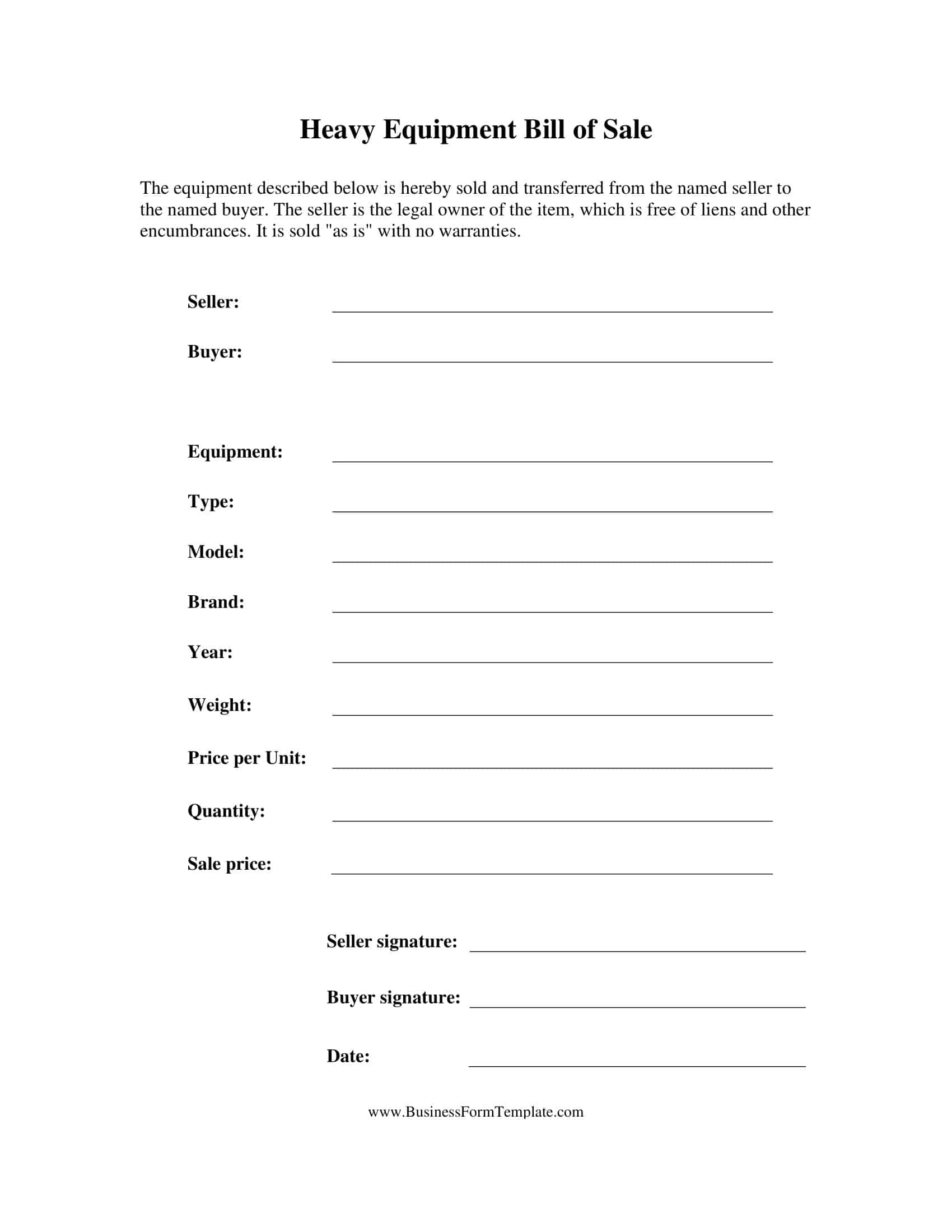
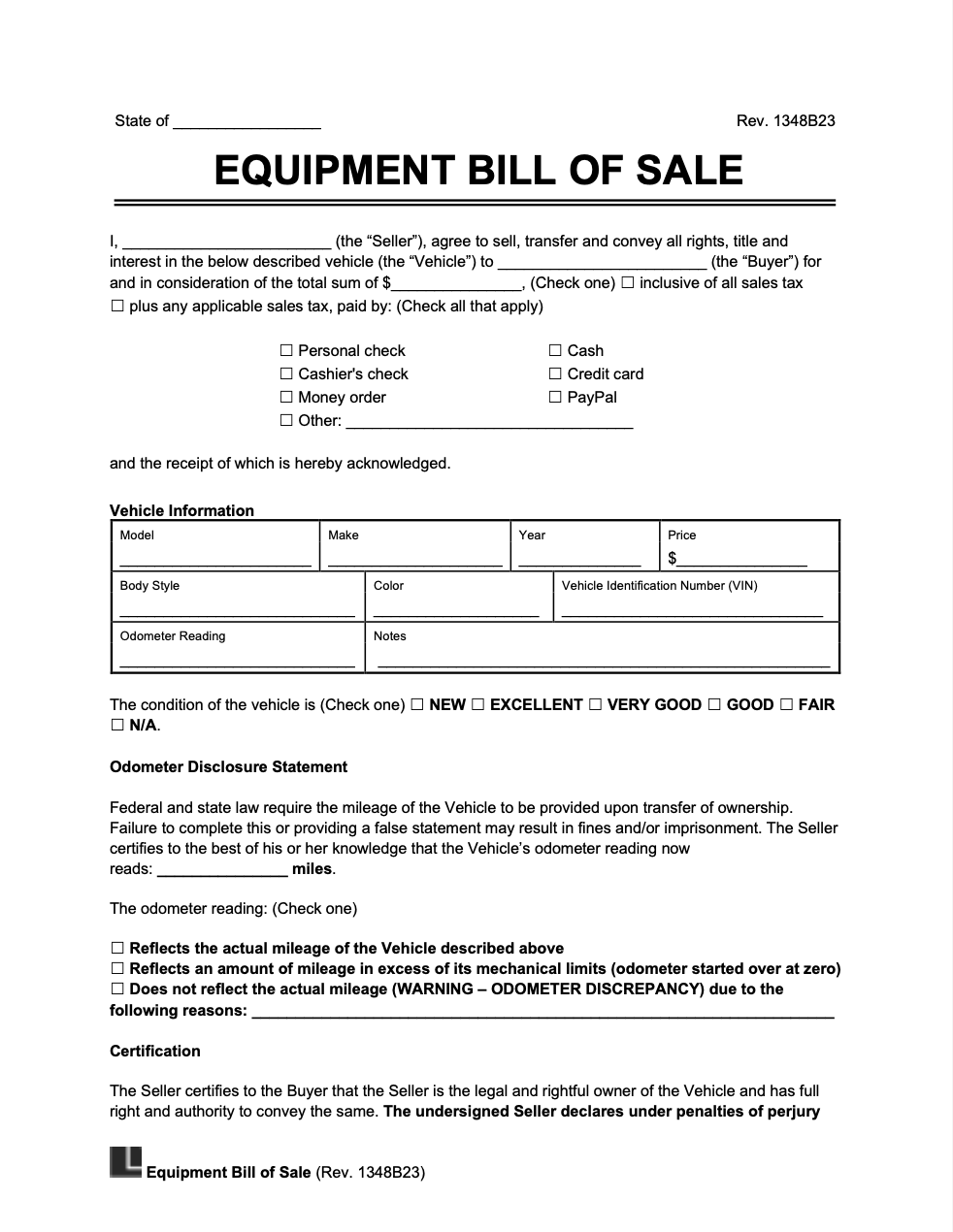
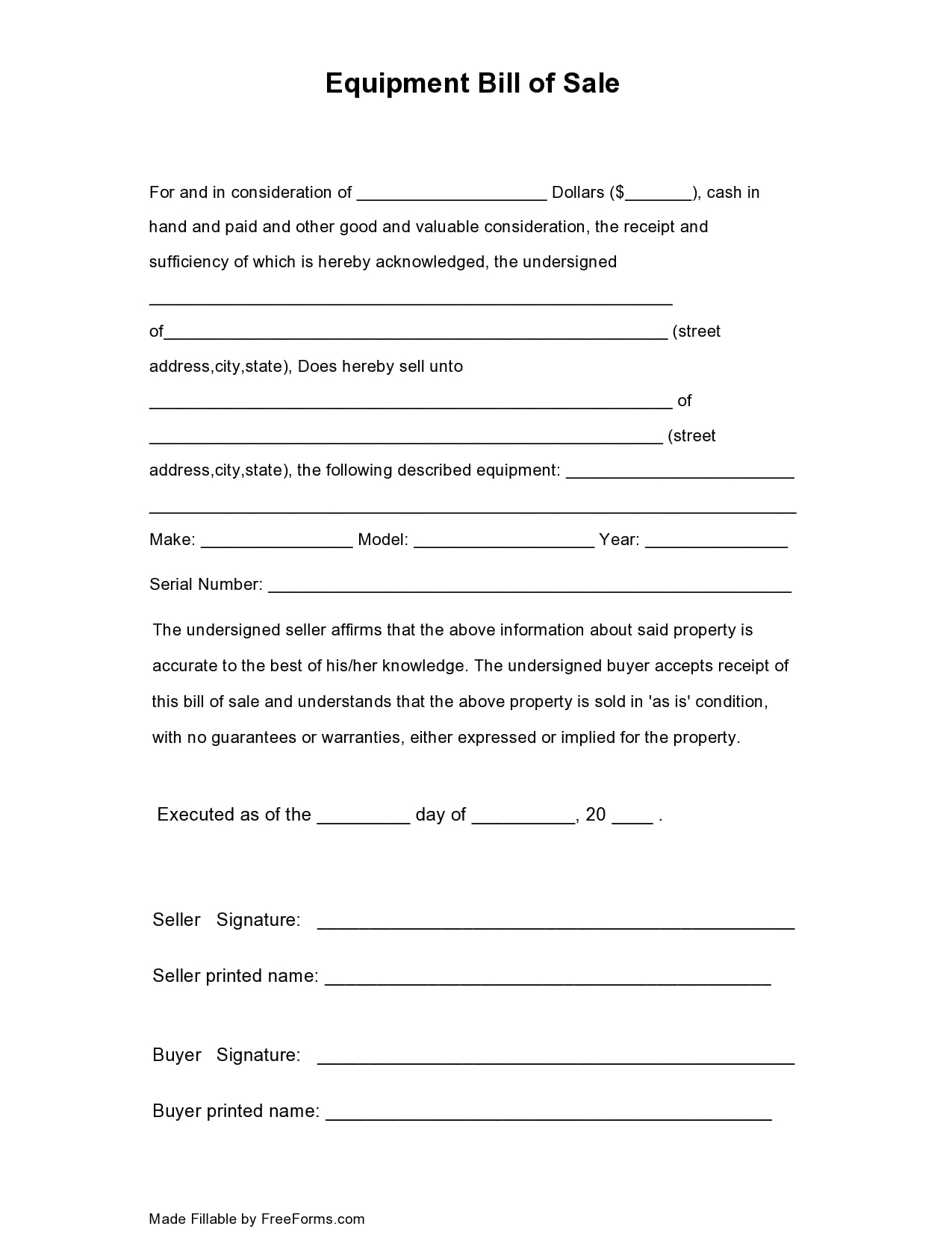
An equipment bill of sale is a document that outlines the details of a transaction involving the sale of equipment. It includes information such as the names and addresses of the buyer and seller, a description of the equipment being sold, the purchase price, and any terms and conditions of the sale.
This document serves as a legal record of the transaction and helps protect the rights of both parties.
Why is an Equipment Bill of Sale Important?
Having a well-drafted equipment bill of sale is important for several reasons. Firstly, it provides proof of ownership transfer, which can be crucial in case of any disputes or legal issues. Secondly, it helps protect both the buyer and the seller by clearly outlining the terms of the sale, including any warranties or guarantees. Finally, a bill of sale can also be used for tax purposes, as it provides a record of the purchase price and other relevant details.
What to Include in an Equipment Bill of Sale
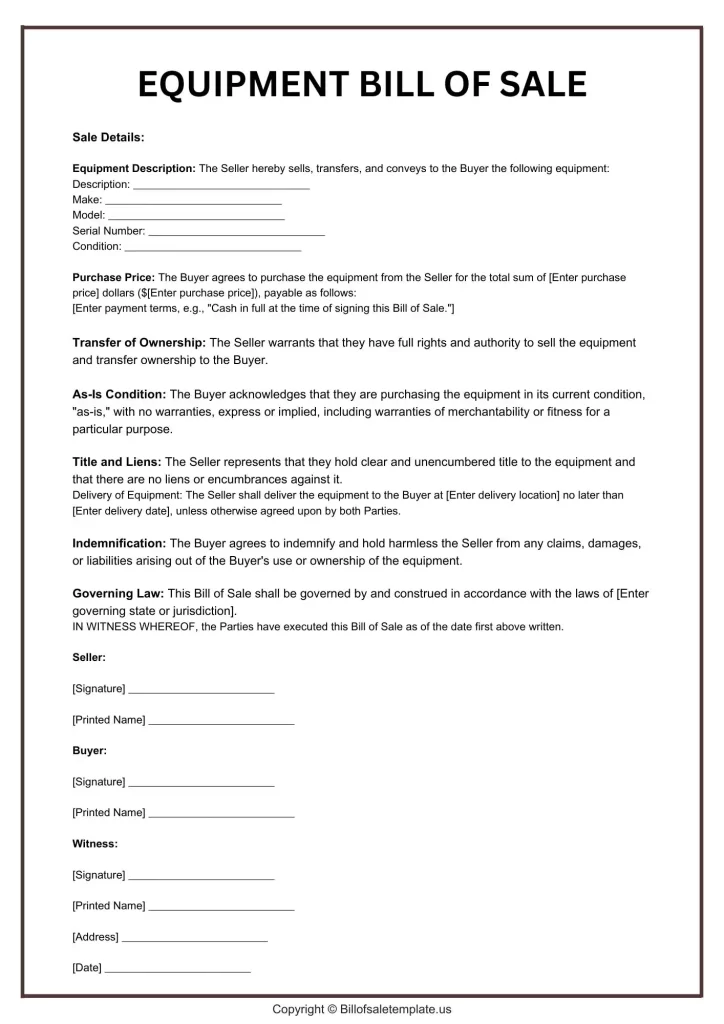
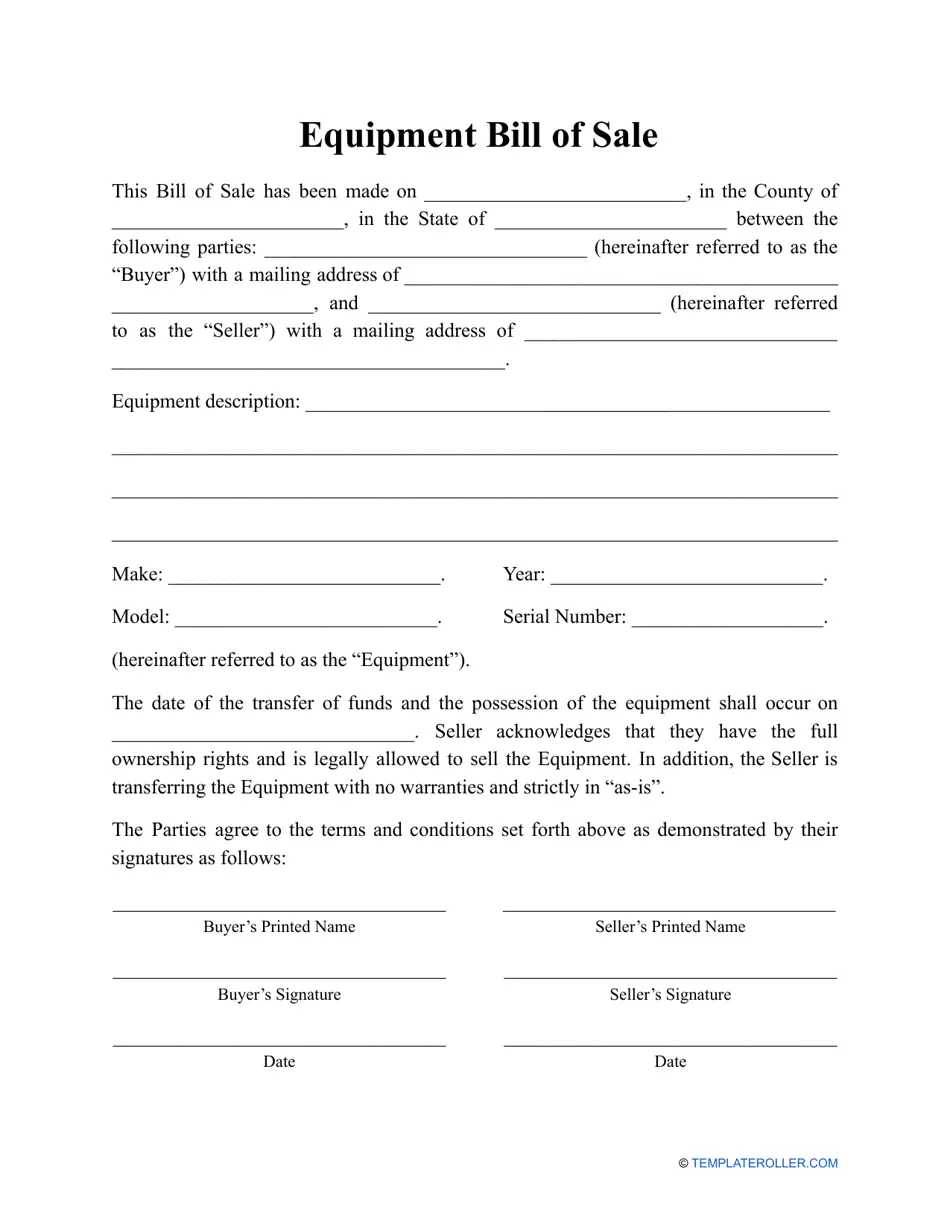
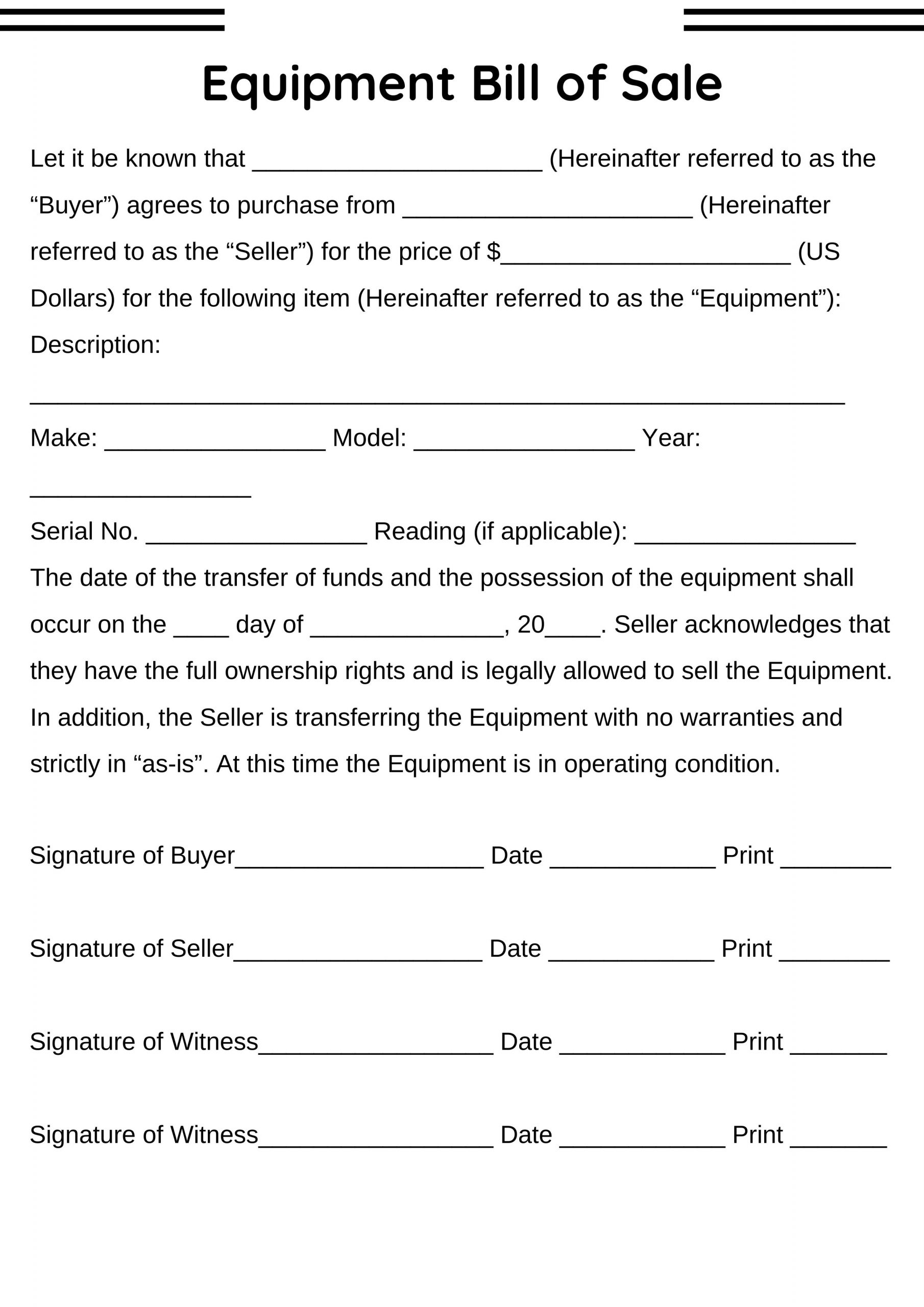
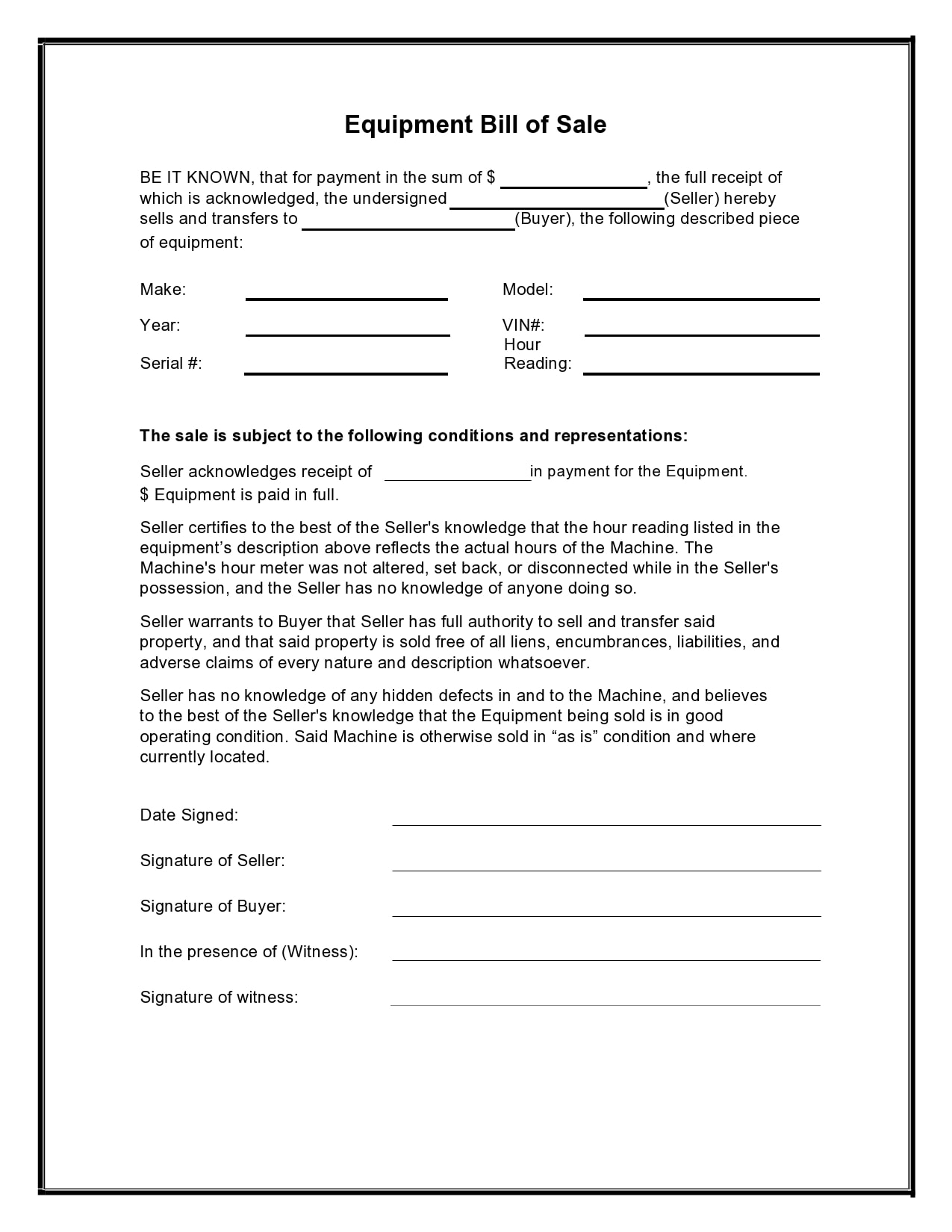
When creating an equipment bill of sale, several key elements should be included to ensure it is legally binding and comprehensive. These include:
- Names and Addresses: Include the full legal names and addresses of both the buyer and the seller.
- Description of Equipment: Provide a detailed description of the equipment being sold, including make, model, serial number, and any other identifying information.
- Purchase Price: Clearly state the purchase price of the equipment and any payment terms agreed upon by both parties.
- Terms and Conditions: Include any terms and conditions of the sale, such as warranties, guarantees, or return policies.
- Date and Signatures: Include the date of the sale and have both parties sign the document to signify their agreement to the terms.
Examples
How to Create an Equipment Bill of Sale
Creating an equipment bill of sale is a relatively simple process, but it is important to ensure that all the necessary information is included to make it legally binding. Here are the steps to follow when creating an equipment bill of sale:
1. Gather Information:
Collect all the relevant information about the equipment being sold, including its make, model, serial number, and condition.
2. Include Buyer and Seller Details:
Provide the full legal names and addresses of both the buyer and the seller.
3. Describe the Equipment:
Provide a detailed description of the equipment being sold, including any relevant features or specifications.
4. State the Purchase Price:
Clearly state the purchase price of the equipment and any payment terms agreed upon by both parties.
5. Include Terms and Conditions:
Outline any terms and conditions of the sale, such as warranties, guarantees, or return policies.
6. Date and Signatures:
Include the date of the sale and have both parties sign the document to make it legally binding.
Tips for a Successful Equipment Sale
When selling equipment, there are a few tips to keep in mind to ensure a smooth and successful transaction. These include:
- Be Honest: Provide accurate and detailed information about the equipment being sold to avoid any misunderstandings.
- Agree on Terms: Clearly outline the terms of the sale, including the purchase price, payment terms, and any warranties or guarantees.
- Keep Records: Keep a copy of the equipment bill of sale for your records and provide a copy to the buyer as well.
- Consult a Professional: If you are unsure about the legal aspects of the sale, consider consulting a legal professional to ensure everything is in order.
- Complete Due Diligence: Before finalizing the sale, make sure to inspect the equipment thoroughly and ensure it is in good working condition.
In Conclusion
An equipment bill of sale is a crucial document when buying or selling equipment. It provides legal proof of ownership transfer and helps protect both parties in case of any disputes. By including all the necessary information and following the tips outlined in this guide, you can ensure a successful and smooth equipment sale transaction.
Equipment Bill of Sale Template – Download
