In today’s fast-paced world, managing your finances is more important than ever. One crucial aspect of financial management is creating and sticking to an expense budget. An expense budget is a plan that outlines how you will allocate your resources to cover your expenses over a period of time. It helps you track your spending, identify areas where you can cut costs, and ultimately achieve your financial goals.
In this guide, we will delve deep into the world of expense budgets, exploring what they are, why they are important, what to include in your budget, how to create one, and tips for staying on track.
What is an Expense Budget?
An expense budget is a financial plan that outlines your expected income and expenses over a specific period of time. It helps you keep track of where your money is going and ensures that you are living within your means. By creating an expense budget, you can identify areas where you may be overspending and make adjustments to reach your financial goals.
When creating an expense budget, it is important to include both fixed expenses (such as rent, mortgage, utilities) and variable expenses (such as groceries, entertainment, clothing). By accounting for all of your expenses, you can get a clear picture of your financial situation and make informed decisions about where to cut costs and where to allocate more funds.
Why is an Expense Budget Important?
An expense budget is essential for financial stability and success. It allows you to track your spending, identify patterns, and make informed decisions about your money. Without a budget, it is easy to overspend, accumulate debt, and struggle to reach your financial goals.
By creating an expense budget, you can take control of your finances and make intentional choices about how you use your money. It provides a roadmap for your financial journey and helps you stay on track towards achieving your goals, whether that be saving for a vacation, buying a home, or paying off debt.
What to Include in Your Expense Budget
When creating an expense budget, there are several key components to consider. These include:
- Income: Include all sources of income, such as salary, bonuses, and investment returns.
- Fixed Expenses: List all recurring expenses that remain constant each month, such as rent or mortgage payments, insurance premiums, and loan payments.
- Variable Expenses: Account for expenses that fluctuate from month to month, such as groceries, dining out, entertainment, and clothing.
- Savings: Allocate a portion of your income towards savings goals, such as an emergency fund, retirement savings, or a specific financial goal.
- Debt Payments: Include any debt repayments, such as credit card balances, student loans, or car loans.
- Unexpected Expenses: Set aside a buffer for unexpected costs or emergencies, such as car repairs or medical expenses.
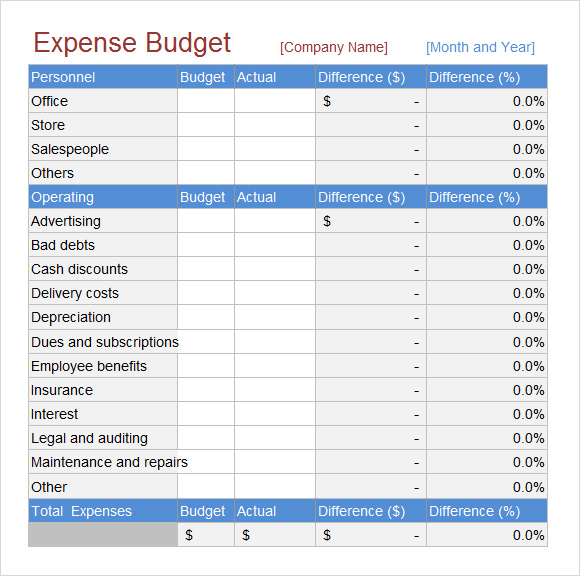
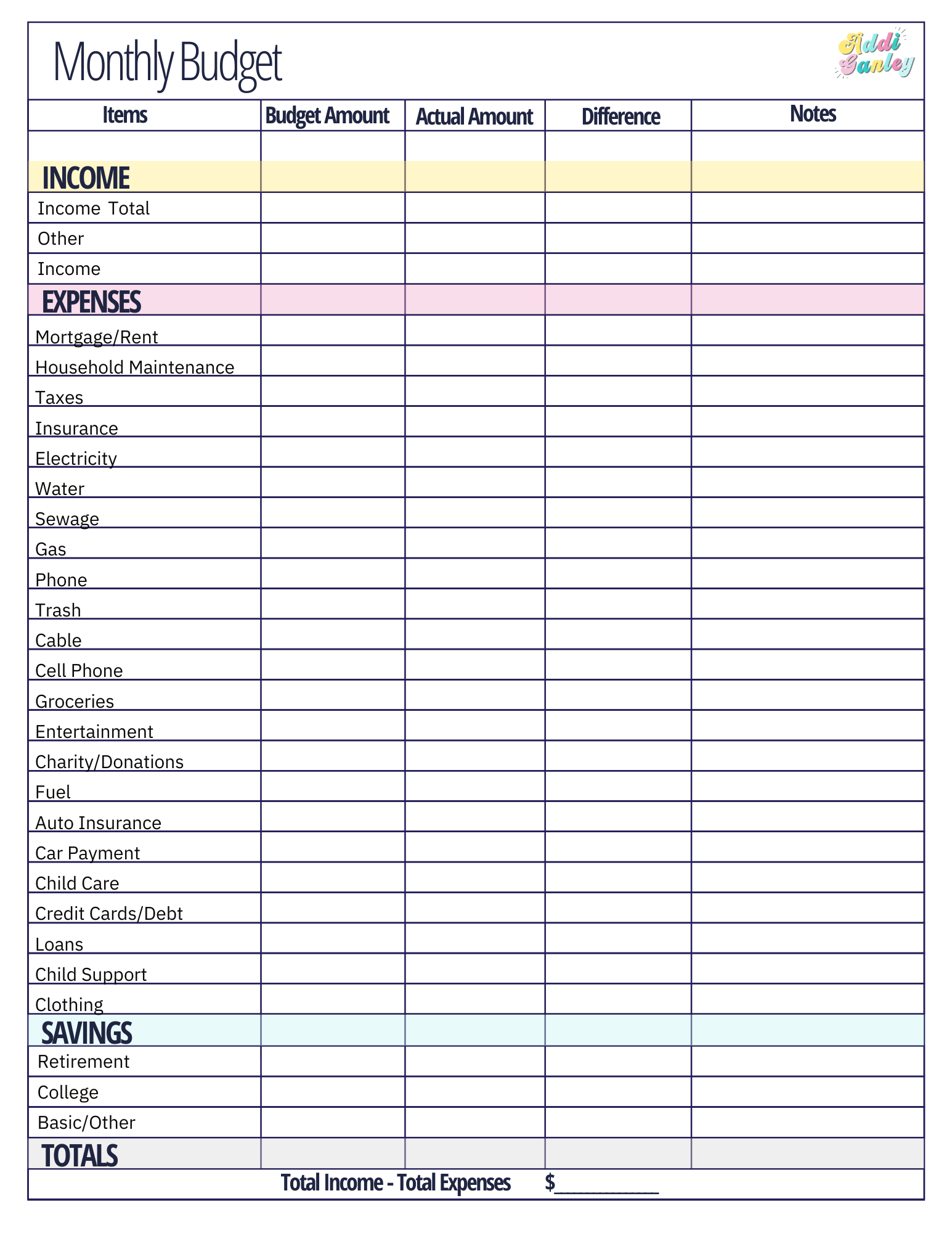
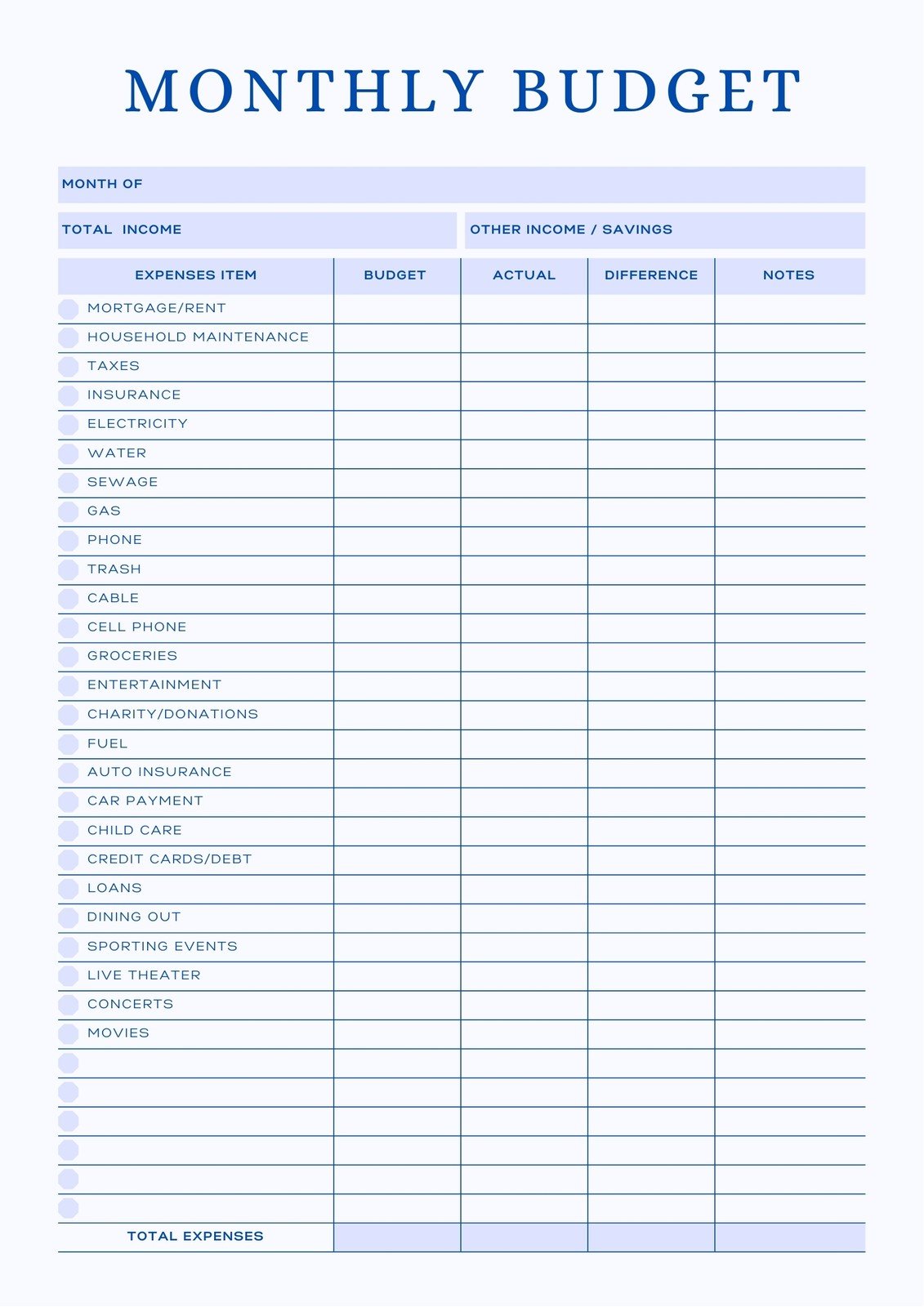
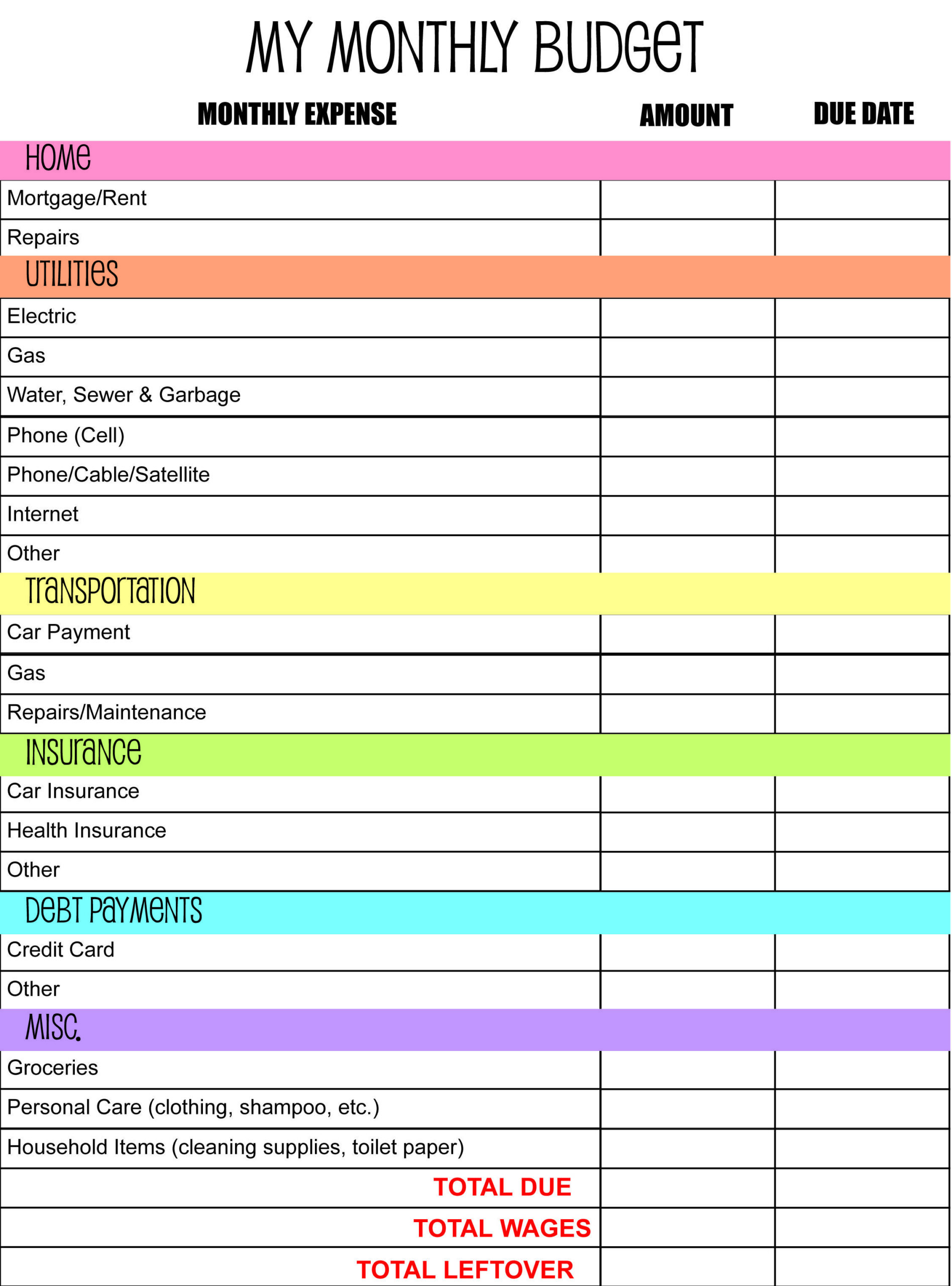
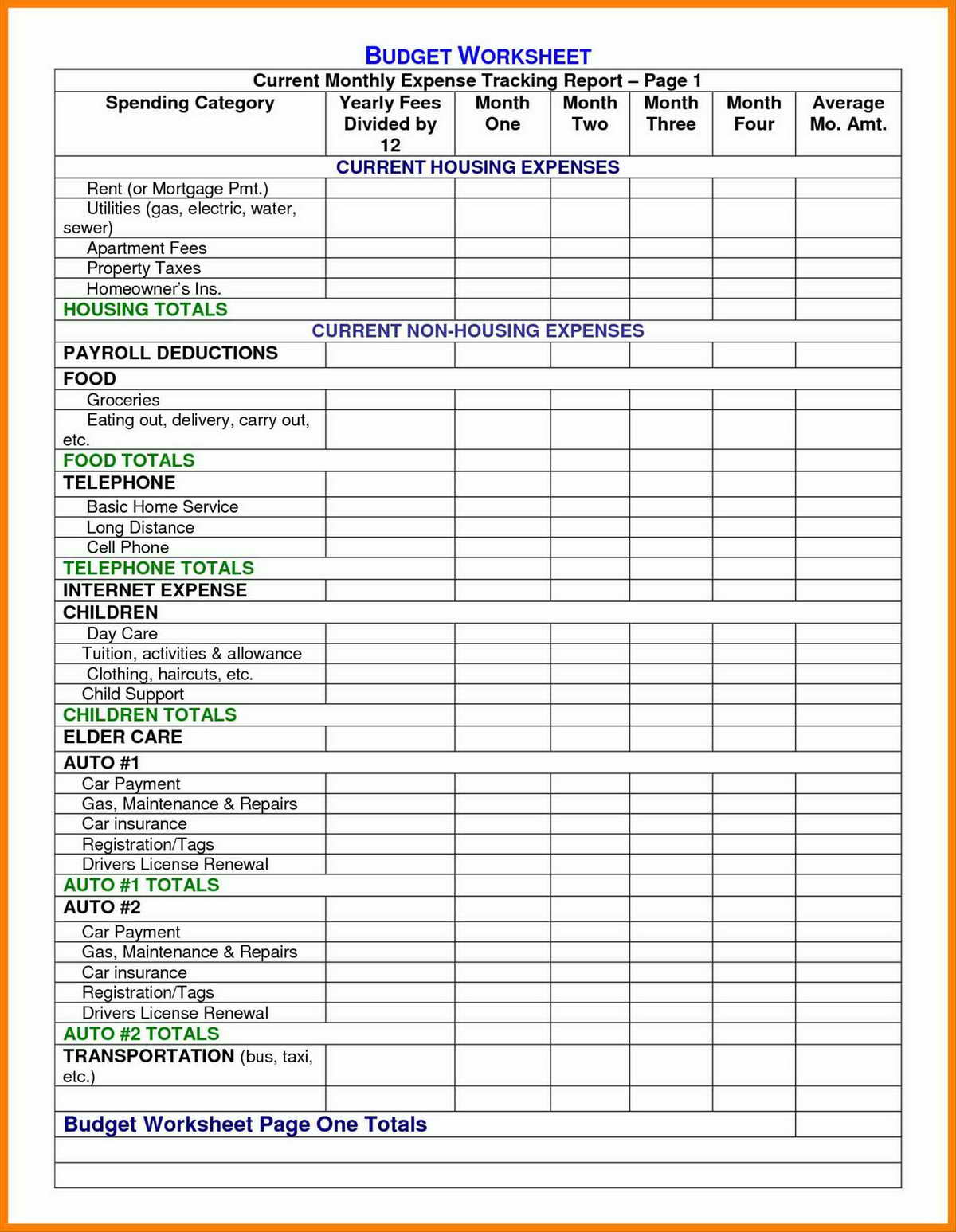
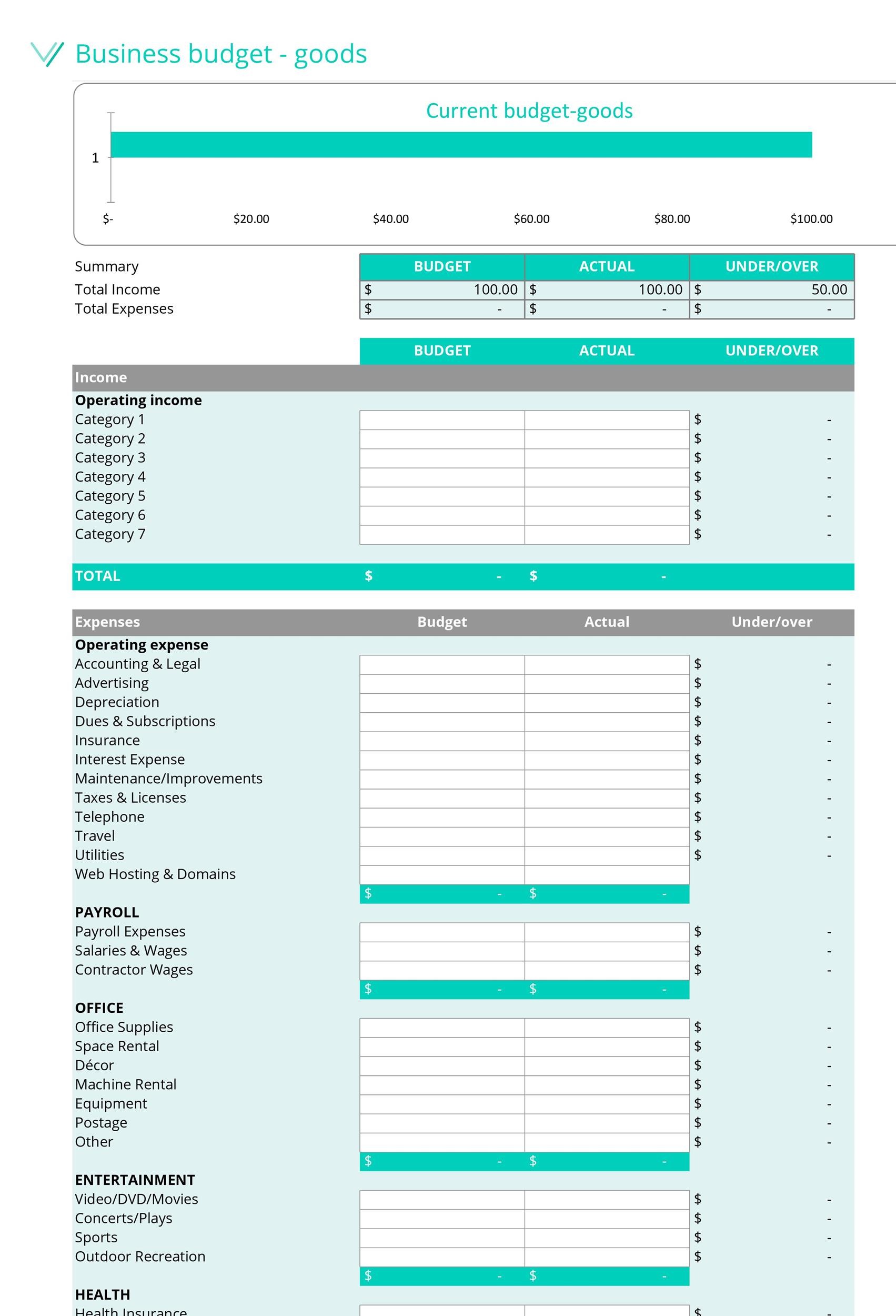
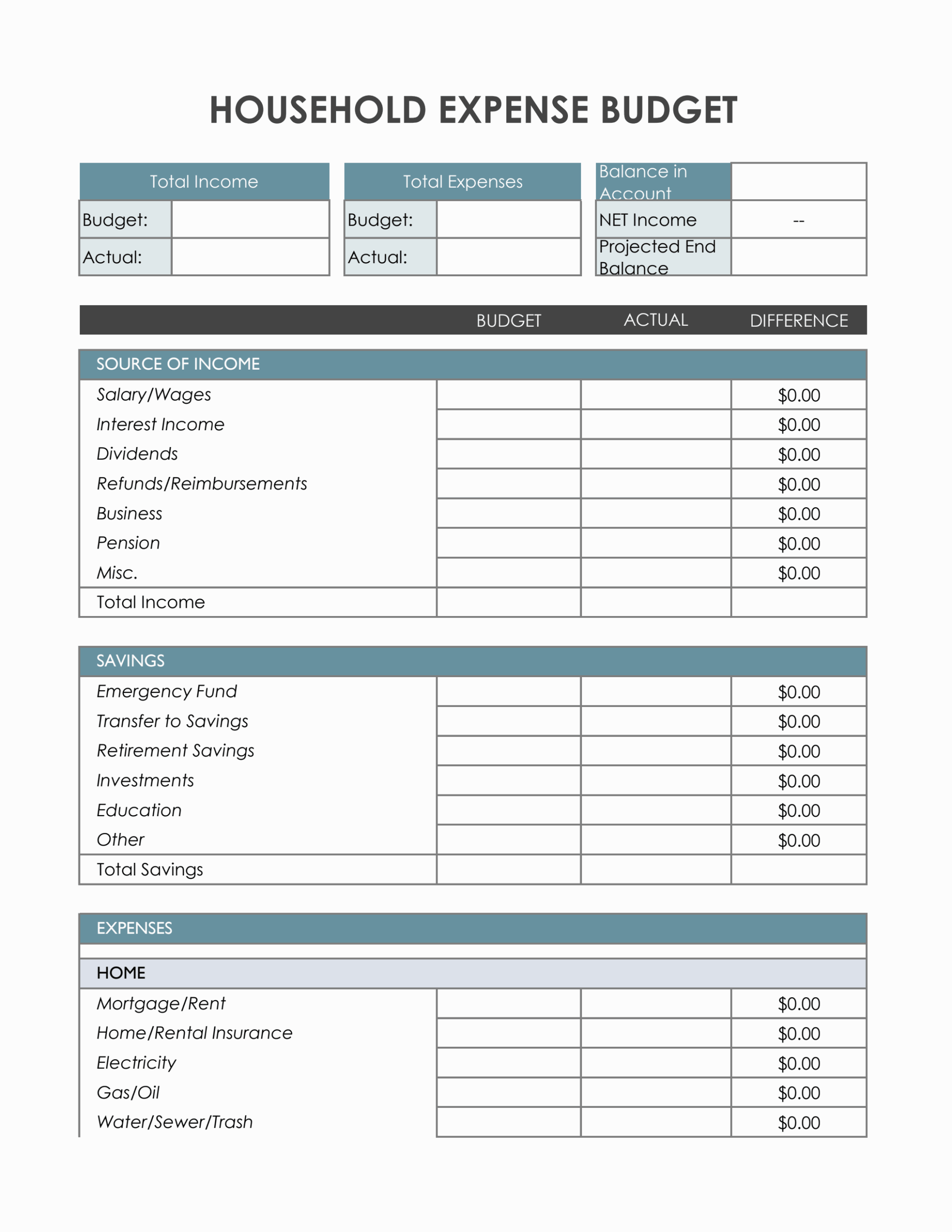
Examples
How to Create an Expense Budget
Creating an expense budget is a straightforward process that can yield powerful results. Follow these steps to create your own budget:
1. Assess Your Financial Situation: Gather information about your income, expenses, debts, and savings.
2. List Your Expenses: Categorize your expenses into fixed, variable, savings, and debt payments.
3. Allocate Funds: Determine how much of your income should go towards each expense category.
4. Track Your Spending: Monitor your expenses regularly to ensure that you are staying within your budget.
5. Make Adjustments: If you overspend in one category, reallocate funds from another category to compensate.
6. Review and Revise: Regularly review your budget and make adjustments as needed to reflect changes in your financial situation.
7. Seek Help if Needed: If you are struggling to create or stick to a budget, consider seeking help from a financial advisor or counselor.
Tips for Staying on Track
Sticking to an expense budget can be challenging, but with discipline and perseverance, it is achievable. Here are some tips to help you stay on track:
- Set Realistic Goals: Be honest with yourself about your financial situation and set achievable goals.
- Avoid Impulse Purchases: Think carefully before making a purchase and consider if it aligns with your budget and goals.
- Use Cash Envelopes: Allocate cash for different expense categories and use envelopes to stay within your budget.
- Automate Savings: Set up automatic transfers to your savings account to ensure you are consistently saving.
- Track Your Spending: Use budgeting apps or spreadsheets to monitor your expenses and identify areas where you can cut costs.
- Celebrate Small Wins: Acknowledge your progress and celebrate when you meet financial milestones.
- Stay Flexible: Life is unpredictable, so be prepared to adjust your budget as needed to accommodate unexpected expenses or changes in income.
In Conclusion
Mastering your expense budget is a crucial step towards achieving financial stability and success. By creating a detailed budget, tracking your spending, and making informed decisions about your money, you can take control of your finances and work towards your financial goals. Remember, creating a budget is not a one-time task but an ongoing process that requires dedication and discipline. With the right mindset and tools, you can set yourself up for financial success and build a secure future for yourself and your loved ones.
Expense Budget Template – Download
