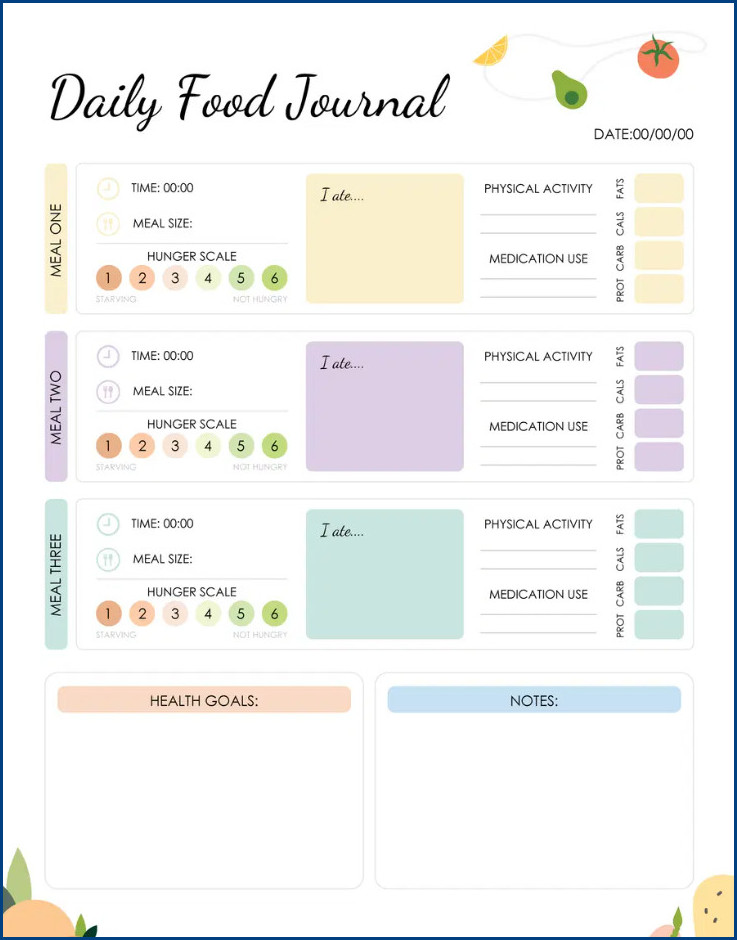
Keeping a food journal is an excellent way to monitor your daily food intake and make more informed choices about your nutrition. Whether you’re looking to lose weight, improve your eating habits, or simply become more mindful of what you’re putting into your body, a food journal can be a powerful tool in achieving your health goals.
In this comprehensive guide, we’ll explore the what, why, and how of food journaling, as well as provide you with some tips for getting started and staying consistent.
What is a Food Journal?
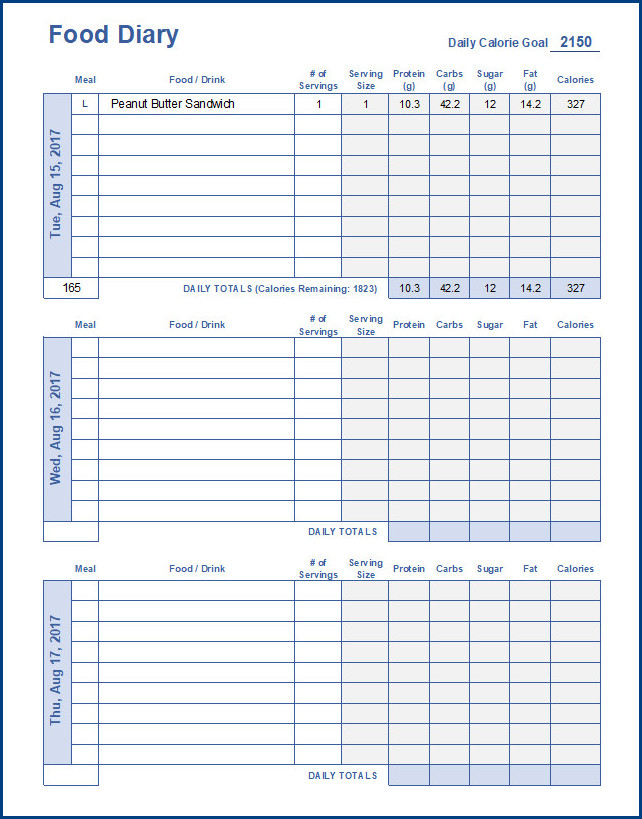
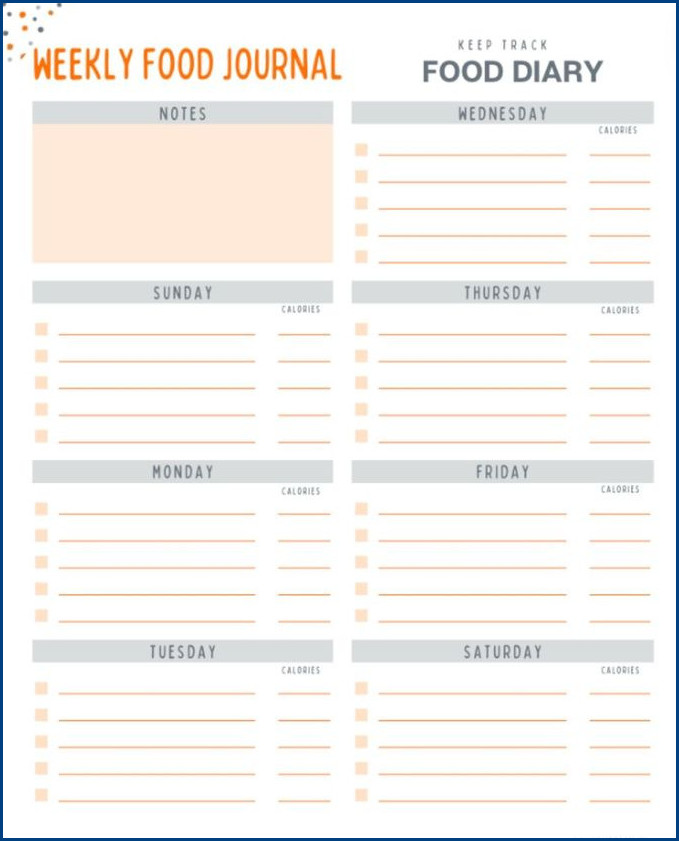
A food journal is a log in which you write down everything you eat and drink throughout the day. It’s a detailed record of your daily food intake, including portion sizes, meal times, and any snacks or beverages consumed.
Keeping a food journal can help you become more aware of your eating habits, identify patterns or triggers that lead to overeating or unhealthy choices, and track your progress towards your health and wellness goals.
Why Keep a Food Journal?
There are several reasons why keeping a food journal can be beneficial for your overall health and well-being. Here are some of the key benefits of food journaling:
- Increased Awareness: By tracking your food intake, you become more conscious of what you’re eating and how it impacts your body.
- Identifying Patterns: A food journal can help you identify patterns in your eating habits, such as emotional eating triggers or certain foods that make you feel bloated or sluggish.
- Accountability: Keeping a food journal holds you accountable for your food choices and can help you stay on track with your health goals.
- Goal Tracking: Whether you’re trying to lose weight, improve your energy levels, or eat more mindfully, a food journal can help you track your progress towards your goals.
What to Include in Your Food Journal
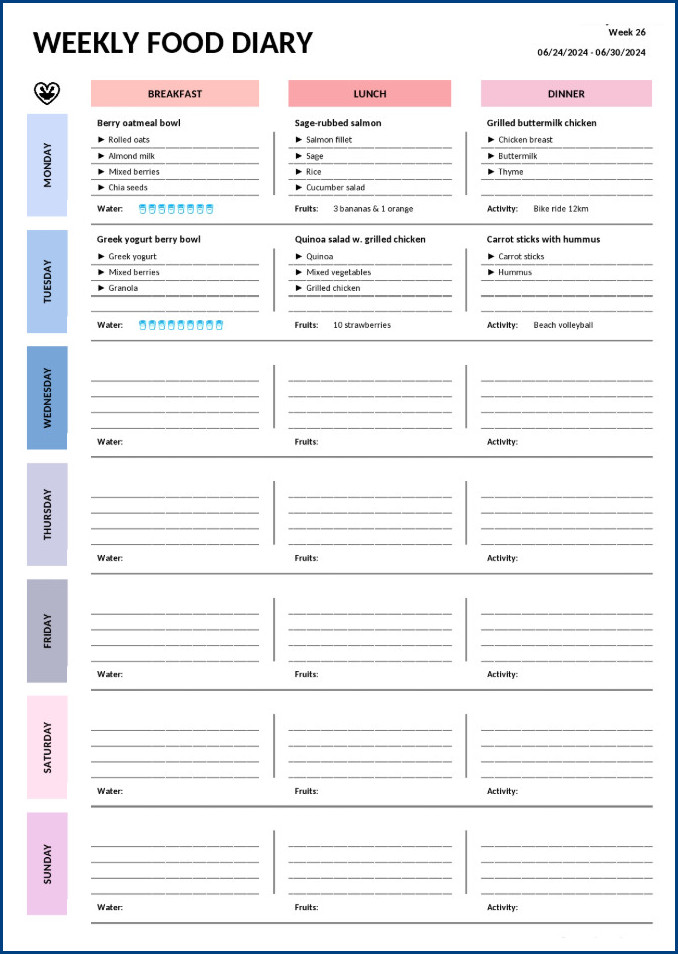
When it comes to keeping a food journal, the more detailed and accurate you are, the better. Here are some key things to include in your food journal:
- Food and Beverage Intake: Write down everything you eat and drink, including portion sizes, ingredients, and any condiments or toppings.
- Meal Times: Record the time of day that you consume each meal or snack.
- Emotions or Physical Symptoms: Note how you’re feeling before and after eating, as well as any physical symptoms you experience.
- Water Intake: Don’t forget to track your water intake throughout the day.
- Exercise: If you’re also tracking your physical activity, include details about your workouts in your food journal.
How to Start a Food Journal
Starting a food journal is easy and doesn’t require any special tools or equipment. Here’s how to get started:
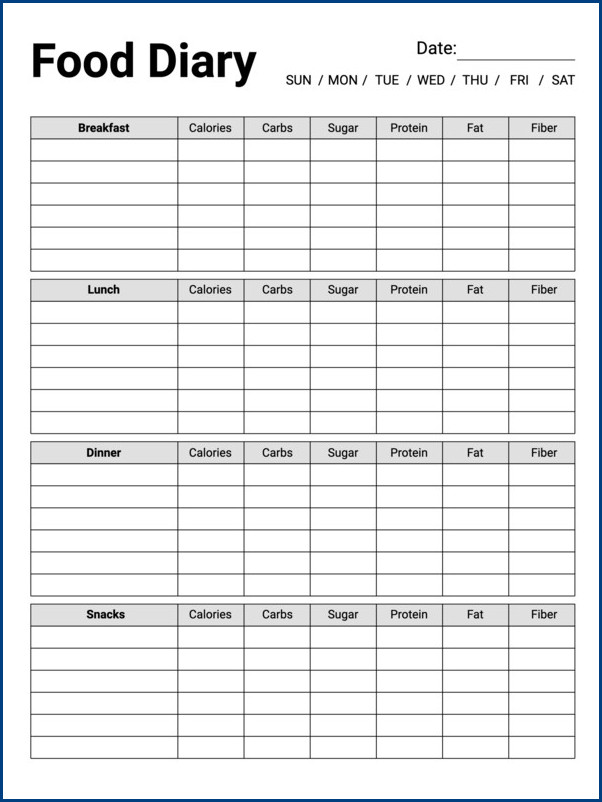
1. Choose a format: You can use a physical notebook, a digital app, or even a simple spreadsheet to keep track of your food intake.
2. Set a goal: Determine why you’re keeping a food journal and what you hope to achieve by tracking your eating habits.
3. Begin tracking: Start writing down everything you eat and drink, along with any relevant details like portion sizes or meal times.
4. Review and reflect: Take time each day to review your food journal, reflect on your eating habits, and identify any patterns or areas for improvement.
Tips for Successful Food Journaling
To make the most of your food journaling experience, consider these tips for success:
- Be honest and accurate: Don’t skip over foods you eat or underestimate portion sizes. The more honest and accurate you are, the more valuable your food journal will be.
- Stay consistent: Make it a habit to track your food intake every day, even on weekends or holidays.
- Include details: Write down as much information as possible, including how you felt before and after eating, any cravings you experienced, and any physical symptoms you noticed.
- Use it as a learning tool: Your food journal is a valuable learning tool that can help you make more informed choices about your nutrition and eating habits.
In Conclusion
Keeping a food journal is a simple yet powerful way to take control of your nutrition, become more mindful of your eating habits, and work towards your health and wellness goals. By tracking your food intake, reflecting on your eating patterns, and making adjustments as needed, you can create a healthier, more balanced relationship with food. So grab a pen and paper, or download a food journaling app, and start tracking your way to a healthier you!
