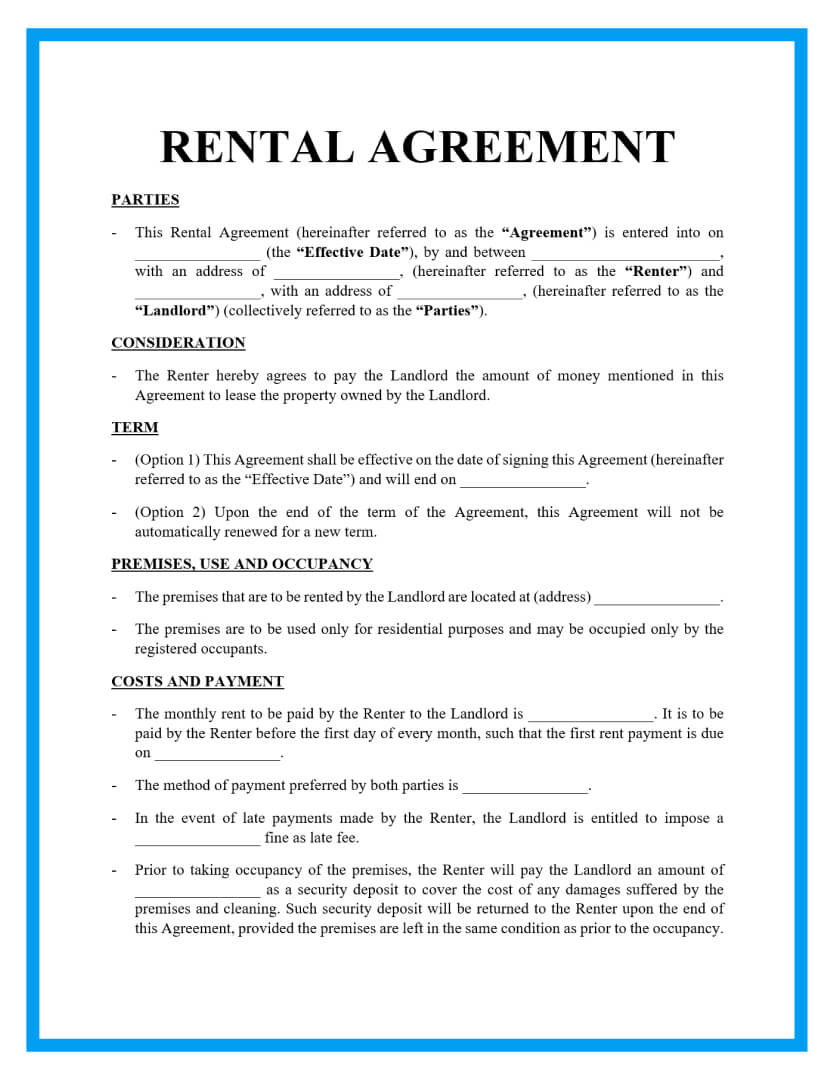
Renting a house is a common practice for many individuals and families around the world. Whether you are a landlord looking to lease out your property or a tenant searching for a place to live, having a comprehensive house rent agreement is essential. This legal document outlines the terms and conditions of the rental agreement, protecting both parties involved.
In this guide, we will delve into the what, why, what to include, how to, and tips for creating a house rent agreement that is fair and beneficial for all parties.
What is a House Rent Agreement?
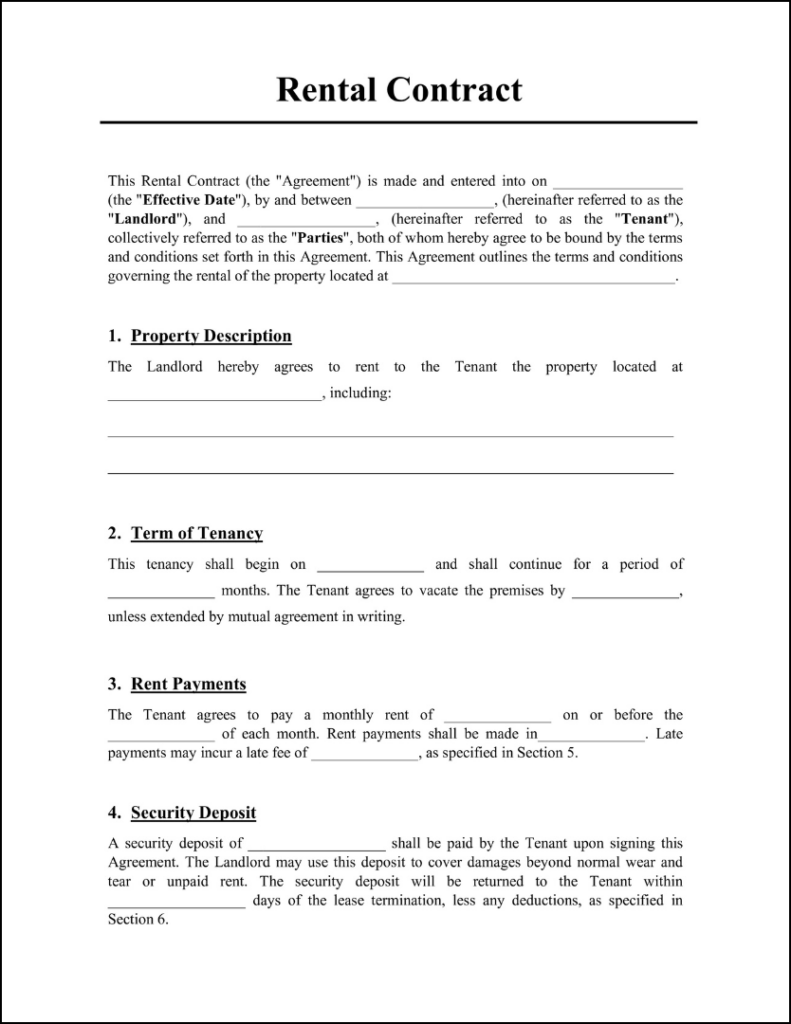
A house rent agreement, also known as a lease agreement or rental agreement, is a legally binding contract between a landlord and a tenant. This document outlines the terms and conditions of the rental agreement, including the duration of the lease, rent amount, security deposit, maintenance responsibilities, and other important details. A well-drafted house rent agreement helps prevent misunderstandings and disputes between the landlord and tenant during the tenancy period.
When it comes to renting a house, having a written agreement in place is crucial for both the landlord and the tenant. This document serves as a legal protection for both parties, outlining the rights and responsibilities of each party involved in the rental agreement. Additionally, a house rent agreement helps to clarify any potential issues that may arise during the tenancy period, such as rent payment schedules, maintenance responsibilities, and eviction procedures.
Why is a House Rent Agreement Important?
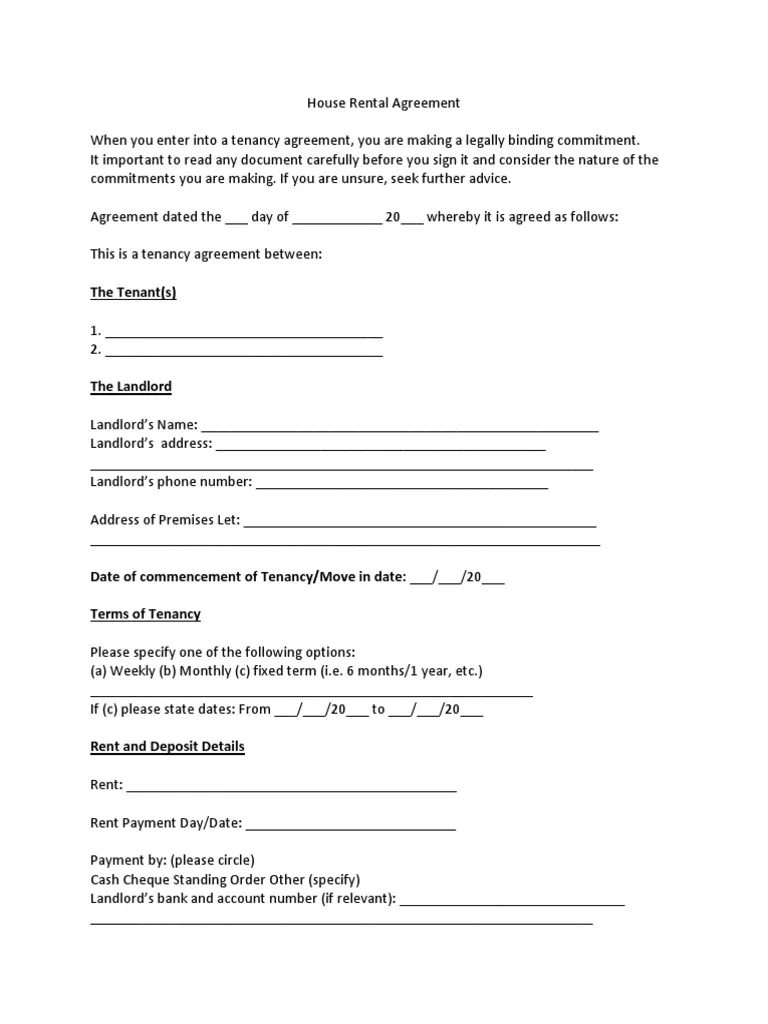
A house rent agreement is important for several reasons. Firstly, it helps to establish clear communication between the landlord and tenant regarding the terms and conditions of the rental agreement. This document outlines the rights and responsibilities of each party, helping to prevent misunderstandings and disputes during the tenancy period. Additionally, a house rent agreement serves as a legal protection for both the landlord and the tenant, ensuring that both parties are held accountable for their obligations under the agreement.
Another important aspect of a house rent agreement is that it helps to establish a sense of security and stability for both the landlord and the tenant. By clearly outlining the terms of the rental agreement, including rent amount, duration of the lease, and maintenance responsibilities, both parties can have peace of mind knowing that their rights are protected under the agreement. In the event of any disputes or issues that may arise during the tenancy period, the house rent agreement can serve as a reference point to resolve conflicts fairly and transparently.
What to Include in a House Rent Agreement
When creating a house rent agreement, there are several key elements that should be included to ensure that the document is comprehensive and legally binding. Some of the essential components to include in a house rent agreement are:
- Names of the Parties: Include the full legal names of both the landlord and the tenant.
- Property Details: Provide a detailed description of the rented property, including the address and any specific features or amenities.
- Duration of the Lease: Clearly state the start and end dates of the lease agreement.
- Rent Amount: Specify the monthly rent amount, due date, and acceptable payment methods.
- Security Deposit: Outline the amount of the security deposit required and the conditions for its return.
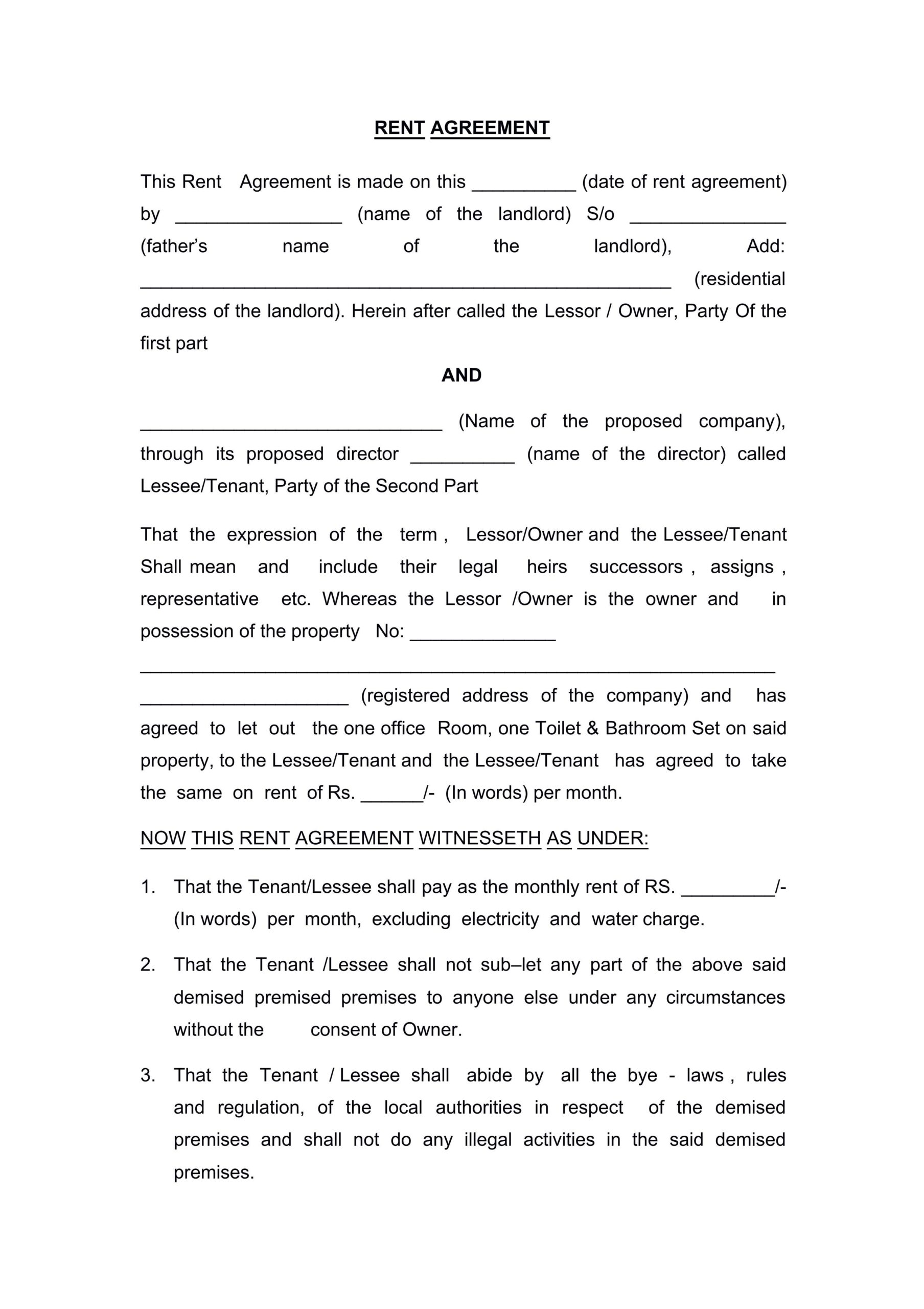
- Maintenance Responsibilities: Define the responsibilities of the landlord and tenant for property maintenance and repairs.
- Utilities and Services: Clarify which utilities and services are included in the rent and which are the responsibility of the tenant.
- Termination Clause: Include provisions for early termination of the lease, eviction procedures, and notice requirements.
By including these key elements in a house rent agreement, both the landlord and tenant can have a clear understanding of their rights and responsibilities under the rental agreement.
How to Create a House Rent Agreement
Creating a house rent agreement can be a straightforward process if you follow these steps:
1. Draft the Agreement: Start by outlining the terms and conditions of the rental agreement, including rent amount, duration of the lease, and maintenance responsibilities.
2. Include Key Elements: Make sure to include essential components such as names of the parties, property details, rent amount, security deposit, maintenance responsibilities, utilities and services, and termination clause.
3. Review and Revise: Have both parties review the agreement carefully to ensure that all terms are clear and agreeable.
4. Sign the Agreement: Once both parties are in agreement, sign the document and keep copies for reference.
5. Register the Agreement: Some jurisdictions may require rental agreements to be registered with the local housing authority for legal validity.
By following these steps and creating a comprehensive house rent agreement, both the landlord and tenant can establish a transparent and fair rental relationship.
Tips for Creating a House Rent Agreement
When creating a house rent agreement, consider the following tips to ensure that the document is fair and beneficial for both parties:
1. Consult Legal Counsel: If you are unsure about any legal terms or provisions in the agreement, seek advice from a legal professional.
2. Be Clear and Specific: Clearly outline all terms and conditions of the rental agreement to avoid misunderstandings or disputes.
3. Include Contingency Plans: Plan for potential issues that may arise during the tenancy period, such as rent payment delays or maintenance requests.
4. Document Property Condition: Conduct a thorough inspection of the property before and after the tenancy period to document any damages or maintenance issues.
5. Communicate Openly: Maintain open communication with the tenant throughout the tenancy period to address any concerns or issues promptly.
6. Keep Records: Keep detailed records of rent payments, maintenance requests, and any communications with the tenant for reference.
7. Follow Legal Guidelines: Ensure that the house rent agreement complies with local rental laws and regulations to avoid legal issues in the future.
By following these tips and creating a comprehensive house rent agreement, both landlords and tenants can establish a positive and mutually beneficial rental relationship.
House Rent Agreement Template – Word
