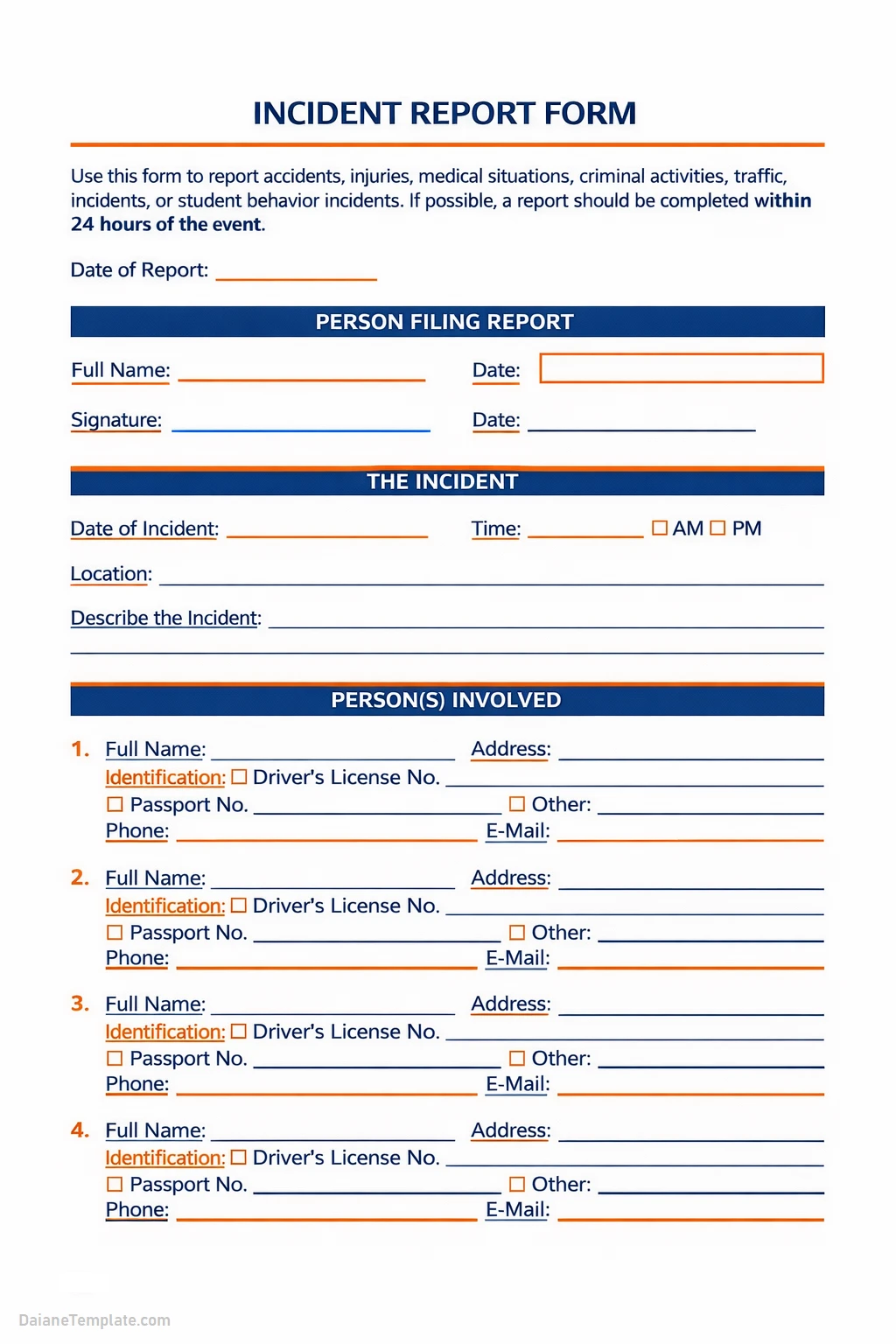
Incident reports are an essential tool in any organization’s risk management strategy. They provide a detailed account of an incident, including what happened, who was involved, and any actions taken to address the situation. By documenting incidents in a structured manner, organizations can identify trends, mitigate risks, and prevent future occurrences.
In this guide, we will explore the importance of incident reports, what to include in them, how to create an effective report, and some tips for maximizing their impact.
What is an Incident Report?
An incident report is a document that records any event that deviates from normal operations or poses a potential risk to the organization. These events can range from workplace accidents and injuries to security breaches and customer complaints.
Incident reports serve as a factual record of what transpired, helping organizations analyze the root causes of incidents and implement corrective actions. They are crucial for maintaining a safe and secure work environment, as well as for regulatory compliance.
Why are Incident Reports Important?
Incident reports play a vital role in risk management by providing valuable insights into potential hazards and vulnerabilities within an organization.
By documenting incidents promptly and accurately, organizations can identify patterns, assess the effectiveness of current policies and procedures, and make informed decisions to prevent future incidents. Incident reports also serve as a legal document that can be used in investigations, insurance claims, and regulatory audits.
What to Include in an Incident Report
When creating an incident report, it is essential to include the following details:
- Date, time, and location of the incident. Provide specific information about when and where the incident occurred.
- Description of the incident. Describe what happened in detail, including who was involved and any witnesses present.
- Facts and evidence. Include any relevant photos, videos, or documentation that support your account of the incident.
- Actions taken. Document any immediate actions taken to address the incident, such as first aid or contacting authorities.
- Recommendations for prevention. Suggest any measures that could be taken to prevent similar incidents in the future.
- Witness statements. Record statements from witnesses to provide additional perspectives on the incident.
How to Create an Effective Incident Report
Creating an effective incident report involves following a structured process to ensure all relevant information is captured accurately. Here are some tips for creating a comprehensive incident report:
- Act quickly. Document the incident as soon as possible while the details are fresh in your mind.
- Be objective. Stick to the facts and avoid making assumptions or assigning blame.
- Use clear and concise language. Write clearly and straightforwardly to ensure the report is easy to understand.
- Include all relevant details. Provide as much information as possible, including names, dates, and specific events leading up to the incident.
- Review and revise. Double-check your report for accuracy and completeness before finalizing it.
Tips for Maximizing the Impact of Incident Reports
To maximize the impact of incident reports within your organization, consider the following tips:
- Use incident reports as a learning tool. Analyze trends and patterns to identify areas for improvement in your operations.
- Encourage a reporting culture. Create a culture where employees feel comfortable reporting incidents without fear of reprisal.
- Implement a system for tracking incidents. Use technology to streamline the incident reporting process and track the status of each report.
- Share insights from incident reports. Use the data collected in incident reports to educate employees and stakeholders about potential risks and best practices.
- Regularly review and update incident reporting procedures. Ensure your incident reporting procedures are up-to-date and align with industry best practices.
Conclusion
Incident reports are a critical tool for organizations to manage risks, improve safety, and prevent future incidents. By following the guidelines outlined in this guide, you can create effective incident reports that provide valuable insights and support informed decision-making.
Remember to document incidents promptly, include all relevant details, and use incident reports as a learning tool to drive continuous improvement within your organization.
Incident Report Template – Word
