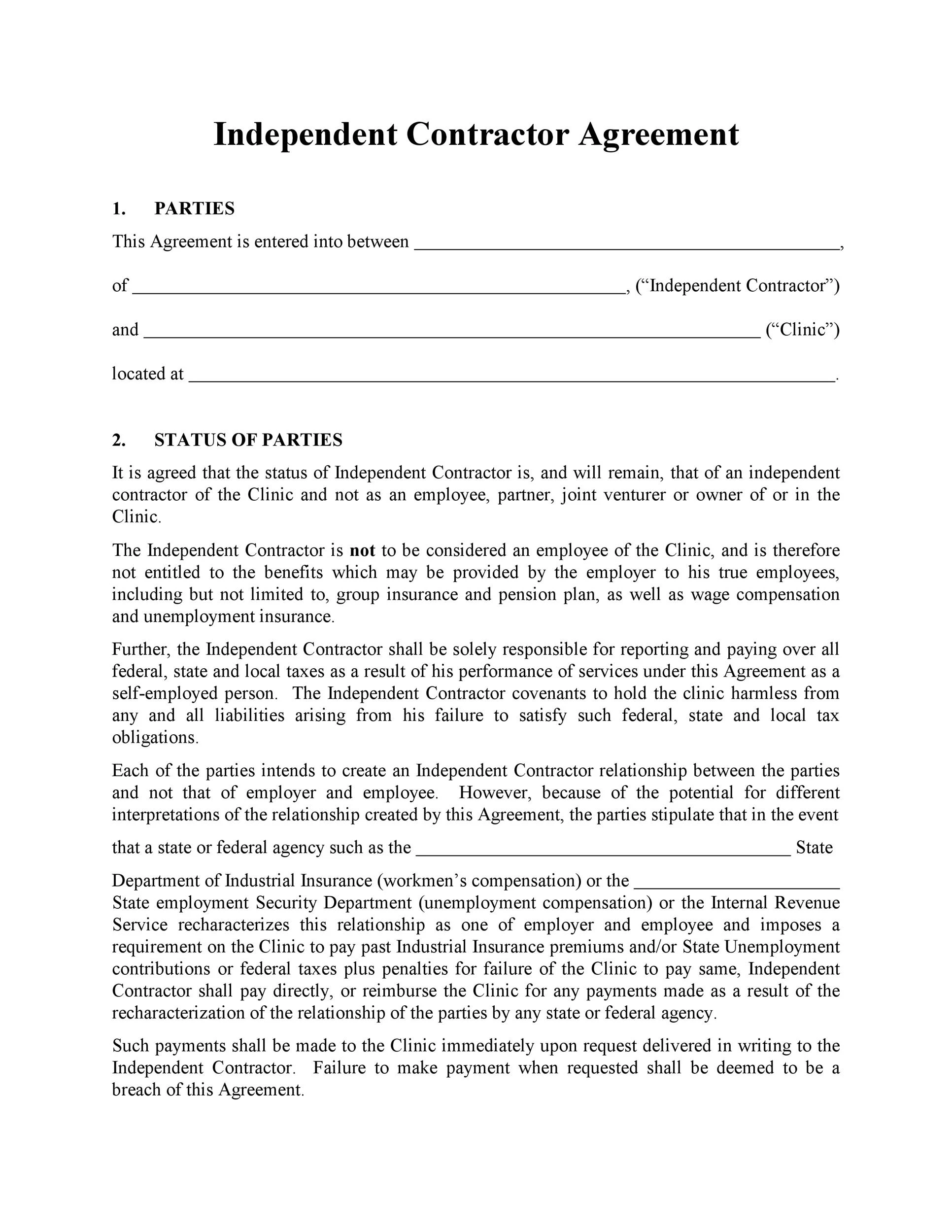
Independent contractor agreements are essential documents that outline the terms and conditions of a working relationship between a company and an independent contractor. These agreements help establish clear expectations, responsibilities, and protections for both parties involved. Whether you’re a business owner looking to hire independent contractors or a freelancer considering entering into a contract, understanding the key components of an independent contractor agreement is crucial.
In this comprehensive guide, we will delve into the specifics of independent contractor agreements and provide valuable insights on what to include, why they are important, and how to create an effective agreement.
What is an Independent Contractor Agreement?
An independent contractor agreement is a legally binding document that defines the working relationship between a company and an independent contractor. Unlike employees, independent contractors work on a project-by-project basis and have more autonomy over their work schedule and methods.
The agreement outlines the terms and conditions of the project, including the scope of work, payment terms, deadlines, intellectual property rights, confidentiality agreements, and termination clauses.
Why are Independent Contractor Agreements Important?
Having a well-drafted independent contractor agreement in place is crucial for both parties involved in the working relationship. Here are some key reasons why these agreements are important:
- Clear Expectations: An agreement helps define the scope of work, deadlines, and deliverables, ensuring that both parties are on the same page.
- Legal Protection: In the event of a dispute or misunderstanding, a well-drafted agreement can serve as a legal document to protect the rights of both the company and the independent contractor.
- Intellectual Property Rights: The agreement should clearly outline who owns the intellectual property created during the project and how it can be used.
- Confidentiality: Confidentiality clauses can protect sensitive information shared during the project from being disclosed to third parties.
- Payment Terms: The agreement should specify the payment terms, including the rate of pay, invoicing procedures, and payment schedule.
What to Include in an Independent Contractor Agreement
When drafting an independent contractor agreement, it’s important to include the following key components to ensure clarity and protection for both parties:
- Identification of the Parties: Clearly state the names and contact information of the company and the independent contractor.
- Scope of Work: Define the independent contractor’s specific tasks and responsibilities for the project.
- Payment Terms: Outline the pay rate, payment schedule, and any additional expenses or reimbursements.
- Confidentiality Clause: Include provisions to protect confidential information shared during the project.
- Intellectual Property Rights: Specify who owns the intellectual property created during the project and how it can be used.
- Termination Clause: Define the circumstances under which either party can terminate the agreement and the notice period required.
How to Create an Effective Independent Contractor Agreement
Creating an effective independent contractor agreement requires careful consideration of the specific requirements of the project and the needs of both parties. Here are some tips to help you create a comprehensive and legally sound agreement:
- Be Specific: Clearly define the scope of work, deliverables, timelines, and payment terms to avoid misunderstandings.
- Consult Legal Counsel: If you’re unsure about the legal aspects of the agreement, it’s advisable to seek guidance from a legal professional.
- Include Necessary Provisions: Make sure to include clauses related to confidentiality, intellectual property rights, payment terms, and termination in the agreement.
- Review and Revise: Regularly review and update the agreement to reflect any changes in the project scope or terms.
Tips for Successfully Navigating Independent Contractor Agreements
Navigating independent contractor agreements can be complex, but with the right approach, you can ensure a successful working relationship. Here are some tips to help you navigate independent contractor agreements effectively:
- Communicate Clearly: Establish open communication with the independent contractor to clarify expectations and address any concerns proactively.
- Clarify Deliverables: Clearly define the deliverables, deadlines, and quality standards expected from the independent contractor.
- Document Everything: Keep detailed records of all communications, agreements, and project milestones to avoid disputes in the future.
- Seek Feedback: Encourage feedback from the independent contractor to improve the working relationship and ensure mutual satisfaction.
By following these tips and guidelines, you can create a strong foundation for a successful working relationship with independent contractors and ensure that both parties are protected throughout the duration of the project.
Independent Contractor Agreement Template – WORD
