Lease agreement termination is a process that occurs when either the landlord or the tenant decides to end the rental agreement before its original expiration date. This decision can be made for various reasons, such as non-payment of rent, violation of lease terms, or simply a mutual agreement to part ways. Understanding the ins and outs of lease agreement termination is crucial for both landlords and tenants to navigate this process smoothly.
What is Lease Agreement Termination?
Lease agreement termination refers to the legal process of ending a rental agreement between a landlord and a tenant. This can happen for a variety of reasons, such as the expiration of the lease term, violation of lease terms by either party, or mutual agreement to end the lease early. It is important to follow the proper procedures outlined in the lease agreement and local laws when terminating a lease to avoid any legal issues.
Why Terminate a Lease Agreement?
There are several reasons why either a landlord or a tenant may choose to terminate a lease agreement. For landlords, reasons may include non-payment of rent, property damage, or violation of lease terms by the tenant. On the other hand, tenants may decide to terminate a lease due to issues with the property, job relocation, or financial constraints. Regardless of the reason, it is essential to follow the proper procedures to ensure a smooth transition and avoid any disputes.
What to Include in Lease Agreement Termination?
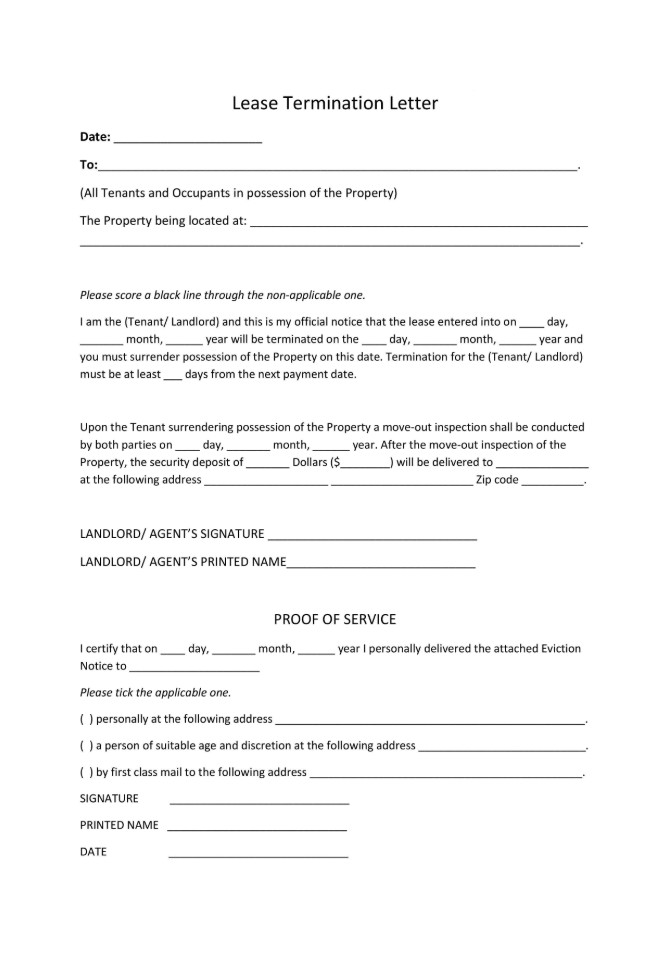
When terminating a lease agreement, there are several key components that should be included to ensure clarity and avoid any misunderstandings between the landlord and tenant. These may include the effective date of termination, the reason for termination, any financial obligations, the return of security deposits, and any additional terms or agreements agreed upon by both parties. It is crucial to document the termination in writing and keep a copy for record-keeping purposes.
How to Terminate a Lease Agreement
The process of terminating a lease agreement can vary depending on the specific circumstances and the terms outlined in the lease agreement. In general, both landlords and tenants should review the lease agreement to understand the termination procedures. Typically, a written notice of termination is required, stating the reason for termination and the effective date. It is essential to follow any specific guidelines outlined in the lease agreement and local laws to ensure a legally binding termination.
- Review the Lease Agreement: Carefully read through the lease agreement to understand the termination procedures and any specific requirements.
- Provide Written Notice: Write a formal letter or email to the other party, stating the reason for termination and the effective date.
- Follow Legal Procedures: Ensure that you comply with any legal requirements outlined in the lease agreement and local laws.
- Settle Financial Obligations: Clarify any financial obligations, such as rent payment, security deposits, and any penalties for early termination.
- Document Everything: Keep a record of all communication, including the termination notice, responses, and any agreements reached between both parties.
Tips for Successful Lease Agreement Termination
Terminating a lease agreement can be a complex process, but following these tips can help ensure a successful outcome for both parties involved:
- Communicate Clearly: Maintain open and transparent communication with the other party throughout the termination process.
- Follow Legal Procedures: Adhere to all legal requirements outlined in the lease agreement and local laws to avoid any disputes.
- Seek Legal Advice: If you are unsure about the termination process, consider consulting a legal professional for guidance.
- Document Everything: Keep detailed records of all communications, agreements, and transactions related to the termination.
- Be Professional: Approach the termination process with professionalism and respect to maintain a positive relationship with the other party.
- Plan Ahead: Give ample notice before terminating the lease to allow both parties enough time to make necessary arrangements.
In conclusion, lease agreement termination is a significant decision that requires careful consideration and adherence to legal procedures. By understanding the process, communicating effectively, and following the tips outlined above, both landlords and tenants can navigate the termination process successfully and minimize any potential conflicts.
Lease Agreement Termination Template
