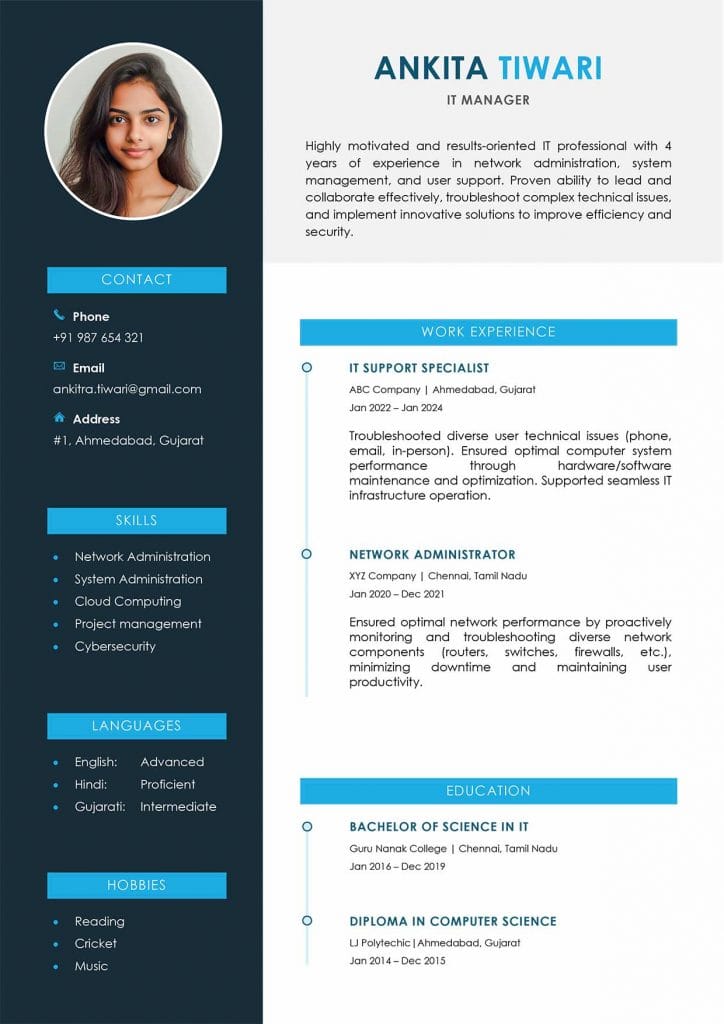
In today’s competitive job market, having a modern resume is essential for standing out to potential employers. A modern resume goes beyond the traditional one-page document, incorporating elements that showcase your skills, experience, and personality. In this guide, we will explore what makes a modern resume, why it is important, what to include, how to format it, and tips for creating a successful modern resume.
What is a Modern Resume?
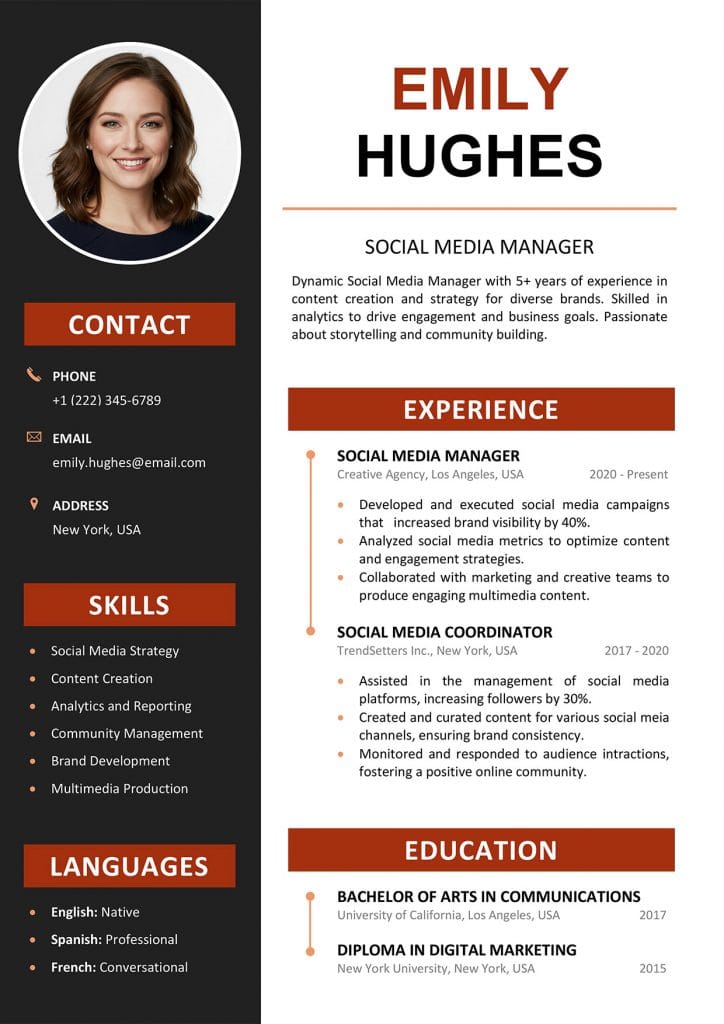
A modern resume is a dynamic document that highlights your qualifications in a visually appealing and easy-to-read format. Unlike traditional resumes, modern resumes often include elements such as a professional summary, skills section, and links to online portfolios or social media profiles. The goal of a modern resume is to provide a comprehensive overview of your experience and abilities, while also showcasing your personality and creativity.
Why Use a Modern Resume?
In today’s digital age, recruiters and hiring managers are inundated with resumes for every job opening. A modern resume can help you stand out from the crowd and make a lasting impression. By incorporating modern design elements, relevant keywords, and a personalized touch, you can increase your chances of getting noticed by potential employers. Additionally, a modern resume allows you to demonstrate your tech-savvy skills and ability to adapt to changing trends in the job market.
What to Include in a Modern Resume
When creating a modern resume, it is important to include the following key sections:
– Contact Information: Include your name, phone number, email address, and LinkedIn profile.
– Professional Summary: A brief overview of your experience and skills.
– Skills Section: Highlight your key skills and areas of expertise.
– Work Experience: List your relevant work experience in reverse chronological order.
– Education: Include your educational background, certifications, and relevant coursework.
– Projects or Portfolio: Showcase any relevant projects or portfolios that demonstrate your skills.
– Additional Sections: Include any relevant volunteer work, languages, or professional affiliations.
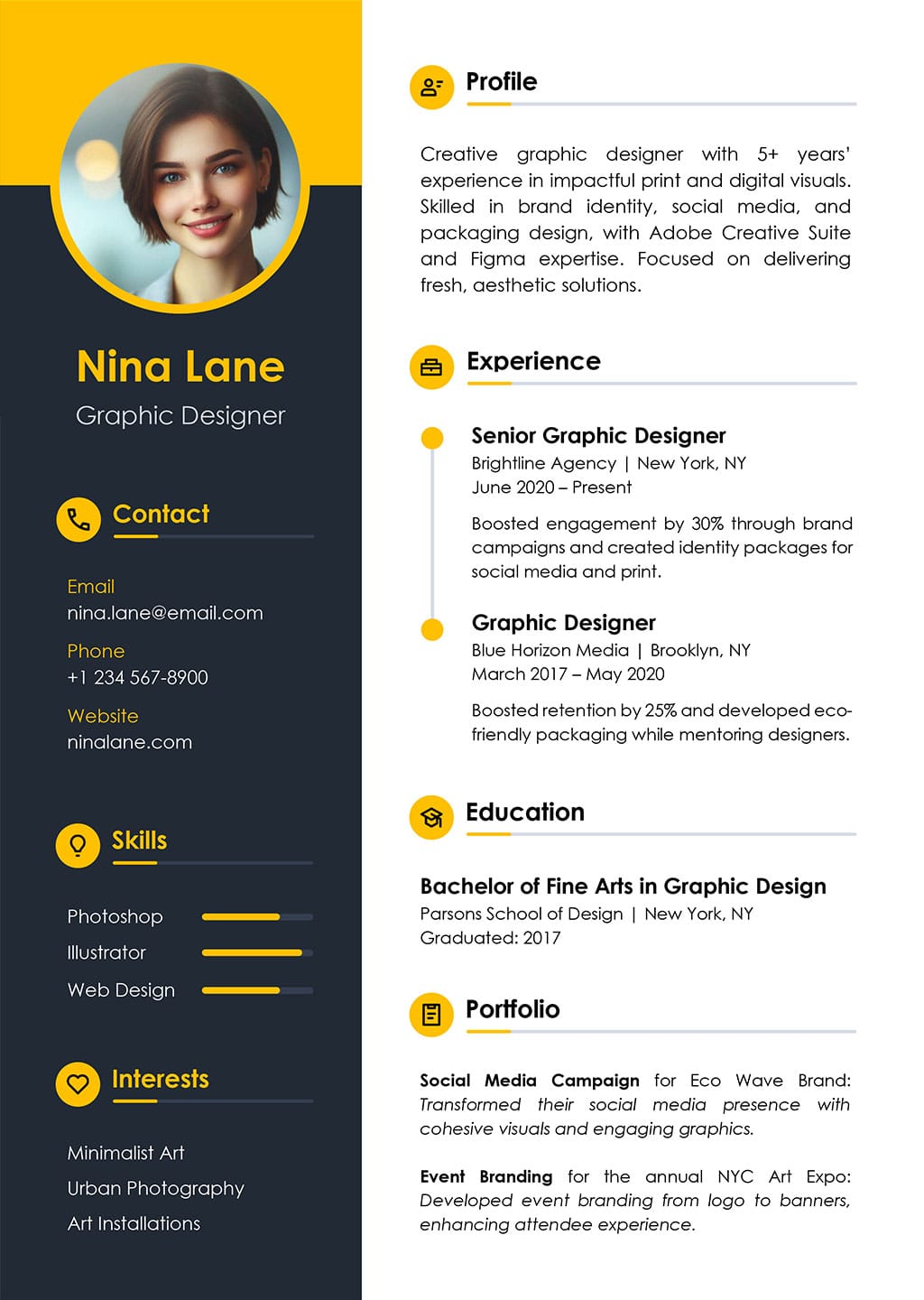
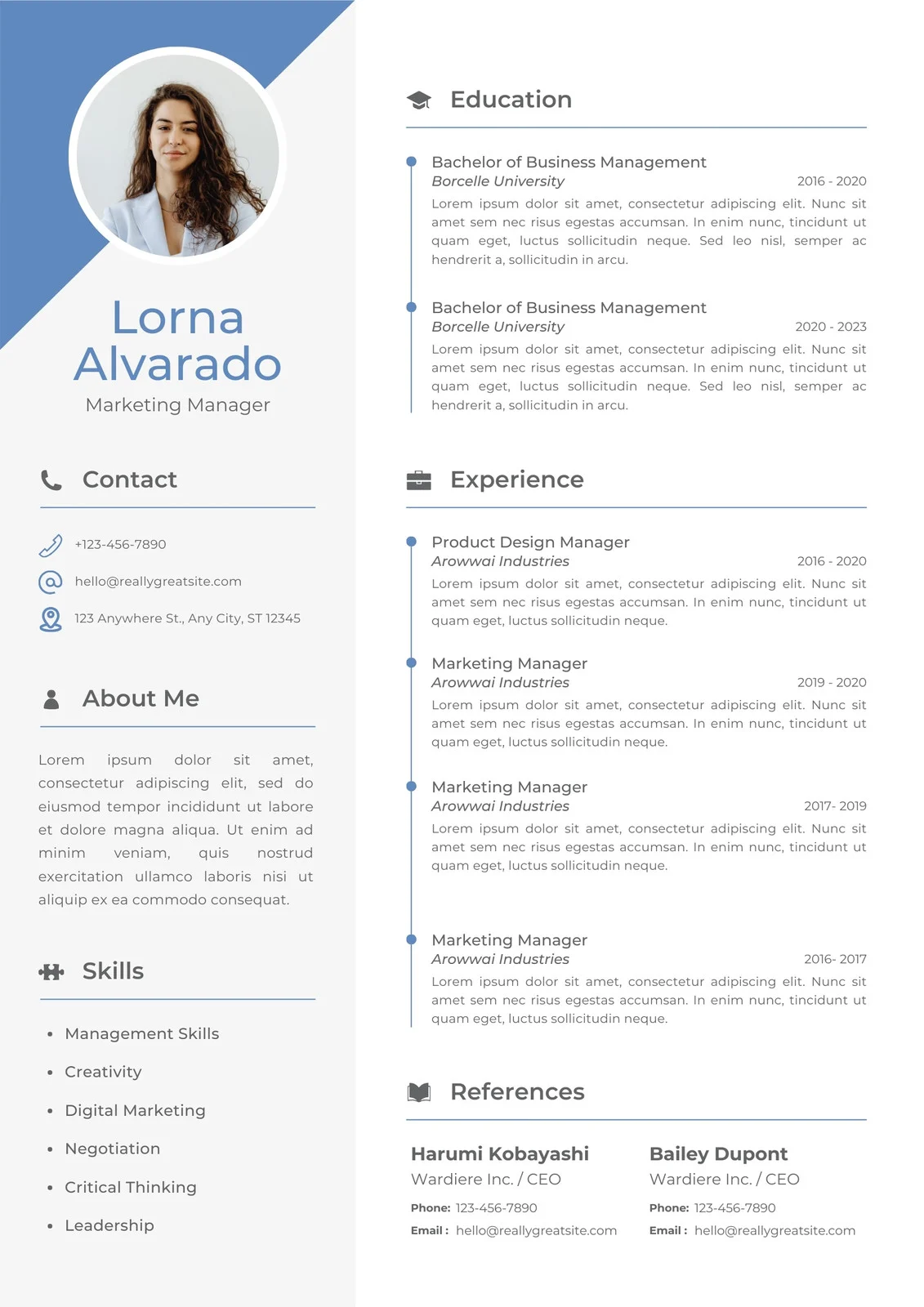
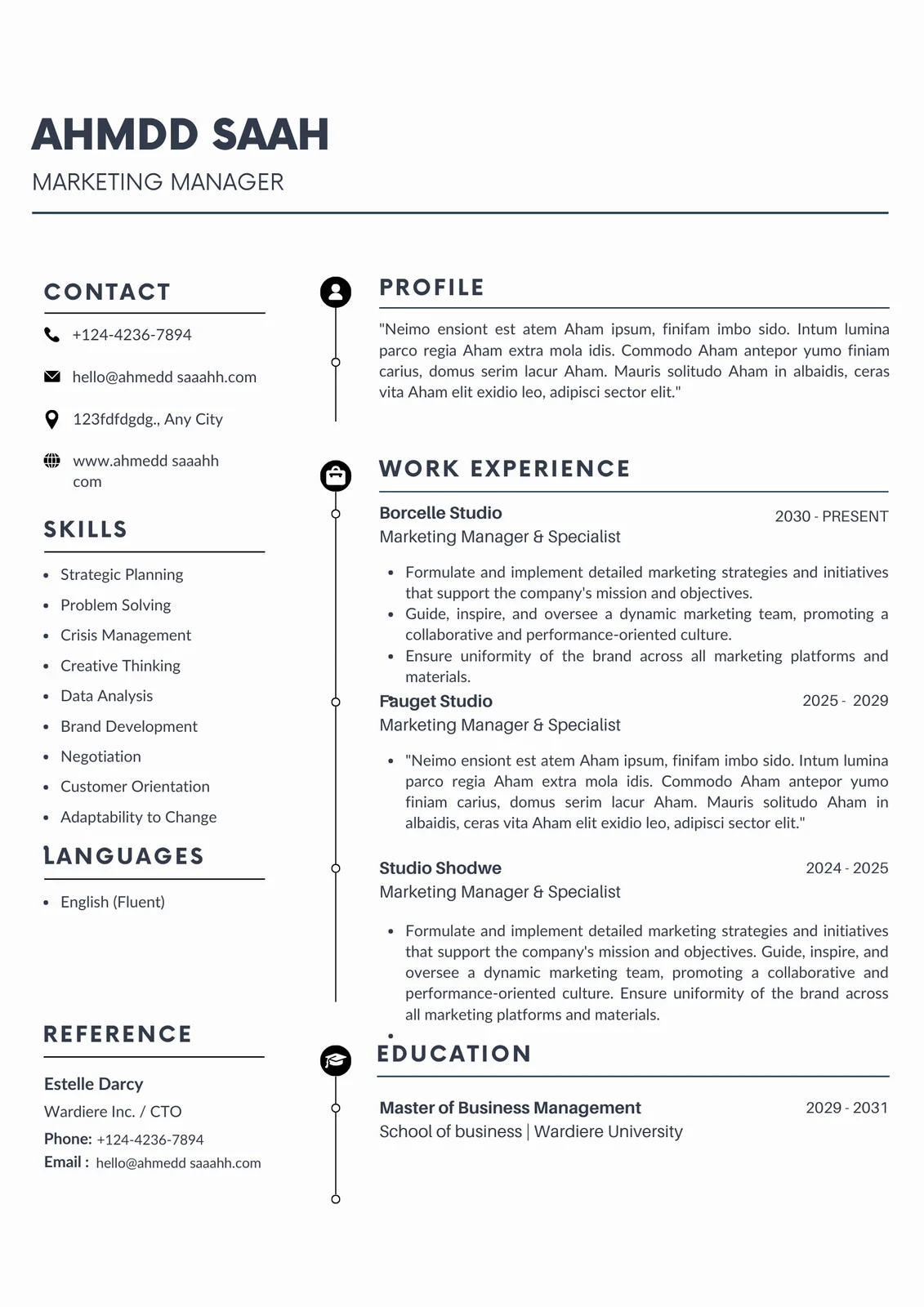
How to Format a Modern Resume
Formatting is key when it comes to creating a modern resume. Here are some tips to help you format your resume effectively:
– Choose a clean and modern font, such as Arial or Calibri.
– Use bold and italics to highlight key information and section headings.
– Keep your resume to one to two pages in length.
– Use bullet points to list your achievements and responsibilities in each job.
– Incorporate color sparingly to draw attention to important details.
– Save your resume as a PDF to ensure formatting remains consistent across different devices.
Tips for Successful Modern Resumes
Creating a successful modern resume requires attention to detail and a strategic approach. Here are some tips to help you craft a standout resume:
– Tailor your resume to the specific job you are applying for.
– Use action verbs to describe your accomplishments and responsibilities.
– Quantify your achievements with numbers or percentages whenever possible.
– Proofread your resume carefully for spelling and grammar errors.
– Get feedback from friends, family, or a professional resume writer.
– Update your resume regularly to reflect your most recent accomplishments and experiences.
In conclusion, a modern resume is a powerful tool for showcasing your skills and experience to potential employers. By following the tips outlined in this guide and incorporating modern design elements, you can create a resume that leaves a lasting impression and helps you land your dream job.
