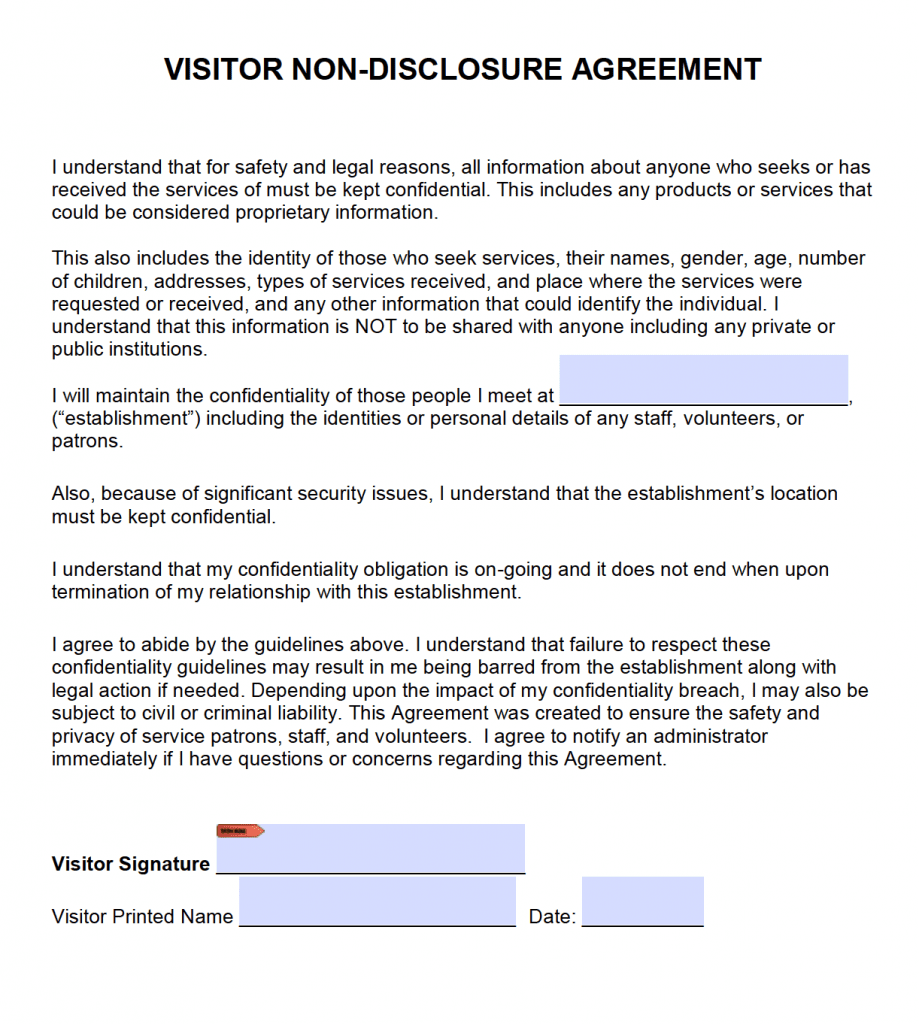
NDA, or Non-Disclosure Agreements, are legal contracts that protect confidential information shared between parties. In today’s business world, where information is key, NDA agreements play a crucial role in safeguarding trade secrets, intellectual property, and other sensitive data. Whether you are a business owner, an employee, or an individual working on a project, understanding the importance of NDA disclosure agreements is essential to protecting your interests.
What is an NDA Disclosure Agreement?
An NDA, also known as a confidentiality agreement, is a legal document that establishes a confidential relationship between the parties involved. It outlines the information that needs to be kept confidential and the consequences of disclosing that information to third parties without authorization.
NDA agreements are commonly used in business transactions, employment relationships, and partnerships to protect sensitive information from being shared or used without permission.
Why are NDA Disclosure Agreements Important?
NDA disclosure agreements are important for several reasons:
– Protection of confidential information: By signing an NDA, the parties involved agree to keep sensitive information confidential, preventing unauthorized disclosure.
– Legal recourse: In case of a breach of the NDA, the injured party can seek legal action against the violator to enforce the terms of the agreement.
– Trust and credibility: NDA agreements help build trust between parties by ensuring that confidential information is protected, fostering stronger relationships.
– Competitive advantage: By safeguarding trade secrets and proprietary information, businesses can maintain a competitive edge in the market.
What to Include in an NDA Disclosure Agreement
When drafting an NDA disclosure agreement, it is important to include the following key elements:
– Definition of confidential information
– Obligations of the parties involved
– Duration of the agreement
– Exceptions to confidentiality
– Consequences of breach
– Governing law and jurisdiction
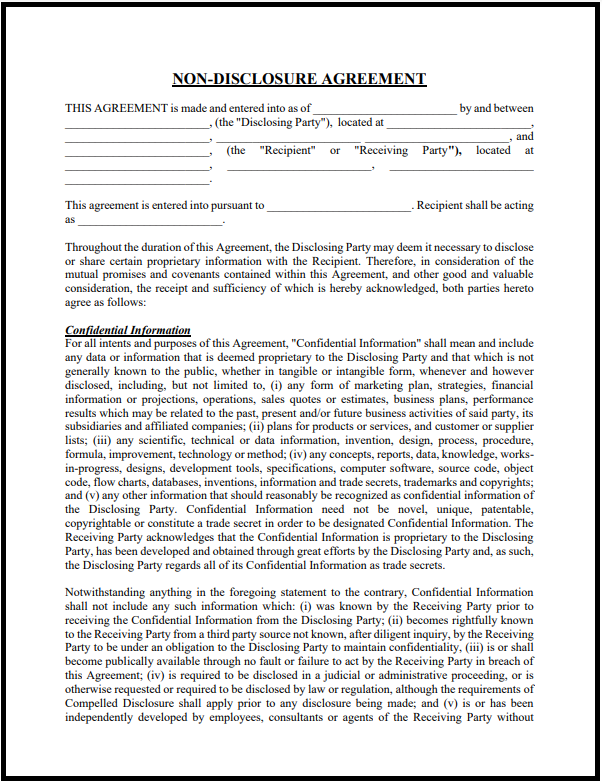
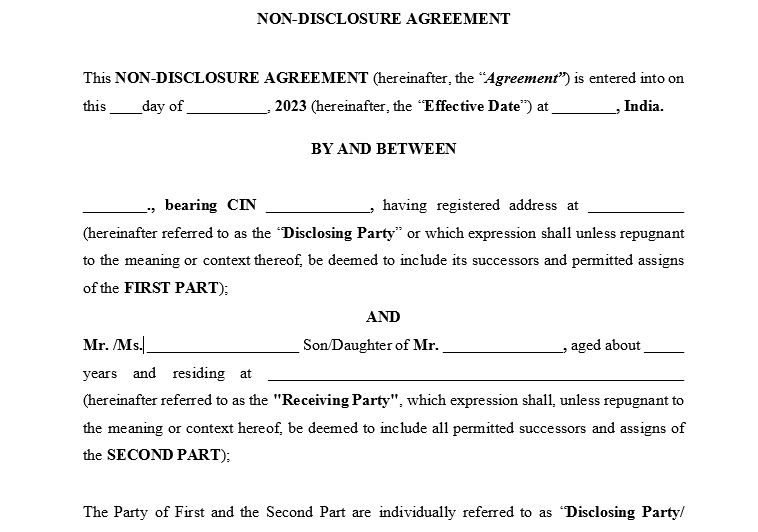
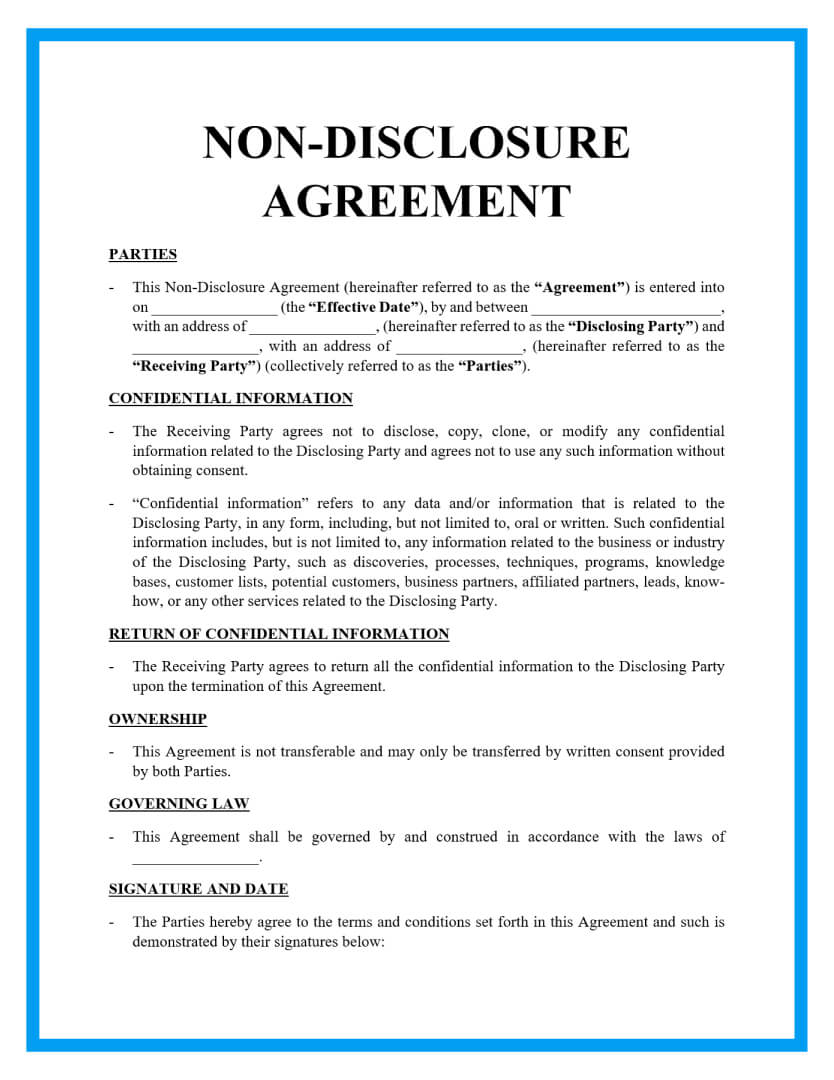
How to Draft an Effective NDA Disclosure Agreement
To create a strong and enforceable NDA disclosure agreement, follow these tips:
- Be specific: Clearly define what constitutes confidential information to avoid ambiguity.
- Include remedies: Outline the consequences of breaching the NDA to deter violations.
- Consult legal experts: Seek legal advice when drafting or reviewing an NDA to ensure its validity.
- Update regularly: Keep the NDA up to date with any changes in the business or relationship between parties.
- Train employees: Educate employees on the importance of NDA agreements and the implications of breaching them.
Tips for Successful NDA Disclosure Agreements
– Clearly communicate the purpose and scope of the NDA to all parties involved.
– Ensure that all parties fully understand and agree to the terms of the agreement before signing.
– Keep copies of the signed NDA in a secure location for future reference.
– Regularly monitor compliance with the NDA to prevent any potential breaches.
– Seek legal advice if you are unsure about any aspect of the NDA or need assistance in enforcing it.
By understanding the importance of NDA disclosure agreements and following best practices in drafting and enforcing them, individuals and businesses can protect their valuable information and maintain a competitive advantage in today’s fast-paced market environment.
NDA Disclosure Agreement Template
