Lab reports play a crucial role in the scientific community. They provide a detailed account of experiments conducted in a laboratory setting, documenting the procedures, results, and analysis of the data collected. Whether you are a student working on a science project or a researcher publishing a study, understanding how to write an effective lab report is essential. In this article, we will delve into the what, why, and how of lab reports, as well as provide tips for successful report writing.
What is a Lab Report?
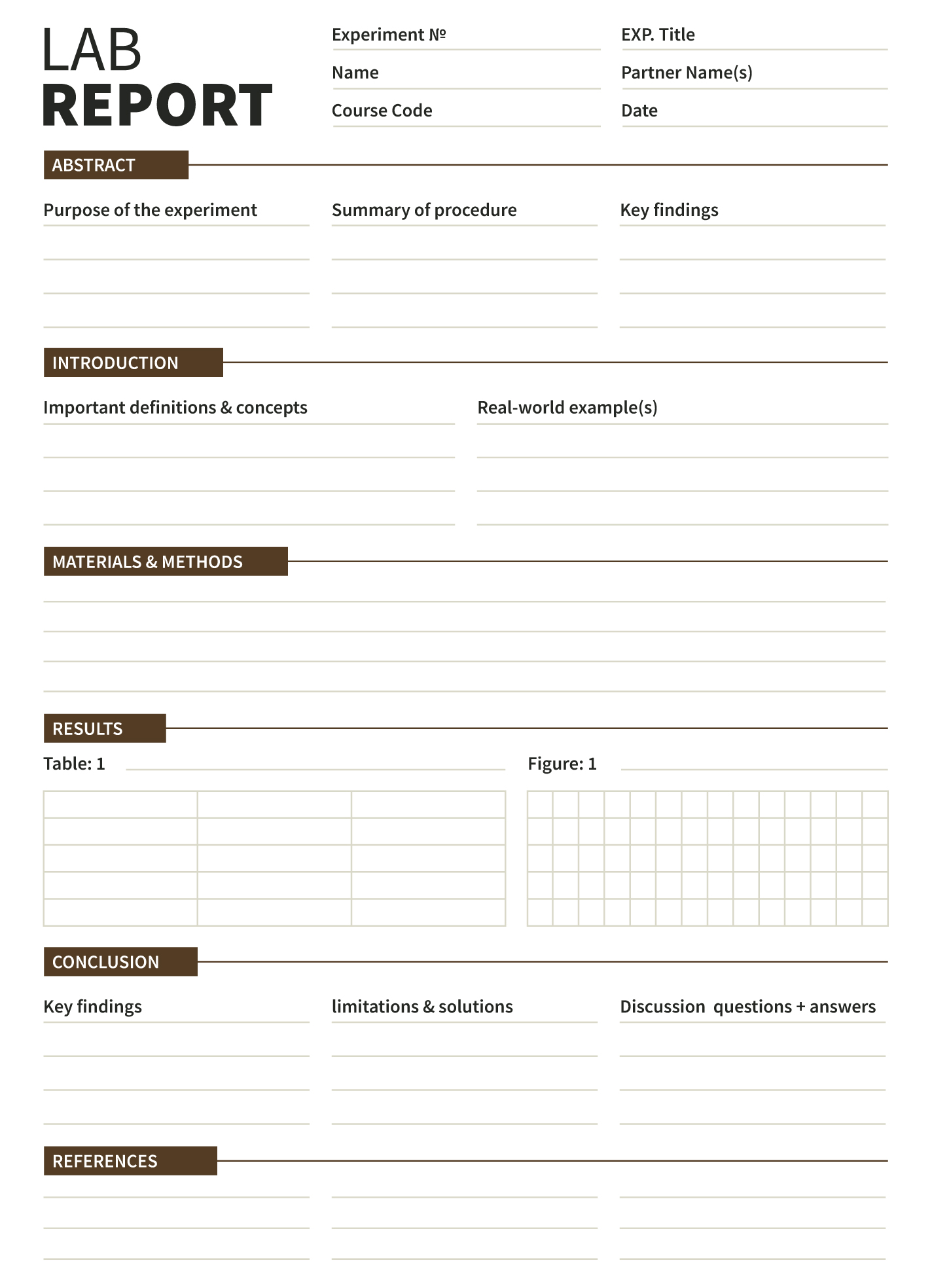
A lab report is a document that outlines the methodology and findings of an experiment. It typically includes sections such as an introduction, materials and methods, results, discussion, and conclusion. The purpose of a lab report is to communicate the process and outcomes of a scientific investigation in a clear and structured manner. Lab reports are commonly used in academic settings to demonstrate understanding of scientific concepts and principles.
Why Write a Lab Report?
Lab reports serve several important functions. Firstly, they allow researchers to document their work and share their findings with the scientific community. By detailing the procedures and results of an experiment, researchers can contribute to the body of scientific knowledge and build upon existing research. Additionally, lab reports help readers understand the rationale behind an experiment, the methods used, and the significance of the results obtained. Writing a lab report also helps students develop critical thinking and communication skills, as they must analyze data, draw conclusions, and present their findings in a coherent manner.
What to Include in a Lab Report
When writing a lab report, it is important to include the following key elements:
- Title: Clearly indicate the purpose of the experiment.
- Introduction: Provide background information and explain the objectives of the experiment.
- Materials and Methods: Describe the procedures followed and the equipment used in the experiment.
- Results: Present the data collected during the experiment in a clear and organized manner.
- Discussion: Interpret the results and discuss their implications in relation to the research question.
- Conclusion: Summarize the key findings of the experiment and their significance.
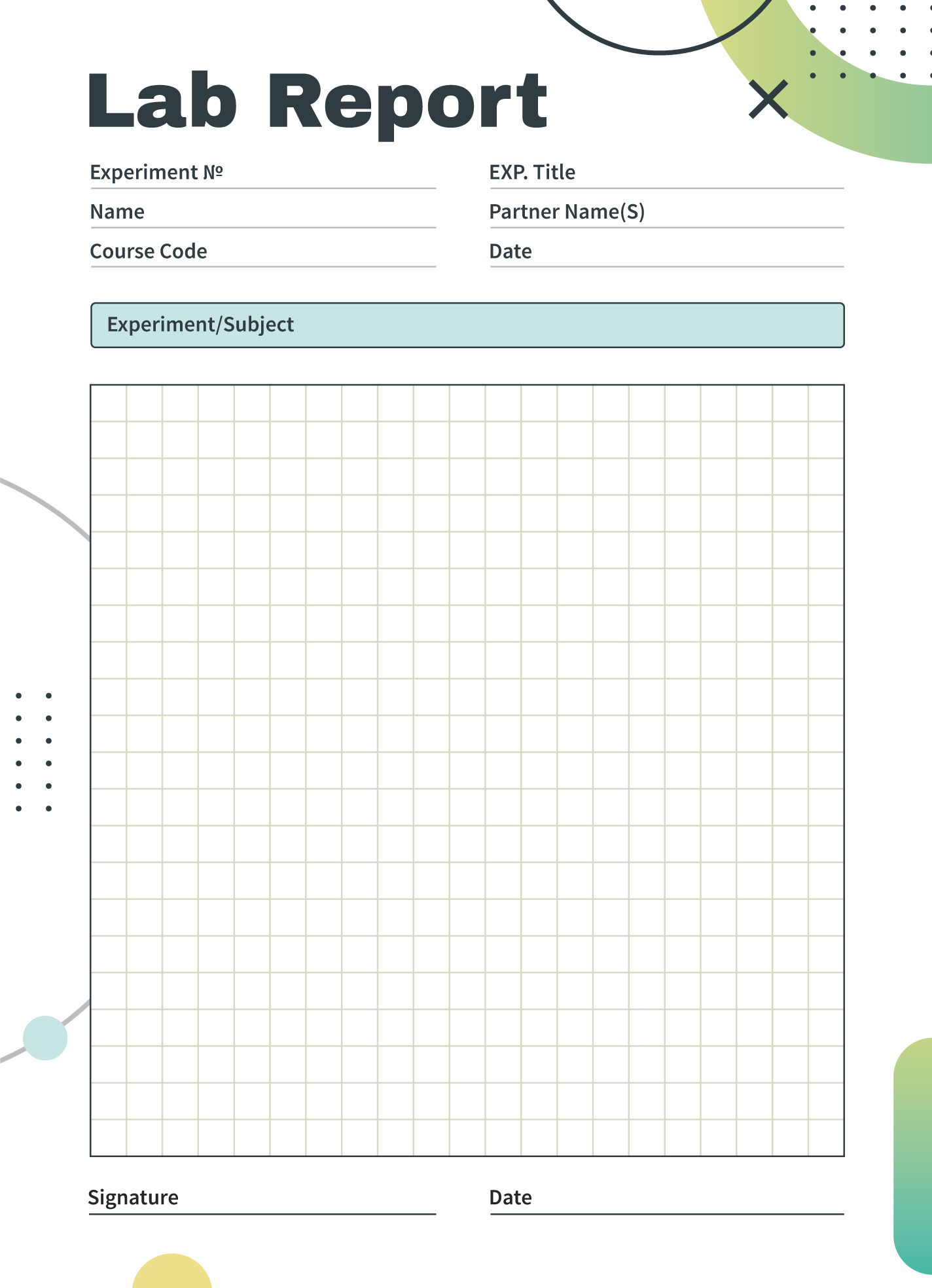
How to Write a Lab Report
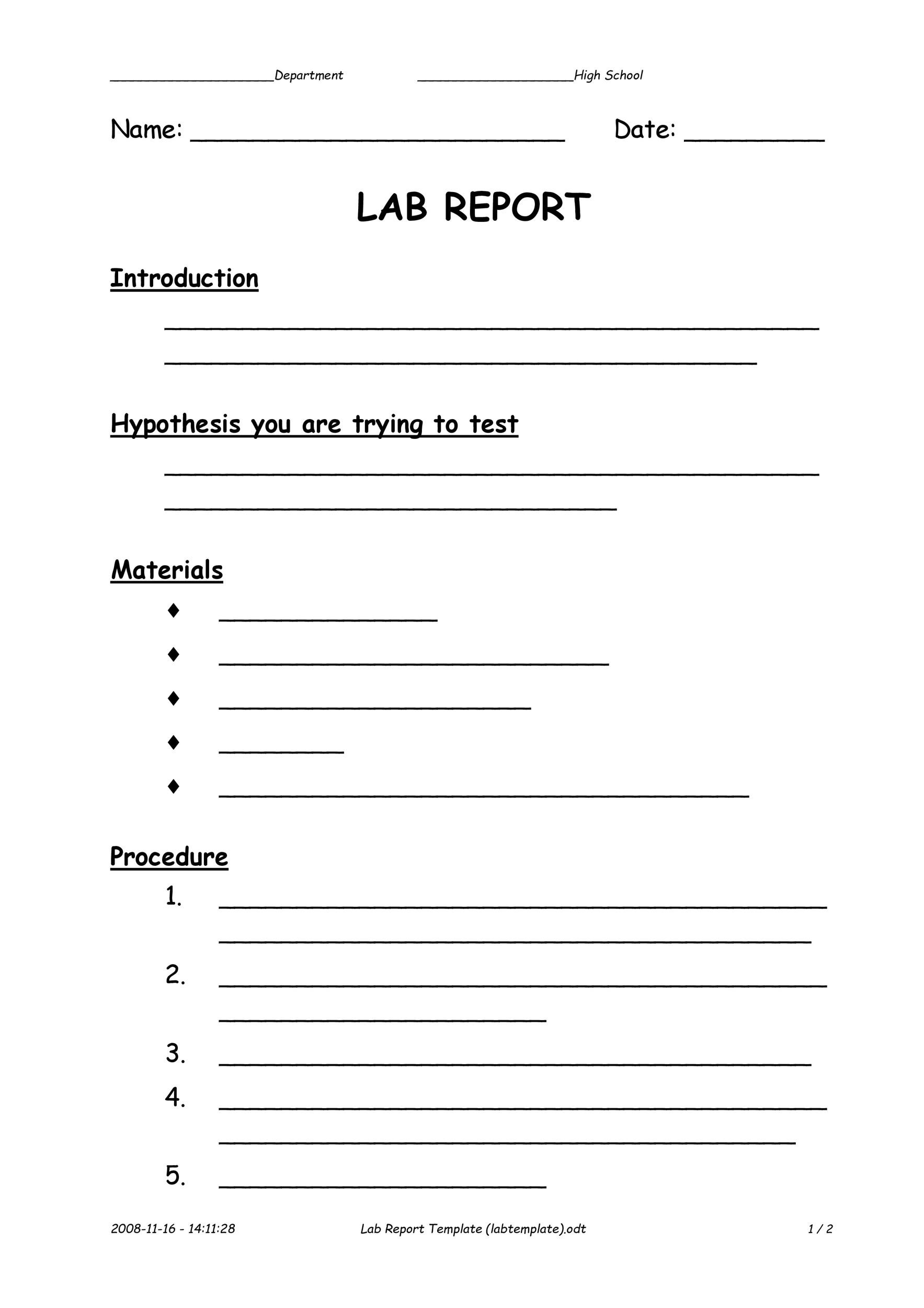
Writing a lab report may seem daunting at first, but following a structured approach can help make the process more manageable. Here are some tips to help you write a successful lab report:
1. Organize Your Thoughts
Before you start writing, make sure you have a clear understanding of the experiment and its objectives. Organize your thoughts and outline the key points you want to cover in each section of the report.
2. Be Concise and Clear
Avoid using unnecessary jargon or technical language in your lab report. Be concise and use simple, straightforward language to convey your ideas. Make sure your writing is clear and easy to understand.
3. Include Relevant Data
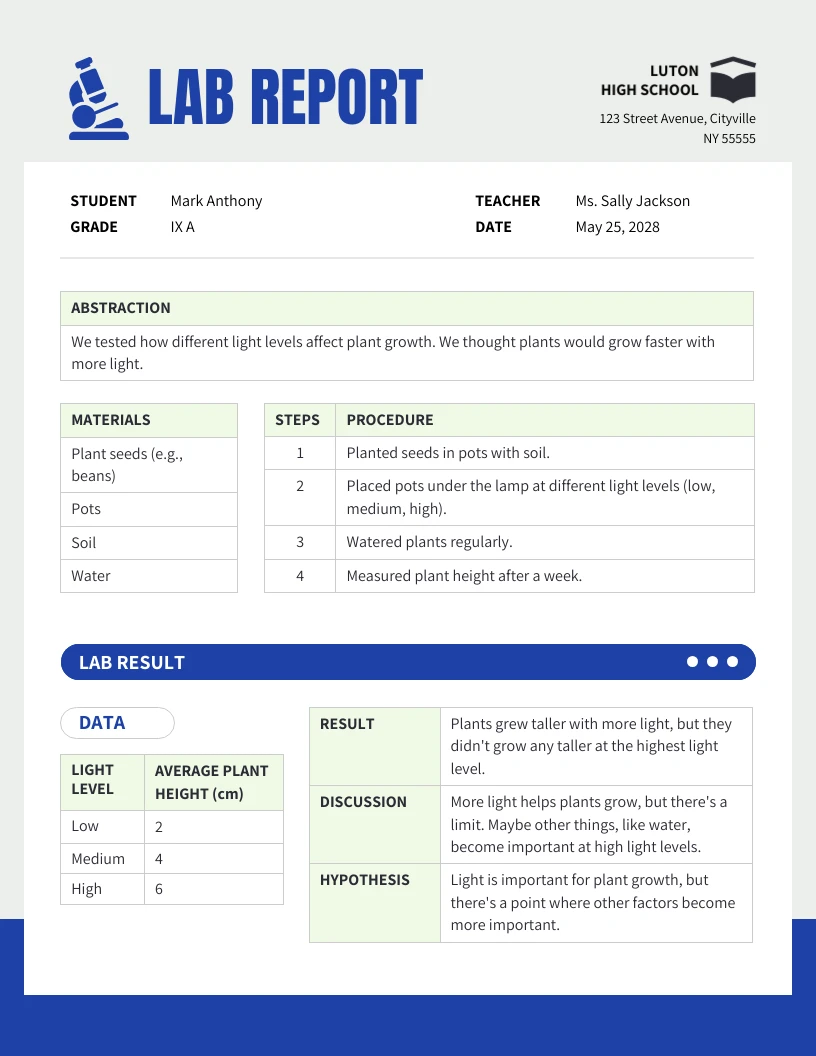
Present your results accurately and include all relevant data in your report. Use tables, graphs, and figures to illustrate your findings and make them easier to interpret.
4. Analyze Your Results
Take the time to analyze your results and draw meaningful conclusions from the data. Discuss any trends or patterns you observed and explain their significance in relation to the research question.
5. Proofread and Revise
Before submitting your lab report, make sure to proofread it carefully for errors in grammar, punctuation, and spelling. Revise your report as needed to ensure it is well-structured and coherent.
6. Follow Guidelines
If you are writing a lab report for a class or publication, make sure to follow any specific guidelines provided by your instructor or publisher. Pay attention to formatting requirements and citation styles to ensure your report meets the necessary criteria.
Conclusion
In conclusion, lab reports are an essential part of scientific research and academic study. By following the guidelines outlined in this article, you can learn how to write a clear, concise, and informative lab report that effectively communicates the results of your experiments. Remember to include all necessary elements, analyze your data critically, and present your findings in a logical and coherent manner. Writing a successful lab report takes practice, but with the right approach, you can master this important skill and contribute to the advancement of scientific knowledge.
