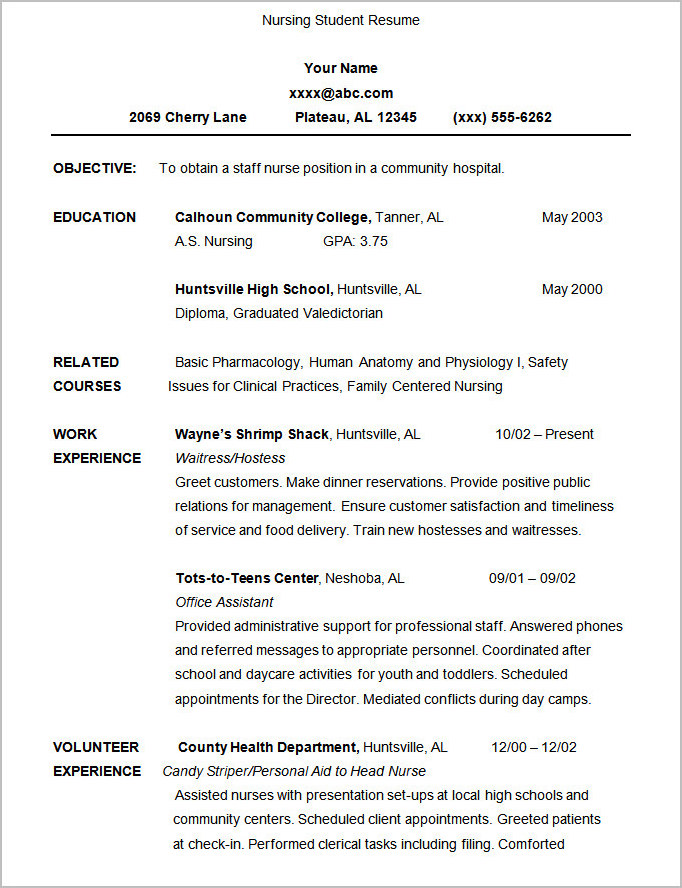
As a nursing student preparing to enter the workforce, having a well-crafted resume is essential to showcase your skills, experience, and qualifications to potential employers. Your resume is often the first impression you make, so it’s important to make it count. In this guide, we’ll walk you through the process of creating a standout nursing student resume that will help you land your dream job in the healthcare industry.
What is a Nursing Student Resume?
A nursing student resume is a document that highlights your education, clinical experience, skills, and relevant coursework in the field of nursing. It serves as a snapshot of your qualifications and accomplishments, allowing potential employers to quickly assess your suitability for a position. A well-written nursing student resume can set you apart from other candidates and increase your chances of securing interviews.
Why is a Nursing Student Resume Important?
Your nursing student resume is critical in showcasing your qualifications and skills to potential employers. It is often the first point of contact between you and a hiring manager, so it’s essential to make a strong impression. A well-crafted resume can demonstrate your professionalism, attention to detail, and commitment to the nursing profession, all of which are important qualities in the healthcare industry.
What to Include in Your Nursing Student Resume
When crafting your nursing student resume, there are several key elements to include to make it stand out. Here are some essential components to consider:
- Contact Information. Include your full name, phone number, email address, and professional social media profiles.
- Objective Statement. Clearly state your career goals and what you hope to achieve in the nursing field.
- Education. List your educational background, including your degree, institution, graduation date, and any honors or awards.
- Clinical Experience. Highlight any clinical rotations or internships you have completed, along with the skills and responsibilities you gained.
- Skills. Include relevant skills such as patient care, medication administration, wound care, and any certifications you hold.
- Professional Memberships. Mention any nursing organizations or associations you are a part of.
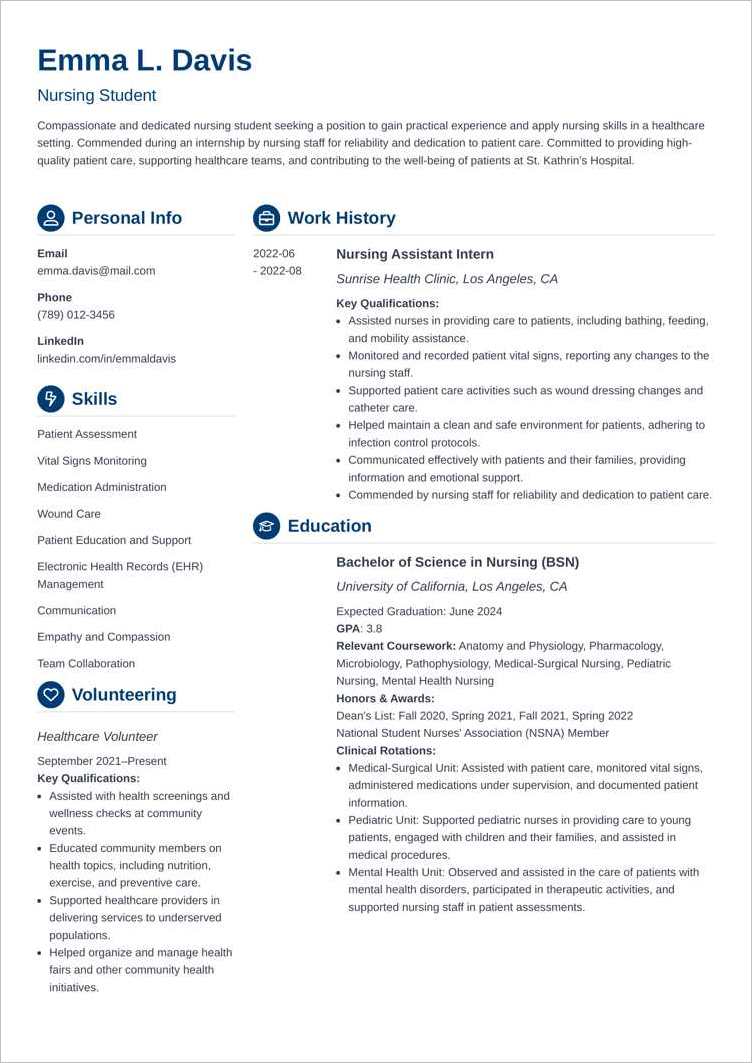
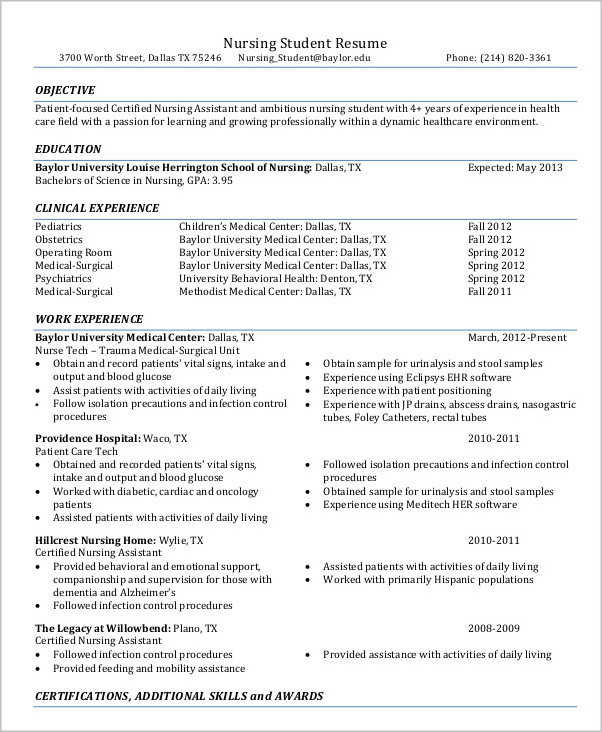
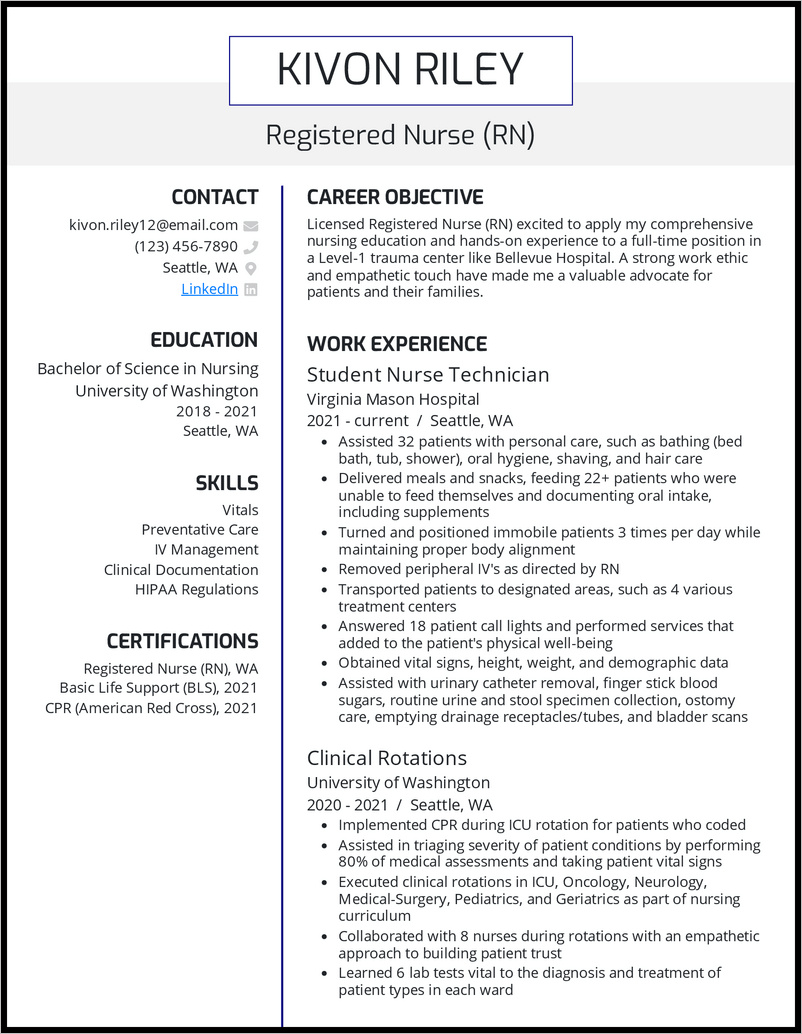
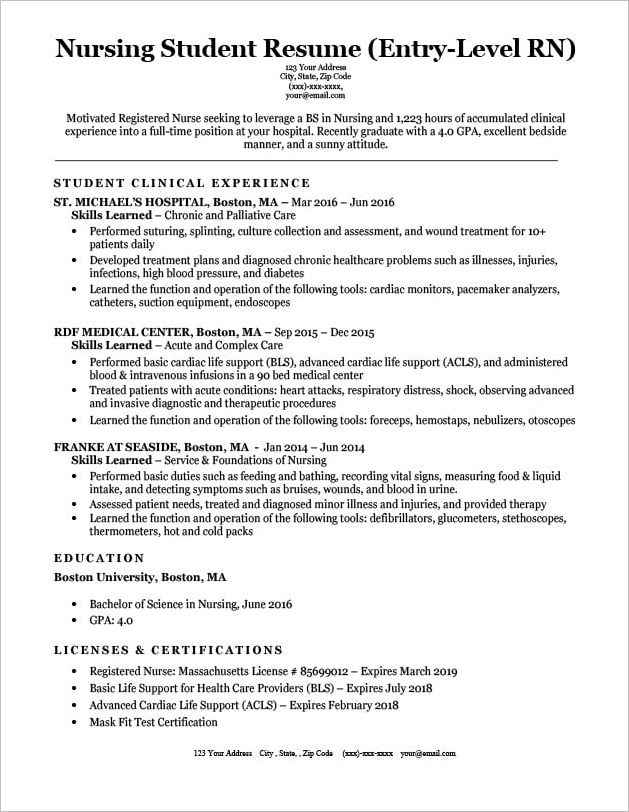
How to Format Your Nursing Student Resume
The format of your nursing student resume is crucial in making it easy to read and navigate for potential employers. Here are some tips for formatting your resume effectively:
- Use a clean and professional layout. Choose a simple font and make sure your resume is well-organized with clear headings.
- Keep it concise. Aim for a one-page resume that highlights your most relevant experience and qualifications.
- Use bullet points. Use bullet points to list your accomplishments and responsibilities, making it easy for employers to scan your resume quickly.
- Proofread carefully. Check for any spelling or grammar errors, and have someone else review your resume before submitting it.
Tips for Successful Nursing Student Resumes
Creating a successful nursing student resume requires attention to detail and a focus on showcasing your unique qualifications. Here are some additional tips to help you craft a standout resume:
1. Customize your resume for each job application
Tailor your resume to highlight the skills and experiences that are most relevant to the specific job you are applying for. This can help you stand out and show that you are a good fit for the position.
2. Quantify your achievements
Wherever possible, include specific numbers or data to quantify your achievements. For example, you could mention the number of patients you cared for during a clinical rotation or the percentage increase in patient satisfaction due to your interventions.
3. Include a cover letter
In addition to your resume, consider including a well-written cover letter that introduces yourself and explains why you are interested in the position. A cover letter can provide more context and showcase your personality and enthusiasm for the role.
4. Highlight your soft skills
In addition to technical skills, make sure to highlight your soft skills such as communication, teamwork, and problem-solving abilities. These qualities are highly valued in the nursing profession and can set you apart from other candidates.
5. Use action verbs
When describing your experiences and accomplishments, use strong action verbs to convey your contributions effectively. Words like “managed,” “organized,” “implemented,” and “coordinated” can help demonstrate your abilities and achievements.
6. Update your resume regularly
As you gain new experiences and skills, make sure to update your resume regularly to reflect your latest accomplishments. This can help you stay prepared for new job opportunities and showcase your ongoing growth and development in the nursing field.
Nursing Student Resume Template
