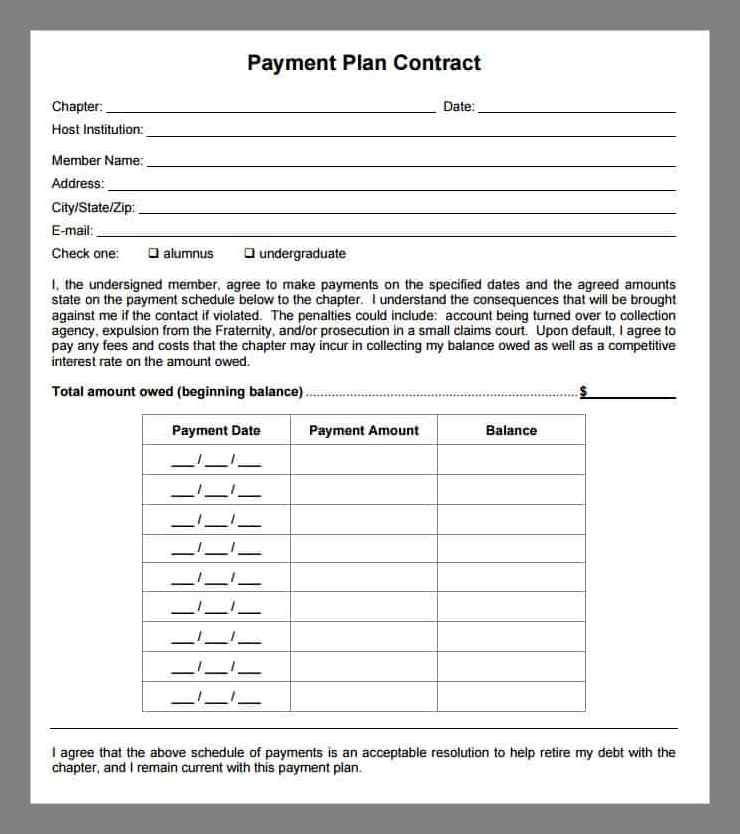
Payment plans are a popular option for individuals and businesses looking to spread out the cost of a purchase over time. They offer flexibility and convenience, making it easier for people to manage their finances. In this comprehensive guide, we will explore everything you need to know about payment plans, including what they are, why they are beneficial, key elements to consider, how to set up a payment plan, and tips for successful payment plan management.
What is a Payment Plan?
A payment plan is an arrangement where a buyer pays for a product or service in installments over a period of time, rather than paying the full amount upfront. This can be a useful option for people who may not have the funds to make a large payment all at once, but still want to make a purchase. Payment plans are commonly used for big-ticket items such as furniture, electronics, or medical expenses.
Why Choose a Payment Plan?
There are several reasons why someone might choose to use a payment plan:
- Financial Flexibility. Payment plans allow individuals to spread out the cost of a purchase, making it more affordable.
- Convenience. Paying in installments can make it easier to budget and manage cash flow.
- No Interest Options. Some payment plans offer interest-free financing, making it a cost-effective way to make a purchase.
Key Elements of a Payment Plan
When setting up a payment plan, there are several key elements to consider:
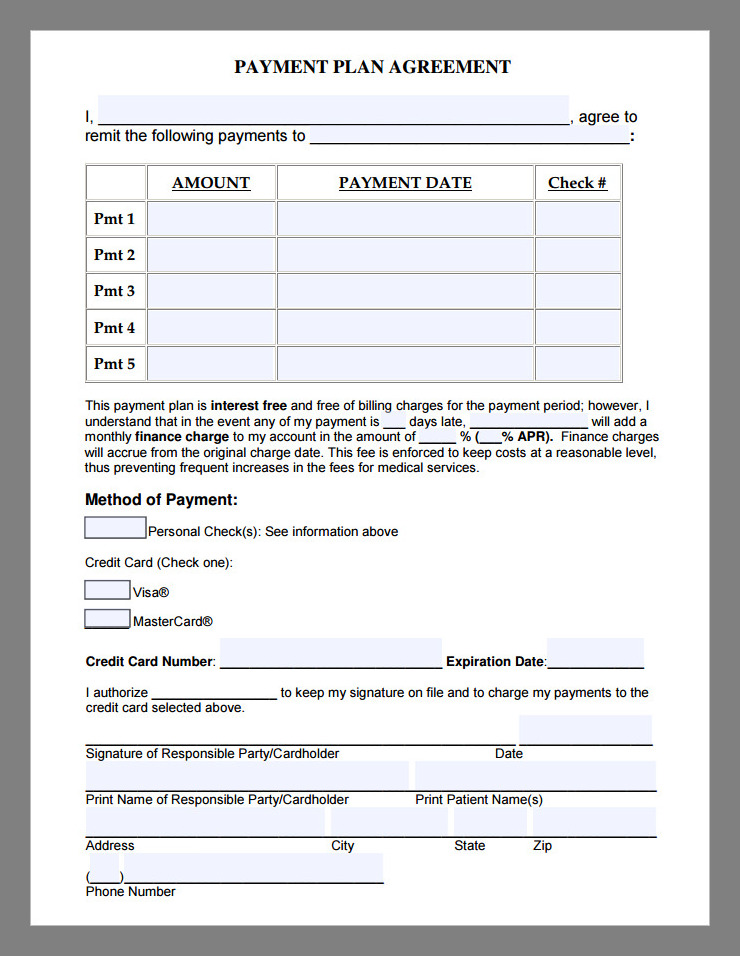
- Down Payment. Some payment plans require a down payment upfront.
- Installment Amount. Determine how much each installment will be and how often payments will be made.
- Interest Rate. If there is interest involved, be sure to understand the terms and rates.
- Payment Schedule. Outline the timeline for when payments are due.
- Late Payment Fees. Be aware of any penalties for missing a payment.
Examples
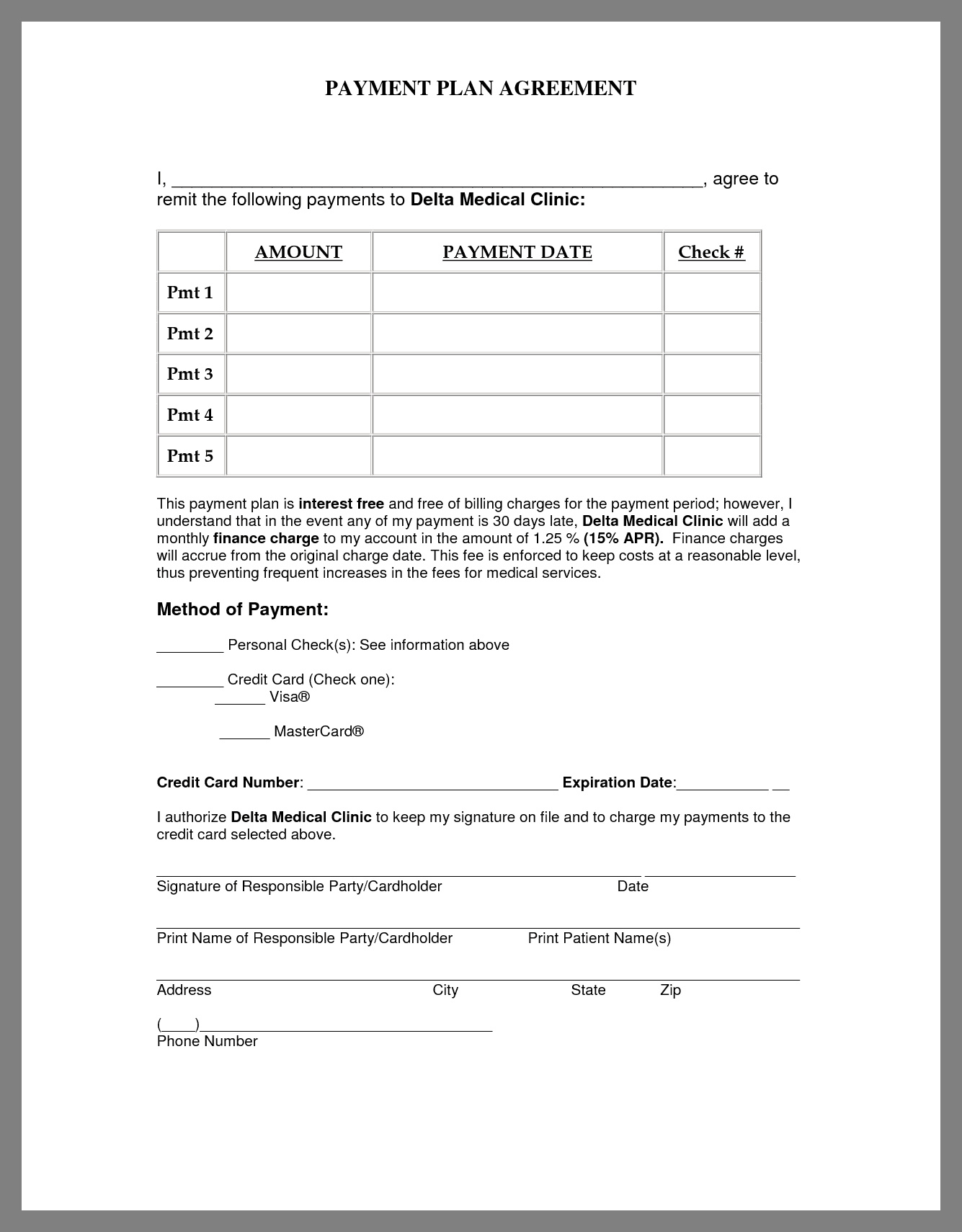
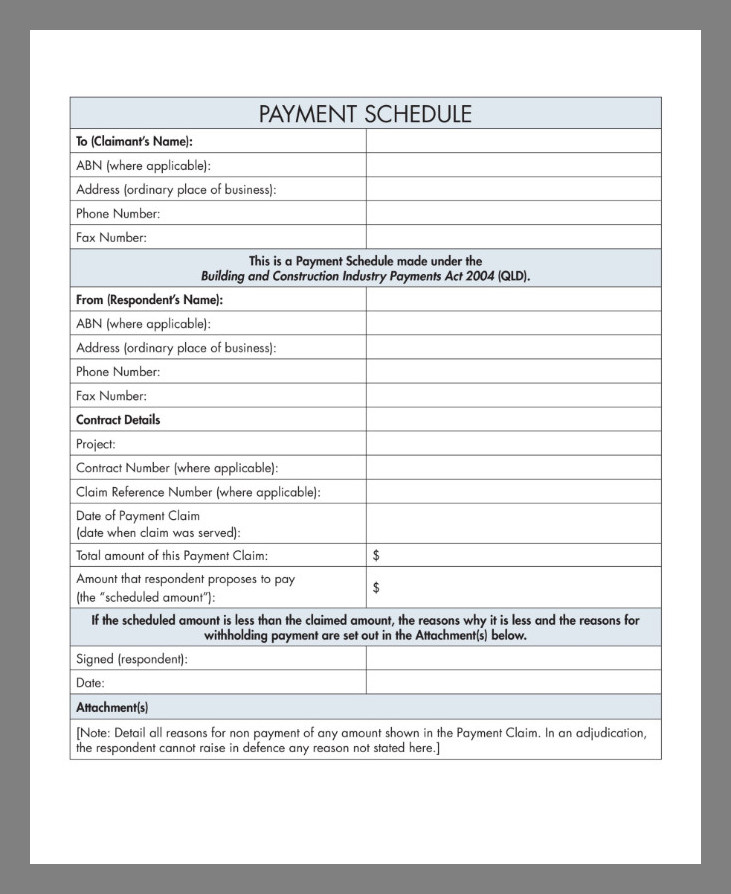
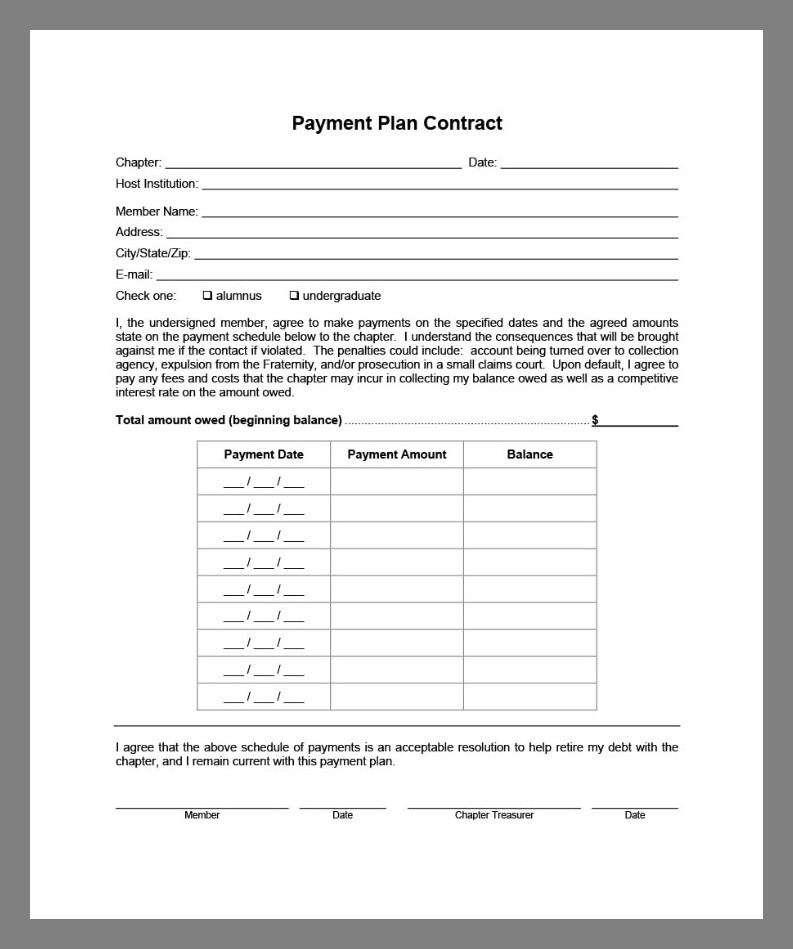
How to Set Up a Payment Plan
Setting up a payment plan is a straightforward process:
1. Contact the Seller
Reach out to the seller or service provider to inquire about payment plan options.
2. Negotiate Terms
Determine the terms of the payment plan, including down payment, installment amounts, and interest rates.
3. Sign an Agreement
Once the terms are finalized, sign a payment plan agreement outlining the details of the arrangement.
4. Make Payments
Stick to the payment schedule and make payments on time to avoid any fees or penalties.
5. Monitor Progress
Keep track of your payments and monitor your progress towards completing the payment plan.
Tips for Successful Payment Plans
Here are some tips to help you successfully manage a payment plan:
- Set a Budget. Make sure you can afford the monthly payments before committing to a payment plan.
- Automate Payments. Set up automatic payments to ensure you never miss a payment deadline.
- Communicate with the Seller. If you encounter any financial difficulties, communicate with the seller to explore options.
- Avoid New Debt. Try to avoid taking on new debt while on a payment plan to prevent financial strain.
In Conclusion
Payment plans can be a convenient way to make purchases without having to pay the full amount upfront. By understanding the key elements of a payment plan, knowing how to set one up, and following tips for successful management, you can make the most of this financial arrangement. Whether you’re buying a new sofa or paying for a medical procedure, payment plans offer flexibility and affordability to help you achieve your financial goals.
