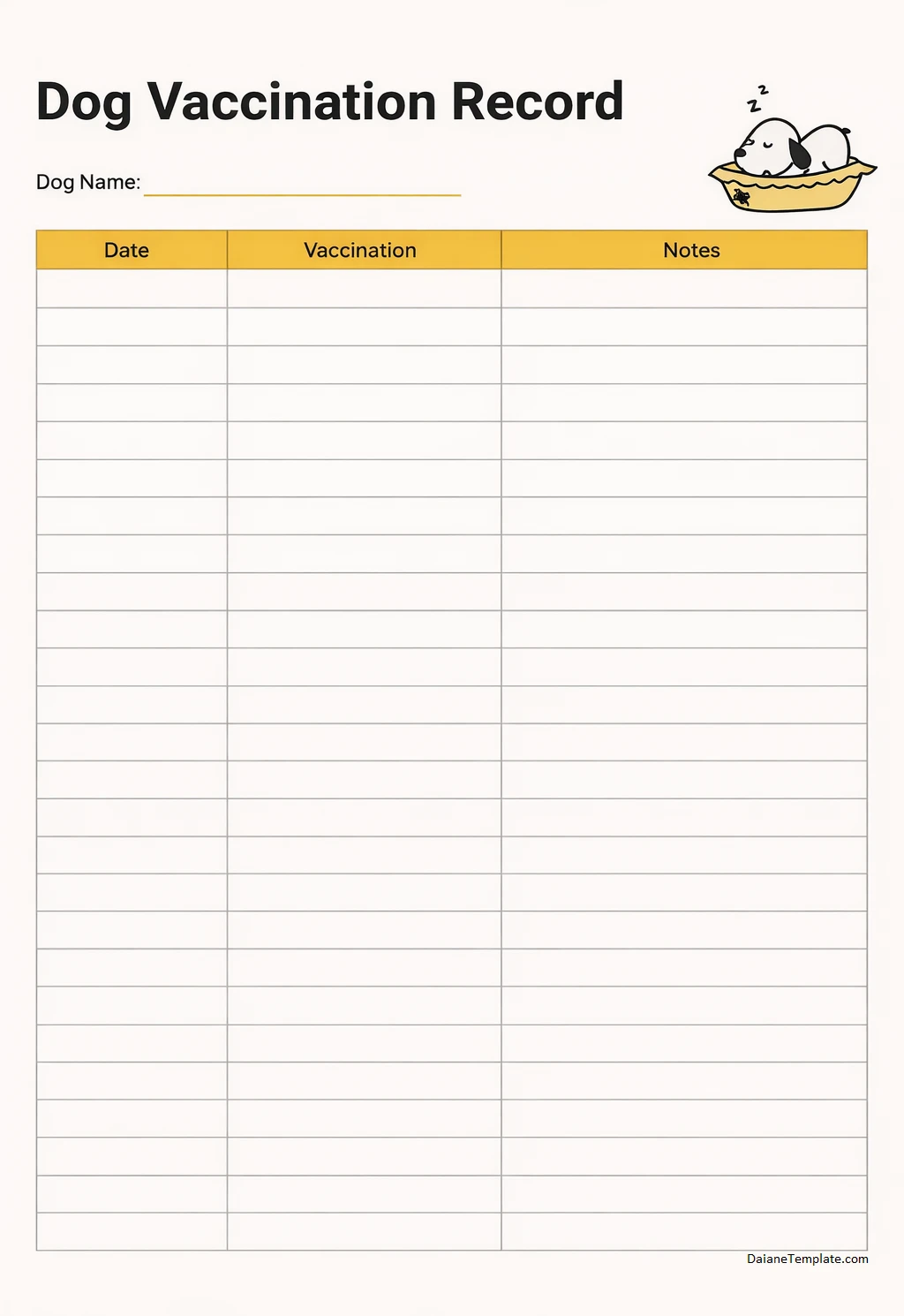
What are Dog Vaccination Records?
Dog vaccination records are crucial documents that provide a detailed history of a dog’s immunization status. These records contain information on the specific vaccines administered to a dog, including the type of vaccine, date of administration, and the veterinarian or clinic that administered the vaccine.
By keeping track of a dog’s vaccination history in these records, pet owners can ensure that their furry companions receive the necessary protection against serious diseases.
Why are Dog Vaccination Records Important?
Dog vaccination records play a crucial role in safeguarding the health and well-being of pets, as well as ensuring public safety. Here are some specific reasons why these records are essential:
Proving Immunity Against Serious Diseases
One of the primary purposes of dog vaccination records is to provide tangible proof of a dog’s immunity against serious diseases. Vaccines are designed to stimulate a dog’s immune system to produce antibodies that can fight off specific pathogens, such as viruses or bacteria. By documenting the administration of vaccines in vaccination records, pet owners can demonstrate that their dogs have received the necessary protection against common diseases like rabies, distemper, parvovirus, and more. This proof of immunity is especially crucial in situations where dogs may come into contact with other animals or people, reducing the risk of disease transmission.
Health History for Tailored Treatment
Vaccination records also serve as a valuable health history for veterinarians to tailor treatment plans for dogs. When a dog becomes ill or requires medical attention, veterinarians rely on the information provided in vaccination records to understand the pet’s vaccination status and history. This knowledge allows veterinarians to make informed decisions about the appropriate course of treatment, taking into account the dog’s previous vaccinations and potential exposure to specific diseases. By having access to comprehensive vaccination records, veterinarians can provide more personalized and effective care for sick dogs, improving their chances of recovery and overall well-being.
Compliance with Regulations for Travel, Boarding, or Licensing
In many regions, proof of vaccination is required for dogs to travel, board at a kennel or pet hotel, or obtain a license. These regulations are in place to protect not only individual dogs but also other animals and people from the spread of contagious diseases. By maintaining accurate vaccination records for their dogs, owners can easily demonstrate compliance with these regulations, ensuring smooth and hassle-free experiences when traveling with their pets, boarding them for temporary stays, or licensing them with local authorities. Failure to provide proof of vaccination may result in legal consequences or restrictions on the dog’s activities, highlighting the importance of up-to-date vaccination records.
Preventing the Spread of Illness, Especially Zoonotic Diseases
Zoonotic diseases are infectious diseases that can be transmitted between animals and humans. Dogs can serve as reservoirs for zoonotic pathogens, posing a risk to both their owners and the broader community. Vaccination is a crucial tool in preventing the spread of zoonotic diseases, as it helps protect dogs from becoming infected and potentially transmitting pathogens to humans. By ensuring that their dogs are up-to-date on vaccinations and maintaining detailed vaccination records, owners play a critical role in safeguarding public health and preventing outbreaks of zoonotic illnesses. Vaccination records serve as a proactive measure to reduce the risk of disease transmission and promote the well-being of both pets and people.
Key Elements of Dog Vaccination Records
When it comes to maintaining comprehensive and accurate dog vaccination records, several key elements should be included to ensure thorough documentation of a dog’s immunization history. These key elements may encompass:
Types of Vaccines Administered
Documenting the specific types of vaccines administered to a dog is essential for tracking their protection against various diseases. Different vaccines target different pathogens, such as rabies, distemper, parvovirus, leptospirosis, and Bordetella. Including information about the type of vaccine, the name of the manufacturer, and the specific strain or serovar covered by the vaccine helps paint a clear picture of a dog’s immunity status.
Administration Dates and Dosages
Recording the dates of vaccine administration and dosages given to a dog is critical for maintaining a vaccination schedule and ensuring that the pet receives timely protection. Some vaccines require multiple doses given at specific intervals to establish adequate immunity, while others may need annual boosters to maintain protection. By documenting the dates and dosages of each vaccine, owners can stay on top of their dog’s vaccination regimen and prevent lapses in immunity.
Location and Provider Information
Including details about where the vaccines were administered and by whom can help owners track the quality and consistency of their dog’s vaccinations. Whether the vaccines were given at a veterinary clinic, mobile vaccination clinic, or other licensed facility, noting the location and provider information ensures transparency and accountability in the vaccination process. This information also allows veterinarians to verify the authenticity of the vaccines administered and provide appropriate care based on the vaccination history.
Medical Exemptions or Allergies
In some cases, dogs may have medical conditions or allergies that preclude them from receiving certain vaccines. It is essential to document any medical exemptions or adverse reactions in the vaccination records to prevent unnecessary exposure to allergens or exacerbation of underlying health issues. This information helps veterinarians make informed decisions about alternative vaccination options or develop customized treatment plans that prioritize the dog’s well-being and safety.
Reminder and Notification System
Implementing a reminder and notification system for upcoming vaccinations and booster shots can help owners stay organized and ensure that their dogs receive timely protection. Whether using a physical calendar, digital reminder app, or a veterinary clinic’s notification service, setting up regular alerts for vaccination due dates can prevent missed appointments and maintain the dog’s immunity against diseases. Consistent reminders help create a proactive approach to vaccination management and foster a culture of responsible pet care.
Emergency Contact Information
Including emergency contact information in the dog’s vaccination records can be invaluable in situations where immediate medical attention is required. Providing the contact details of the primary veterinarian, emergency veterinary clinic, and owner’s contact information ensures that critical vaccination history is readily accessible during emergencies. In cases of illness, injury, or unexpected events, having emergency contact information readily available can expedite the decision-making process and facilitate prompt medical intervention for the affected dog.
Dog Vaccination Record Template – DOWNLOAD
