Project reports are essential documents that provide a detailed overview of a project’s progress, results, and impact. Whether you are a student working on a school project or a professional managing a large-scale project, creating a comprehensive project report is crucial for evaluating the success of the endeavor and communicating key information to stakeholders. In this guide, we will explore the what, why, key elements, how to, and tips for successful project report writing.
What is a Project Report?
A project report is a formal document that summarizes the objectives, activities, outcomes, and overall performance of a project. It serves as a record of the project’s journey from initiation to completion, highlighting key milestones, challenges, and achievements along the way. Project reports are typically used to assess the effectiveness of a project, provide insights for future planning, and communicate the project’s impact to relevant parties.
Why Write a Project Report?
There are several important reasons why writing a project report is essential:
- Evaluation: Project reports help evaluate the success and effectiveness of a project by analyzing its outcomes and comparing them to the initial goals.
- Communication: Project reports serve as a means of communicating the progress, status, and results of a project to stakeholders, team members, and other interested parties.
- Documentation: Project reports document the key activities, decisions, and outcomes of a project, providing a comprehensive record for future reference.
- Learning: Writing a project report allows project managers and team members to reflect on their experiences, identify areas for improvement, and apply lessons learned to future projects.
Key Elements of a Project Report
When writing a project report, it is important to include the following key elements:
- Title Page: The title page should include the project title, date, author’s name, and any other relevant information.
- Executive Summary: A brief summary of the project, including its objectives, methodology, results, and conclusions.
- Introduction: An overview of the project, its significance, and the purpose of the report.
- Methodology: Description of the methods and approaches used to carry out the project.
- Results: Presentation of the project’s outcomes, findings, and achievements.
- Discussion: Analysis of the results, interpretation of data, and discussion of key insights.
- Conclusion: Summary of the main findings, implications, and recommendations for future actions.
- References: List of sources cited in the report.
Example
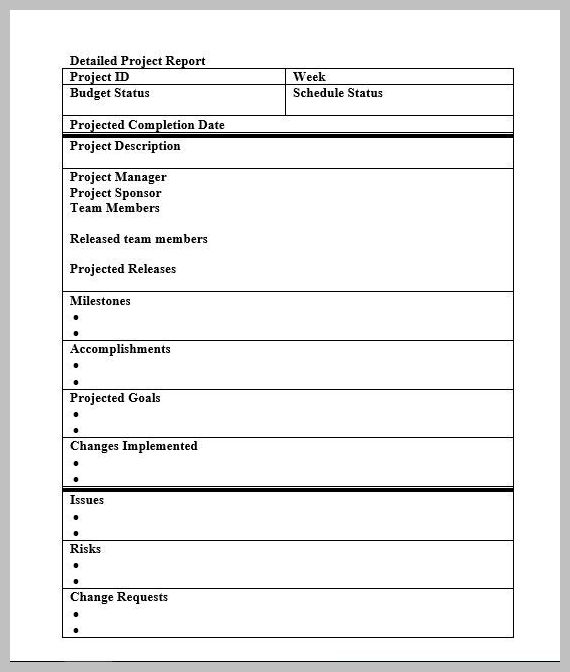
How to Write a Project Report
Follow these steps to write an effective project report:
1. Define the Objectives:
Clearly define the objectives and scope of the project report to ensure that you stay focused on the key goals and outcomes.
2. Gather Information:
Collect all relevant data, documents, and insights related to the project to support your analysis and conclusions.
3. Structure the Report:
Organize the report into sections such as introduction, methodology, results, discussion, and conclusion to provide a clear and logical flow of information.
4. Use Clear and Concise Language:
Communicate your ideas and findings in a clear and concise manner to ensure that the report is easy to understand for all readers.
5. Include Visuals:
Incorporate charts, graphs, tables, and other visual aids to present data and information in a more engaging and accessible format.
6. Review and Revise:
Proofread the report carefully, check for errors or inconsistencies, and make any necessary revisions to ensure the quality and accuracy of the final document.
7. Seek Feedback:
Share the draft report with colleagues, mentors, or supervisors to get feedback and suggestions for improvement before finalizing the document.
Tips for Successful Project Report Writing
Here are some tips to help you write a successful project report:
- Start Early: Begin working on the project report well in advance to allow sufficient time for research, analysis, and writing.
- Be Objective: Present the facts and findings of the project objectively, without bias or personal opinions.
- Stay Organized: Keep track of all project-related documents, data, and information to ensure that you include all relevant details in the report.
- Use Templates: Consider using project report templates or formats to guide you in structuring and formatting the document effectively.
- Proofread Thoroughly: Review the report multiple times, checking for spelling, grammar, and formatting errors to maintain professionalism and clarity.
- Focus on Impact: Highlight the impact of the project on stakeholders, beneficiaries, and the broader community to demonstrate its significance and value.
- Be Transparent: Provide transparent and honest information in the report, including any challenges, setbacks, or limitations encountered during the project.
By following these guidelines and best practices, you can create a comprehensive, informative, and engaging project report that effectively communicates the success and impact of your project to a wider audience.
