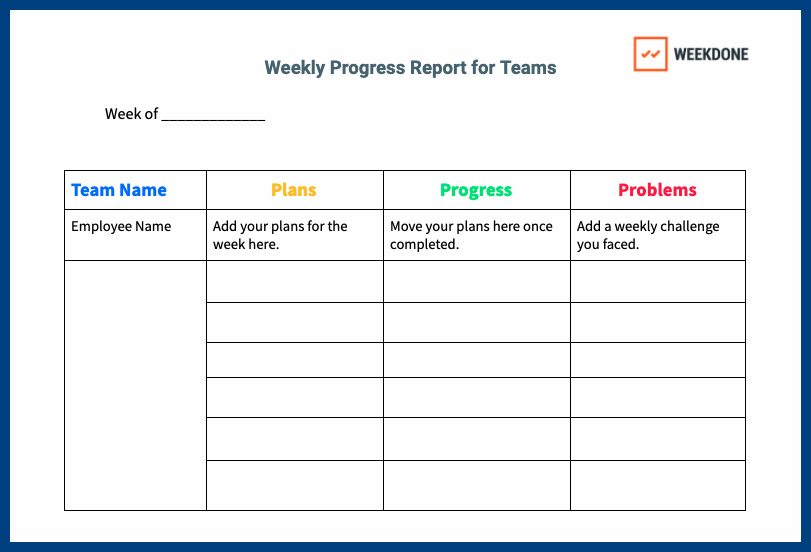
Progress reports are an essential tool for tracking and communicating the status of a project, program, or initiative. These reports provide valuable insights into the progress made, challenges faced, and next steps to be taken. In this comprehensive guide, we will explore everything you need to know about progress reports and how to create effective ones.
What is a Progress Report?
A progress report is a document that outlines the progress made on a particular project or task over a specific period. It typically includes key accomplishments, challenges encountered, goals achieved, and plans for the future. Progress reports are commonly used in business, education, and other fields to keep stakeholders informed and ensure that projects stay on track.
Why are Progress Reports Important?
Progress reports play a crucial role in project management and accountability. They help stakeholders, including team members, managers, clients, and investors, understand the current status of a project and make informed decisions. By providing a detailed overview of progress, challenges, and next steps, progress reports facilitate communication and transparency.
Key Elements of a Progress Report
Effective progress reports typically include the following key elements:
- Introduction: Provide an overview of the project and the period covered by the report.
- Accomplishments: Summarize key achievements and milestones reached during the reporting period.
- Challenges: Identify any obstacles or challenges that were encountered and how they were addressed.
- Next Steps: Outline the tasks to be completed in the upcoming period and any adjustments to the project plan.
- Timeline: Include a timeline or schedule for future milestones and deliverables.
- Metrics: Provide data and metrics to measure progress and performance against goals.
- Conclusion: Summarize the key points and reiterate the overall progress of the project.
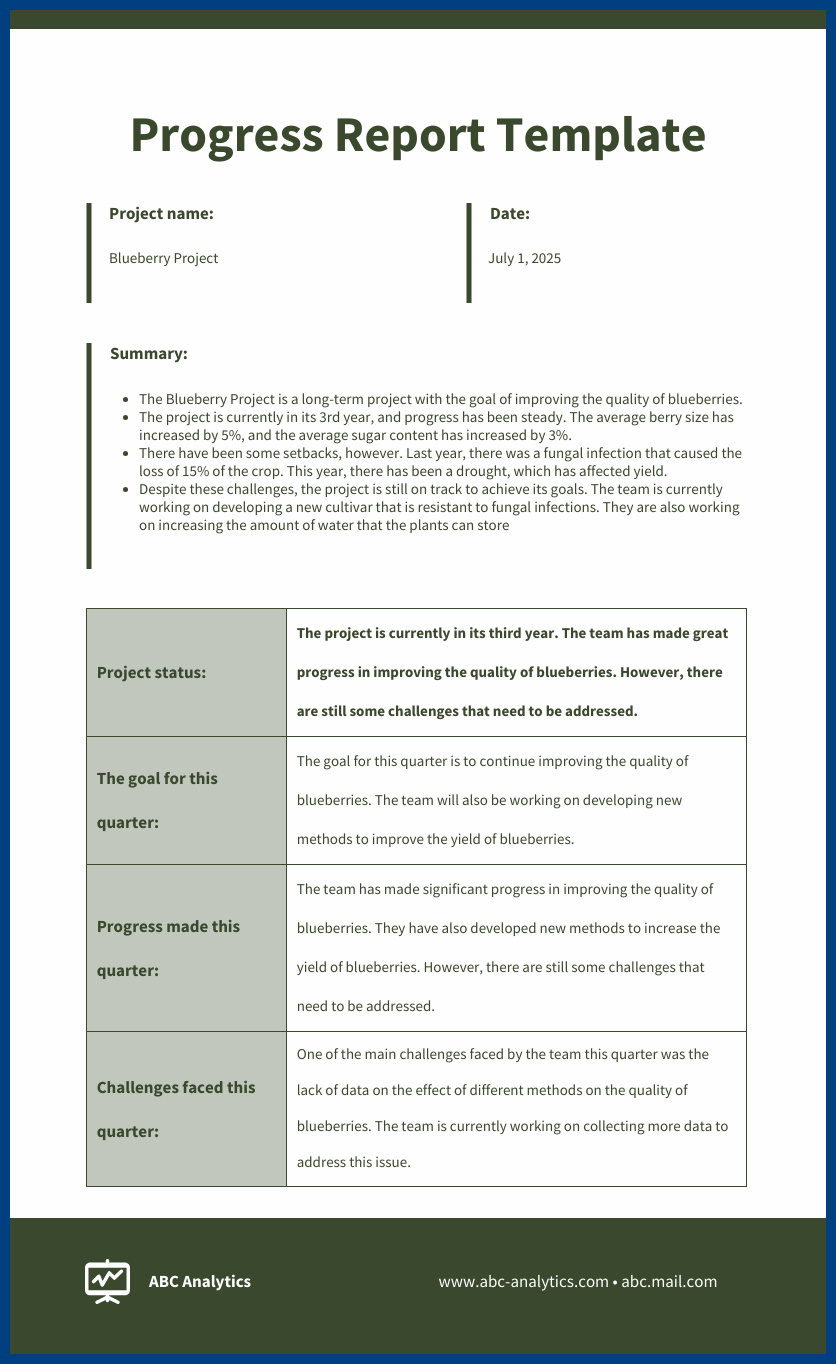
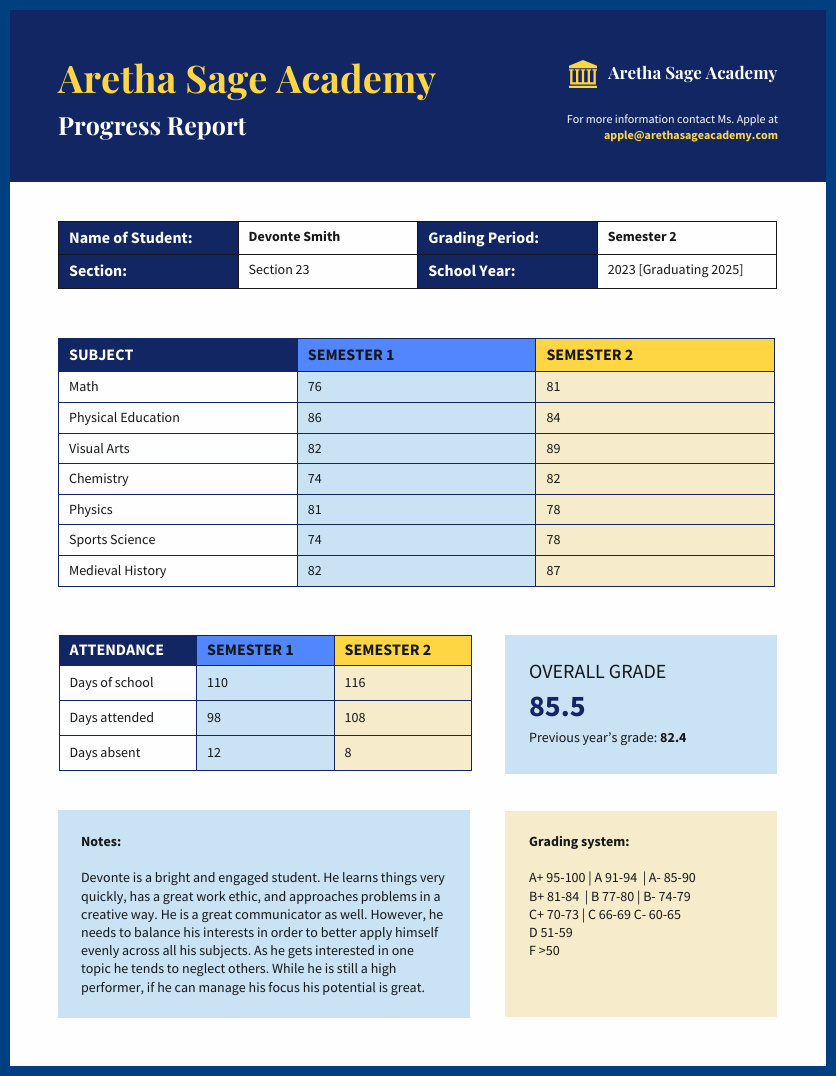
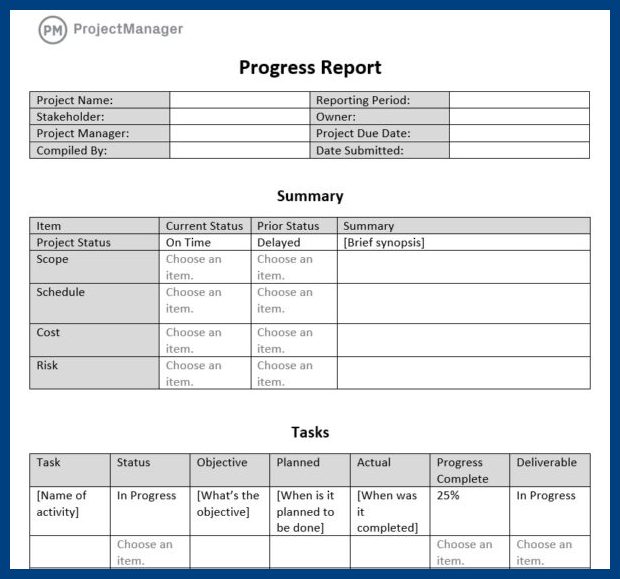
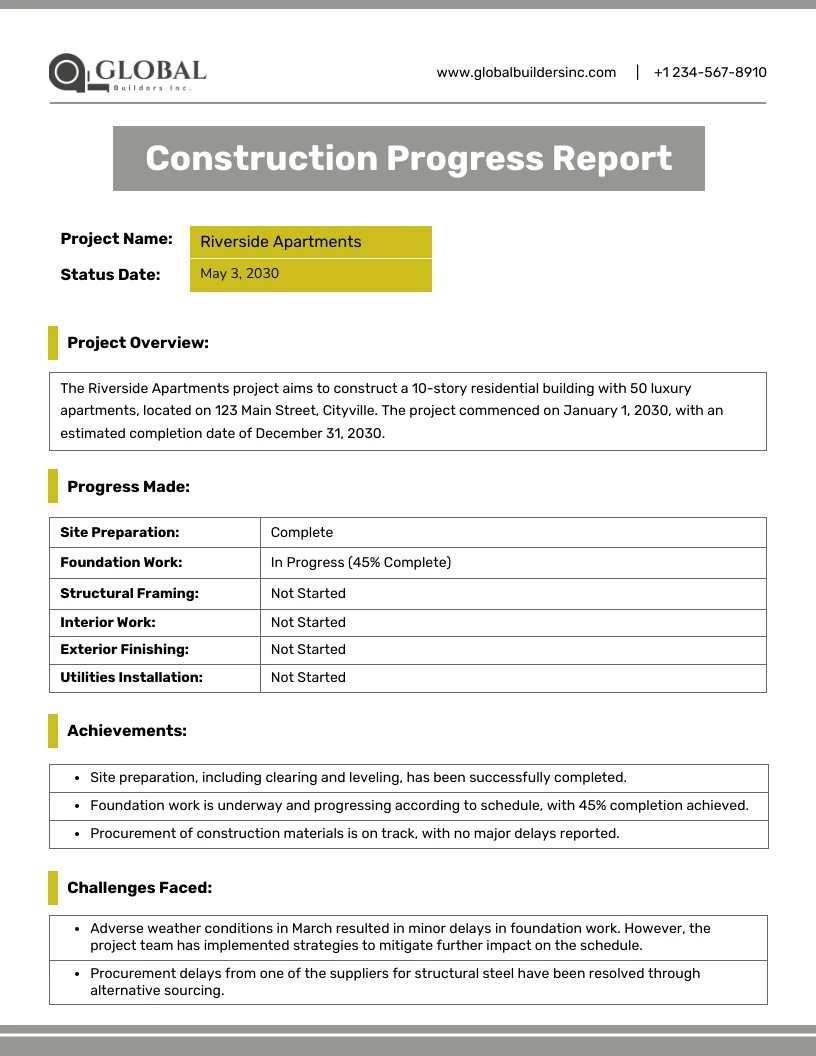
How to Write a Progress Report
Writing a clear and concise progress report requires careful planning and organization. Here are some tips to help you create an effective progress report:
1. Define the Purpose
Before you start writing, clarify the purpose of the progress report and identify the key stakeholders who will be reading it. Understanding the audience and their information needs will help you tailor the report accordingly.
2. Gather Relevant Data
Collect all necessary data, including project milestones, accomplishments, challenges, and any other information that will provide a comprehensive overview of the project’s progress. Use data and metrics to support your claims and demonstrate results.
3. Structure the Report
Organize the report into sections, such as introduction, accomplishments, challenges, next steps, and conclusion. Use headings and subheadings to make the report easy to navigate and understand.
4. Be Transparent
Be honest and transparent in your reporting. Acknowledge any setbacks or challenges faced during the project and explain how they were addressed. Transparency builds trust and credibility with stakeholders.
5. Use Clear Language
Avoid technical jargon and use clear, simple language to communicate your progress. Make sure the report is easily understood by all stakeholders, regardless of their level of expertise in the subject matter.
6. Include Visuals
Use charts, graphs, and other visual aids to present data and metrics in a visually appealing way. Visuals can help stakeholders quickly grasp the progress and performance of the project at a glance.
7. Review and Revise
Before finalizing the report, review it carefully for errors, inconsistencies, or omissions. Make sure the report is well-structured, concise, and effectively communicates the progress of the project.
Tips for Successful Progress Reports
Here are some additional tips to help you create successful progress reports:
- Set Clear Goals: Define clear, measurable goals at the beginning of the project to track progress effectively.
- Communicate Regularly: Provide regular updates to stakeholders to keep them informed and engaged in the project.
- Focus on Results: Highlight key results and accomplishments to demonstrate the impact of the project.
- Seek Feedback: Encourage feedback from stakeholders to improve future progress reports and project outcomes.
- Stay Organized: Maintain a detailed record of project activities, milestones, and results to streamline progress reporting.
- Be Consistent: Develop a standardized format and template for progress reports to ensure consistency across projects.
- Celebrate Successes: Recognize and celebrate achievements to motivate team members and stakeholders.
- Continuous Improvement: Use feedback and lessons learned from previous progress reports to improve future reporting processes.
In Conclusion
Progress reports are a valuable tool for tracking and communicating the progress of a project. By following the guidelines outlined in this guide and incorporating best practices for progress reporting, you can create effective and informative progress reports that keep stakeholders informed and engaged throughout the project lifecycle.
